
Mental Health Tattoos: Meaningful Designs & Ideas That Speak Volumes
There’s something profoundly powerful about wearing your mental health journey on your skin. Mental health tattoos have evolved far beyond simple symbols—they’ve become deeply personal statements of resilience, recovery, and self-acceptance. Whether you’re commemorating a milestone in your healing journey or simply expressing your commitment to mental wellness, these designs offer a way to transform vulnerability into visible strength.
The beauty of mental health tattoos lies in their versatility. They can be bold and unmistakable declarations or subtle, intimate reminders visible only to you. Some people choose designs that spark conversations and normalize mental health discussions, while others prefer private symbols that serve as personal anchors during difficult moments. Whatever your preference, there’s a design philosophy that aligns with your story.
What makes these tattoos especially meaningful is the intentionality behind them. Unlike impulse ink decisions, mental health tattoos typically represent months or years of contemplation, research, and personal growth. They’re not just aesthetic choices—they’re declarations of self-love and commitment to your wellbeing.
Symbolic Designs That Resonate
Mental health tattoos often rely on symbols that carry universal meaning while remaining deeply personal. The semicolon, for instance, has become synonymous with suicide prevention and mental health awareness. Created by the Semicolon Project, this simple punctuation mark represents a pause rather than an ending—a powerful metaphor for continuing your story despite struggles.
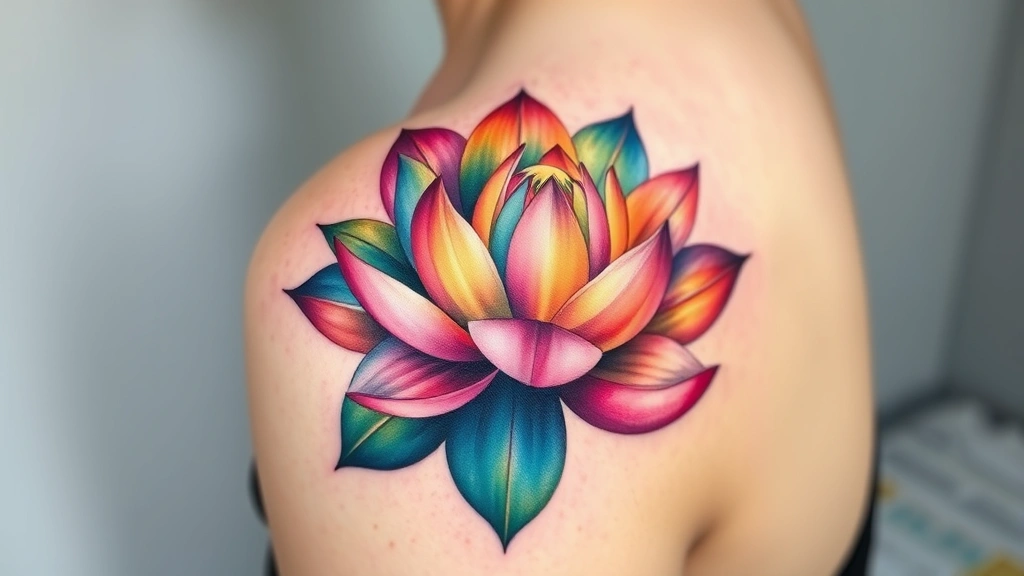
The lotus flower is another profoundly symbolic choice. Emerging from murky water to bloom beautifully, the lotus perfectly encapsulates the journey through darkness toward growth and transformation. Many people choose this design to represent their rise above depression, anxiety, or trauma. The imagery is both elegant and meaningful, making it a visually striking option that carries weight without heaviness.
Butterfly designs hold special significance for those recovering from eating disorders, self-harm, or major life transitions. The metamorphosis from caterpillar to butterfly mirrors personal transformation and renewal. Some people incorporate specific colors or styles to make the design uniquely theirs, adding layers of personal symbolism that outsiders might not immediately recognize.
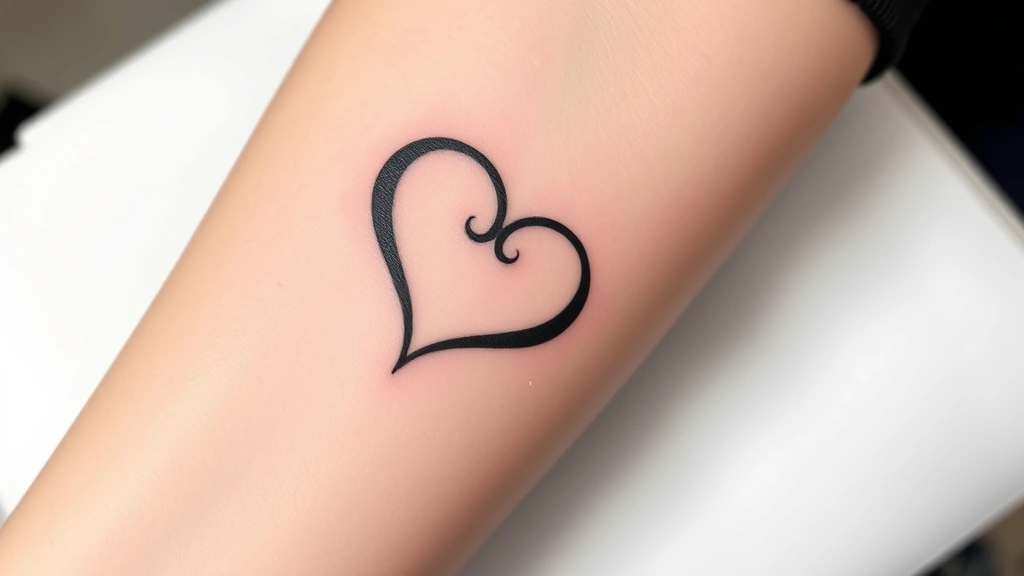
The infinity symbol twisted into a heart shape combines the concepts of eternal self-love and boundless potential. It’s particularly popular among those focused on practicing self-love as a cornerstone of their mental health journey. This design works beautifully in minimal line work or more elaborate styles, depending on your aesthetic preferences.
Popular Mental Health Tattoo Ideas
Beyond symbolic designs, many people choose tattoos featuring specific words or phrases that anchor their commitment to mental wellness. Words like “breathe,” “progress,” “enough,” or “still here” serve as daily reminders during challenging moments. These text-based designs are wonderfully versatile—they can be minimalist and delicate or bold and statement-making.
The puzzle piece tattoo represents autism awareness and neurodiversity acceptance. For many in the autism community, this design celebrates their unique way of experiencing and processing the world. It’s a visible symbol of pride and authenticity, particularly meaningful during mental health awareness initiatives that increasingly recognize neurodiversity.
Mandala designs appeal to those drawn to meditation, mindfulness, and spiritual healing. These intricate geometric patterns represent wholeness, balance, and the cyclical nature of life. Creating a mandala tattoo becomes almost meditative—the repetitive patterns and symmetry can be genuinely calming both during the design process and as a permanent reminder of inner peace.
Some people choose constellation designs connected to their zodiac sign or a meaningful date. These cosmic designs feel personal yet universal, connecting individual struggles to something greater. Others incorporate meaningful numbers, birthdates of loved ones, or coordinates of significant locations that shaped their mental health journey.
The mental health awareness ribbon in teal, green, or purple is another direct approach. These ribbons immediately communicate your commitment to mental health advocacy. Many people combine ribbon designs with other elements—perhaps incorporating it with a meaningful quote or symbol—to create a more complex, personalized piece.
Creating Personal Meaning
The most impactful mental health tattoos are those that hold deeply personal significance. Rather than choosing a design simply because it’s popular, take time to reflect on what symbols genuinely resonate with your journey. What imagery makes you feel hopeful? What phrases consistently anchor you during difficult moments?
Consider collaborating with a tattoo artist who specializes in meaningful work. Share your story, your struggles, and your victories. A skilled artist can help translate your internal experience into visual form, creating something that feels authentically yours. This collaborative process itself becomes therapeutic—articulating your journey to someone who listens without judgment.
Some people create hybrid designs combining multiple symbols. You might merge a semicolon with a lotus flower, or incorporate a meaningful word alongside a constellation. These composite designs tell a more complete story, layering different aspects of your mental health journey into one cohesive piece.
Understanding essential mental health awareness facts can inform your design choices too. Learning about different conditions, recovery rates, and support resources might inspire visual elements that feel personally meaningful. Some people incorporate elements representing their specific diagnosis or challenge—whether that’s anxiety, depression, bipolar disorder, PTSD, or other conditions.
The timing of getting your tattoo matters as well. Many people wait until they’ve reached a significant milestone in their recovery or healing journey. This ensures the tattoo represents something you’ve actively worked toward, not just a passing interest. That intentionality makes the permanent mark feel earned and meaningful.
Placement & Visibility Considerations
Where you place your mental health tattoo significantly impacts its role in your life. Highly visible placements—wrists, forearms, neck, or behind the ear—make your tattoo a conversation starter. These locations broadcast your mental health advocacy and can help normalize discussions around mental wellness in everyday interactions.
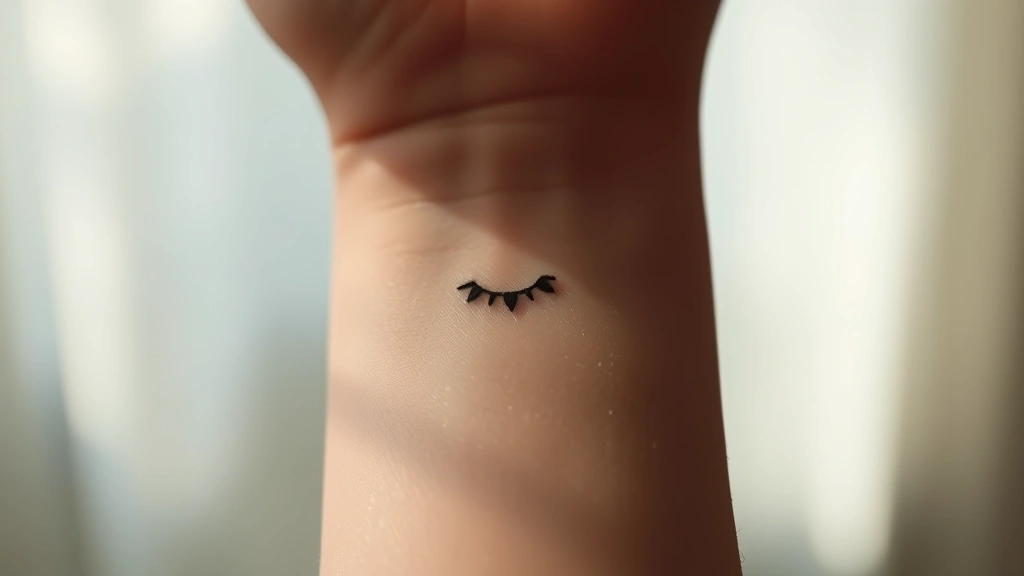
Many people choose their wrists specifically because it’s a location they see frequently throughout the day. A mental health tattoo on your wrist becomes a constant reminder of your commitment to self-care and your strength. It’s the first thing you might see when you’re having a difficult moment, offering immediate encouragement.
More private placements—upper arm, ribs, thigh, or behind the ear—keep your tattoo personal and intimate. These locations work beautifully for those who prefer their mental health journey to remain private or who want a personal talisman rather than a public declaration. The privacy doesn’t diminish the meaning; it simply changes the function from external advocacy to internal anchor.
Some people choose placements that hold additional meaning. A tattoo over your heart symbolizes emotional significance. One on your feet might represent your journey and forward movement. A design on your dominant hand emphasizes action and taking control of your healing. These placement choices add layers of symbolism to your overall design.
Consider visibility in professional contexts as well. While mental health awareness is increasingly normalized, some workplaces remain less progressive. Choosing placements you can easily cover with clothing offers flexibility without compromising your authenticity. You’re not hiding your journey—you’re simply controlling when and with whom you share it.
Finding the Right Tattoo Artist
Not all tattoo artists excel at meaningful, symbolically-rich designs. When seeking an artist for your mental health tattoo, look for portfolios featuring detailed line work, symbolic imagery, or intricate designs that match your vision. Pay special attention to their experience with the specific style you’re considering.
Interview potential artists before committing. Discuss your story, your vision, and what you hope the tattoo will represent. A good artist will ask thoughtful questions, offer suggestions, and collaborate with you to create something that feels authentically yours. They should treat your mental health tattoo with the same seriousness and care you’re bringing to the decision.
Read reviews and ask for references, particularly from people who’ve gotten meaningful tattoos. Personal recommendations from others in the mental health community can be invaluable. You want an artist who understands that your tattoo isn’t just ink—it’s a powerful statement about your journey and your commitment to wellness.
Don’t rush the design process. Legitimate artists will spend time creating custom designs rather than simply copying existing work. They might sketch multiple versions, incorporate your feedback, and refine the design until it perfectly captures your vision. This collaborative process ensures your tattoo is uniquely yours.
Professional tattoo artists follow strict health and safety protocols. They use sterile equipment, follow proper sanitation procedures, and can explain their safety measures clearly. This is especially important given that you’re choosing a permanent mark for your body—you want to work with someone who prioritizes your health alongside the artistry.
Aftercare & Healing Process
Getting a tattoo is a physical experience that requires proper aftercare for optimal healing. Your artist will provide specific instructions, but generally, you’ll need to keep the tattoo clean, moisturized, and protected from sun exposure during the first few weeks.
Avoid swimming, hot tubs, and intense exercise for at least two weeks after getting your tattoo. These activities can introduce bacteria or cause excessive sweating that interferes with healing. You’ll also want to avoid picking at any scabbing—let it naturally shed as part of the healing process.
Use fragrance-free, gentle moisturizers specifically recommended for tattoo aftercare. Your artist can suggest products they trust. Proper moisturizing prevents excessive scabbing and keeps the colors vibrant as your tattoo heals. Sun protection is equally important—wear sunscreen on your tattoo for at least a month after getting it.
Some redness, swelling, and mild discomfort are normal immediately after getting tattooed. However, if you notice signs of infection—excessive warmth, pus, severe swelling, or fever—contact your artist and seek medical attention. Infections are rare with proper aftercare but should be taken seriously.
The healing process typically takes two to four weeks, though complete healing of deeper skin layers takes longer. During this time, your tattoo might look slightly different as swelling reduces and colors settle. This is completely normal and part of the natural healing process.
Frequently Asked Questions
How do I know if a mental health tattoo is right for me?
Mental health tattoos are deeply personal decisions. If you’ve been considering one for more than a few months, if you have a clear design in mind, and if you feel emotionally ready to make this permanent commitment to your wellness journey, it’s likely the right choice for you. Trust your instincts—your body and mind will tell you when the time is right.
Will a mental health tattoo help my recovery?
While a tattoo itself isn’t a substitute for professional mental health treatment, it can serve as a powerful reminder of your commitment to wellness and recovery. Many people find that having a visible or personal symbol of their journey provides encouragement during difficult moments. However, ensure you’re also working with qualified mental health professionals—mental health technicians and therapists can provide the evidence-based support your tattoo symbolizes.
What’s the best mental health tattoo design?
There’s no universally “best” design—the best mental health tattoo is the one that holds deep personal meaning for you. Some people resonate with symbolic designs like semicolons or lotus flowers, while others prefer meaningful words or abstract imagery. Spend time reflecting on what genuinely represents your journey and choose accordingly.
Can I get a mental health tattoo if I’m currently struggling?
This is a personal decision. Some people find that getting a tattoo during a difficult period provides hope and motivation. Others prefer to wait until they’re in a more stable place mentally. There’s no wrong answer—consider your emotional state, your support system, and what timing feels right for you.
How can I make my mental health tattoo more meaningful?
Involve yourself in the design process, collaborate closely with your artist, choose a placement that aligns with the tattoo’s meaning, and consider the timing of when you get it. You might also pair your tattoo with other wellness practices like meditation, journaling, or therapy. Learning about how to improve emotional intelligence can deepen your understanding of what your tattoo represents.
What if I regret my mental health tattoo later?
Tattoo regret happens, and that’s okay. However, most people find that meaningful mental health tattoos become more significant over time, not less. If you do experience regret, you have options—cover-up tattoos, removal procedures, or simply reframing how you view the design. Many people eventually appreciate their mental health tattoos as markers of where they’ve been and how far they’ve come.
Should I tell people about my mental health tattoo’s meaning?
That’s entirely up to you. Some people love explaining their tattoo’s significance and using it as an opportunity to discuss mental health. Others prefer keeping the meaning private. You’re not obligated to share your story with anyone—your tattoo is for you first and foremost.