

What Do Community Health Worker Jobs Entail? Expert Guide
If you’re curious about making a tangible difference in people’s lives while building a meaningful career, community health worker jobs might be exactly what you’re looking for. These professionals serve as the vital bridge between healthcare systems and the communities they serve, often working in underserved areas where access to quality healthcare is limited. Unlike traditional clinical roles that keep you behind a desk or in a sterile office, community health workers get their hands dirty—metaphorically speaking—by engaging directly with individuals and families in their own environments.
The role has evolved significantly over the past decade, transforming from a grassroots volunteer position into a legitimate, respected career path with genuine earning potential and advancement opportunities. What makes this profession particularly compelling is its intersection of healthcare, social work, and community advocacy. You’re not just providing information; you’re building trust, advocating for systemic change, and helping people navigate complex healthcare landscapes.
Whether you’re considering a career transition or exploring entry-level opportunities in healthcare, understanding what community health worker jobs actually involve—beyond the job description—is essential for determining if this path aligns with your values and professional goals.
What Exactly Is a Community Health Worker?
A community health worker (CHW) is a trusted liaison between healthcare providers and the communities they serve. According to the Centers for Disease Control and Prevention, CHWs are frontline public health workers who are trusted members of and/or have an unusually close understanding of the community they serve. What sets them apart is their authentic connection to the community—they often share similar cultural backgrounds, languages, and life experiences with the populations they support.
Think of CHWs as healthcare translators and advocates. They understand both the medical system and the real-world barriers their communities face. This dual perspective is invaluable. A CHW might speak the same language as their clients, understand cultural health beliefs, and know the neighborhood’s resources intimately. This authenticity builds trust far more effectively than any clinical credential alone could.
Community health worker jobs span various specializations. You might work as a diabetes educator in a low-income neighborhood, a maternal health advocate in a rural region, or a mental health peer specialist supporting individuals with serious mental illnesses. Each specialization requires different expertise, but all share the fundamental mission of improving health equity and access.
Core Responsibilities and Daily Tasks
The day-to-day work of community health workers is remarkably diverse. Rather than repetitive clinical procedures, you’ll encounter varied, dynamic situations that require adaptability and genuine compassion. Here’s what typically fills a CHW’s workday:
Health Education and Outreach: CHWs conduct health classes, distribute educational materials, and engage in one-on-one conversations about disease prevention and healthy behaviors. You might facilitate a nutrition workshop at a community center, explain medication management to elderly patients, or discuss preventive care strategies with young parents. This isn’t lecturing from a podium; it’s meeting people where they are—literally and figuratively.
Care Coordination and Navigation: One of the most impactful responsibilities involves helping clients navigate the healthcare system. This means assisting with appointment scheduling, explaining insurance options, coordinating transportation, and ensuring follow-up care happens. For someone unfamiliar with healthcare systems, this guidance is transformational. You’re essentially helping people access the care they need without getting lost in bureaucratic complexity.
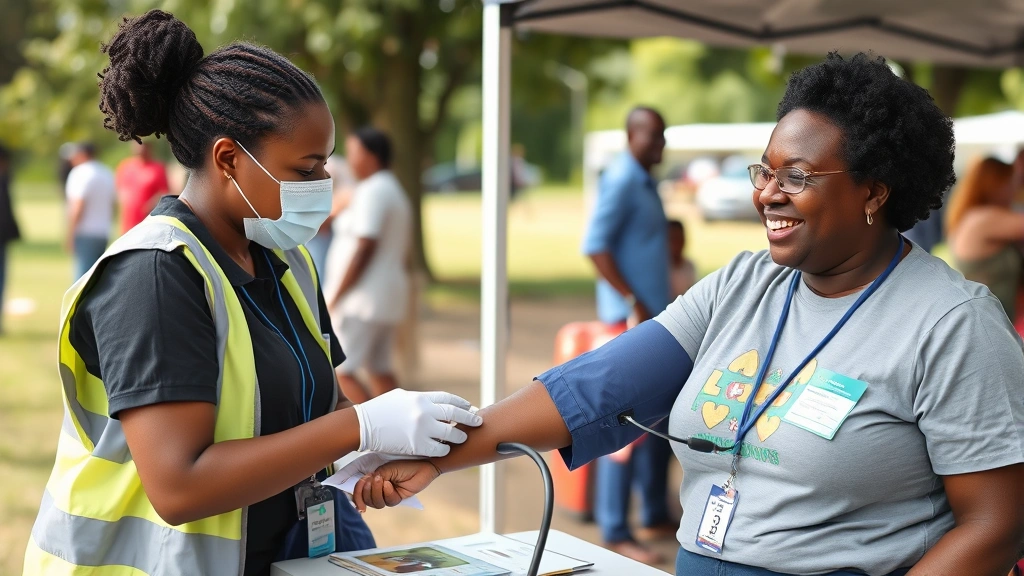
Health Monitoring and Data Collection: CHWs conduct health screenings, take vital signs, and collect health information that informs community health initiatives. You might perform blood pressure checks at a community event, track medication adherence for a chronic disease program, or document health outcomes for program evaluation.
Cultural Brokering and Advocacy: This involves bridging cultural gaps between healthcare providers and patients. You might explain medical recommendations in culturally appropriate ways, advocate for patients’ needs within healthcare systems, or educate healthcare providers about community-specific health concerns and cultural practices.
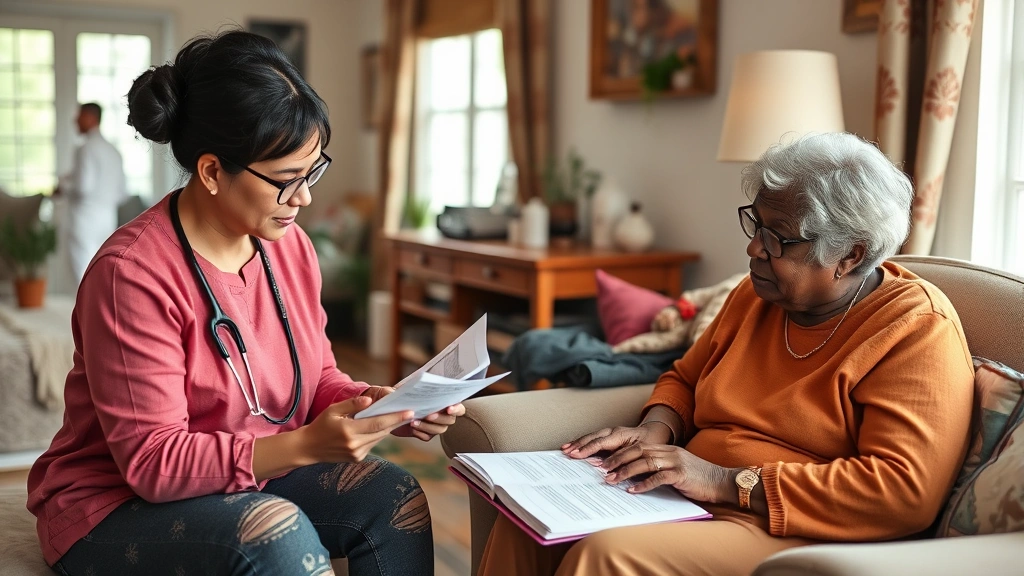
Home Visits and Community Engagement: Many CHW roles involve visiting clients’ homes to assess living conditions, provide direct support, and build relationships. You’re not just providing healthcare information; you’re understanding the social determinants—housing stability, food security, transportation access—that profoundly affect health outcomes.
Program Support and Administration: Behind the scenes, CHWs maintain detailed records, prepare reports, and contribute to program planning. You might track program metrics, document client interactions, or help design community health initiatives based on identified needs.
Essential Skills and Qualifications
Formal education requirements for community health worker jobs vary by region and employer, but certain skills and qualities are universally valued. Many positions require a high school diploma or GED at minimum, though some organizations prefer some college coursework or prior healthcare experience. However, credentials matter less than genuine capability in this field.
Communication Excellence: This goes beyond speaking clearly. Effective CHWs listen actively, explain complex health information accessibly, and adapt their communication style to diverse audiences. If you’re interested in developing this critical competency, exploring how to improve communication skills is invaluable for excelling in this role.
Cultural Competence and Humility: You must genuinely respect and understand different cultural perspectives on health and illness. This isn’t about stereotyping; it’s about recognizing that health beliefs vary across cultures and meeting people with respect for their worldview.
Empathy and Emotional Intelligence: You’ll encounter people facing significant hardships. The ability to maintain boundaries while showing genuine care is essential. You need emotional resilience to handle difficult situations without becoming overwhelmed or losing perspective.
Problem-Solving and Resourcefulness: Real-world challenges rarely have textbook solutions. You’ll navigate complex situations with limited resources and develop creative approaches to help clients overcome barriers.
Trustworthiness and Reliability: Community members must feel confident that you’ll follow through on commitments and maintain confidentiality. Your reputation is your most valuable asset in this role.
Many employers offer on-the-job training and certification programs. The American Public Health Association has established CHW competency standards that guide professional development across the field. Some states offer formal CHW certification programs, which can enhance your credentials and career prospects.
Where Community Health Workers Are Employed
Community health worker jobs exist in surprisingly diverse settings. You’re not limited to one type of organization or environment. Understanding the variety of employment opportunities helps you find a role that matches your interests and lifestyle preferences.
Federally Qualified Health Centers (FQHCs): These safety-net clinics serving low-income and uninsured populations frequently employ CHWs. You’d work alongside physicians, nurses, and social workers to provide comprehensive care to vulnerable populations.
Public Health Departments: Local and state health departments employ CHWs for disease prevention, health promotion, and emergency preparedness initiatives. This sector offers stability and benefits comparable to other government positions.
Non-Profit Organizations: Disease-specific organizations, community development corporations, and health advocacy groups employ CHWs to address particular health concerns or community needs. These roles often feel mission-driven and allow specialization in specific health areas.
Hospitals and Health Systems: Many large healthcare organizations now employ CHWs for community outreach, patient navigation, and care coordination. These positions often offer better benefits and advancement opportunities than smaller employers.
Home Health and Hospice Agencies: If you’re drawn to the personal connection of home-based care, positions similar to home health care jobs near me combine CHW principles with direct patient support in residential settings.
Schools and Educational Institutions: Some CHWs work in schools, addressing student health needs and connecting families with healthcare resources.
Correctional Facilities: CHWs work within jails and prisons, providing health education and care coordination for incarcerated populations.
Career Growth and Advancement Opportunities
One concern some people have about community health worker jobs is whether they offer genuine career advancement. The answer is absolutely yes—if you’re strategic about your development. This field isn’t a dead end; it’s increasingly recognized as a legitimate career pathway with multiple advancement directions.
Specialization and Advanced Credentials: You can develop expertise in specific health areas like diabetes management, maternal health, mental health peer support, or chronic disease management. Advanced certifications in these specializations increase your value and earning potential.
Supervisory and Leadership Roles: Experienced CHWs often transition into team lead, supervisor, or program coordinator positions, managing other CHWs and program implementation. These roles require strong organizational and leadership skills but offer significantly higher compensation.
Education and Training Roles: Many organizations need individuals to train and mentor new CHWs. Your frontline experience becomes valuable in developing curriculum and supporting workforce development.
Further Education: Many CHWs use their experience as a foundation for pursuing additional education. You might pursue nursing, social work, public health, or health administration degrees. Your CHW background provides practical context that enriches academic learning.
If you’re interested in broader healthcare career possibilities, exploring health science jobs and health administration jobs reveals how your CHW experience opens doors across the healthcare sector.
Policy and Advocacy Work: Some CHWs transition into roles focused on health policy, program evaluation, or community health advocacy. Your frontline knowledge becomes invaluable in informing policy decisions.
Compensation and Job Outlook
Community health worker jobs typically offer modest but respectable compensation, with significant variation based on location, employer, experience, and specialization. According to the U.S. Bureau of Labor Statistics, community health worker salaries have shown steady growth over the past decade as the field gains recognition and legitimacy.
As of recent data, the median annual salary ranges from approximately $35,000 to $45,000, with experienced CHWs and those in supervisory roles earning substantially more. Geographic location matters significantly—urban areas and regions with higher costs of living typically offer higher compensation. The West Coast and Northeast generally offer higher salaries than rural or Southern regions, though this varies by specific market conditions.
Beyond base salary, consider the complete compensation package. Many employers offer health insurance, retirement benefits, paid time off, and professional development opportunities. Non-profit organizations sometimes offer loan forgiveness programs or educational assistance that can be valuable long-term benefits.
The job outlook is genuinely promising. The recognition that social determinants of health significantly impact health outcomes has elevated the importance of community health workers. Healthcare systems increasingly invest in CHW programs as a cost-effective strategy for improving population health and reducing healthcare disparities. This growing demand translates to job security and advancement opportunities.
Real Challenges and How to Handle Them
While community health worker jobs offer genuine rewards, they’re not without challenges. Understanding these realities helps you prepare mentally and develop strategies for sustainable practice.
Emotional Burden and Vicarious Trauma: Hearing people’s difficult stories and witnessing suffering daily can accumulate into emotional exhaustion. You’ll encounter poverty, abuse, illness, and loss regularly. Developing healthy boundaries, accessing supervision and counseling support, and building community with colleagues who understand the work are essential coping strategies.
Limited Resources and Systemic Barriers: You’ll often identify needs you can’t directly address due to limited resources. A client needs food assistance, but the food bank has a waiting list. Someone needs mental health treatment, but providers don’t accept their insurance. This gap between identified needs and available resources can feel frustrating. Success in this role requires accepting that you’re working within systemic constraints while doing everything possible within those limitations.
Scope of Practice Ambiguity: Unlike nursing or social work, CHW scope of practice isn’t uniformly defined across all states and employers. This can create confusion about what you can and should do. Clear organizational policies, ongoing training, and supervision help clarify appropriate boundaries.
Professional Recognition and Respect: Despite growing legitimacy, some healthcare providers still don’t fully recognize CHW value. You might encounter skepticism or dismissal from clinical staff. Building relationships, demonstrating competence, and advocating for CHW contributions helps shift these attitudes over time.
Career Sustainability: The emotional intensity and sometimes modest compensation can lead to burnout. Successful long-term CHWs prioritize self-care, develop clear work-life boundaries, and seek ongoing professional development to maintain engagement.
When considering whether this role suits you, thinking through how to prepare for a job interview includes honestly assessing your capacity for this emotional labor and your motivation for community health work. Authentic commitment to the mission matters more than perfect qualifications.
Frequently Asked Questions
Do I need a degree to become a community health worker?
Most entry-level community health worker positions require only a high school diploma or GED. While some employers prefer some college coursework or healthcare experience, many organizations provide on-the-job training. Some states offer formal CHW certification programs that can enhance your credentials. The most important qualifications are genuine commitment to community health, strong communication skills, and cultural competence.
What’s the difference between a community health worker and a nurse?
While both work in healthcare, the roles differ significantly. Nurses have extensive clinical training, provide direct medical care, and typically work in clinical settings. Community health workers focus on health education, care coordination, and community engagement, often working in community settings. CHWs bridge healthcare systems and communities, while nurses provide clinical nursing care. Some individuals pursue both roles sequentially.
Can I work as a community health worker part-time?
Yes, many community health worker positions are available on part-time or flexible schedules, particularly with non-profit organizations and community centers. However, some positions, especially those with home visiting components or specific program requirements, may have set full-time hours. When job searching, clearly communicate your availability preferences to find positions that match your schedule needs.
What advancement opportunities exist after being a community health worker?
Community health worker experience opens multiple career pathways. You can pursue supervisory roles, specialized certifications in specific health areas, further education in nursing or public health, roles in health administration or policy, or positions in program development and evaluation. Your frontline experience becomes increasingly valuable as you advance into leadership and strategic roles.
How does community health worker work differ across different health conditions?
While core CHW competencies remain consistent, specializations differ based on focus areas. A diabetes CHW emphasizes disease management and lifestyle modification, while a maternal health CHW focuses on prenatal care, birth outcomes, and postpartum support. Mental health peer specialists use lived experience with mental illness to support others, while HIV/AIDS CHWs address prevention, treatment adherence, and stigma reduction. Your background and interests can guide which specialization feels most meaningful.
What’s the realistic earning potential for community health workers?
Entry-level positions typically start around $30,000-$35,000 annually, with experienced CHWs earning $45,000-$55,000 or more. Supervisory positions, specialized roles, and positions in high-cost-of-living areas offer higher compensation. While not exceptionally high-paying compared to some healthcare roles, CHW compensation is respectable, particularly considering many positions don’t require advanced degrees. Benefits packages often add significant value to total compensation.
Is there national certification for community health workers?
Certification varies by state and employer. Some states have formal CHW certification programs administered through health departments or professional organizations. The American Public Health Association provides guidance on CHW competencies and standards. While not universally required, obtaining available certifications enhances credentials, demonstrates commitment to professional development, and often increases earning potential. Research what certifications are available and valued in your specific region and employment sector.