

Is Dairy Spread Healthy? Expert Insights on Nutrition, Ingredients, and Better Alternatives
Walking through a health food store, you’ve probably noticed the dairy spread section expanding faster than your morning toast can handle. From butter alternatives to cream cheese spreads, the options seem endless—and the health claims even more confusing. But here’s the thing: not all dairy spreads are created equal, and understanding what you’re actually spreading on your breakfast might be the most important nutrition decision you make before noon.
The truth about dairy spreads isn’t as simple as “good” or “bad.” It’s nuanced, ingredient-dependent, and highly personal based on your dietary goals and health priorities. Some spreads offer genuine nutritional benefits, while others are essentially just fancy ways to consume processed fats and sugars. We’re breaking down the science, the marketing, and everything in between to help you make informed choices.
Whether you’re a butter devotee, a plant-based explorer, or someone genuinely confused by the spreadsheet of options at your local store, this guide will clarify what actually matters when evaluating dairy spreads for your health.
What Exactly Is a Dairy Spread?
Before we dive into whether dairy spreads are healthy, we need to define what we’re actually talking about. The category is broader than you might think, encompassing everything from traditional butter to cream cheese, ricotta spreads, and cultured dairy blends. Each has a different production process, nutritional profile, and intended purpose.
Traditional butter is essentially just churned cream—milk fat separated from buttermilk. It’s been around for thousands of years and contains minimal ingredients. Modern dairy spreads, however, often include emulsifiers, stabilizers, and various additives designed to improve spreadability, shelf life, or nutritional content. Some brands add probiotics, omega-3 fatty acids, or plant sterols to position themselves as “functional” foods.
The confusion starts here: when someone asks “Is dairy spread healthy?” they might be asking about completely different products. Comparing traditional butter to a probiotic-enriched cultured spread is like comparing apples to oranges—both are fruits, but they’re very different experiences. Understanding the specific product you’re evaluating is the first step toward making a smart choice.

Nutritional Breakdown: The Good, Bad, and Confusing
Let’s talk numbers. A typical tablespoon of butter contains about 100 calories, 11 grams of fat (mostly saturated), and virtually no carbohydrates or protein. A tablespoon of cream cheese spread has roughly 50-60 calories, 5-6 grams of fat, and 1-2 grams of protein. Cultured dairy spreads vary wildly depending on their formulation, but many contain probiotics that may support digestive health.
The caloric content matters if you’re tracking overall energy intake, but here’s where it gets interesting: not all calories are created equal. The fat in dairy spreads can actually help with nutrient absorption and satiety. When you spread butter on whole grain toast with some vegetables, the fat helps your body absorb fat-soluble vitamins like A, D, E, and K. This is why eating fat-free versions of everything isn’t necessarily the path to optimal health.
Protein content in dairy spreads is generally minimal—usually less than 2 grams per serving—so don’t count on them as a protein source. However, if you’re exploring the best yogurt for gut health, you’ll notice that fermented dairy products often contain beneficial bacteria that regular spreads lack. This distinction matters when you’re thinking about digestive wellness.
Micronutrient profiles tell another story. Butter contains fat-soluble vitamins, particularly vitamin A and vitamin K2 (especially from grass-fed sources). Some enriched spreads add vitamin D, which is crucial for bone health and immune function. Check the label—some spreads contain up to 20% of your daily value of vitamin D per serving, which is actually meaningful if you live somewhere with limited sunlight or have dietary restrictions.
Saturated Fat: Should You Still Be Worried?
This is where the science gets genuinely interesting and somewhat controversial. For decades, we were told that saturated fat was essentially dietary enemy number one. But recent research has complicated this narrative considerably. The Mayo Clinic notes that saturated fat’s impact on heart health depends on various factors including overall diet quality and individual genetics.
Dairy spreads typically contain 5-7 grams of saturated fat per tablespoon. For someone consuming 2,000 calories daily, the recommendation is roughly 20 grams of saturated fat—so a single spread serving represents about 25-35% of that daily limit. Sounds significant until you consider that your body also produces saturated fat, and the quality of your overall diet matters far more than any single food.
What research increasingly shows is that the type of saturated fat and the context in which it’s consumed matters. Butyric acid, found in butter, may actually have beneficial effects on gut health. Stearic acid, another saturated fat in dairy, appears to have neutral or even positive cardiovascular effects. Meanwhile, consuming dairy spreads alongside refined carbohydrates and processed foods creates an entirely different metabolic situation than enjoying them as part of a nutrient-dense meal.
The trans fat question deserves attention too. Some older dairy spreads contained trans fats from partial hydrogenation, but most modern products have eliminated this ingredient due to regulatory changes. Always check the label—if you see “partially hydrogenated oils” in the ingredient list, that’s a sign to look elsewhere.
Hidden Ingredients That Deserve Your Attention
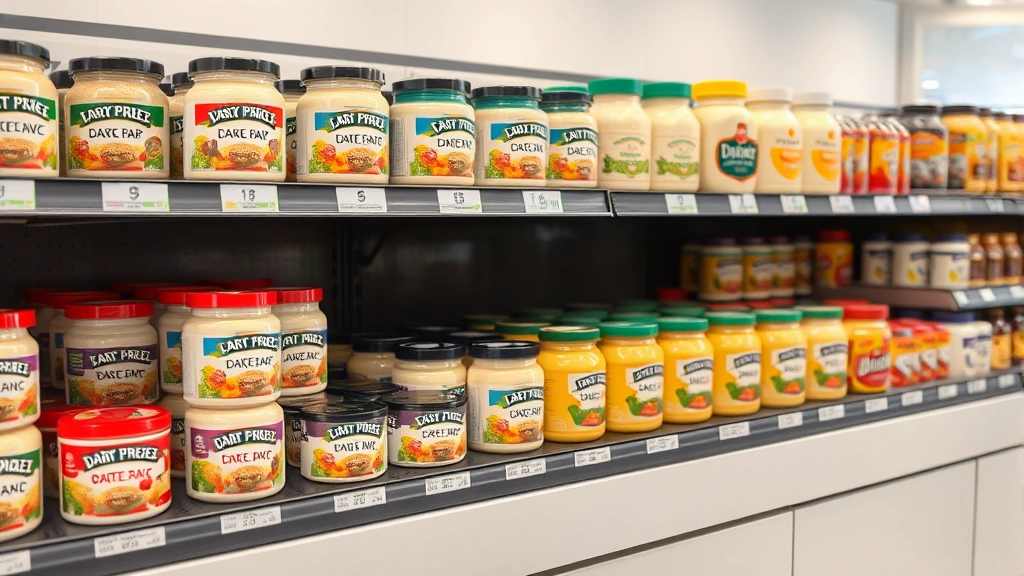
This is where shopping at a health food store actually pays dividends. Beyond the basic nutritional facts, the ingredient list reveals what separates a genuinely healthy choice from marketing fluff. Here’s what to look for—and what to avoid:
- Emulsifiers and Stabilizers: Ingredients like monoglycerides, diglycerides, and guar gum keep spreads smooth and prevent separation. While generally recognized as safe, some research suggests certain emulsifiers may affect gut bacteria. Not necessarily a deal-breaker, but worth considering if you have digestive sensitivity.
- Added Sugars: Many flavored spreads hide significant sugar content. “Honey butter” or “maple-flavored spreads” can contain 2-4 grams of added sugar per tablespoon. If you’re working on how to reduce sugar intake, reading labels becomes critical.
- Artificial Colors and Flavors: If the ingredient list includes FD&C colors or artificial flavoring compounds, you’re buying chemistry rather than food. Health food stores typically stock alternatives without these additives.
- Probiotics: Some cultured spreads contain live beneficial bacteria. These can genuinely support digestive health, but the number of live cultures varies widely. Look for “CFU” (colony-forming units) on the label—aim for at least 1 billion CFU per serving if this is your goal.
- Added Oils: Some spreads include vegetable oils to improve spreadability. While not inherently bad, this dilutes the nutritional benefits of the original dairy product and increases caloric density.
The ingredient list should ideally be short and readable. Traditional butter? Cream and salt. That’s it. If you need a chemistry degree to understand what’s in your spread, that’s valuable information in itself.
Comparing Popular Dairy Spread Options
Traditional Butter: The classic choice contains pure milk fat with minimal processing. Grass-fed butter offers higher levels of omega-3 fatty acids and conjugated linoleic acid (CLA), compounds with potential anti-inflammatory benefits. The downside? It’s 100% fat with no protein or fiber, so portion control matters.
Cream Cheese Spreads: These offer more volume for fewer calories due to their higher water content. They typically contain about 50% less fat than butter while still providing creaminess. Some brands add probiotics or reduce sodium, making them reasonable choices if you’re monitoring fat intake. However, they’re less nutrient-dense than butter.
Cultured Dairy Spreads: Fermented products like cultured butter or yogurt-based spreads may contain beneficial probiotics. The fermentation process can increase bioavailable nutrients and may support digestive health. These are genuinely interesting options if you’re interested in functional foods, though they often cost more.
Whipped Spreads: By incorporating air into the product, manufacturers reduce calories and fat per volume while maintaining spreadability. A tablespoon of whipped butter has about 60-70 calories versus 100 for regular butter. It’s not magic—you’re just getting less product—but it’s a legitimate strategy if volume matters to you.
Fortified Spreads: Some brands add vitamin D, omega-3 fatty acids, or plant sterols. These additions can be meaningful, particularly if you have specific nutritional gaps. However, the NIH suggests that getting nutrients from whole foods is often preferable to fortified products when possible.
Plant-Based and Vegan Alternatives
If dairy isn’t part of your diet, the spread options expand considerably. The plant-based diet benefits extend to spreads as well, with options like coconut oil, nut butters, and seed-based spreads offering different nutritional profiles.
Nut butters provide protein and fiber alongside healthy unsaturated fats—a genuinely different nutritional proposition than dairy spreads. Almond butter has about 3 grams of protein and 3 grams of fiber per tablespoon, making it more satiating. Coconut oil offers medium-chain triglycerides that some research suggests may support metabolic health, though it’s high in saturated fat.
Plant-based “butter” spreads made from oils and emulsifiers attempt to replicate butter’s texture without dairy. Quality varies dramatically. Some are essentially just oils with additives, while others incorporate nutritious additions like seeds or nuts. The key is checking whether the product delivers actual nutrition or just mimics texture.
If you’re preparing vegan meal prep recipes, having multiple spread options allows flexibility. Tahini provides calcium and minerals, avocado offers heart-healthy fats and potassium, and hummus adds protein and fiber. These whole-food options often outperform processed spreads nutritionally.
How to Choose the Healthiest Option for You
Here’s the reality: the “healthiest” dairy spread depends entirely on your individual health goals, dietary restrictions, and how you’re using it. Rather than seeking one universal answer, consider these practical guidelines:
If your priority is cardiovascular health: Focus on total dietary patterns rather than obsessing over a single spread. WebMD emphasizes that overall diet quality, physical activity, and stress management matter more than individual food choices. A cultured dairy spread with probiotics, consumed as part of a whole-grain breakfast with vegetables, supports heart health better than obsessing over fat grams.
If you’re managing digestive health: Probiotic-containing spreads or fermented options deserve consideration. The beneficial bacteria may support your microbiome, though adequate hydration is equally important—remember that the benefits of drinking water extend to supporting all digestive processes.
If weight management is your goal: Lower-fat options like cream cheese spreads or whipped varieties reduce caloric density. But here’s the nuance: slightly higher-fat spreads eaten in smaller portions might provide better satiety than larger portions of lower-fat alternatives. Test what actually works for your hunger and energy levels.
If you’re optimizing nutrient density: Grass-fed butter, cultured spreads with probiotics, and fortified options all add nutritional value beyond basic calories and fat. Pair them with nutrient-dense foods like whole grains, vegetables, and proteins for maximum benefit.
General best practices:
- Read the ingredient list before the nutrition label. If you don’t recognize the ingredients, research them.
- Compare spreads from the same category—butter to butter, cream cheese to cream cheese—rather than trying to rank completely different products.
- Consider the context. The same spread that’s problematic as your primary breakfast component might be perfectly fine as a condiment on a nutrient-dense meal.
- Quality matters. Grass-fed, organic, or minimally processed options typically offer better nutritional profiles than industrial alternatives.
- Portion awareness beats perfection. A tablespoon of high-quality butter spread mindfully is better than three tablespoons of “healthy” spread eaten unconsciously.
Frequently Asked Questions
Is butter healthier than cream cheese spread?
Not necessarily—they’re different products with different nutritional profiles. Butter is pure fat with fat-soluble vitamins; cream cheese spread has less fat but more water and sometimes added protein or probiotics. “Healthier” depends on your individual goals and how you’re using it.
Do dairy spreads contain probiotics naturally?
Traditional butter and cream cheese don’t contain probiotics. However, cultured dairy spreads made through fermentation do naturally contain beneficial bacteria. Check the label for “live cultures” or “CFU” counts if this is important to you.
How much dairy spread should I eat daily?
There’s no universal recommendation, but a reasonable guideline is 1-2 tablespoons per meal as part of a balanced breakfast. This provides flavor and satiety without excessive calorie or fat intake. More if you’re very active; less if you’re managing weight or cholesterol.
Are store-brand spreads as good as premium brands?
Quality varies within price ranges. Some store brands offer excellent products with minimal ingredients, while some premium brands are mostly marketing. Read the ingredient list and nutrition label regardless of price point.
Can I eat dairy spread if I’m lactose intolerant?
Most dairy spreads are very low in lactose since they’re primarily fat. However, some cream cheese spreads contain more lactose than butter. If you’re sensitive, test your personal tolerance or choose lactose-free alternatives. Cultured spreads may be easier to tolerate due to the fermentation process breaking down lactose.
Is grass-fed butter really better?
Grass-fed butter contains higher levels of omega-3 fatty acids, conjugated linoleic acid (CLA), and fat-soluble vitamins compared to grain-fed alternatives. Whether this difference is meaningful depends on your overall diet. If you rarely eat other omega-3 sources, grass-fed butter helps; if you eat fatty fish regularly, the difference is less significant.
What’s the difference between butter and margarine spreads?
Butter is a dairy product; margarine is typically made from vegetable oils. Modern margarine no longer contains harmful trans fats (in most countries), but butter offers superior nutritional density and fewer processed ingredients. Nutritionally, quality butter typically outperforms margarine.