
What Is a Health Circle? Expert Guide to Building Your Wellness Community
You’ve probably heard the phrase “you are the average of the five people you spend the most time with,” and while that might be a slight oversimplification, there’s real wisdom buried in there. The people around us genuinely influence our habits, our mindset, and ultimately, our health outcomes. Enter the concept of a health circle—a deliberately curated group of individuals committed to supporting each other’s wellness journey. It’s not just about having gym buddies or people to complain about diets with; it’s a structured approach to accountability, motivation, and sustainable lifestyle change.
A health circle represents something more intentional than a casual friend group. It’s a wellness-focused community where members actively participate in each other’s health transformation. Whether you’re looking to improve your fitness, manage stress, develop better eating habits, or achieve any wellness goal, a health circle provides the scaffolding you need. Think of it as your personal wellness board of directors—people who genuinely want to see you succeed and who you, in turn, support with equal enthusiasm.
In this comprehensive guide, we’ll explore what health circles actually are, why they matter, how to build one that actually works, and the science behind why they’re so effective. Let’s dive in.
What Exactly Is a Health Circle?
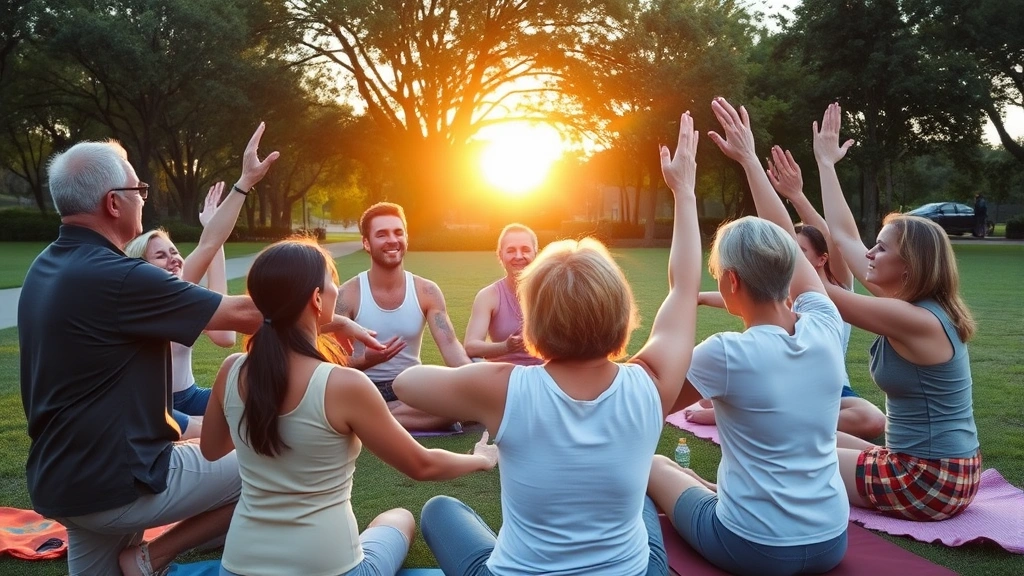
A health circle is essentially a small group of people—typically between 3 and 8 individuals—who come together with a shared commitment to improving their overall wellness. Unlike a formal support group or a gym class, a health circle is intimate, personalized, and flexible. Members can focus on different aspects of health, though they’re united by a common philosophy: mutual accountability and support.
The structure varies depending on the group’s needs. Some health circles meet weekly for fitness sessions, others might gather monthly to discuss nutrition and meal planning, while some maintain virtual check-ins throughout the week via messaging or video calls. What matters isn’t the format but the consistency and genuine investment each member has in the others’ success.
Think of it as the opposite of going solo on your health journey. Instead of relying purely on willpower and self-discipline—which, let’s be honest, can be exhausting—you’re tapping into collective energy, shared knowledge, and mutual encouragement. One person might be excellent at meal prep and can guide others, while another excels at motivating during tough workouts. Everyone brings something to the table.
The beauty of a health circle is its adaptability. It could be three coworkers committed to walking during lunch breaks, a group of parents supporting each other through postpartum fitness recovery, or friends united in their quest to develop better sleep habits. The specific health goals matter less than the commitment to showing up for each other.
The Science Behind Health Circles
The effectiveness of health circles isn’t just anecdotal—there’s solid science backing it up. Research in behavioral psychology and social medicine consistently demonstrates that social support significantly impacts health outcomes. A landmark study published in the American Journal of Public Health found that individuals with strong social connections have a 50% higher likelihood of surviving health challenges compared to those with weak social ties.
Accountability works on multiple levels. First, there’s the psychological phenomenon known as the social facilitation effect—people perform better on tasks when they know others are observing or evaluating them. When you know your health circle is checking in on your progress, you’re more likely to follow through on commitments.
Second, there’s the concept of social modeling. When you see people in your circle making healthy choices, your brain naturally gravitates toward mimicking those behaviors. This isn’t manipulation; it’s how our brains are wired. We’re social creatures who unconsciously adopt the habits and attitudes of those around us.
Third, health circles tap into intrinsic motivation. Unlike external motivation (“I’m exercising because I have to”), intrinsic motivation comes from within and is driven by connection and meaning. When you’re supporting others in your circle, you’re not just hitting personal goals—you’re part of something larger. That sense of purpose is remarkably powerful for long-term adherence.
Research from Stanford University also highlights the role of social accountability in habit formation. When people publicly commit to goals and have regular check-ins with others, their success rates increase dramatically. Health circles formalize this process, making accountability a structural feature rather than an afterthought.
Key Benefits of Having a Health Circle
1. Increased Accountability
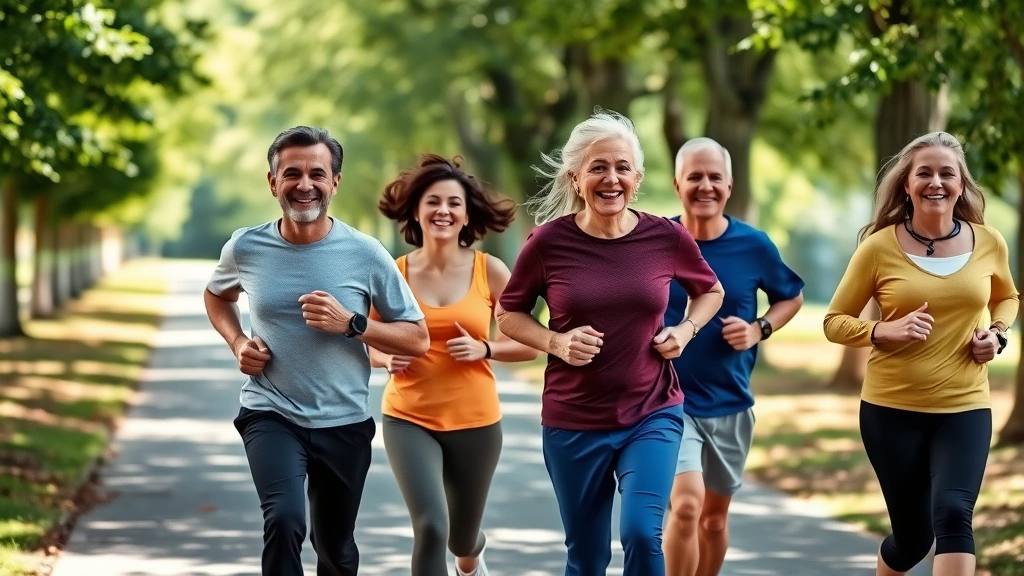
The most obvious benefit is accountability. It’s easy to skip a workout when no one’s watching, but when you know three friends are expecting you at 6 AM for your health circle’s running session, suddenly canceling feels different. This isn’t guilt-tripping; it’s leveraging positive social pressure to reinforce commitments you’ve already made to yourself.
2. Shared Knowledge and Resources
Your health circle becomes a collective brain. Someone might know about the best yogurt for gut health, while another has researched the latest sleep optimization techniques. Instead of each person individually researching everything, you’re pooling knowledge and saving time. This collaborative learning accelerates everyone’s progress.
3. Motivation and Inspiration
Health journeys have peaks and valleys. When you’re in a valley, your health circle reminds you why you started. Seeing someone else’s transformation, hearing about their breakthrough, or simply having people believe in you when self-doubt creeps in—these moments are invaluable. The group’s collective energy lifts everyone up.
4. Cost Efficiency
Many health circles share resources. Maybe you split the cost of a wellness app subscription, or someone in the group is a certified trainer who leads free sessions. You might share bulk-buy groceries or split a membership to a yoga studio. The financial aspect shouldn’t be underestimated, especially for people on tight budgets.
5. Stress Reduction
Knowing you’re not alone in your health struggles is psychologically powerful. There’s less shame, less isolation, and more understanding. When someone in your circle mentions struggling with how to manage stress at work, everyone gets it. That shared experience creates a safe space for honest conversations about the real challenges of maintaining wellness.
6. Better Long-Term Adherence
Statistics show that people who have social support are significantly more likely to stick with health changes long-term. A study from the National Institutes of Health found that individuals in supportive communities maintained lifestyle changes for years, whereas solo practitioners often reverted to old habits within months.
7. Holistic Health Perspective
A good health circle naturally encourages a comprehensive approach to wellness. One member might prioritize fitness, another focuses on nutrition, someone else emphasizes healthy sleep habits: how to improve your sleep quality. Through these varied perspectives, everyone develops a more balanced understanding of what true health entails—it’s not just about abs or running marathons.
How to Build Your Own Health Circle
Step 1: Identify Your Core Members
Start by thinking about people in your life who share your wellness values. These don’t have to be your closest friends—they should be people genuinely interested in improving their health. Look for individuals who are reliable, positive, and non-judgmental. Ideally, 3-5 people is the sweet spot. Too small and you lose diversity; too large and coordination becomes complicated.
Step 2: Have the Conversation
Don’t assume people will want to join. Have an honest conversation about what you’re envisioning. Explain that it’s not about perfection but about mutual support. Be clear about time commitments, frequency of meetings, and what you hope to achieve together. This clarity prevents mismatched expectations later.
Step 3: Define Your Focus
What’s the primary focus of your health circle? Is it fitness, nutrition, mental wellness, sleep improvement, or a combination? While health circles naturally become holistic, having an initial focus helps with planning and keeps meetings structured. You can always expand later.
Step 4: Establish a Meeting Cadence
Decide how often you’ll connect. Weekly is ideal for building momentum, but monthly works if everyone’s schedule is packed. Consider a mix of in-person and virtual check-ins. The consistency matters more than the frequency—monthly meetings you actually attend beat weekly meetings that keep getting rescheduled.
Step 5: Set Ground Rules
Establish guidelines for your health circle. What’s confidential? How do you handle it if someone misses meetings? What’s the tone—are you here to celebrate wins or support during struggles? Can you share advice, or is it more about listening? These ground rules prevent misunderstandings and create psychological safety.
Step 6: Create Accountability Mechanisms
This could be as simple as a shared spreadsheet tracking workouts, a group chat for daily check-ins, or formal monthly reviews where each person shares progress on their goals. The mechanism should feel natural to your group, not burdensome. The goal is support, not surveillance.
Step 7: Plan Your Activities
Will you exercise together? Meet to cook meals? Have accountability calls? Maybe you combine activities—a weekend hike followed by lunch where you discuss nutrition. Mixing structured activities with informal connection keeps things fresh and engaging.
Maintaining and Nurturing Your Circle
Building a health circle is one thing; keeping it thriving is another. Here’s how to ensure your circle remains effective and enjoyable:
Celebrate Wins, Big and Small
When someone hits a milestone, acknowledge it genuinely. Someone finally establishing a consistent benefits of drinking water routine? That’s worth celebrating. These celebrations reinforce positive behavior and make people feel seen and valued.
Adapt as Life Changes
Life isn’t static. Someone might get injured, another might change jobs, a third might have a baby. A healthy health circle adapts. Maybe you shift from in-person workouts to virtual check-ins temporarily, or adjust your focus. Rigidity kills groups; flexibility sustains them.
Handle Conflict Gracefully
If someone’s not pulling their weight or if interpersonal friction emerges, address it directly but kindly. Maybe someone’s going through a tough period and needs a break. Maybe the group’s focus isn’t aligning with their needs anymore. Open communication prevents resentment from festering.
Rotate Leadership
Don’t let one person become the organizer of everything. Rotate who plans meetings, chooses activities, or leads discussions. This distributes responsibility and ensures everyone feels ownership of the group’s success.
Keep It Fresh
After a few months, revisit your approach. Are the current meeting times still working? Should you try new activities? Is the focus still serving everyone? Periodic check-ins keep the group from becoming stale and ensure it’s actually meeting people’s needs.
Be Inclusive of Different Fitness Levels
Your circle will have people at different starting points. Someone might be returning to fitness after years away, while another is training for a marathon. Activities should accommodate different levels. This often means having modifications or parallel options so everyone’s challenged appropriately without feeling left behind.
Common Mistakes to Avoid
1. Being Too Prescriptive
Don’t turn your health circle into a dictatorship. If you’re constantly telling people what to eat or how to exercise, you’ll breed resentment. The power of health circles lies in peer support, not hierarchical instruction. Share information, yes; impose rules, no.
2. Ignoring the Mental Health Component
Health circles that only focus on physical metrics miss half the picture. Mental and emotional wellness matter just as much. Create space for discussing stress, anxiety, sleep quality, and emotional challenges. This is where the real magic happens—when people feel truly supported, not just monitored.
3. Not Setting Boundaries
Health circles can become consuming if boundaries aren’t clear. People shouldn’t feel obligated to share every meal or workout. There’s a difference between accountability and invasion of privacy. Everyone needs autonomy within the structure.
4. Allowing One Person to Dominate
Sometimes one person becomes the star—the one who’s always crushing goals, giving advice, or taking center stage. While celebrating this person’s success is great, ensure others feel equally valued. Everyone’s journey matters, regardless of pace or outcome.
5. Failing to Adapt When Something Isn’t Working
If meeting times consistently don’t work, if the focus isn’t resonating, or if the group dynamics feel off, address it. Groups that refuse to evolve eventually dissolve. Regular check-ins about what’s working and what isn’t prevent problems from accumulating.
6. Mixing Too Many Agendas
While health circles can address various wellness areas, trying to tackle everything simultaneously creates confusion. Start with 1-2 primary focuses, then expand as the group solidifies. This keeps meetings purposeful and manageable.
7. Overlooking the Role of how to improve posture and Physical Alignment
In health circles focused on fitness or overall wellness, don’t underestimate the importance of proper body mechanics. Posture affects everything from confidence to injury prevention. Including this in your collective knowledge strengthens everyone’s foundation.
Frequently Asked Questions
What’s the Difference Between a Health Circle and a Support Group?
Support groups typically address specific issues (addiction recovery, grief, chronic illness) and often have a facilitator or structured curriculum. Health circles are more peer-driven, informal, and focused on positive wellness goals rather than managing pathology. Health circles are about building something; support groups are often about processing or recovering from something.
Can Health Circles Work Virtually?
Absolutely. Virtual health circles work wonderfully, especially for people with geographic constraints or packed schedules. Video calls, messaging apps, and shared tracking tools make coordination seamless. Some people even prefer the virtual format because it feels less intimidating. The key is consistent connection, not the medium.
What If I Can’t Find People Interested in Joining?
Start with one person. Build from there. You could also explore existing communities—fitness classes, running clubs, yoga studios, or online wellness communities. Sometimes you don’t need to start from scratch; you just need to deepen connections with people already pursuing similar goals. Alternatively, apps and online platforms now connect people interested in health circles, making it easier to find your tribe.
How Long Does It Take for a Health Circle to Show Results?
You’ll notice motivational and accountability benefits almost immediately—sometimes within the first meeting. Physical or measurable health changes typically take 4-8 weeks to become noticeable. Long-term lifestyle transformation happens over months and years. The key is patience and consistency. Health circles excel at sustaining effort over time, which is where real change happens.
What If Someone in the Circle Isn’t Committed?
Address it compassionately. Maybe they’re overwhelmed or their priorities shifted. Have a private conversation to understand what’s happening. Sometimes people need a break but plan to return. Other times, it becomes clear they’re not aligned with the group’s values or pace. It’s okay to have a graceful exit strategy. Not every relationship is meant to last forever, and that’s fine.
Can Health Circles Replace Professional Help?
No. Health circles are fantastic for general wellness, motivation, and lifestyle change, but they’re not substitutes for medical care, therapy, or professional coaching. If someone has a serious health condition, eating disorder, significant mental health challenges, or injury, they need professional support alongside (not instead of) their health circle. The circle complements professional care; it doesn’t replace it.
How Do We Handle Disagreements About Health Approaches?
Health is nuanced, and people have different philosophies about nutrition, exercise, supplementation, and more. Establish a culture of curiosity rather than judgment. Share research, discuss different approaches, and recognize that what works for one person might not work for another. The goal is supporting each other’s journey, not converting everyone to the same methodology.