
What Is Pruitt Health? A Comprehensive Overview
When you hear the name Pruitt Health, you’re encountering one of the most significant names in senior care and rehabilitation services across the United States. But what exactly is Pruitt Health, and why should you care about understanding their role in the healthcare landscape? Whether you’re exploring options for a loved one, considering a career in healthcare, or simply curious about how modern senior care operates, this guide will walk you through everything you need to know.
Pruitt Health represents a substantial network of skilled nursing facilities and rehabilitation centers dedicated to providing compassionate care for seniors and individuals recovering from illness or surgery. With locations spanning multiple states, they’ve become a household name in long-term care, though many people don’t fully understand the scope of their services or what sets them apart in an increasingly complex healthcare market.
This comprehensive overview will help you navigate the world of Pruitt Health, exploring their services, history, career opportunities, and what you should consider when evaluating their facilities for yourself or a family member.
The Origins and History of Pruitt Health
Pruitt Health emerged from a commitment to revolutionize senior care in America. Founded with the vision of creating facilities that prioritize resident dignity, comfort, and quality of life, the organization has grown substantially since its inception. The company’s trajectory reflects broader trends in healthcare where there’s increasing recognition that aging populations deserve specialized, thoughtful care environments.
The healthcare industry has undergone dramatic transformations over the past few decades, and Pruitt Health has adapted alongside these changes. From implementing electronic health records to adopting evidence-based care protocols, they’ve positioned themselves as forward-thinking operators in the skilled nursing facility sector. Their expansion strategy has focused on acquiring and managing facilities that align with their care philosophy, rather than pursuing aggressive growth that might compromise quality.
Understanding this history matters because it shapes how Pruitt Health approaches everything from staffing decisions to facility design. A company’s origin story and values inform whether they’re truly committed to resident welfare or primarily focused on profit margins. Pruitt Health’s consistent expansion and reputation suggest they’ve managed to balance both, though like any large organization, they face ongoing scrutiny about care quality.
Understanding Their Service Model
Pruitt Health operates primarily within the skilled nursing facility (SNF) model, which occupies a specific and important niche in the healthcare continuum. These aren’t hospitals, though they provide medical care. They’re not independent living communities either, though residents may eventually transition to less intensive settings. Instead, skilled nursing facilities like those operated by Pruitt Health serve as the bridge between acute hospital care and either home-based recovery or long-term residential care.
The services offered at Pruitt Health facilities typically include nursing care, physical therapy, occupational therapy, speech-language pathology, and dietary services. Residents might be recovering from joint replacement surgery, managing complex medical conditions, or receiving post-acute rehabilitation following a hospitalization. The emphasis on rehabilitation distinguishes many Pruitt Health locations from purely custodial care settings.

What makes the Pruitt Health model distinctive is their emphasis on short-term rehabilitation and recovery. Most residents aren’t permanent fixtures; instead, they’re individuals working toward specific recovery goals with the intention of returning home or transitioning to another care setting. This focus creates a different institutional culture compared to facilities primarily serving long-term residents. Staff members are trained to think in terms of discharge planning and functional improvement from day one of admission.
The company also emphasizes interdisciplinary care teams, meaning physicians, nurses, therapists, and social workers collaborate on resident care plans. This collaborative approach, supported by modern electronic health record systems, helps ensure that care remains coordinated and responsive to changing needs. When you’re exploring health science careers, understanding how these teams function provides valuable insight into modern healthcare delivery.
Facilities and Geographic Reach
Pruitt Health operates numerous facilities across multiple states, primarily concentrated in the Southeast but with a growing national footprint. Each facility maintains the company’s standards while adapting to local community needs and preferences. The geographic diversity means that Pruitt Health serves varied populations, from rural communities with limited healthcare options to urban areas with robust medical infrastructure.
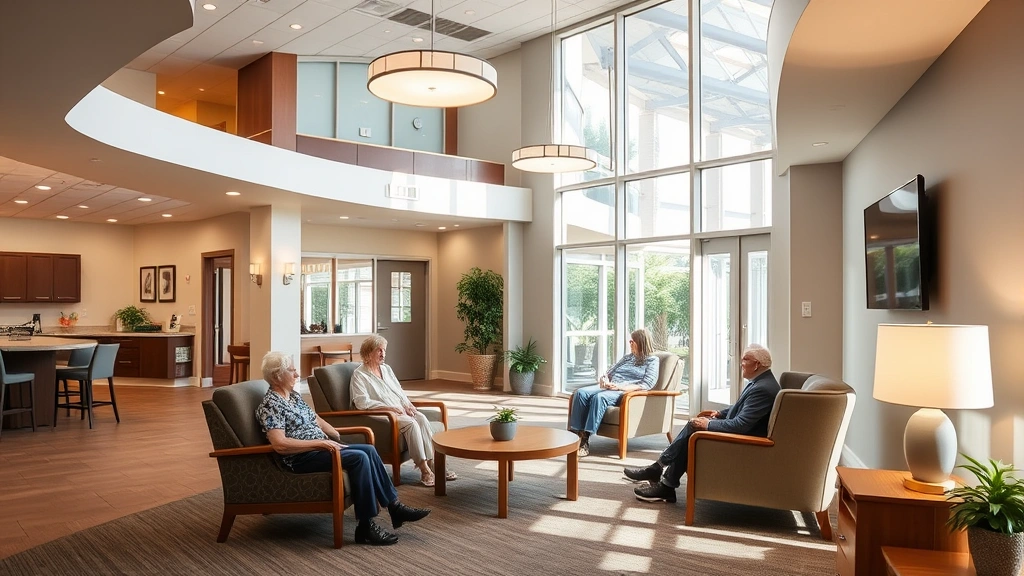
The physical environments themselves have evolved significantly. Modern Pruitt Health facilities incorporate design principles that promote healing and dignity. Rather than institutional-looking environments, contemporary locations feature homelike elements, natural lighting, accessible outdoor spaces, and common areas designed for social engagement. These environmental factors matter more than many people realize—research consistently shows that physical space influences recovery outcomes and resident psychological well-being.
When evaluating a specific Pruitt Health facility, location matters for practical reasons. Proximity to family members, access to specialized medical services, and community resources all influence the resident experience. The company’s multi-facility network means that some individuals might transition between locations based on their evolving care needs, or families might have options within their geographic area.

If you’re interested in the operational side of these facilities, exploring health administration jobs reveals how large healthcare networks like Pruitt Health manage multiple locations while maintaining consistent quality standards. The administrative infrastructure supporting dozens of facilities is substantial and requires specialized expertise.
Quality of Care Standards
Quality in healthcare is measurable but complex. Pruitt Health facilities are subject to federal regulations, state licensing requirements, and accreditation standards that create baseline expectations for care quality. Beyond these minimums, the company has implemented internal quality assurance programs, staff training initiatives, and performance metrics designed to ensure consistent, excellent care.
The Centers for Medicare & Medicaid Services (CMS) maintains publicly available data on skilled nursing facilities, including quality metrics, staffing ratios, and inspection findings. This transparency allows families and individuals to research specific Pruitt Health locations before making decisions. While no facility is perfect, patterns across multiple inspections reveal whether an organization prioritizes compliance and continuous improvement.
Staff expertise and retention significantly impact care quality. Pruitt Health invests in staff training programs, continuing education, and professional development opportunities. This commitment to workforce development reflects recognition that quality care depends fundamentally on having skilled, motivated employees. The company’s approach to home health care jobs near me and facility-based positions demonstrates their investment in recruiting and retaining talent.
For families considering Pruitt Health, quality assessment should include reviewing CMS data, reading resident and family feedback, asking about staffing ratios, understanding infection control protocols, and evaluating the facility’s approach to resident dignity and autonomy. These conversations with facility administrators reveal whether quality isn’t just a marketing message but an embedded organizational value.
Evidence-based care practices represent another quality indicator. Pruitt Health facilities increasingly implement protocols informed by research, such as how to improve posture through physical therapy programs that prevent falls and mobility complications. This commitment to evidence-based approaches distinguishes quality operators from those simply providing basic custodial care.
Career Opportunities at Pruitt Health
For healthcare professionals and support staff, Pruitt Health represents significant employment opportunities. The organization operates as a major employer in the skilled nursing sector, hiring nurses, therapists, physicians, administrators, and support personnel. Career paths at Pruitt Health span clinical roles requiring advanced education to support positions essential for facility operations.
Nursing positions represent the largest employment category. Registered nurses (RNs), licensed practical nurses (LPNs), and certified nursing assistants (CNAs) form the backbone of resident care. These roles involve direct patient care, medication administration, wound management, and coordinating with other healthcare professionals. For individuals pursuing community health worker jobs, skilled nursing facilities like those operated by Pruitt Health provide excellent training grounds and career progression opportunities.
Therapy positions—physical therapists, occupational therapists, and speech-language pathologists—drive the rehabilitation mission. These professionals design and implement individualized treatment plans, track progress toward functional goals, and adjust interventions based on resident response. The role of therapy in skilled nursing is particularly important because meaningful recovery depends on specialized expertise and consistent implementation.
Administrative and support roles keep facilities operating smoothly. Human resources, accounting, dietary services, housekeeping, maintenance, and administrative staff all contribute to the resident experience. These positions often provide entry points for individuals beginning healthcare careers or transitioning from other industries.
Career development at large healthcare organizations like Pruitt Health typically includes continuing education support, tuition reimbursement programs, and opportunities for advancement. Employees often appreciate the structure and resources available within established healthcare networks compared to smaller facilities. For those building careers in healthcare, the experience gained at a multi-facility organization like Pruitt Health enhances professional credentials and creates networking opportunities.
Resident and Family Experience
The resident and family experience at Pruitt Health facilities varies based on specific location, individual staff members, and organizational responsiveness to feedback. Like any large healthcare organization, consistency across multiple facilities presents ongoing challenges. However, the company’s emphasis on person-centered care and resident dignity suggests commitment to positive experiences.
Family involvement in care planning and decision-making enhances outcomes. Facilities that actively encourage family participation, communicate transparently about care progress, and respond to concerns tend to have higher satisfaction ratings. Pruitt Health’s policies generally support family involvement, though implementation quality depends on individual staff members and facility leadership.
Resident autonomy and choice represent important quality indicators. Do residents have input into daily schedules, meal preferences, activity participation, and care approaches? Can families visit flexibly? Are residents encouraged to maintain relationships and hobbies? These seemingly small details profoundly influence quality of life during a stay.
Communication about medical conditions, treatment plans, and progress should be clear, regular, and compassionate. Families often report anxiety about transitions to skilled nursing care, and excellent facilities address these concerns through education and transparent dialogue. Pruitt Health’s care coordinators and social workers ideally serve as trusted partners in navigating the healthcare journey.
Discharge planning represents another crucial aspect of the resident experience. The goal of most skilled nursing stays is recovery and return to prior living situations. Facilities should begin discharge planning from admission, working toward that goal systematically. This forward-thinking approach distinguishes rehabilitation-focused facilities from those prioritizing long-term resident retention.
Frequently Asked Questions
What’s the difference between Pruitt Health and other skilled nursing facilities?
Pruitt Health operates as one of several large skilled nursing operators, each with distinct philosophies and approaches. What potentially sets Pruitt Health apart includes their scale, enabling investment in technology and staff development; their geographic reach, providing options across multiple states; and their stated commitment to rehabilitation-focused care. However, quality varies by individual facility regardless of corporate affiliation, so evaluating specific locations remains essential.
How is Pruitt Health regulated?
Skilled nursing facilities operate under extensive federal and state regulations. The Centers for Medicare & Medicaid Services (CMS) oversees facilities receiving Medicare or Medicaid funding, conducting unannounced inspections and maintaining public databases of compliance records. State licensing agencies provide additional oversight. These regulatory frameworks establish minimum standards, but individual facilities may exceed requirements based on organizational priorities.
What should I consider when choosing a Pruitt Health facility?
Start by reviewing CMS quality data for specific locations, including staffing ratios, infection rates, and inspection findings. Visit facilities in person, observing staff interactions with residents and facility conditions. Speak with current residents and families about their experiences. Ask about care philosophy, staff training, rehabilitation programs, and family involvement policies. Consider location relative to your family network. Discuss financial arrangements and insurance coverage. Trust your instincts—the best facility feels like a place where your loved one will receive respectful, high-quality care.
Does Pruitt Health accept Medicare and Medicaid?
Most Pruitt Health facilities accept both Medicare and Medicaid, though specific coverage and payment arrangements vary. Medicare typically covers skilled nursing facility care for individuals meeting specific criteria following hospitalization. Medicaid coverage varies significantly by state. Private insurance and out-of-pocket payment also represent funding sources. Discussing financial arrangements directly with facility administrators ensures clear understanding of costs and coverage.
How can I find employment at Pruitt Health?
Pruitt Health maintains a careers website listing open positions at their facilities. Job seekers can search by location, position type, and experience level. The company hires for clinical roles including nursing and therapy positions, administrative roles, and support staff positions. Qualifications vary based on position requirements. Interested candidates should review specific job descriptions and application procedures on the official Pruitt Health careers portal.
What should I do if I have concerns about a Pruitt Health facility?
Start by communicating directly with facility management, as many concerns can be resolved through dialogue. If issues persist, contact your state’s long-term care ombudsman, an advocate specifically trained to address resident concerns. You can also file complaints with state licensing agencies or CMS. Document concerns in writing and maintain records of all communications. These formal channels exist to protect residents and ensure facilities maintain quality standards.
External Resources: