
Ten Worst Foods for Prostate Health: Expert Guide
Your prostate doesn’t make headlines until something goes wrong. Yet this walnut-sized gland quietly influences everything from urinary function to sexual health, making it worth protecting before problems develop. The tricky part? Many foods we consider harmless—or even healthy—might be working against your prostate’s wellbeing.
The relationship between diet and prostate health isn’t mysterious. Decades of research consistently show that what lands on your plate directly impacts prostate inflammation, hormone levels, and disease risk. The good news is that avoiding the worst offenders can meaningfully improve your odds of maintaining a healthy prostate throughout life.
This guide walks you through the ten worst foods for prostate health, explains the science behind why they’re problematic, and gives you practical alternatives. Whether you’re concerned about prostate cancer prevention, managing benign prostatic hyperplasia (BPH), or simply optimizing your health, understanding these dietary culprits puts real power in your hands.
Why Diet Matters for Prostate Health
The prostate produces seminal fluid and relies on a delicate hormonal environment to function properly. When you consume inflammatory foods, your body’s inflammatory markers spike—and the prostate is particularly vulnerable to systemic inflammation. Additionally, certain dietary patterns influence hormone levels, particularly testosterone and its more potent cousin DHT (dihydrotestosterone), which directly affect prostate growth and health.
Research from institutions like the National Cancer Institute demonstrates that men who follow Western dietary patterns—heavy in processed foods, red meat, and refined carbs—face significantly higher prostate cancer risk compared to those eating plant-forward diets. The mechanism isn’t just about inflammation; it’s also about oxidative stress, hormone metabolism, and the health of your gut microbiome.
Your dietary choices today create the biochemical environment in which your prostate thrives or struggles tomorrow. This isn’t fatalism—it’s opportunity. Understanding which foods undermine prostate health gives you concrete leverage to improve outcomes.

Red and Processed Meats
Red meat consistently ranks as one of the worst foods for prostate health, and the evidence is substantial. Multiple large-scale studies, including research published in the American Journal of Clinical Nutrition, link regular red meat consumption to increased prostate cancer risk. The culprits include heme iron (which generates harmful free radicals), saturated fat, and compounds formed during high-heat cooking.
Processed meats—bacon, sausage, deli meats, hot dogs—are even more problematic. These products contain nitrates and nitrites, preservatives that your body converts into carcinogenic nitrosamines. A single serving of processed meat daily increases prostate cancer risk by approximately 20-30%, according to Mayo Clinic research.
The issue compounds when you consider that red and processed meats are typically high in saturated fat, which promotes inflammation and disrupts hormone balance. If you currently eat beef, pork, or lamb several times weekly, gradually transitioning toward plant-based diet benefits can meaningfully reduce your risk profile.
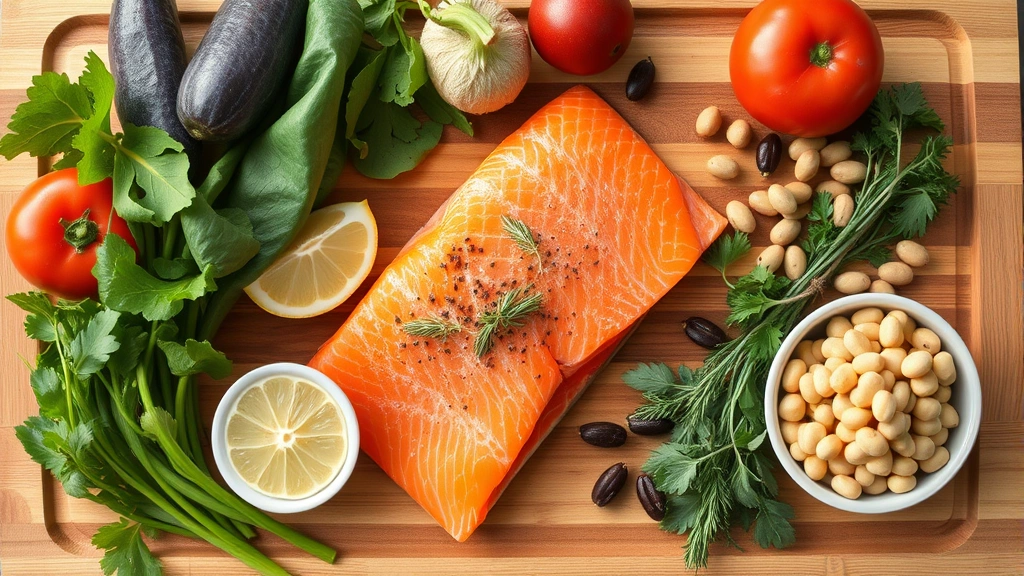
Better alternatives: Poultry, fish rich in omega-3s, legumes, tofu, and tempeh provide protein without the prostate-damaging compounds. A Mediterranean-style approach—emphasizing fish over meat—aligns perfectly with prostate-protective nutrition.
High-Fat Dairy Products
Whole milk, full-fat cheese, and butter represent another dietary red flag for prostate health. The concern centers on saturated fat and a specific milk protein called casein, which some research suggests may promote prostate cancer cell growth. Additionally, conventional dairy often contains hormones and antibiotics that can disrupt your endocrine system.
A landmark study in the Journal of the National Cancer Institute found that men consuming the highest amounts of dairy fat had a 34% increased risk of prostate cancer. The fat-soluble vitamin D in dairy is protective, but you can obtain this benefit from fortified plant-based alternatives without the problematic saturated fat.
The specific concern with high-fat dairy relates to its effect on insulin-like growth factor (IGF-1), a hormone that promotes cell proliferation. Elevated IGF-1 levels correlate with increased prostate cancer risk. While some IGF-1 is necessary, excessive levels—driven partly by high-fat dairy consumption—create an environment where prostate cells may grow abnormally.
Practical swap: Replace whole milk with unsweetened almond, oat, or soy milk. Choose low-fat Greek yogurt if you want dairy’s probiotic benefits. If you love cheese, enjoy it sparingly and opt for smaller portions of aged varieties, which have less lactose and fewer hormones.
Refined Carbohydrates and Sugar
White bread, pastries, sugary cereals, and refined grains spike blood sugar rapidly, triggering insulin surges that promote inflammation and hormonal chaos. Your prostate suffers directly from this metabolic disruption. High glycemic index foods essentially create a pro-cancer environment at the cellular level.
Sugar deserves special attention. When you consume excessive sugar, your body increases insulin production, which amplifies estrogen and IGF-1 levels—both problematic for prostate health. Additionally, refined carbohydrates feed harmful gut bacteria, compromising your microbiome’s ability to regulate inflammation and hormone metabolism. Learning how to reduce sugar intake directly protects your prostate and overall metabolic health.
The connection between obesity (often driven by refined carb consumption) and aggressive prostate cancer is particularly stark. WebMD notes that overweight men face higher prostate cancer mortality rates, partly because obesity increases inflammation and disrupts hormone balance.
Strategic replacements: Swap white bread for 100% whole grain or sprouted options. Replace sugary cereals with oatmeal topped with berries. Choose whole fruits over juice. These changes stabilize blood sugar, reduce inflammation, and support your prostate’s protective environment.
Trans Fats and Fried Foods
Trans fats—partially hydrogenated oils found in many fried foods, baked goods, and processed snacks—represent perhaps the most inflammatory category of dietary fats. Your body doesn’t recognize trans fats as legitimate fuel; instead, it treats them as foreign invaders, triggering systemic inflammation that inevitably affects your prostate.
Fried foods compound the problem through a process called advanced glycation end products (AGEs). When foods are deep-fried at high temperatures, proteins and sugars bind together, creating AGEs that your body recognizes as damage. Your immune system then launches an inflammatory response, creating an environment where prostate disease can flourish.
Restaurant french fries, fried chicken, donuts, and most commercial baked goods are primary culprits. Even foods labeled “baked” sometimes contain trans fats, so reading ingredient lists for “partially hydrogenated oils” is essential. Trans fats also reduce your body’s ability to absorb protective nutrients like vitamin E, leaving your prostate more vulnerable to oxidative damage.
Healthier cooking methods: Steam, bake, poach, or grill instead of frying. When you do cook with oil, choose heat-stable options like coconut oil or ghee. Air fryers provide a lower-fat alternative to traditional deep-frying.
Alcohol and Caffeine
Moderate alcohol consumption isn’t universally harmful, but excessive intake—particularly beer—irritates the prostate and disrupts hormone metabolism. Beer contains phytoestrogens that can elevate estrogen levels, while alcohol generally increases inflammation and taxes your liver’s ability to metabolize hormones efficiently.
More concerning is that alcohol impairs your body’s absorption of protective nutrients like zinc and selenium, minerals essential for prostate function. Additionally, alcohol acts as a diuretic, increasing urinary frequency and potentially irritating an already sensitive prostate.
Caffeine presents a more nuanced picture. While some studies suggest excessive caffeine worsens urinary symptoms in men with BPH, moderate consumption isn’t necessarily harmful. However, if you experience urinary urgency or frequency, reducing caffeine intake often provides relief. The mechanism involves caffeine’s diuretic properties and its potential to stimulate bladder muscle contractions.
Practical approach: Limit alcohol to one drink daily or less, and consider eliminating beer specifically. For caffeine, experiment with reduction if you have urinary symptoms—many men find that cutting coffee from four cups to one or two significantly improves prostate comfort.
Spicy Foods and Irritants
While capsaicin in chili peppers offers some anti-inflammatory benefits, excessive spicy food consumption can irritate the prostate and bladder, particularly in men with existing BPH or prostatitis. Hot peppers stimulate urinary urgency and frequency, creating discomfort that extends well beyond mealtime.
This doesn’t mean you must eliminate all spices—turmeric, ginger, and garlic offer genuine anti-inflammatory benefits. The issue is specifically with extreme heat levels. Men experiencing prostate symptoms often find that moderating spicy food intake significantly improves urinary comfort and nighttime urination patterns.
Beyond heat, other irritants include excessive black pepper and certain herbs that stimulate urinary output. If you’ve noticed a correlation between spicy meals and increased urinary symptoms, this is your body’s clear signal to dial back the heat.
Flavor alternatives: Use herbs like basil, oregano, thyme, and rosemary for taste without irritation. Garlic and ginger provide anti-inflammatory benefits without excessive heat. You’re not sacrificing flavor—just redirecting it toward compounds that support rather than irritate your prostate.
High-Sodium Foods
Excessive sodium consumption raises blood pressure and increases inflammation throughout your body, including your prostate. Additionally, high salt intake disrupts fluid balance, increasing urine production and bladder irritation—particularly problematic if you already experience urinary symptoms.
Processed foods represent the primary sodium source for most people. Canned soups, deli meats, frozen meals, and restaurant food contain staggering sodium levels—often 50% of your daily recommendation in a single serving. This chronic excess drives inflammation and hormonal disruption.
The connection between sodium and prostate health operates through multiple pathways. High sodium increases blood pressure, which impairs blood flow to the prostate and creates a hypoxic (low-oxygen) environment where inflammation thrives. Simultaneously, excess sodium promotes water retention, increasing bladder pressure and urinary frequency.
Sodium reduction strategy: Cook at home using fresh ingredients, where you control sodium levels. When buying packaged foods, compare sodium content and choose options with less than 400mg per serving. Use herbs and spices instead of salt for flavoring. Most people adapt to lower sodium within two weeks, after which salty foods taste unpleasantly strong.
Corn Oil and Omega-6 Heavy Oils
Modern vegetable oils—particularly corn, soybean, and sunflower oils—contain excessive omega-6 polyunsaturated fats. While some omega-6 is necessary, the ratio matters enormously. Ideal omega-6 to omega-3 ratios hover around 2-4:1, but Western diets often hit 20:1 or higher, creating a systemic pro-inflammatory state.
This inflammatory environment directly harms your prostate. Omega-6 fats metabolize into arachidonic acid, which your body converts into inflammatory compounds called eicosanoids. Excessive eicosanoid production is essentially lighting a slow fire throughout your body—and your prostate is particularly vulnerable.
Additionally, many vegetable oils undergo industrial processing involving high heat and chemical solvents, creating trans fats and oxidized compounds that further increase inflammation. These oils are ubiquitous in processed foods, making omega-6 excess nearly unavoidable without conscious effort.
Oil replacement guide: Cook with olive oil, avocado oil, or coconut oil instead. Consume fatty fish like salmon and sardines regularly to boost omega-3 intake. If you eat nuts and seeds, balance them with adequate omega-3 sources. This simple shift dramatically improves your inflammatory profile within weeks.
Pesticide-Laden Produce
While vegetables are generally protective for prostate health, conventionally grown produce often carries pesticide residues that act as endocrine disruptors. These chemicals mimic hormones in your body, interfering with natural hormone metabolism and promoting inflammation.
Certain produce carries particularly high pesticide loads: strawberries, spinach, kale, apples, and grapes. If budget constraints prevent buying all organic, prioritize these high-residue crops. Conversely, avocados, broccoli, and mushrooms have minimal pesticide residues even when conventionally grown.
The concern with pesticides isn’t just acute toxicity—it’s chronic, low-level exposure that subtly disrupts your endocrine system over years. For prostate health, this matters because your prostate is exquisitely sensitive to hormonal signals. Endocrine-disrupting pesticides essentially send confused signals that promote abnormal cell growth.
Practical purchasing: Prioritize organic for the “Dirty Dozen” high-residue crops. For lower-residue produce, conventional is acceptable. Thoroughly wash all produce under running water. Consider growing your own herbs and vegetables if possible—homegrown produce eliminates pesticide concerns entirely.
Charred and Grilled Meats
While we’ve discussed red meat generally, the cooking method deserves specific attention. When meat is exposed to high heat—particularly charring on a grill—heterocyclic amines (HCAs) and polycyclic aromatic hydrocarbons (PAHs) form. These compounds are carcinogenic and particularly damaging to prostate tissue.
The longer and hotter the cooking, the more HCAs and PAHs develop. A well-done grilled steak contains substantially more carcinogenic compounds than gently poached chicken. If you do eat meat, cooking method matters as much as meat type.
Marinating meat in antioxidant-rich marinades (using turmeric, rosemary, or red wine) before grilling reduces HCA formation by up to 90%, according to research from the National Institutes of Health. This simple step dramatically reduces the carcinogenic burden if you occasionally grill.
Safer cooking practices: Grill at lower temperatures for longer periods rather than high heat. Add antioxidant-rich marinades. Grill vegetables and fish instead of red meat. If you do grill meat, keep portions modest and balance with plenty of vegetables. Steam or poach as your primary cooking methods.
The pathway to prostate protection isn’t about perfection—it’s about meaningful dietary shifts that reduce inflammation, stabilize hormones, and support your body’s natural defense mechanisms. Every choice toward whole foods, plant-emphasis, and careful cooking methods accumulates into genuine health protection.
Frequently Asked Questions
Can I ever eat red meat if I’m concerned about prostate health?
Occasional red meat consumption (perhaps once monthly) won’t significantly harm your prostate if you maintain an otherwise healthy diet. The concern intensifies with regular consumption—several times weekly. If you enjoy red meat, limit portions to 3-4 ounces, choose lean cuts, and balance with abundant vegetables. Consider viewing red meat as an occasional indulgence rather than a dietary staple.
Are there specific foods that actively protect the prostate?
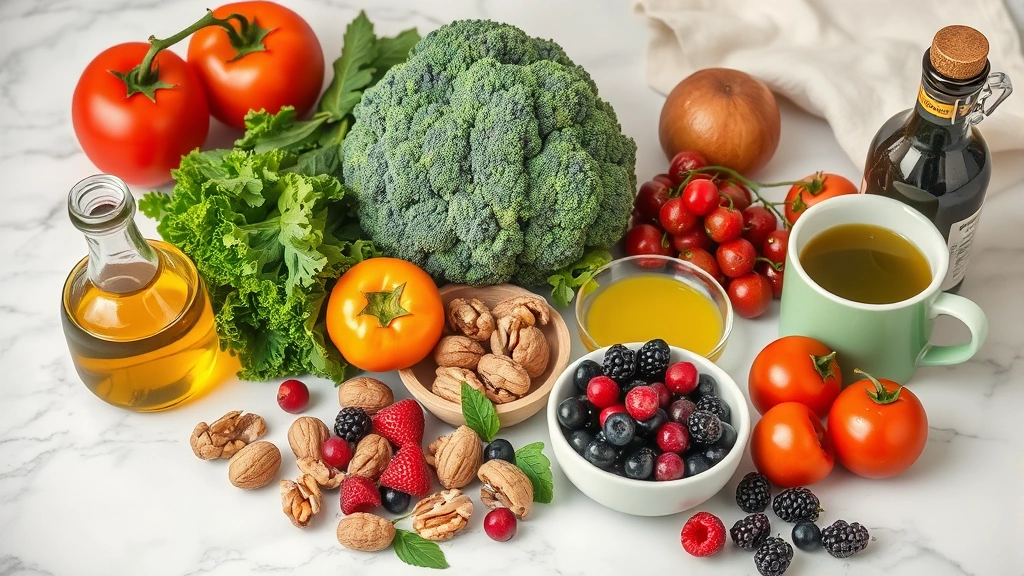
Absolutely. Tomatoes (particularly cooked, where lycopene becomes more bioavailable), cruciferous vegetables like broccoli and cauliflower, fatty fish rich in omega-3s, green tea, and pomegranate all offer strong prostate-protective compounds. Nuts, seeds, and legumes provide protective nutrients while replacing harmful foods. Best yogurt for gut health varieties support your microbiome, which influences prostate health through hormone metabolism pathways.
How long before dietary changes improve prostate health?
Inflammation reduction begins within days of eliminating inflammatory foods. Hormone metabolism improvements typically emerge within 2-4 weeks. More substantial benefits—particularly regarding cancer risk reduction—accumulate over months and years. Consistency matters more than perfection; small sustainable changes outperform dramatic short-term restrictions.
Does drinking water help prostate health?
Adequate hydration supports prostate function and urinary health, but excessive water consumption can increase urinary frequency and bladder irritation in men with BPH. Aim for 8-10 glasses daily unless you experience increased urinary symptoms, in which case slightly reducing intake may help. The key is finding your individual balance.
Are supplements necessary if I avoid these problematic foods?
A well-planned whole-food diet provides most nutrients your prostate needs. However, many men benefit from supplemental zinc, selenium, and vitamin D, particularly if dietary intake is insufficient. Consult with a healthcare provider before starting supplements, as some can interact with medications or create imbalances if taken excessively.
Can dietary changes help if I already have prostate issues?
Yes. Men with BPH often experience significant symptom improvement through dietary modification—particularly reducing irritants like caffeine and spicy foods while increasing anti-inflammatory foods. Men with prostatitis frequently find relief through similar dietary approaches. For prostate cancer, diet complements but doesn’t replace medical treatment; discuss dietary strategies with your oncology team.
How do I handle social situations while avoiding these foods?
Focus on what you can eat rather than restrictions. At restaurants, request grilled fish or chicken with vegetables. At social gatherings, bring a substantial dish you enjoy—it ensures you have healthy options and contributes to the meal. Most people respect health-conscious choices, and explaining prostate health concerns often generates understanding. You’re not being difficult; you’re being proactive about your wellbeing.
Should I follow how to improve posture recommendations alongside dietary changes?
While posture and diet address different health dimensions, both contribute to overall wellness. Poor posture can increase pelvic pressure and exacerbate urinary symptoms in men with prostate issues. Combining dietary optimization with good posture, regular movement, and stress management creates a comprehensive prostate-protective lifestyle.