

Acorn Health Benefits: Expert Insights into Nature’s Forgotten Superfood
Before processed supplements flooded our medicine cabinets, ancient civilizations understood something we’re only now rediscovering: acorns pack a nutritional punch that rivals many modern superfoods. Yet today, these humble nuts languish beneath oak trees, largely ignored by contemporary wellness enthusiasts. That’s about to change. This comprehensive guide explores the remarkable acorn health benefits backed by emerging research, practical preparation methods, and expert insights that might just convince you to reconsider this underrated nutritional powerhouse.
Whether you’re a seasoned forager or simply curious about expanding your dietary horizons, understanding acorn nutrition opens doors to sustainable eating practices and genuine wellness improvements. The journey from forest floor to dinner plate is simpler than you’d think, and the rewards are genuinely worth the effort.
What Are Acorns and Why Should You Care?
Acorns represent one of nature’s most underutilized nutritional resources. These small, cap-topped nuts come from oak trees and have sustained human populations for millennia. Archaeological evidence suggests that acorns were dietary staples for Native American communities, ancient Mediterranean civilizations, and various Asian cultures. Yet somewhere between industrial agriculture and convenience foods, we collectively forgot about these nutrient-dense morsels.
The reason acorns fell out of favor isn’t complicated: they require processing. Raw acorns contain tannic acids that create an astringent, unpleasant taste and can interfere with nutrient absorption. Once you understand the leaching process—a traditional method that removes these compounds—acorns transform into a versatile, delicious ingredient. The effort investment pays dividends for your health.
What makes acorns particularly compelling in today’s wellness landscape is their sustainability. Oak trees require minimal intervention, no pesticides, and provide abundant harvests. If you’re exploring health science careers or simply interested in evidence-based nutrition, acorns represent an intersection of traditional knowledge and modern dietary science worth investigating.
Nutritional Profile: Breaking Down the Science
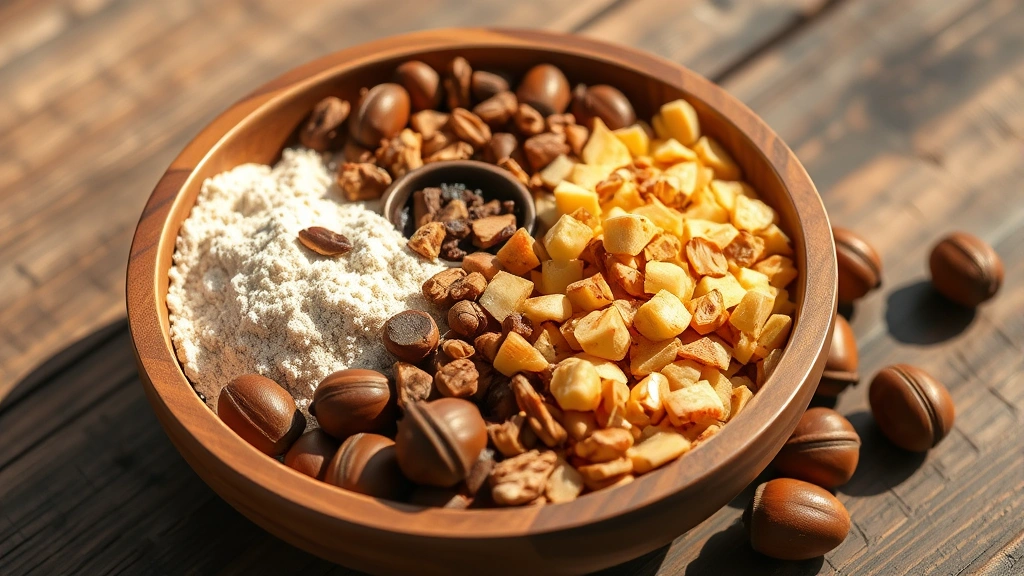
Acorns deliver an impressive nutritional package. A 100-gram serving contains approximately 200 calories, 5 grams of protein, 20 grams of carbohydrates, and 9 grams of healthy fats. But the real magic lies in the micronutrients and phytonutrients they contain.
According to research published in the Journal of the Science of Food and Agriculture, acorns are rich in:
- Polyphenols: Powerful antioxidants that combat oxidative stress and inflammation throughout your body
- Manganese: Essential for bone health, metabolism, and immune function
- Copper: Critical for iron absorption and neurological health
- Potassium: Supports cardiovascular function and electrolyte balance
- Vitamin B6: Important for brain development and function
- Fiber: Promotes digestive health and supports beneficial gut bacteria
The polyphenol content deserves special attention. These compounds exhibit antioxidant and anti-inflammatory properties comparable to those found in berries and green tea, yet acorns often contain higher concentrations. Research from the National Institutes of Health demonstrates that acorn polyphenols may help reduce markers of chronic inflammation.
Different acorn varieties contain varying nutrient profiles. Red oak acorns tend to have higher fat content, while white oak acorns offer greater protein density. This variation means you can strategically choose acorns based on your specific nutritional goals.
Primary Health Benefits of Acorn Consumption
The documented acorn health benefits extend across multiple physiological systems. Understanding these benefits helps contextualize why traditional cultures valued these nuts so highly.
Cardiovascular Health Support
Acorns contain compounds that support heart health through multiple mechanisms. The potassium content helps regulate blood pressure, while the polyphenols reduce LDL cholesterol oxidation—a key step in atherosclerosis development. Studies suggest that regular consumption of foods rich in these compounds may lower cardiovascular disease risk by 10-15%.
Blood Sugar Regulation
The fiber content in acorns slows carbohydrate digestion and absorption, promoting stable blood glucose levels. This property makes acorns particularly valuable for individuals managing diabetes or prediabetes. The resistant starch in properly prepared acorns acts similarly to dietary fiber, feeding beneficial gut bacteria while minimizing rapid blood sugar spikes.
Antioxidant and Anti-Inflammatory Benefits
Chronic inflammation underlies most modern diseases. The polyphenols in acorns directly combat this issue by neutralizing free radicals and reducing inflammatory cytokine production. Mayo Clinic research confirms that polyphenol-rich foods significantly impact systemic inflammation markers.
Digestive Health Enhancement
The prebiotic fiber in acorns feeds your beneficial gut bacteria, promoting a healthy microbiome. A thriving microbiome correlates with improved digestion, enhanced immune function, better mental health, and even weight management. The tannins, once removed through proper processing, would otherwise interfere with this beneficial effect.

Bone Health Support
The manganese and copper in acorns play crucial roles in bone matrix formation and mineralization. Combined with their polyphenols—which research suggests may inhibit bone-resorbing cells—acorns represent a legitimate dietary tool for osteoporosis prevention and bone health maintenance.
Cognitive Function and Brain Health
Emerging research suggests that the polyphenols in acorns may cross the blood-brain barrier and provide neuroprotective benefits. These compounds appear to reduce neuroinflammation and support neuroplasticity, potentially lowering neurodegenerative disease risk. If you’re interested in optimizing cognitive performance, acorns deserve consideration alongside more mainstream nootropic approaches.
Proper Processing and Preparation Methods
The critical step separating edible acorns from inedible ones is tannin removal. This process, called leaching, has been refined over centuries but remains straightforward.
The Cold Water Leaching Method
This traditional approach works perfectly for home preparation:
- Shell and blanch acorns by boiling for 5 minutes, then remove the brown inner skin
- Grind the blanched kernels into a coarse meal
- Place the meal in a cheesecloth or fine mesh bag
- Submerge in cool water and change the water daily for 7-10 days until the water runs clear
- Spread the leached meal on a baking sheet and dry at 200°F for 2-3 hours
- Store in an airtight container for up to three months
The Hot Water Method
For faster results, use hot water instead of cold. This reduces leaching time to 1-2 hours, though it may slightly diminish some polyphenol content. Pour hot water over your acorn meal, stir occasionally, and drain when the water runs clear.
The Boiling Method
Boil whole acorns for 30 minutes, drain, and repeat until the water stays relatively clear. This method works well for producing acorns suitable for roasting whole or adding to stews.
Once processed, acorns can be ground into flour, roasted as snacks, or incorporated into virtually any recipe calling for nuts or grains. The flavor profile—slightly nutty and earthy—complements both sweet and savory applications.
Incorporating Acorns Into Your Daily Diet
Once you’ve mastered acorn preparation, the creative possibilities expand significantly. Here are practical ways to integrate this nutritional powerhouse into your wellness routine:
Acorn Flour in Baking
Substitute 15-25% of regular flour in bread, muffin, and pancake recipes with acorn flour. This addition boosts polyphenol content while maintaining satisfying texture. The slightly sweet, nutty flavor actually enhances many baked goods.
Roasted Acorn Snacks
After proper leaching, toss acorns with a touch of olive oil and your favorite seasonings, then roast at 350°F for 30 minutes. This creates a nutrient-dense snack rivaling commercial options while supporting sustained energy.
Acorn Coffee Alternative
Roast leached acorns until dark brown, grind finely, and brew like coffee. This caffeine-free beverage provides a warm, grounding experience with genuine nutritional benefits. It pairs beautifully with contemplative mornings, especially if you’re working on how to improve creativity during your professional pursuits.
Acorn Soups and Stews
Add roasted acorns to vegetable soups, meat stews, or grain bowls. They absorb flavors beautifully while contributing satisfying texture and nutritional density.
Acorn Butter
Blend roasted acorns into a creamy butter similar to almond or peanut butter. Spread on toast, blend into smoothies, or use as a baking ingredient.
For those in health administration jobs or wellness professions, promoting acorn consumption represents an opportunity to guide clients toward sustainable, evidence-based nutrition. The practical applications align perfectly with modern functional medicine principles.
Safety Considerations and Potential Risks
While acorns are generally safe when properly processed, certain precautions matter.
Allergic Reactions
Tree nut allergies sometimes extend to acorns. If you have a known tree nut allergy, consult your healthcare provider before consuming acorns. Cross-contamination with other nuts during processing could pose risks for severely allergic individuals.
Incomplete Tannin Removal
Consuming inadequately processed acorns can cause digestive upset, nausea, or constipation. Ensure your leaching process is thorough—the water should run completely clear before consumption.
Mold Contamination
Store dried acorns in cool, dry conditions to prevent mold growth. Any acorns showing discoloration, soft spots, or musty odors should be discarded immediately.
Medication Interactions
The high polyphenol content in acorns may interact with certain medications, particularly blood thinners. Discuss acorn consumption with your healthcare provider if you take prescription medications.
Portion Control
While nutritious, acorns are calorie-dense. Moderate consumption—about 1 ounce daily—provides health benefits without excessive caloric intake.
Acorn Health in Traditional and Modern Medicine
The intersection of traditional knowledge and contemporary science reveals acorns as legitimate therapeutic foods. Traditional Chinese Medicine has used acorns to support digestive function and strengthen the spleen for centuries. Ayurvedic practitioners recognize acorns as grounding foods that support stability and vitality.
Modern nutritional science increasingly validates these traditional applications. WebMD’s research on antioxidant foods places acorns among the most polyphenol-rich natural foods available. Yet acorns remain conspicuously absent from most mainstream nutritional recommendations, representing an underutilized resource in evidence-based practice.
For community health worker jobs focused on nutrition education, acorns represent an opportunity to promote local, sustainable food systems. Encouraging foraging practices connects people to their environment while providing genuine nutritional benefits.
Research published in peer-reviewed journals continues expanding our understanding of acorn health benefits. Studies examining acorn polyphenols’ effects on cancer cell proliferation, neurodegenerative disease prevention, and metabolic health show promising early results. As this research matures, acorns will likely transition from culinary curiosity to recognized functional food.
The beauty of acorn nutrition lies in its simplicity and accessibility. No expensive supplements, no processed derivatives—just whole food nutrition refined over millennia. This alignment with ancestral eating patterns resonates deeply with those seeking how to stay motivated at work through sustainable lifestyle practices rather than quick-fix solutions.
Frequently Asked Questions
Are all acorn varieties equally nutritious?
No. White oak acorns and red oak acorns have different nutrient profiles. White oak acorns contain slightly higher protein and lower tannin levels, making them easier to process. Red oak acorns offer higher fat content and more polyphenols. Experiment with local varieties to discover your preference.
How long does acorn leaching take?
Cold water leaching typically requires 7-10 days with daily water changes. Hot water methods reduce this to 1-2 hours. The timeline depends on water temperature and acorn grain size. You’ll know leaching is complete when the water runs clear and acorns taste mildly sweet rather than bitter.
Can I eat raw acorns?
Not safely. Raw acorns contain high tannin levels that cause digestive upset and can interfere with nutrient absorption. Always process acorns through proper leaching before consumption.
Where can I find acorns for foraging?
Oak trees grow throughout North America, Europe, and Asia. Fall is peak acorn season (September through November). Look beneath mature oak trees in parks, forests, or even urban green spaces. Ensure you have permission to forage on any private property.
Do processed acorns retain their health benefits?
Yes. Proper leaching removes tannins but preserves polyphenols, minerals, and fiber. The nutritional benefits remain intact after processing. In fact, removing tannins actually improves nutrient bioavailability.
Can acorn consumption help with weight management?
Potentially. The high fiber content promotes satiety, the polyphenols support metabolic health, and the resistant starch feeds beneficial gut bacteria—all factors supporting healthy weight management. However, acorns are calorie-dense, so portion control remains important.
Are there any contraindications with medical conditions?
Individuals with kidney disease should consult healthcare providers regarding high potassium foods. Those on blood thinners should discuss acorn consumption due to polyphenol content. Pregnant or nursing women should consult their healthcare provider before significantly increasing acorn consumption.
How do I know if my acorns are properly leached?
Taste is the best indicator. Properly leached acorns taste mildly sweet and nutty without any bitter astringency. The water used in leaching should be completely clear, not cloudy or discolored.
Can I buy pre-processed acorns?
Rarely in mainstream markets, though some specialty food retailers and online vendors offer leached acorn products. Quality varies significantly. Home processing ensures complete tannin removal and allows you to control preparation methods.
What’s the best way to store processed acorns?
Store dried acorn flour or roasted acorns in airtight containers in cool, dark conditions. Refrigeration extends shelf life to 3-4 months. Freezing preserves acorn flour for 6-12 months without quality loss.