
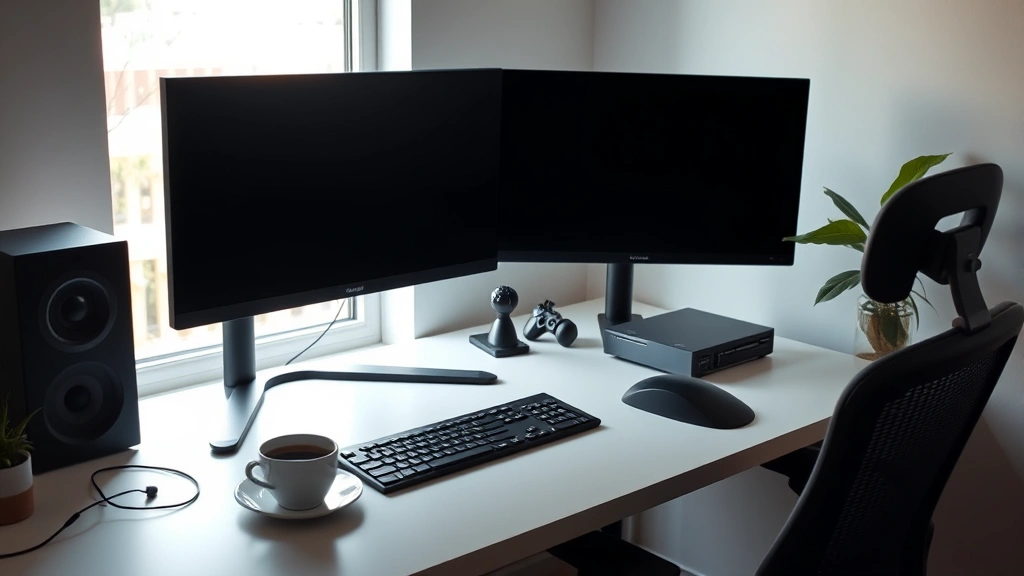
Geek Health Journal: Essential Insights and Tips for Tech-Savvy Wellness
If you’re someone who spends hours debugging code, grinding through gaming marathons, or deep-diving into the latest tech trends, you’ve probably noticed that your health sometimes takes a backseat to your passion projects. The geek lifestyle—characterized by intense focus, irregular sleep patterns, and marathon screen sessions—presents unique wellness challenges that deserve their own playbook. That’s where a geek health journal becomes your secret weapon.
A geek health journal isn’t your typical wellness tracker. It’s a personalized system designed specifically for people whose brains run hot and whose schedules defy convention. Whether you’re a software engineer, a hardcore gamer, a digital creator, or someone who just lives and breathes technology, this guide will help you document, track, and optimize your health without sacrificing the things you love.
The beauty of maintaining a geek health journal is that it transforms abstract wellness goals into concrete data points—something every tech-oriented person can appreciate. Instead of vague promises to “be healthier,” you’re collecting evidence, identifying patterns, and iterating on your personal health system. Let’s explore how to build one that actually works for your lifestyle.
Why Geeks Need Health Journals
The geek community operates differently than the general population. Your work or passion projects demand sustained cognitive load, your schedule might be completely inverted from traditional 9-to-5 rhythms, and your stress responses often manifest in ways that standard health advice doesn’t address. A conventional fitness journal won’t capture the nuances of your lifestyle—which is precisely why you need something customized.
Think of your geek health journal as a debugging tool for your body and mind. Just as you’d investigate why a system is underperforming by examining logs and metrics, a health journal lets you investigate why you’re experiencing brain fog, energy crashes, or burnout. It creates a feedback loop where you can test hypotheses, implement changes, and measure outcomes.
The cognitive demands placed on tech professionals and enthusiasts are significant. Boosting brain power requires intentional strategies backed by data from your personal experience. When you track how different sleep amounts, exercise routines, or dietary choices affect your focus and productivity, you’re essentially running an n-of-1 experiment on yourself. This is powerful because what works for the general population might not work for you.
Additionally, geeks tend to be highly motivated by measurable progress and optimization. A health journal transforms wellness from an abstract concept into a system you can continuously improve—much like refactoring code or optimizing a game’s performance. That’s inherently motivating for tech-minded individuals.
Understanding Screen Time Impact on Health
Let’s address the elephant in the room: screens. The average tech enthusiast spends 8-12+ hours daily staring at displays. This isn’t laziness or poor discipline—it’s often the nature of the work or passion. However, chronic screen exposure creates measurable health consequences that your journal should track.
Extended screen time is associated with digital eye strain, also known as computer vision syndrome. Symptoms include dry eyes, blurred vision, headaches, and neck pain. These aren’t minor inconveniences—they directly impact your ability to focus and perform. Improving concentration becomes nearly impossible when you’re battling eye discomfort.
Beyond ocular issues, screen time affects sleep quality through blue light exposure and circadian rhythm disruption. The blue wavelengths emitted by screens suppress melatonin production, making it harder to fall asleep even when you’re exhausted. Your journal should track screen time, particularly evening screen exposure, and correlate it with sleep quality metrics.
Research from the National Institutes of Health shows that blue light exposure within two hours of bedtime significantly delays sleep onset. Your geek health journal should document when you stopped working, what you did post-work, and how quickly you fell asleep. This data often reveals surprising patterns.
Posture deterioration is another screen-related concern. Hours hunched over a keyboard or gaming controller creates postural stress that accumulates into chronic pain. Neck, shoulder, and lower back problems are rampant in the geek community. Tracking posture awareness and pain levels helps you identify when intervention is needed.

Setting Up Your Geek Health Journal
Your journal format matters less than consistency and accuracy. Tech-oriented people often gravitate toward digital solutions, and that’s perfectly valid. You might use a spreadsheet, a dedicated app, a self-hosted solution, or even a traditional notebook—choose whatever system you’ll actually maintain.
The ideal geek health journal includes both quantitative data and qualitative notes. Quantitative entries might include sleep hours, exercise duration, water intake, and screen time. Qualitative entries capture context: how you felt, what you were working on, stress levels, and subjective energy ratings.
Start with a simple structure: daily entries with a consistent timestamp, a few key metrics, and a brief note section. Over time, you’ll naturally expand what you track as you discover which metrics matter most to your health and performance. This is the beauty of the journaling approach—it’s iterative.
Consider using a template approach. Create a standardized entry format that takes 2-3 minutes to complete. The lower the friction, the more likely you’ll maintain consistency. Many geeks find success with a modified bullet journal format adapted for health tracking, or a simple spreadsheet with rows for each day and columns for key metrics.
Your journal should also include weekly and monthly reflection sections. Every Sunday, spend 10-15 minutes reviewing the past week’s data. Look for patterns. Every month, assess whether your health interventions are working. This mirrors the sprint review concept from agile development—regular assessment and adjustment.
Key Metrics Worth Tracking
Not all metrics are created equal. Tracking too many metrics creates fatigue and reduces adherence. Start with these core metrics, then add others as you identify what matters most to your performance:
- Sleep metrics: Total hours, sleep quality (1-10 scale), time to fall asleep, wake-ups during night, and wake time
- Energy levels: Morning energy (1-10), afternoon energy, and evening energy
- Focus quality: Ability to concentrate (1-10), number of context switches, and deep work duration
- Screen time: Total hours, evening hours (after 7 PM), and breaks taken
- Physical activity: Exercise type, duration, and intensity
- Nutrition: Meals consumed, water intake, caffeine timing and amount, and dietary quality
- Stress levels: Subjective stress rating (1-10) and stress sources
- Mental health: Mood rating, anxiety levels, and motivation
- Pain or discomfort: Any physical issues, location, and severity
The key insight: these metrics should correlate with your primary health goals. If your goal is better focus and productivity, prioritize sleep quality, screen time breaks, and nutrition. If your goal is better mood and reduced anxiety, emphasize exercise, sleep, and stress management metrics.
Starting a journaling practice for health is easier when you focus on metrics that genuinely matter to you. Avoid tracking metrics just because they seem important. Track what actually impacts your wellbeing and performance.

Mental Wellness for the Digitally Obsessed
Geeks often struggle with unique mental health challenges. The constant connectivity, the pressure to stay updated with rapidly evolving technology, the perfectionist tendencies common in tech culture, and the social isolation that can accompany heads-down technical work all create psychological strain.
Your journal should track mental state indicators like mood, anxiety levels, motivation, and sense of purpose. Notice patterns: does your mood dip after particularly challenging debugging sessions? Do you experience anxiety spikes when facing new technology? Does motivation wane after extended periods of isolated work?
Burnout is particularly common in the tech industry. According to the American Psychological Association, burnout manifests as emotional exhaustion, cynicism, and reduced effectiveness. Your journal can serve as an early warning system. If your energy, motivation, and focus scores are consistently declining, burnout might be developing.
Consider adding a “creative energy” metric to your journal. Many geeks derive meaning from creative problem-solving and building things. When this energy is depleted, overall wellbeing suffers. Improving creativity requires protecting your mental resources and ensuring adequate recovery time.
Social connection is another critical factor. Despite the stereotype, most geeks benefit from social interaction. Your journal might track whether you had meaningful interactions, attended social events, or collaborated with others. Correlate these with your mood and motivation scores. Many tech professionals discover that isolation significantly impacts their mental health.
Mindfulness and meditation are evidence-based interventions for mental wellness. Track whether you practiced meditation or mindfulness, for how long, and how it affected your subsequent focus and stress levels. Mayo Clinic research demonstrates that regular meditation reduces anxiety and improves emotional regulation.
Physical Optimization Strategies
The geek lifestyle is notoriously sedentary. Your physical health journal should track not just formal exercise, but movement throughout the day. This includes desk stretches, standing breaks, walking meetings, and incidental activity.
Exercise doesn’t require gym membership or elaborate routines. Many tech professionals find success with home workouts, yoga, running, or strength training done in short sessions between work blocks. The key is consistency and tracking. Log what you did, for how long, and how you felt afterward. Notice which activities improve your subsequent focus and mood.
Posture deserves particular attention in your journal. Consider adding a daily posture check-in: Did you maintain good posture? How many times did you catch yourself slouching? Did you experience any neck, shoulder, or back pain? This awareness often naturally improves posture over time.
Standing desks, ergonomic chairs, and monitor risers are worthwhile investments if you spend 8+ hours daily at a desk. But investment in equipment means nothing without behavioral change. Your journal can track ergonomic adjustments and their impact on pain levels and comfort.
Recovery is often overlooked. Geeks typically prioritize output over recovery, but this creates a performance ceiling. Track recovery practices: stretching, foam rolling, massage, or rest days. Correlate recovery activities with your subsequent energy levels and focus quality.
Nutrition for Sustained Focus and Energy
Nutrition directly impacts cognitive performance, and your journal should track how different dietary choices affect your focus, energy, and mood. The challenge is that many geeks survive on caffeine and whatever’s convenient, leading to energy crashes and focus degradation.
Start by tracking what you eat and when. Don’t be obsessive about calorie counting unless that’s useful for your goals. Instead, focus on patterns: Do you skip breakfast and crash by 10 AM? Does eating heavy food impair your afternoon focus? Does caffeine timing affect your sleep? Does adequate protein improve your sustained energy?
Hydration is deceptively important. Mild dehydration impairs cognitive function more than most people realize. Track your water intake and notice whether increased hydration correlates with better focus and fewer headaches.
Caffeine deserves special attention for geeks, who often consume excessive amounts. Track caffeine timing, amount, and impact on focus and sleep. Many discover that their afternoon caffeine consumption is sabotaging their evening sleep, creating a vicious cycle of poor sleep and daytime fatigue.
Blood sugar stability is crucial for sustained focus. Meals combining protein, healthy fats, and complex carbohydrates provide steadier energy than simple carbohydrates alone. Your journal might track meal composition and correlate it with energy crashes and focus quality throughout the day.
Consider experimenting with intermittent fasting, if it appeals to you. Track your fasting schedule, how you felt during fasting periods, and whether it affected your focus or energy. This is exactly the kind of n-of-1 experiment your journal is designed for.
Sleep Protocols for Better Recovery
Sleep is where the magic happens for cognitive recovery. Yet many geeks treat sleep as an inconvenience to minimize rather than a performance enhancer to optimize. Your journal should make sleep tracking central to your health system.
Track basic sleep metrics: bedtime, wake time, total sleep duration, and subjective sleep quality. But also track variables that affect sleep: evening screen time, caffeine timing, exercise timing, stress level, and room temperature. This data often reveals that your sleep quality isn’t random—it’s influenced by specific behavioral choices.
WebMD research indicates that most adults require 7-9 hours of sleep for optimal cognitive function. Track your sleep duration and correlate it with your next day’s focus quality, mood, and energy. You might discover that you personally need 8.5 hours to function optimally, or that 7 hours is sufficient for you.
Establish a consistent sleep schedule. Your journal can track whether you maintained your target bedtime and wake time. Consistency matters more than total hours for circadian rhythm regulation. Even if you sleep 8 hours but at wildly different times each night, your sleep quality suffers.
Create a wind-down protocol and track adherence. This might include: no screens 60 minutes before bed, a warm shower or bath, reading, meditation, or journaling. Track which wind-down activities most effectively prepare you for sleep.
Room conditions matter. Track whether your bedroom was dark, quiet, and cool. Notice how these environmental factors correlate with sleep quality. Many geeks discover that blackout curtains, white noise machines, or temperature adjustments dramatically improve sleep.
If you struggle with sleep, your journal becomes diagnostic. Document when sleep problems occur, what preceded poor sleep nights, and what preceded good sleep nights. This pattern recognition often reveals the culprits—whether it’s a particular food, stress event, screen exposure, or physical factor.
Frequently Asked Questions
What’s the best format for a geek health journal?
The best format is whatever you’ll actually maintain consistently. Digital options like spreadsheets, apps, or self-hosted solutions work well for tech-oriented people. Some prefer paper notebooks. Start simple—don’t overcomplicate it. A basic spreadsheet with daily rows and metric columns takes just a few minutes to update and provides excellent data for pattern recognition.
How long should I keep my journal before seeing patterns?
Consistent tracking for at least 4 weeks begins revealing patterns. However, 8-12 weeks of data provides much stronger insights. Some patterns are seasonal or tied to work cycles, so 3-6 months of data is ideal for comprehensive understanding. The longer you track, the more actionable your insights become.
Should I track everything or just a few key metrics?
Start with 4-6 key metrics that directly relate to your primary health goals. Too many metrics create tracking fatigue and reduce adherence. As you establish consistency with core metrics, you can expand to additional tracking. Quality of data matters more than quantity of metrics.
How can I use my journal data to make actual improvements?
Review your data weekly and monthly, looking for correlations. If you notice that days with 8+ hours of sleep consistently have better focus scores, prioritize sleep. If afternoon caffeine correlates with poor sleep, eliminate it. Run small experiments: change one variable and track the impact over 2-3 weeks. Your journal becomes a tool for evidence-based personal optimization.
Is it obsessive to track health metrics this closely?
For geeks, tracking metrics is often motivating rather than obsessive. The data-driven approach appeals to analytical minds. However, if tracking creates anxiety or perfectionism, simplify. The goal is insight and improvement, not perfection. Your journal should support your wellbeing, not stress you out.
Can I use my geek health journal to improve my work performance?
Absolutely. Better sleep, exercise, nutrition, and stress management directly improve cognitive performance, focus, and creativity. Improving your writing and communication skills is easier when your brain is well-rested and properly fueled. Many geeks discover that health optimization is the highest-ROI investment they can make in their professional performance.
What if I miss days in my journal?
Missing days is normal. Don’t let perfection become the enemy of progress. If you miss a day or two, simply resume tracking. If you consistently miss days, your tracking system might be too complex. Simplify it. The goal is sustainable tracking, not perfect tracking.