

Why Is the Health Department Visiting? Understanding Reasons
There’s a knock on your door, and it’s someone from the local health department. Your heart skips a beat. Is this a routine inspection? A complaint investigation? A disease outbreak follow-up? The sudden appearance of health officials can trigger anxiety, confusion, and a flurry of questions—most of which boil down to one central concern: what does this visit mean?
The truth is, health department visits span a wide spectrum of purposes. Some are completely routine and expected; others are triggered by specific concerns or complaints. Understanding why they’re coming doesn’t just ease your mind—it helps you prepare appropriately, respond professionally, and maintain compliance with local regulations. Whether you’re a business owner, educator, or homeowner, knowing what to expect transforms uncertainty into informed readiness.
Let’s demystify the reasons behind health department visits and help you navigate this process with confidence and clarity.
Routine Inspections and Compliance Checks
The most common reason for a health department visit is routine inspection. If you operate a food service business, childcare facility, swimming pool, or other regulated establishment, periodic inspections are simply part of the landscape. These aren’t punishment; they’re preventive measures designed to ensure public safety and maintain industry standards.
Routine inspections typically follow a predictable schedule. Restaurants might face annual or semi-annual visits, while certain high-risk facilities could see inspectors more frequently. The frequency depends on your business type, previous compliance history, and local regulations. Understanding health inspection laws in your state gives you clarity on what to anticipate and when.
During these standard visits, inspectors evaluate whether your facility meets established health codes. They check documentation, observe practices, examine records, and assess physical conditions. The goal isn’t to catch you off-guard—it’s to verify ongoing compliance with safety protocols. Many facilities receive advance notice, though surprise inspections do occur to ensure authentic conditions are observed.
The outcome of routine inspections usually results in a report highlighting any deficiencies, ranging from minor violations requiring quick fixes to serious infractions demanding immediate corrective action. Most businesses view these inspections as opportunities to identify and address gaps before they become problems.
Response to Complaints and Reports
When someone files a formal complaint with the health department, an investigation typically follows. These complaints might involve food poisoning incidents, unsanitary conditions, pest infestations, or alleged violations of health codes. Unlike routine inspections, complaint-driven visits carry a different tone—they’re investigative in nature.
Complaints can come from customers, employees, neighbors, or anonymous sources. Common triggers include:
- Reports of foodborne illness outbreaks
- Allegations of unsanitary food preparation
- Pest or rodent sightings
- Inadequate waste disposal
- Improper temperature control of food items
- Staff illness or suspected contagious disease exposure
- Water quality concerns
When investigating complaints, health officials aim to determine whether violations actually occurred and assess the severity. They’ll interview staff, review records, observe current conditions, and potentially collect samples for laboratory testing. The investigation’s findings determine whether corrective action is required and what timeline applies.
It’s worth noting that not every complaint results in substantiated violations. Sometimes investigations conclude that conditions were appropriate or that alleged issues were misunderstandings. However, substantiated violations require documented remediation within specified timeframes.
Disease Investigation and Public Health Monitoring
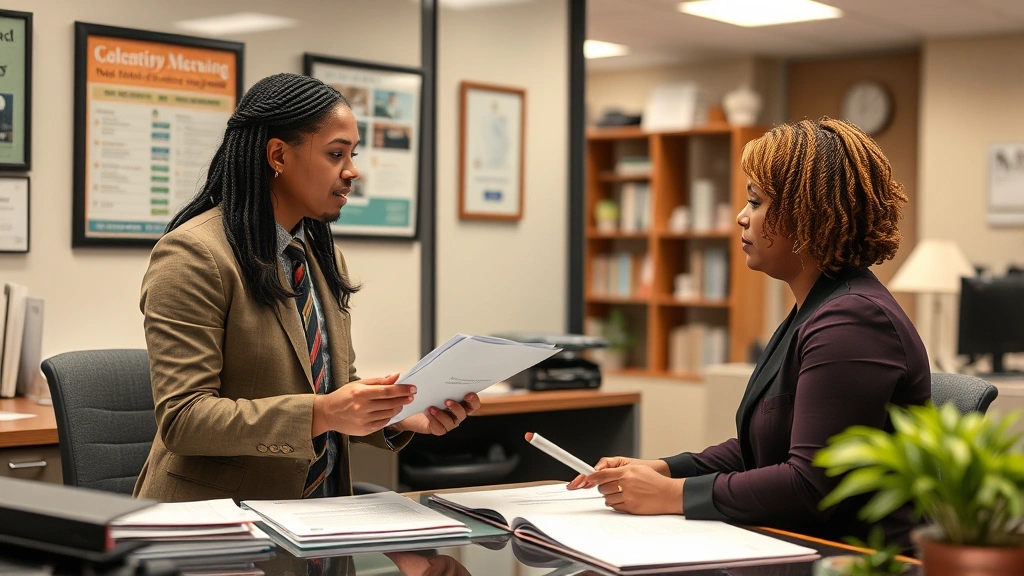
Health departments play a crucial role in disease surveillance and outbreak prevention. If you’ve had contact with someone diagnosed with a contagious disease, or if illness patterns suggest a potential outbreak, health officials might visit to gather information and assess risk.
During disease investigations, inspectors focus on:
- Identifying exposure sources and transmission routes
- Determining who else might have been exposed
- Collecting medical and exposure history information
- Assessing environmental conditions that might facilitate disease spread
- Recommending quarantine, isolation, or testing protocols
These visits are particularly common during respiratory illness seasons, foodborne illness clusters, or when investigating specific disease cases. School administrators often work closely with health departments during such investigations—that’s why understanding health and safety protocols in schools matters for educational leaders.
Public health monitoring also includes communicable disease surveillance. Health departments track disease patterns to identify emerging threats and coordinate prevention efforts. Your facility might receive educational materials, vaccination recommendations, or guidance on symptom screening based on current disease activity in your region.
The CDC maintains comprehensive guidance on communicable disease management, which informs local health department protocols. These visits, while sometimes concerning, serve the critical function of protecting community health.
Environmental and Sanitation Concerns
Environmental health represents a significant portion of health department activity. Water quality, air quality, hazardous waste disposal, and sanitation infrastructure all fall under this umbrella. If you operate a facility with these components—or if environmental concerns have been raised—expect investigation.
Common environmental triggers for health department visits include:
- Water system issues: Contamination reports, testing failures, or infrastructure problems
- Sewage and waste disposal: Improper handling, inadequate treatment, or environmental contamination
- Chemical storage and handling: Safety violations or spill incidents
- Air quality concerns: Emissions, ventilation failures, or odor complaints
- Vector control: Pest infestations or conditions attracting disease vectors
- Hazardous materials: Improper storage, labeling, or disposal
Environmental health inspectors assess whether your facility complies with state and federal environmental regulations. They verify that systems are properly maintained, records are accurate, and corrective measures address identified problems. Understanding local regulations—like those outlined in Will County Health Department guidelines—helps you stay ahead of potential issues.
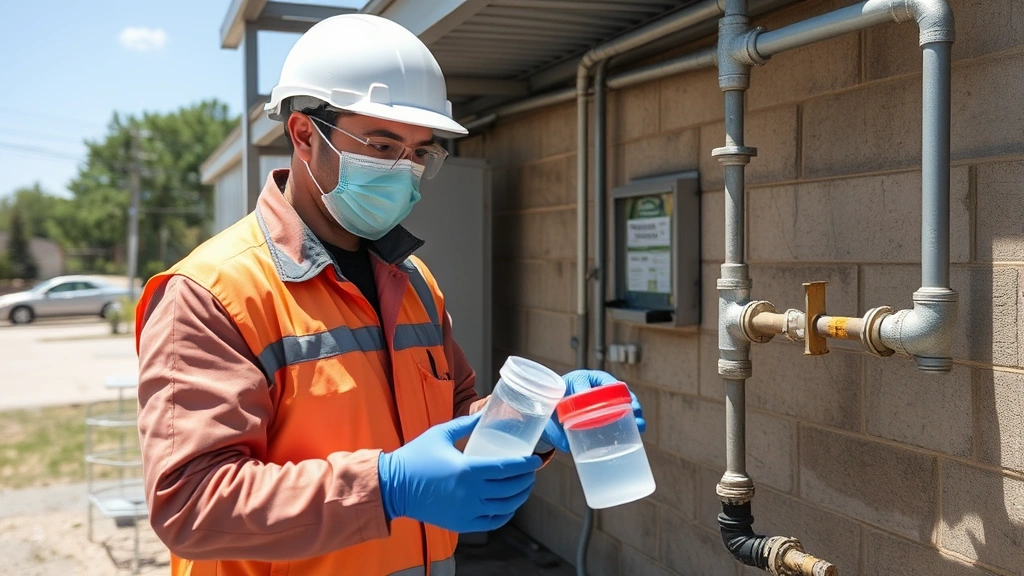
Many environmental violations stem from lack of awareness rather than negligence. Inspectors often provide educational guidance alongside violation notices, helping facility operators understand requirements and implement sustainable solutions.
Licensing and Permit Verification
Health departments issue and monitor licenses and permits for regulated facilities. Periodic verification visits ensure that licensed facilities maintain compliance with original licensing criteria. These visits confirm that:
- Licensed individuals remain qualified and current
- Facility conditions match what was approved during licensing
- Required training and certifications are current
- Records required by licensing standards are maintained properly
- No unlicensed individuals are performing regulated functions
Licensing verification visits differ from routine compliance inspections in their specific focus. Rather than comprehensive health code review, they target the particular standards relevant to your license type. A childcare facility license verification, for instance, focuses on child safety, staff qualifications, and developmental programming—different from a restaurant inspection’s emphasis on food safety.
When your license renewal approaches, expect a verification visit. Some jurisdictions conduct these automatically; others respond to renewal applications. Having documentation organized and accessible demonstrates professionalism and eases the process considerably.
What to Expect During a Visit
Knowing what happens during a health department visit reduces anxiety and helps you respond appropriately. Here’s a realistic overview:
Initial Contact: The inspector arrives and identifies themselves with credentials. They explain the visit’s purpose—routine inspection, complaint investigation, disease follow-up, or another reason. You have the right to request identification and understand the visit’s basis.
Facility Tour: The inspector reviews relevant areas—food preparation spaces in restaurants, sleeping areas in childcare facilities, water systems in municipal buildings. They observe current conditions, check equipment, review signage, and assess cleanliness and organization.
Record Review: Inspectors examine documentation including maintenance logs, training certificates, temperature records, cleaning schedules, and incident reports. Organized, accurate records demonstrate compliance and professionalism.
Staff Interviews: The inspector may ask staff questions about procedures, training, and recent incidents. Honest, straightforward responses support your facility’s credibility.
Sample Collection: Depending on the visit type, inspectors might collect water samples, food samples, or environmental swabs for laboratory testing. This provides objective data about conditions.
Findings Discussion: Before leaving, the inspector typically discusses preliminary findings and explains any violations identified. Ask clarifying questions about corrective timelines and procedures.
Documentation: You receive written documentation—inspection reports, violation notices, or investigation summaries. These become part of your compliance record and may be publicly available.
Your Rights and Responsibilities
Health department visits involve specific rights and responsibilities for both inspectors and facility operators. Understanding these protects you and ensures appropriate interactions.
Your Rights:
- Request identification from the inspector before proceeding
- Ask questions about the visit’s purpose and scope
- Request clarification about violations or concerns
- Request written explanations of findings
- Have a representative present during the inspection
- Request copies of all inspection reports and documentation
- Appeal violations through established procedures
- Know the timeline for corrective action
- Understand health care privacy regulations that may apply to your facility
Your Responsibilities:
- Cooperate fully with inspectors and investigations
- Provide accurate information and documentation
- Allow access to relevant facility areas
- Respond to violations within specified timeframes
- Implement corrective measures thoroughly
- Maintain compliance with health codes ongoing
- Report changes in facility operations or staff
- Notify the health department of significant incidents
When violations are identified, understand the difference between notice of violation and citation. Some violations require immediate correction; others allow reasonable remediation timeframes. The inspection report specifies which category applies to each violation and the corrective process.
If you disagree with findings, most jurisdictions provide appeal procedures. Document your perspective, gather supporting evidence, and follow established protocols. Many misunderstandings resolve through clear communication and documentation.
Understanding that healthcare terminology and requirements vary across contexts helps you communicate more effectively with health department officials, especially if your facility operates in the healthcare sector.
Frequently Asked Questions
Can health department inspectors visit without notice?
Yes, surprise inspections are common and legal. They ensure that inspectors observe authentic conditions rather than specially prepared facilities. However, most routine inspections follow predictable schedules. Complaint investigations and disease follow-ups often occur with limited notice. Your facility’s operating hours mean inspectors can visit during business times without advance warning.
What happens if violations are found?
Violations receive classification based on severity. Minor violations might require correction within 30 days; serious violations demand immediate attention. The inspection report specifies corrective timelines and procedures. You must document corrective actions and may require a follow-up inspection to verify compliance. Failure to correct violations can result in fines, license suspension, or legal action.
Can I refuse a health department inspection?
Generally, no. Health departments have legal authority to conduct inspections of regulated facilities. Refusing entry can result in legal consequences, including fines or closure orders. However, you can request that inspectors follow proper procedures and respect your rights. If you believe an inspection is inappropriate or conducted improperly, document everything and consult legal counsel.
How long does a typical inspection take?
Duration varies significantly based on facility size, complexity, and visit type. Routine restaurant inspections might take 30 minutes to two hours. Larger facilities or comprehensive investigations can extend several hours. Disease investigations might involve multiple visits and interviews. Ask the inspector for a time estimate when they arrive.
Are inspection reports public information?
Yes, in most jurisdictions. Health inspection reports are public records available through freedom of information requests or health department websites. Many departments publish inspection results online, making them accessible to the public. This transparency protects consumers and encourages compliance across facilities.
What should I do if I receive a violation notice?
First, read it carefully and understand what’s being alleged. Request clarification if anything is unclear. Photograph or document current conditions if you believe the violation is inaccurate. Implement corrective measures according to the specified timeline. Keep detailed records of all corrective actions. If required, schedule a follow-up inspection to verify compliance. Never ignore violation notices—doing so compounds problems significantly.
Can I have legal representation during an inspection?
Yes. You have the right to have a representative present. This might be an attorney, manager, or designated staff member. However, having legal representation present can sometimes escalate tension. Assess your situation carefully. For routine inspections, an educated manager typically suffices. For investigations involving potential legal implications, legal representation becomes more important.
What’s the difference between a health department visit and a licensing agency visit?
Health departments focus on public health, safety, and sanitation compliance. Licensing agencies verify that facilities meet specific licensing criteria and that licensed personnel maintain required qualifications. Some visits combine both functions, while others are distinct. The inspector’s identification and the visit documentation clarify which agency is conducting the visit.