

Montrose Regional Health: Services and Facilities Overview
Nestled in the heart of Colorado’s Western Slope, Montrose Regional Health stands as a beacon of comprehensive medical care for the surrounding communities. This integrated healthcare system has evolved significantly over the decades, transforming from a single facility into a multi-service network that addresses the diverse health needs of rural and frontier populations. Whether you’re seeking acute care, specialty services, or preventive wellness programs, understanding what Montrose Regional Health offers can help you navigate your healthcare journey with confidence and clarity.
The organization’s commitment extends beyond traditional hospital walls. They’ve woven themselves into the fabric of the region’s health infrastructure, offering everything from emergency services to chronic disease management. For anyone considering a career in healthcare or seeking information about how regional health systems operate, Montrose Regional Health provides an excellent case study in rural healthcare excellence.
Understanding Montrose Regional Health
Montrose Regional Health represents the backbone of healthcare delivery in Montrose County and surrounding areas. As a critical access hospital and integrated health system, it operates under a unique model designed specifically for rural communities. This designation allows the facility to maintain essential services that might otherwise be economically unsustainable in less densely populated regions.
The system’s evolution reflects broader trends in regional health systems across America. Rather than operating in isolation, Montrose Regional Health collaborates with larger health networks and academic medical centers to ensure patients have access to cutting-edge treatments and specialized expertise. This cooperative approach means that residents don’t always need to travel hundreds of miles for quality care.
Understanding the structure of Montrose Regional Health requires recognizing how it balances multiple roles. It functions simultaneously as an emergency department, acute care facility, outpatient clinic hub, and community health partner. This multifaceted approach addresses the reality that rural populations face unique healthcare challenges, including geographic isolation, provider shortages, and limited specialty access.

Core Services and Specialties
The breadth of services at Montrose Regional Health extends across numerous medical disciplines. Primary care services form the foundation, offering family medicine, internal medicine, and pediatric care that serve as the entry point for most patients. These services are critical because they provide continuity of care and help prevent more serious health complications from developing.
Specialty services available through the system include orthopedic surgery, general surgery, cardiology consultation, and obstetric care. Women’s health services deserve particular mention, as obstetrics and gynecology represent essential services that many rural hospitals have eliminated in recent years. The fact that Montrose Regional Health maintains a robust OB/GYN department means expectant mothers in the region can deliver locally rather than facing long-distance travel during labor.
For those interested in how healthcare delivery systems are organized and staffed, exploring health science careers provides insight into the diverse professionals required to maintain these services. Radiologic technologists, registered nurses, laboratory specialists, and countless other roles work together to deliver comprehensive care.
The system also offers behavioral health and mental health services, recognizing that psychological wellness is inseparable from physical health. This integrated approach helps address the growing mental health crisis affecting rural communities, where access to psychiatric care has historically been severely limited.
Facilities and Infrastructure
Montrose Regional Health operates from a modern, well-equipped main hospital facility that underwent significant renovations and expansions in recent years. The physical infrastructure reflects contemporary standards for patient safety, infection control, and clinical efficiency. Modern diagnostic imaging equipment, including CT scanning and digital radiography, enables rapid and accurate diagnosis of acute conditions.
Beyond the main hospital, the system operates multiple clinic locations throughout the region, bringing primary and specialty care closer to patients’ homes. This distributed model reduces travel burden and improves healthcare accessibility for rural residents who might otherwise delay seeking care due to distance concerns.
The facility’s operating rooms are equipped for both routine and complex surgical procedures. The surgical team includes board-certified surgeons and anesthesiologists who maintain rigorous standards for patient safety and surgical outcomes. For individuals exploring hospital careers, these surgical departments represent dynamic work environments where clinical skills are constantly challenged and refined.
Laboratory and pathology services operate 24/7, ensuring that critical test results are available when clinicians need them most. Blood banks maintain adequate supplies for emergency transfusions, and pharmacy services ensure medication availability and safety monitoring for inpatients and outpatients alike.
Emergency and Acute Care
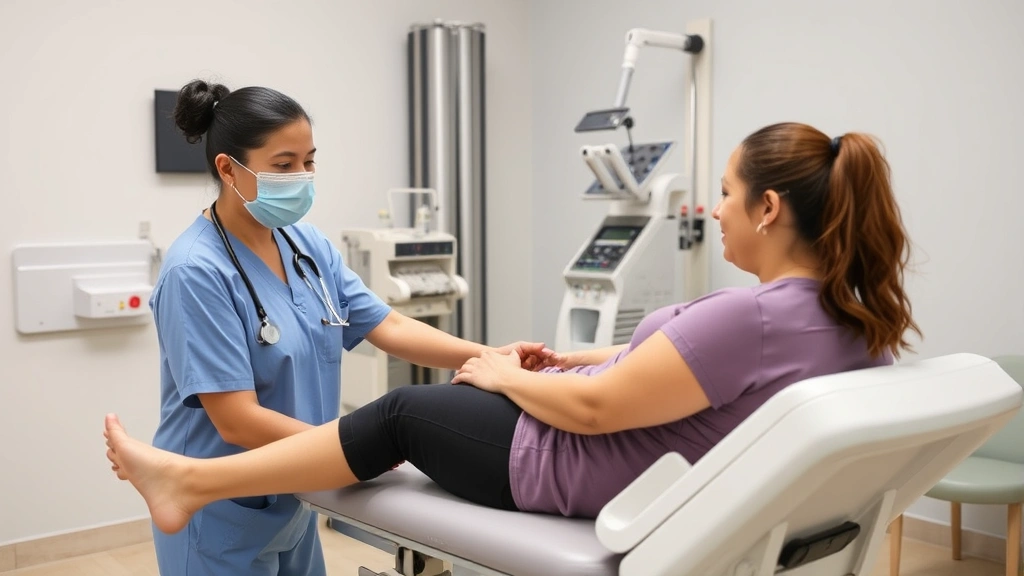
The Emergency Department at Montrose Regional Health operates as a true lifeline for the region. Available round-the-clock, the ED handles everything from minor injuries and acute illnesses to life-threatening emergencies. Staffing includes emergency medicine physicians, trauma nurses, and support personnel trained in advanced life support protocols.
Trauma care capabilities are particularly important given the region’s geography and population distribution. Mountain terrain, rural highways, and outdoor recreation activities create trauma cases that require immediate skilled intervention. The ED maintains protocols for rapid stabilization and, when necessary, coordination with regional trauma centers for cases requiring higher levels of intervention.
The acute care inpatient units maintain bed capacity for patients requiring overnight hospitalization. Conditions ranging from acute infections to post-operative recovery to management of chronic disease exacerbations are handled by nursing staff trained in acute care protocols. Telemetry monitoring allows continuous cardiac assessment for patients at risk of arrhythmias or other cardiac complications.
Stroke and cardiac chest pain protocols ensure that time-sensitive conditions receive appropriate rapid response. Evidence demonstrates that minutes matter in both acute myocardial infarction and acute ischemic stroke, and Montrose Regional Health has invested in staff training and equipment to minimize door-to-treatment times.
Specialty Programs and Treatment Centers
Beyond basic acute care, Montrose Regional Health has developed specialized programs addressing common health concerns in the region. Orthopedic surgery services handle fractures, joint replacements, and sports medicine injuries. Given the region’s outdoor recreation culture, orthopedic expertise represents a particularly valuable resource for the community.
Cardiology services, available through both in-house physicians and telehealth consultations with specialists, help manage heart disease, hypertension, and arrhythmias. Cardiac rehabilitation programs support patients recovering from heart attacks or cardiac procedures, using supervised exercise and education to optimize recovery and prevent recurrence.
The system’s commitment to comprehensive care is evident in how it addresses health and wellness holistically. Diabetes management programs, smoking cessation support, weight management services, and nutrition counseling reflect an understanding that chronic disease prevention and management require multidisciplinary approaches.
Cancer care services coordinate screening, diagnosis, and treatment. While complex oncology cases may require referral to larger cancer centers, Montrose Regional Health provides chemotherapy administration, radiation therapy planning, and supportive care services. This allows many cancer patients to receive treatment locally while maintaining connections to their family and community.
According to Mayo Clinic’s overview of cancer care, comprehensive treatment often requires coordination among multiple specialists, which Montrose Regional Health facilitates through tumor boards and multidisciplinary care teams.
Outpatient and Preventive Services
Preventive medicine forms a cornerstone of Montrose Regional Health’s mission. Routine physical examinations, age-appropriate cancer screenings, immunization programs, and chronic disease monitoring help identify and manage health issues before they become acute problems. Primary care physicians work with patients to establish personalized prevention plans based on individual risk factors and health history.
Immunization services extend beyond routine childhood vaccines to include adult vaccinations, travel medicine immunizations, and seasonal flu shots. These services represent critical public health functions that protect both individuals and communities through herd immunity.
Women’s health services include mammography for breast cancer screening, cervical cancer screening, and bone density assessment for osteoporosis risk. Men’s health programs address prostate cancer screening, cardiovascular risk assessment, and age-appropriate preventive care.
Respiratory and pulmonary services help manage asthma, chronic obstructive pulmonary disease, and other lung conditions. Pulmonary function testing and other diagnostic capabilities enable precise assessment of lung health and optimization of treatment plans.
The system’s approach to healthcare emphasizes patient education and engagement. When patients understand their health conditions and actively participate in their care, outcomes consistently improve. Health literacy programs, support groups, and educational seminars help patients develop the knowledge and skills needed to manage their health effectively.
Healthcare Career Opportunities
Montrose Regional Health serves as a major employer in the region, offering diverse career opportunities for healthcare professionals. For individuals exploring health administration jobs, the system’s leadership and management positions oversee clinical operations, financial management, quality improvement, and strategic planning.
Clinical positions span the full spectrum of healthcare professions. Registered nurses work across inpatient units, emergency departments, surgical suites, and outpatient clinics. Licensed practical nurses, nursing assistants, and patient care technicians support nursing care delivery. Respiratory therapists, medical laboratory technologists, radiologic technologists, and other allied health professionals round out the clinical team.
Medical staff includes physicians, nurse practitioners, and physician assistants who diagnose and treat patients across multiple specialties. Pharmacists and pharmacy technicians ensure medication safety and optimization. Mental health professionals including licensed clinical social workers, psychologists, and psychiatric nurses address behavioral health needs.
Administrative and support roles—from medical records specialists to billing and coding professionals to human resources staff—keep the organization functioning smoothly. Facilities management, dietary services, and housekeeping teams ensure a safe, clean, and well-maintained environment for patients and staff.
For those interested in rural healthcare careers, Montrose Regional Health offers the opportunity to make a meaningful difference in a close-knit community while developing diverse clinical skills. Rural hospitals often provide broader exposure to multiple specialties than larger urban centers, making them excellent training grounds for developing well-rounded clinical expertise.
Patient Experience and Community Impact
Beyond clinical metrics, Montrose Regional Health’s impact is measured through patient satisfaction, community health outcomes, and the organization’s role as a community anchor. The system actively engages with schools, businesses, and community organizations to promote health and wellness throughout the region.
Community education programs address topics ranging from chronic disease management to maternal health to mental health awareness. Health fairs, screening events, and wellness workshops bring healthcare information directly to community members.
The organization’s commitment to addressing social determinants of health—factors like food security, housing stability, and transportation access that profoundly affect health outcomes—sets it apart as a community-minded institution. Case managers work with patients to connect them with community resources that support overall wellbeing.
Research demonstrates that social determinants of health account for the majority of premature deaths in the U.S., making this community-engaged approach increasingly important for improving population health.
Telehealth services expand access to specialty expertise and allow patients to receive care without traveling long distances. This technology has become increasingly important, especially in rural areas where geographic barriers to care have historically limited access to specialized services.
Financial assistance programs help ensure that inability to pay doesn’t prevent patients from accessing necessary care. Charity care programs, financial counseling, and partnerships with government assistance programs work together to remove financial barriers to treatment.
Frequently Asked Questions
What is a critical access hospital designation?
A critical access hospital is a Medicare designation for rural hospitals with 25 or fewer beds that meet specific criteria. This status allows rural hospitals to receive enhanced Medicare reimbursement rates, helping them remain financially viable while maintaining essential services that might otherwise be discontinued. The designation recognizes the unique challenges rural hospitals face in serving geographically dispersed populations.
Does Montrose Regional Health offer 24/7 emergency services?
Yes, the Emergency Department operates around the clock, seven days a week. Emergency services are available for any urgent or emergent health conditions. For life-threatening emergencies, call 911 for immediate dispatch and transport to the facility.
Can I choose my primary care physician at Montrose Regional Health?
The system works with patients to establish relationships with primary care physicians who coordinate their overall healthcare. Availability varies based on practice capacity, but patients typically have input into their provider selection when possible.
Does the hospital offer maternity services?
Yes, Montrose Regional Health maintains a robust obstetric program offering prenatal care, labor and delivery services, and postpartum care. Women have the option to deliver locally rather than traveling during labor.
Are specialty services like cardiology and orthopedics available?
The system offers multiple specialty services including cardiology, orthopedic surgery, general surgery, and others. Some specialized services may involve consultation with specialists or referral to larger regional centers for complex cases.
How does Montrose Regional Health handle patients needing higher levels of care?
For cases requiring capabilities beyond what the facility offers, Montrose Regional Health coordinates transfers to appropriate higher-level facilities. The system maintains relationships with regional medical centers and trauma centers to ensure seamless transitions and continuity of care.
What insurance plans does Montrose Regional Health accept?
The facility accepts most major insurance plans, Medicare, and Medicaid. Financial counselors can discuss coverage options and help patients understand their benefits and out-of-pocket costs.
How can I find a provider at Montrose Regional Health?
The system’s website provides provider directories with specialty information, office locations, and contact details. Patients can also call the main hospital number for assistance locating a provider.