

What Is One Brooklyn Health? Expert Overview
If you’ve been navigating Brooklyn’s healthcare landscape, you’ve probably heard the name One Brooklyn Health floating around. It’s not just another health system—it’s a bold reimagining of how community healthcare can work in one of America’s most diverse boroughs. But what exactly is it, and why should you care? Let’s dig into the details.
One Brooklyn Health represents a significant shift in how healthcare organizations approach serving underserved communities. Rather than operating in silos, this integrated network brings together multiple healthcare entities under one unified mission: delivering accessible, high-quality care to every resident, regardless of their zip code or bank account. It’s the kind of healthcare evolution that sounds good in theory but requires serious infrastructure, commitment, and coordination to pull off.
The beauty of understanding One Brooklyn Health lies in recognizing how it differs from traditional hospital systems. This isn’t just about merging logos or consolidating administrative offices. It’s about fundamentally changing how care is delivered, how resources are shared, and how communities access the healthcare they deserve.
What Is One Brooklyn Health?
One Brooklyn Health is an integrated healthcare delivery system serving Brooklyn’s residents through a coordinated network of hospitals, clinics, and health services. Think of it as a healthcare ecosystem designed to work together rather than compete. The system combines the strengths of multiple institutions to create a more efficient, patient-centered approach to medicine.
At its core, One Brooklyn Health operates on a straightforward principle: healthcare should be accessible, affordable, and effective for everyone. The system manages multiple hospital locations, urgent care facilities, and community health centers that collectively serve millions of patient encounters annually. What makes this approach distinctive is the emphasis on integration—patients can move seamlessly through different levels of care without unnecessary bureaucratic friction.
The system serves as a safety-net provider, meaning it has a commitment to treating patients regardless of their ability to pay. This is particularly significant in Brooklyn, where neighborhoods like East Flatbush, Sunset Park, and Williamsburg have substantial populations that historically faced barriers to quality healthcare access.
History and Formation
Understanding One Brooklyn Health requires knowing how it came to be. The system emerged from a strategic consolidation designed to strengthen healthcare delivery in one of New York City’s most populous boroughs. Rather than happening overnight, this integration represented years of planning, negotiation, and careful coordination between different healthcare entities.
The formation of One Brooklyn Health reflected broader trends in healthcare where larger networks provide better negotiating power, more resources for technology investment, and improved ability to coordinate complex patient care. But beyond the business rationale, the creation of this system was driven by a recognition that Brooklyn’s residents deserved better—more coordinated care, shorter wait times, and healthcare providers who understood their communities.
The consolidation brought together institutions with deep roots in Brooklyn communities, combining their expertise and resources. This wasn’t about erasing individual identities but rather leveraging collective strength to serve patients better. Each component brought valuable capabilities, whether specialized services, community relationships, or clinical expertise.
Key Components and Services
One Brooklyn Health operates through several major components that work together to provide comprehensive care. The system includes multiple hospital campuses offering everything from emergency services to specialized surgical programs. These aren’t cookie-cutter facilities—each location has distinct strengths and focuses on serving its immediate community while being part of the larger integrated network.
Beyond hospitals, the system manages an extensive primary care network with clinics throughout Brooklyn. These clinics serve as the foundation of the healthcare delivery model, handling routine check-ups, chronic disease management, preventive care, and health maintenance. Primary care is where most patient interactions happen, and One Brooklyn Health has invested significantly in expanding and improving these services.
Specialty services represent another critical component. The system offers cardiology, orthopedics, oncology, mental health services, addiction medicine, women’s health, and numerous other specialties. By consolidating these services under one system, One Brooklyn Health can better coordinate care for patients with complex conditions requiring multiple specialists.
Emergency departments across the system handle urgent and emergent conditions, while urgent care facilities provide a middle ground for issues that need prompt attention but don’t require full emergency department resources. This tiered approach helps manage patient flow and ensures emergency departments focus on truly emergent cases.

Community Impact and Mission
The mission driving One Brooklyn Health goes beyond typical corporate healthcare language. The system explicitly commits to serving Brooklyn’s most vulnerable populations, including uninsured and underinsured residents, immigrants, and communities historically underserved by the healthcare system. This commitment isn’t just aspirational—it’s baked into how the system allocates resources and makes clinical decisions.
Community health is a central focus. One Brooklyn Health invests in programs addressing social determinants of health—the non-medical factors that profoundly influence health outcomes. This includes housing stability programs, food security initiatives, mental health services, and addiction treatment. The system recognizes that healthcare happens in clinics and hospitals, but health is determined by what happens in people’s lives outside those settings.
The system also prioritizes health equity, actively working to identify and eliminate disparities in care. This means examining data to understand which populations experience worse outcomes and implementing targeted interventions. Whether it’s improving maternal health outcomes in specific neighborhoods or addressing cardiovascular disease disparities, One Brooklyn Health takes a data-driven approach to equity.
Cultural competency is another pillar of the mission. Brooklyn’s population speaks dozens of languages and comes from hundreds of cultural backgrounds. One Brooklyn Health invests in interpreter services, culturally tailored health education, and hiring healthcare workers who reflect the communities they serve. This isn’t just good practice—it’s essential for providing effective care.
Primary Care and Network Access
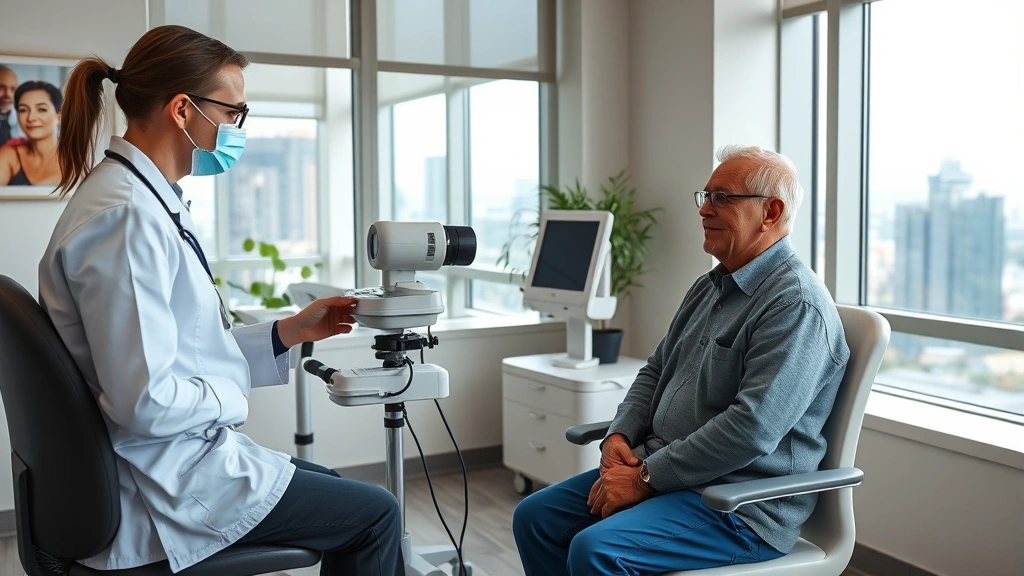
Primary care forms the backbone of One Brooklyn Health’s approach. Rather than relying primarily on hospital-based care, the system emphasizes accessible primary care clinics where patients can establish ongoing relationships with providers. This model improves health outcomes and reduces unnecessary emergency department visits and hospitalizations.
The network includes dozens of primary care locations distributed across Brooklyn’s neighborhoods. This geographic distribution is deliberate—the goal is ensuring no Brooklyn resident has to travel excessive distances to access basic healthcare. Many clinics offer extended hours, weekend availability, and same-day appointments for urgent needs.
Primary care providers within One Brooklyn Health function as care coordinators for their patients. Rather than working in isolation, they’re connected to the broader system through electronic health records and care coordination teams. When a patient needs a specialist referral, imaging, lab work, or hospitalization, the system facilitates smooth transitions and ensures good communication between providers.
Preventive care is emphasized throughout the network. This includes routine screenings, vaccinations, health maintenance visits, and counseling about lifestyle modifications. By catching health issues early and helping patients prevent disease, the system reduces the burden of serious illness and improves population health outcomes.
Strategic Partnerships and Collaborations
One Brooklyn Health doesn’t operate in a vacuum. The system has developed strategic partnerships with other healthcare institutions and community organizations to expand its capacity and reach. These collaborations allow the system to access specialized services, research opportunities, and expertise that might be difficult to maintain independently.
Partnerships with academic medical centers provide opportunities for clinical research and access to cutting-edge treatments. Collaborations with community-based organizations extend the system’s reach into neighborhoods, helping identify patients who need care and connecting them with services. These partnerships reflect recognition that healthcare institutions alone can’t address all the factors influencing health.
The system also collaborates with organizations like Chase Brexton Health Services, which serves specialized populations with particular healthcare needs. Similarly, relationships with institutions like Luminis Health Doctors Community Medical Center demonstrate how regional health systems can work together. Additionally, the system learns from models like Newark Community Health Center, which has pioneered community-centered healthcare approaches.
Professional development partnerships are also significant. The system collaborates with educational institutions to support health science careers and workforce development. This includes internship programs, residency training, and continuing education. By investing in the next generation of healthcare workers, One Brooklyn Health helps ensure a pipeline of providers committed to community health.
Training partnerships through organizations like Health Care Academy help develop the healthcare workforce and ensure providers have the skills needed for modern, integrated care delivery.
Challenges and Solutions
Operating an integrated healthcare system in a complex urban environment presents real challenges. One Brooklyn Health must navigate the complexities of serving a diverse population with significant social needs while managing the financial realities of healthcare delivery. These aren’t minor obstacles—they’re fundamental tensions that require thoughtful, ongoing problem-solving.
Financial sustainability represents a significant challenge. Safety-net providers typically care for higher proportions of uninsured and Medicaid patients, which generates lower revenue than commercial insurance. One Brooklyn Health addresses this through a combination of strategies: negotiating better payment rates, improving operational efficiency, pursuing grant funding, and advocating for policy changes that better support safety-net healthcare.
Workforce challenges are real. Healthcare workers face burnout, stress, and sometimes dangerous conditions. One Brooklyn Health invests in employee wellness programs, competitive compensation, professional development, and creating work environments where staff feel valued and supported. Retaining experienced providers and recruiting new talent requires ongoing attention and resources.
Technology integration presents another challenge. Bringing together multiple organizations with different legacy systems requires significant investment in information technology infrastructure. One Brooklyn Health has prioritized implementing unified electronic health records and communication systems that allow seamless information sharing across the network.
Addressing social determinants of health requires resources and expertise beyond traditional medical care. One Brooklyn Health has developed specialized programs and partnerships to address housing, food security, transportation, and other factors influencing health. This requires training providers to screen for social needs and connecting patients with resources.
Future Direction and Expansion
One Brooklyn Health continues evolving to better serve Brooklyn’s population. The system is expanding primary care capacity in underserved neighborhoods, recognizing that accessible primary care is foundational to better health outcomes. This includes opening new clinic locations, extending hours, and increasing provider capacity.
Telehealth expansion is another priority. While in-person care remains essential, telehealth provides options for patients with mobility challenges, transportation barriers, or scheduling constraints. One Brooklyn Health is investing in telehealth infrastructure and training providers in remote care delivery.
Mental health and addiction services are receiving increased emphasis. The system recognizes that these conditions significantly impact overall health and that traditional healthcare systems have historically underserved these needs. One Brooklyn Health is expanding psychiatric services, addiction treatment programs, and integrating mental health screening into primary care.
Data analytics and artificial intelligence are being leveraged to improve care coordination, identify high-risk patients who benefit from intensive case management, and predict which patients might benefit from preventive interventions. These tools help the system work smarter and target resources where they’ll have the greatest impact.
Community partnerships continue deepening. The system is expanding relationships with community organizations, schools, and other institutions to extend its reach and address health determinants beyond the healthcare system. This includes workplace wellness programs, school-based health services, and community health education initiatives.
Research and innovation are increasingly important. One Brooklyn Health is investing in clinical research to evaluate new treatments, test innovative care models, and contribute to the broader medical knowledge base. This research often focuses on health issues particularly relevant to Brooklyn’s population and underserved communities generally.
Frequently Asked Questions
How do I access One Brooklyn Health services?
You can access One Brooklyn Health services by contacting any of the system’s primary care clinics, urgent care facilities, or hospital emergency departments. Most clinics accept appointments by phone or online. If you’re uninsured or have financial concerns, the system has programs to help ensure cost doesn’t prevent you from receiving care. You can also find clinic locations and hours through the system’s website or by calling the main information line.
Does One Brooklyn Health serve uninsured patients?
Yes, absolutely. One Brooklyn Health is a safety-net provider committed to serving patients regardless of insurance status or ability to pay. The system has financial assistance programs for uninsured and underinsured patients. You should discuss your financial situation with clinic staff—they can help you navigate available options and ensure you receive needed care.
What specialties does One Brooklyn Health offer?
One Brooklyn Health offers a comprehensive range of specialties including cardiology, orthopedics, oncology, general surgery, pediatrics, women’s health, psychiatry, addiction medicine, neurology, gastroenterology, and many others. Your primary care provider can refer you to specialists within the network as needed. The integrated system allows specialists to coordinate care with your primary provider.
Can I choose my primary care provider?
Yes, you can typically choose your primary care provider from those available at convenient clinic locations. If your preferred provider isn’t accepting new patients, clinic staff can help you find another provider. You can also change providers if you’re not satisfied with your current relationship. The system wants you to have a strong relationship with your primary care provider.
How does One Brooklyn Health coordinate care between providers?
One Brooklyn Health uses unified electronic health records that all providers can access. This means when you see a specialist or go to the emergency department, those providers have immediate access to your medical history, current medications, and recent visits. Providers also communicate directly through care coordination teams, especially for patients with complex conditions requiring multiple specialists.
What community health programs does One Brooklyn Health offer?
Beyond clinical services, One Brooklyn Health offers community health programs addressing social determinants of health. These include housing assistance, food security programs, mental health services, addiction treatment, health education, and care coordination for patients with complex social needs. The system recognizes that health is influenced by factors beyond medical treatment.
Is One Brooklyn Health affiliated with any academic medical centers?
Yes, One Brooklyn Health has partnerships with academic medical centers and educational institutions. These partnerships provide opportunities for clinical research, specialized training, and access to cutting-edge treatments. They also support workforce development through residency programs and training opportunities for healthcare professionals.
How can I find information about specific services or locations?
You can find comprehensive information about One Brooklyn Health services, locations, hours, and how to make appointments through the system’s website. You can also call the main information line or visit any clinic location. Many services are also available through patient portals where you can access your medical records, request appointments, and communicate with providers.