
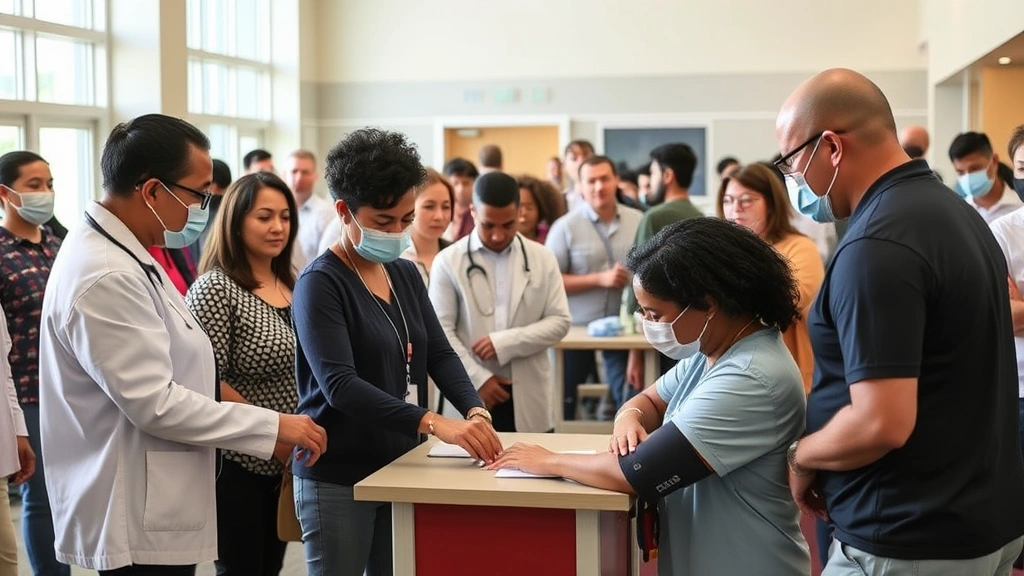
Health Fair: Your Complete Guide to Wellness Events
There’s something genuinely refreshing about walking into a health fair. The energy is different—purposeful, hopeful, and undeniably focused on one thing: helping you feel better. Unlike scrolling through wellness content online, a health fair puts expert guidance, practical resources, and community support all in one place. Whether you’re a wellness enthusiast looking to optimize your routine or someone just starting to prioritize their health, these events offer something valuable for everyone.
Health fairs have evolved significantly over the years. What once meant standing in line for a blood pressure check has transformed into comprehensive wellness experiences featuring preventive screenings, fitness demonstrations, nutritional counseling, and mental health resources. They’re community gathering spaces where healthcare meets accessibility, and where you can make meaningful connections with professionals who genuinely want to help.
If you’ve never attended one or you’re wondering what to expect, this guide will walk you through everything you need to know—from finding events in your area to maximizing the benefits of your visit.
What Is a Health Fair?
A health fair is a community event designed to promote awareness, education, and access to preventive health services. Think of it as a one-stop wellness shop where organizations, healthcare providers, and wellness professionals gather to offer screenings, information, and resources to the public—usually at little to no cost.
These events are typically organized by hospitals, community health centers, corporate wellness programs, local government agencies, or non-profit organizations. The primary goal? To democratize health information and make preventive care accessible to everyone, regardless of their current healthcare status.
What makes health fairs particularly valuable is their preventive focus. Rather than waiting until health issues become serious, these events encourage early detection and lifestyle modifications that can prevent problems before they start. You might discover risk factors you weren’t aware of, learn about conditions running in your family, or get motivated to make changes you’ve been considering.
The atmosphere at a health fair is notably different from a clinical setting. There’s typically a community feel—vendors are approachable, professionals are patient, and the overall vibe encourages exploration and questions. It’s an ideal environment for people who feel intimidated by traditional medical settings or who want a more holistic view of their health.
Types of Screenings and Services
Modern health fairs offer an impressive array of services. Here’s what you’re likely to encounter:
Cardiovascular Screenings
Blood pressure checks are standard at virtually every health fair. Many also offer cholesterol testing, EKG screenings, and cardiovascular risk assessments. These screenings can reveal hypertension or other cardiac risk factors that often go unnoticed until they become serious.
Metabolic and Nutritional Services
Blood glucose testing helps identify prediabetes or diabetes risk. Nutritionists and dietitians often provide consultations about balanced eating, weight management, and chronic disease prevention. Some fairs include body composition analysis or BMI assessments. The benefits of drinking water are frequently discussed, as hydration plays a crucial role in metabolic health.
Physical Fitness Assessments
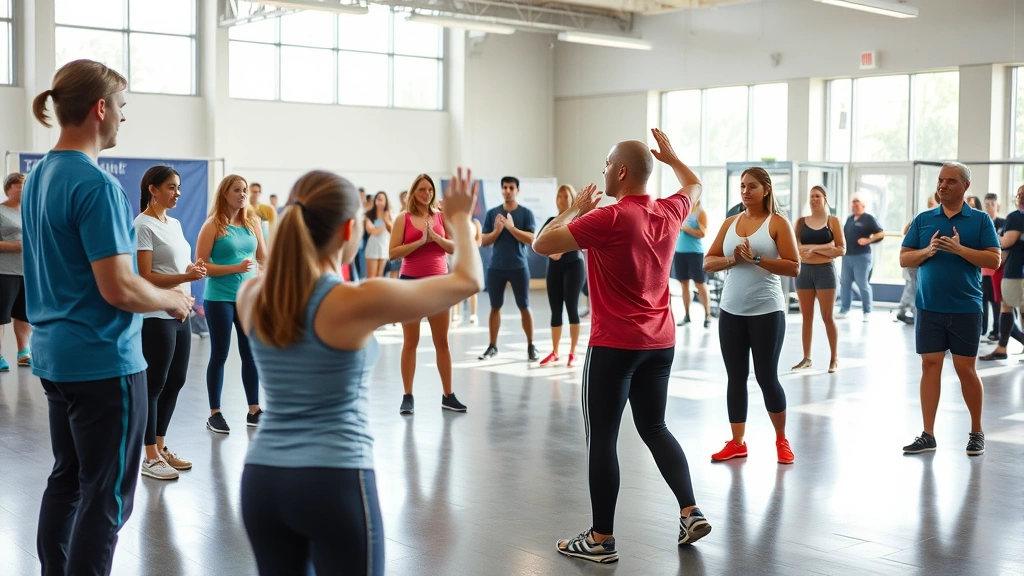
Personal trainers may conduct fitness evaluations, demonstrate proper exercise techniques, or discuss how to improve posture and movement patterns. Some fairs include yoga classes, tai chi demonstrations, or walking groups.
Mental Health and Wellness Services
Counselors, therapists, and mental health advocates discuss stress management, anxiety, depression, and overall emotional wellbeing. Understanding essential mental health awareness facts you should know can profoundly impact your approach to self-care.
Vision and Hearing Screenings
Optometrists and audiologists often provide basic screenings for vision and hearing problems, which can significantly affect quality of life.
Dental Screenings
Many health fairs include dental professionals offering oral health assessments and education about the connection between oral health and overall wellness.
Skin Cancer and Dermatology Screenings
Dermatologists or trained professionals examine skin for concerning moles or lesions.
Immunization Services
Vaccinations are often available, from flu shots to tetanus boosters.

How to Find Health Fairs Near You
Finding a health fair requires a bit of detective work, but it’s worth the effort. Here are the most effective strategies:
Online Search Strategies
Start with a simple Google search: “health fair near me” or “wellness events [your city name].” Check your city or county health department website, as they typically maintain calendars of upcoming events. Search for local hospital websites—major medical centers frequently host health fairs.
Community Resources
Contact your primary care doctor’s office; they often have information about upcoming fairs. Visit community centers, libraries, and senior centers—these venues frequently host or have information about health fairs. Check with your employer’s human resources department; many companies organize health fairs for employees.
Social Media and Notifications
Follow local health organizations on social media. Sign up for newsletters from hospitals and health departments. Check community bulletin boards at grocery stores and pharmacies.
Seasonal Timing
Health fairs are particularly common in spring (National Public Health Week in April) and fall. Many workplaces host them in January as part of New Year wellness initiatives.
Preparing for Your Visit
Getting the most from a health fair starts before you arrive. Here’s how to prepare:
Gather Your Health Information
Bring a list of current medications and supplements. Write down any health conditions you have. Note your family health history—this information is invaluable for health professionals. If you have recent lab results, bring copies.
Wear Appropriate Clothing
Wear loose-fitting clothing that allows easy access to your arms for blood pressure checks. Comfortable shoes are essential since you’ll be walking and standing. Consider wearing layers since venues can vary in temperature.
Timing and Fasting Considerations
If blood work is offered, check whether fasting is required. Arrive early to avoid long lines. Plan for at least 2-3 hours, though it varies by fair size.
Bring Important Documents
Your insurance card (if applicable), photo ID, and any recent medical records can be helpful. Bring a small notebook or use your phone to take notes on recommendations.
Make a Priorities List
Decide which screenings or consultations matter most to you. This helps you navigate the fair strategically and ensures you don’t miss what’s important.
Maximizing the Benefits of Your Health Fair Visit
Simply attending isn’t enough—you need a strategy to get real value from the experience:
Ask Questions Actively
Don’t be shy. Ask professionals to explain results, discuss risk factors, and recommend next steps. Ask about preventive measures you can take now. Request resources or referrals for follow-up care.
Collect Materials and Contact Information
Take brochures and educational handouts. Get business cards from professionals you connect with. Note websites and resources mentioned.
Schedule Follow-Up Appointments
If screenings reveal concerns, schedule appointments with your doctor before leaving. Many fairs connect people directly with healthcare providers for follow-up.
Document Everything
Write down all screening results. Take photos of any materials provided. Note professional recommendations. This creates a personal health record you can reference.
Follow Through on Recommendations
The real benefit comes after the fair. If someone recommends lifestyle changes, actually implement them. If they suggest follow-up testing, schedule it. If they recommend seeing a specialist, do it.
Share Your Experience
Tell friends and family about the fair. Many people skip these events simply because they don’t know about them. Your recommendation might encourage others to attend.
Career Opportunities in Health and Wellness
Health fairs also represent incredible networking opportunities if you’re considering a career in healthcare or wellness. The professionals you meet represent diverse career paths. If you’re interested in the field, this is your chance to ask questions and learn about different roles.
Many people discover their career calling at health fairs. Those passionate about preventive care might explore health and wellness jobs. If public health interests you, learning about public health degree jobs could open doors. For those drawn to education and community outreach, health educator jobs combine passion with purpose.
The wellness industry is growing rapidly. Health fairs showcase the breadth of opportunities available—from clinical roles to community-based positions, from research to direct patient care. If you find yourself energized by the fair’s atmosphere, it might be worth exploring these career paths further.
Mental Health and Holistic Wellness at Health Fairs
Modern health fairs recognize that physical health and mental health are inseparable. Mental health services have become standard offerings at most wellness events, reflecting a crucial shift in how we view comprehensive health.
Mental health professionals at health fairs typically offer stress management education, anxiety and depression screenings, and information about therapy and counseling services. They discuss how chronic stress impacts physical health, how sleep affects mental wellness, and how lifestyle choices influence emotional wellbeing.
This holistic approach is essential because wellness isn’t compartmentalized. Your physical fitness, nutritional habits, sleep quality, stress levels, and emotional health all interact. A health fair that addresses all these dimensions gives you a complete picture of your wellbeing and actionable strategies for improvement.
Frequently Asked Questions
Are health fairs really free?
Most health fairs offer free or low-cost screenings, though some specialized services may have fees. Always ask about costs upfront. Even if some services have charges, basic screenings are typically complimentary.
Do I need to register in advance?
Some health fairs require pre-registration, while others operate on a walk-in basis. Check the event details beforehand. Pre-registration often helps avoid long waits and ensures you get the screenings you want.
What if I don’t have health insurance?
Health fairs are specifically designed to serve everyone, including uninsured individuals. They’re excellent resources for people without regular healthcare access. Many fairs also provide information about insurance options and assistance programs.
How long does a typical health fair last?
Most health fairs run 2-4 hours, though individual visits usually take 30 minutes to 2 hours depending on how many services you use and how busy the event is. Arriving early typically means shorter waits.
Can I bring family members?
Absolutely. Health fairs welcome families. Children often have age-appropriate screenings and education available. It’s a great way to establish healthy habits early and involve the whole family in wellness.
What should I do with my screening results?
Schedule an appointment with your primary care doctor to discuss results, especially if anything is outside normal ranges. Use the information to make informed decisions about lifestyle changes. Keep copies for your personal health records.
Are results confidential?
Yes. Health fairs follow HIPAA regulations and maintain patient confidentiality. Your personal health information is protected just as it would be in any medical setting.
What if I discover a health problem at the fair?
The health fair team can connect you with appropriate follow-up care. Many fairs have resources specifically for people who need medical attention. Don’t panic—early detection is the point, and most issues caught at health fairs are manageable with proper care.