

La Maestra Community Health Centers: A Complete Guide to Accessible Healthcare Excellence
When you’re searching for healthcare that actually understands your community, La Maestra Community Health Centers represents something increasingly rare in modern medicine: a place where cultural competency meets clinical excellence. Founded with a mission to serve underserved populations, these centers have become pillars of accessible healthcare across multiple locations, breaking down barriers that traditionally keep quality medical care out of reach.
Whether you’re a new patient wondering what to expect or someone considering a career in community health, this comprehensive guide explores everything you need to know about La Maestra’s services, approach to care, and the broader impact they’re making in healthcare equity. The organization’s commitment goes beyond treating symptoms—they’re addressing the root causes of health disparities in the communities they serve.
La Maestra’s model demonstrates that effective healthcare isn’t just about advanced technology or prestigious credentials. It’s about meeting people where they are, speaking their language (literally and figuratively), and creating an environment where trust replaces apprehension. If you’re interested in healthcare that prioritizes accessibility without sacrificing quality, you’ll find their story both inspiring and instructive.
History and Mission
La Maestra Community Health Centers emerged from a fundamental belief: healthcare is a human right, not a commodity reserved for those with resources. The organization’s trajectory reflects decades of commitment to this principle, evolving from a grassroots initiative into a comprehensive healthcare network serving thousands of patients annually.
The mission centers on providing culturally appropriate, high-quality healthcare to medically underserved populations. This isn’t corporate speak—it’s a lived commitment that shapes every decision, from hiring practices to treatment protocols. The organization specifically focuses on communities where language barriers, immigration status concerns, and economic hardship have historically created healthcare deserts.
What makes La Maestra distinctive is their refusal to separate healthcare from community development. They recognize that blood pressure management means nothing if a patient can’t afford their medication or struggles with food insecurity. This holistic perspective permeates their operations, influencing everything from patient education initiatives to their advocacy work on systemic health issues.
The centers operate with an understanding that trust must be earned. In communities where healthcare institutions have historically exploited or ignored residents, La Maestra works deliberately to demonstrate that they’re different. Their longevity and patient loyalty speak volumes about their success in this regard.
Services and Programs
La Maestra’s service portfolio extends far beyond traditional primary care. They’ve designed their offerings around actual patient needs rather than organizational convenience, which means their menu of services looks different from typical community health centers.
Primary Care Services form the foundation. Patients access preventive care, chronic disease management, acute illness treatment, and routine health maintenance. The centers employ physicians, nurse practitioners, and physician assistants who understand both clinical medicine and cultural context—a combination that significantly improves patient outcomes.
Mental health and behavioral health services recognize that psychological wellbeing directly impacts physical health. Therapists, counselors, and psychiatrists work within the centers, eliminating the additional barriers patients typically face when mental health services exist separately from primary care. This integrated approach reduces stigma and improves treatment adherence.
Women’s health services receive special emphasis, including gynecological care, prenatal and postpartum services, and reproductive health education. Given that maternal and infant mortality rates disproportionately affect communities of color, this focus represents a direct response to documented health inequities.
Dental services, often absent from community health networks, are available at La Maestra. They understand that oral health connects to overall wellbeing and that dental disease shouldn’t be a luxury concern. Preventive care, cleanings, and restorative work address both immediate needs and long-term health maintenance.
Pediatric care serves children from infancy through adolescence, with attention to developmental milestones, vaccinations, and the social determinants affecting young people’s health. Parents receive education on nutrition, safety, and developmental expectations in culturally resonant ways.
Laboratory and imaging services operate on-site at many locations, removing the logistical nightmare of sending patients elsewhere for diagnostics. This integrated approach means faster results, better continuity, and fewer patients lost to follow-up.
For those exploring careers in healthcare, La Maestra offers positions ranging from clinical roles to administrative functions. If you’re interested in health and wellness jobs with genuine mission-driven work, the organization actively recruits talented professionals. Beyond clinical positions, community health worker jobs at La Maestra provide pathways for community members to formalize their healthcare roles. The organization also employs health educator jobs focused on community outreach and patient education.
Specialty services have expanded over the years to address prevalent health conditions in their patient populations. Diabetes management programs, hypertension clinics, and chronic disease support groups provide specialized attention to conditions requiring ongoing management.

Cultural Competency in Action
Cultural competency at La Maestra isn’t a training module checked off annually. It’s woven into organizational DNA, affecting staffing, communication, resource allocation, and clinical decision-making.
Language accessibility stands as a fundamental requirement. Medical interpretation services operate in Spanish, Vietnamese, Mandarin, and other languages reflecting community demographics. More importantly, the organization employs bilingual clinicians whenever possible—not because interpretation is insufficient, but because bilingual providers understand cultural context that shapes health beliefs and behaviors.
Understanding traditional health practices and beliefs matters profoundly. Rather than dismissing remedies patients have used for generations, La Maestra providers explore these practices, understanding which complement Western medicine and which might create conflicts. This respectful curiosity builds trust and improves treatment adherence.
Food culture influences health dramatically, yet many providers ignore dietary preferences and traditions when offering nutritional guidance. La Maestra’s nutritionists and health educators work within cultural food frameworks, helping patients make healthier choices using familiar ingredients and preparation methods rather than imposing generic dietary advice disconnected from their lives.
Gender roles, family decision-making structures, and concepts of illness vary significantly across cultures. La Maestra staff receive ongoing education about these variations, allowing them to communicate effectively with diverse families. This matters practically—understanding who makes healthcare decisions in a family prevents clinicians from providing education to the wrong person.
Immigration status and documentation concerns create genuine healthcare barriers. La Maestra maintains policies protecting patient privacy and operates as a safe space regardless of immigration status. This assurance removes a significant obstacle preventing undocumented immigrants from seeking necessary care.
Discrimination experiences shape how communities interact with institutions. Staff training addresses implicit bias explicitly, recognizing that good intentions don’t prevent unconscious discrimination. Regular examination of outcomes by race, ethnicity, and language helps identify disparities within La Maestra’s own services, enabling continuous improvement.
The Patient Experience
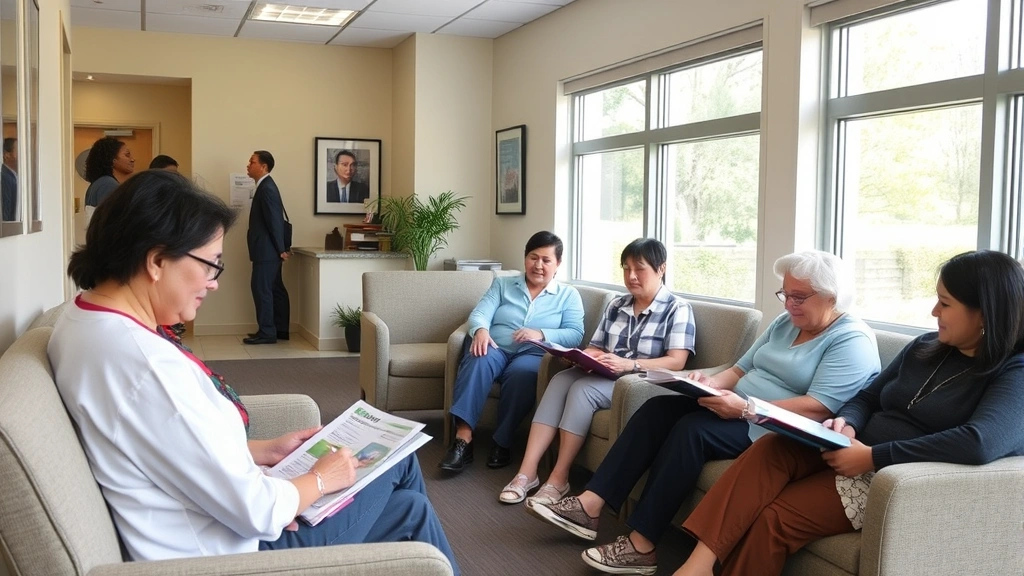
Walking through La Maestra’s doors offers a different experience than many healthcare settings. While clinical competence matters enormously, the patient experience reflects deeper organizational values.
Scheduling practices acknowledge real-world constraints. Rather than appointment systems designed for people with flexible schedules and reliable transportation, La Maestra offers extended hours, multiple locations, and same-day urgent care options. They recognize that patients working multiple jobs or dependent on public transit face genuine obstacles to appointment-keeping.
Wait times, perpetually frustrating in healthcare, receive serious attention. While no system eliminates waiting entirely, La Maestra invests in workflow optimization because they understand that lengthy waits particularly burden working patients and those without childcare options.
Communication style differs from traditional clinical encounters. Rather than doctors dominating conversations, providers at La Maestra practice shared decision-making. Patients are partners in treatment planning, with their preferences and concerns carrying genuine weight. This approach respects patient autonomy while improving outcomes through increased engagement.
Cost concerns receive explicit attention. Financial counselors help patients navigate insurance options, apply for assistance programs, and understand payment options. Sliding scale fees ensure that inability to pay doesn’t prevent access to care. This transparency about costs reduces anxiety and prevents patients from avoiding necessary care due to financial fears.
Continuity of care means seeing the same provider whenever possible. This consistency builds relationships, allows providers to understand patients’ life circumstances deeply, and improves clinical outcomes. In contrast to healthcare systems where patients see different clinicians each visit, La Maestra prioritizes ongoing relationships.
Patient education occurs naturally throughout care rather than as an afterthought. When a patient receives a diabetes diagnosis, education begins immediately and continues over multiple visits, with providers checking understanding and adjusting explanations based on patient responses.
Career Opportunities at La Maestra
Working at La Maestra attracts healthcare professionals seeking meaningful work aligned with personal values. The organization offers diverse career pathways for those committed to health equity.
Clinical positions require relevant licensure and education but offer the satisfaction of working with underserved populations who genuinely need your skills. Physicians, nurse practitioners, and physician assistants find themselves in environments where they can practice medicine the way they envisioned—actually helping people rather than maximizing billing codes.
Nursing roles encompass registered nurses, licensed practical nurses, and nursing assistants. Each level contributes meaningfully to patient care, with professional development opportunities allowing career advancement. Many nurses describe their La Maestra experience as the most rewarding of their careers.
For those pursuing public health degree jobs, La Maestra provides ideal settings for applying population health principles. Public health professionals work on disease surveillance, community health initiatives, and policy advocacy that addresses root causes of health disparities.
Administrative and management positions require strong organizational skills and commitment to the mission. Those pursuing health administration jobs find La Maestra offers opportunities to influence organizational direction and resource allocation in service of underserved communities.
Community health worker positions provide entry points for community members without extensive formal education. These roles value lived experience and community trust, recognizing that effective health workers often come from the communities they serve. Training and career development pathways allow community health workers to formalize and advance their expertise.
Support staff—medical assistants, front desk personnel, billing specialists—ensure operations function smoothly. These roles offer stable employment with benefits and the satisfaction of contributing to healthcare access.
Professional development receives investment. La Maestra supports staff pursuing advanced degrees, attending conferences, and developing specialized expertise. They recognize that staff growth strengthens organizational capacity to serve communities.
Community Impact and Outcomes
Measuring La Maestra’s impact requires looking beyond individual patient encounters to community-level changes. The organization tracks outcomes demonstrating their effectiveness in improving health and addressing disparities.
Access Metrics show dramatic increases in preventive care utilization when barriers are removed. Patients who couldn’t access healthcare elsewhere now receive regular check-ups, screenings, and chronic disease management. These metrics reveal that access barriers, not lack of interest in health, explained previous gaps in care.
Health Outcomes demonstrate that culturally competent care delivered in trusted settings produces results. Hypertension control rates, diabetes management indicators, and immunization rates at La Maestra meet or exceed national benchmarks despite serving populations with historically worse outcomes. This proves that disparities stem from healthcare system failures, not patient characteristics.
Maternal and Child Health improvements reflect La Maestra’s emphasis on women’s and pediatric services. Prenatal care access has increased, reducing adverse birth outcomes. Childhood immunization rates approach universal coverage, protecting vulnerable populations from vaccine-preventable diseases.
Chronic Disease Prevention education reaches community members through multiple channels. Weight management programs, diabetes prevention initiatives, and hypertension awareness campaigns help populations reduce disease risk before conditions develop.
Mental Health Integration means patients with depression, anxiety, and trauma receive treatment rather than suffering silently. Screening protocols identify mental health conditions early, and integrated treatment improves overall health outcomes.
Community Advocacy extends La Maestra’s impact beyond clinical care. The organization advocates for policies addressing social determinants—housing stability, food security, employment opportunities—recognizing that healthcare alone cannot solve health problems rooted in social conditions. This advocacy reflects understanding that health equity requires systemic change.
Workforce Development builds community capacity long-term. By training community members as health workers and providing pathways to clinical careers, La Maestra creates economic opportunity while strengthening the healthcare workforce serving underserved populations.
Research and evaluation inform continuous improvement. La Maestra participates in health services research, contributing evidence about effective approaches to serving underserved populations. This knowledge benefits not only their patients but the broader healthcare field.
For those interested in understanding how healthcare organizations can effectively serve communities, La Maestra provides a compelling case study. Whether you’re considering health and wellness jobs or simply interested in healthcare equity, La Maestra’s approach offers lessons about what’s possible when organizations prioritize community needs over institutional convenience.
Frequently Asked Questions
What insurance does La Maestra accept?
La Maestra accepts most major insurance plans including Medicare, Medicaid, and private insurance. Uninsured patients receive care on a sliding fee scale based on income. Financial counselors help patients understand coverage options and navigate enrollment in assistance programs. No one is turned away due to inability to pay.
How do I schedule an appointment at La Maestra?
Appointments can be scheduled through phone, online portals, or in-person registration. Many locations offer same-day urgent care for acute conditions. Extended hours and multiple locations accommodate diverse schedules. New patients should bring identification and insurance information if available, though lack of documentation doesn’t prevent care.
Are interpreters available for non-English speakers?
Yes, professional medical interpreters are available in multiple languages. Bilingual staff members also provide care when available. Language barriers are never permitted to compromise care quality or patient safety. Interpretation services are provided at no additional cost to patients.
Does La Maestra provide preventive care services?
Preventive care forms a core focus. Services include routine physical exams, cancer screenings, cardiovascular risk assessment, immunizations, and health education. Preventive services receive emphasis because catching problems early prevents complications and improves long-term outcomes.
Can I see the same provider each visit?
La Maestra prioritizes continuity of care, meaning you typically see the same provider for ongoing care. This consistency builds relationships and improves clinical outcomes. While occasional scheduling constraints might require seeing a different provider, the organization values patient-provider relationships.
What mental health services does La Maestra offer?
Mental health services include individual therapy, group counseling, psychiatric evaluation and medication management, and crisis intervention. Mental health services are integrated with primary care rather than separate, reducing stigma and improving treatment coordination.
Are dental services available?
Yes, dental services including preventive care, cleanings, and restorative work are available at many La Maestra locations. Oral health receives recognition as integral to overall health. Patients receive dental education and treatment planning addressing both immediate needs and long-term prevention.
How is patient privacy protected?
La Maestra maintains strict patient privacy protections complying with HIPAA regulations. Patient records remain confidential, and staff receive training on privacy obligations. Importantly, immigration status does not affect privacy protections—all patients receive equal confidentiality regardless of documentation status.
Does La Maestra have career opportunities for healthcare professionals?
Yes, La Maestra actively recruits clinical, administrative, and support staff. Career opportunities exist for physicians, nurses, health educators, community health workers, and administrative professionals. The organization values staff commitment to health equity and community service. Positions offer competitive compensation, benefits, and professional development support.
How does La Maestra address health disparities?
La Maestra addresses disparities through culturally competent care, language accessibility, community engagement, health education, and advocacy for policies addressing social determinants of health. They recognize that disparities stem from systemic factors, not individual characteristics, and work to transform systems while providing excellent individual care.