
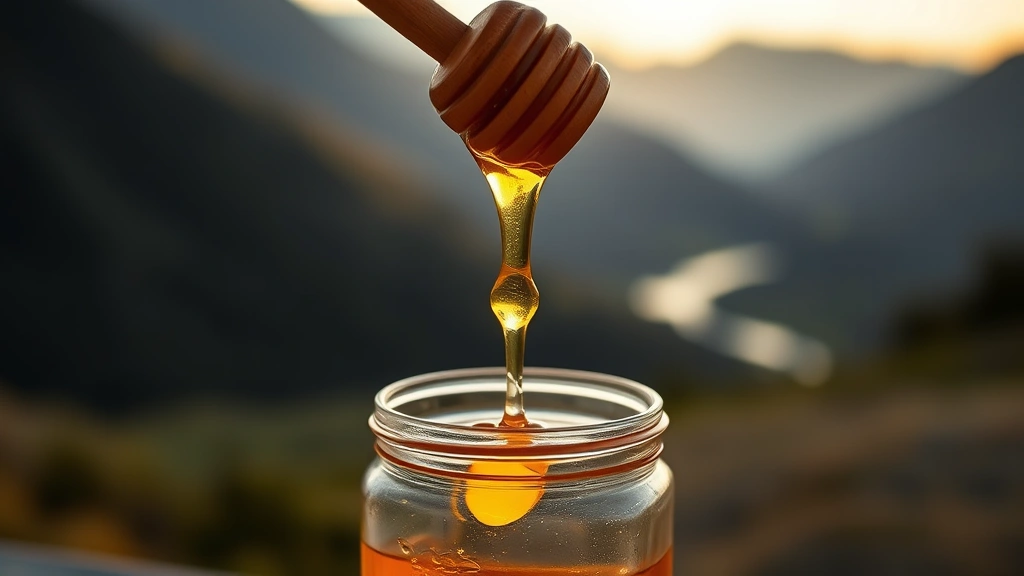
Manuka Health Benefits: The Expert Guide to Nature’s Liquid Gold
If you’ve wandered down the grocery aisle lately, you’ve probably noticed jars of manuka honey commanding prices that would make your wallet wince. But here’s the thing—this isn’t just regular honey with fancy marketing. Manuka honey is genuinely different, backed by legitimate science and centuries of traditional use. Whether you’re dealing with a stubborn cough, curious about natural wellness, or exploring holistic health options, understanding what manuka honey actually does (and doesn’t do) is worth your time.
The story of manuka starts in New Zealand, where the manuka bush blooms for just a few weeks each year. The bees that pollinate these flowers create honey with unique properties that have caught the attention of researchers worldwide. But separating the hype from the health facts requires a closer look at what makes this honey special and how it actually works in your body.
What Is Manuka Honey, Really?
Manuka honey comes from bees that exclusively pollinate the Leptospermum scoparium plant, native to New Zealand’s remote regions. Unlike regular honey, which contains glucose oxidase that breaks down into hydrogen peroxide, manuka honey derives its power from a compound called methylglyoxal (MGO). This naturally occurring compound exists in trace amounts in conventional honey but reaches remarkable concentrations in manuka—sometimes 100 times higher.
The Māori people have used manuka for generations, incorporating it into their traditional healing practices long before Western science validated its benefits. When European researchers began studying this honey in the 1980s and 1990s, they discovered compounds that genuinely warranted the attention. However, it’s important to note that not all honey labeled as manuka carries the same potency. The grading system that emerged became crucial for consumers trying to distinguish authentic, therapeutic-grade manuka from weaker varieties.
What makes manuka special isn’t just one component—it’s the synergistic combination of MGO, leptosperin (a unique marker compound), and other bioactive elements working together. This multi-faceted approach to healing is why researchers have found it effective against certain resistant bacteria and why health practitioners increasingly recommend it for specific conditions.
Understanding the UMF Rating System
The UMF (Unique Manuka Factor) rating is essentially manuka honey’s quality scorecard. Developed by researchers at the University of Waikato in New Zealand, this system measures the honey’s antibacterial strength by comparing it to phenol (an antiseptic standard). A UMF rating of 10+ indicates therapeutic-grade manuka honey, while anything below that is considered regular honey, despite coming from manuka flowers.
Here’s the practical breakdown: UMF 10-15 offers mild therapeutic benefits and works well for general wellness. UMF 16-24 provides moderate therapeutic strength suitable for addressing specific health concerns. UMF 25+ represents premium, high-potency manuka honey reserved for serious therapeutic applications. Some specialty grades go even higher, reaching UMF 30+, though these command premium prices and aren’t necessary for most people.
The MGO rating system offers another measurement method—it directly quantifies methylglyoxal content in milligrams per kilogram. An MGO 100+ roughly corresponds to UMF 5+, while MGO 400+ aligns with UMF 13+. Both systems are legitimate, though UMF remains more widely recognized internationally. When shopping, look for both certifications on the label; legitimate producers proudly display these credentials.
Antibacterial and Antimicrobial Properties
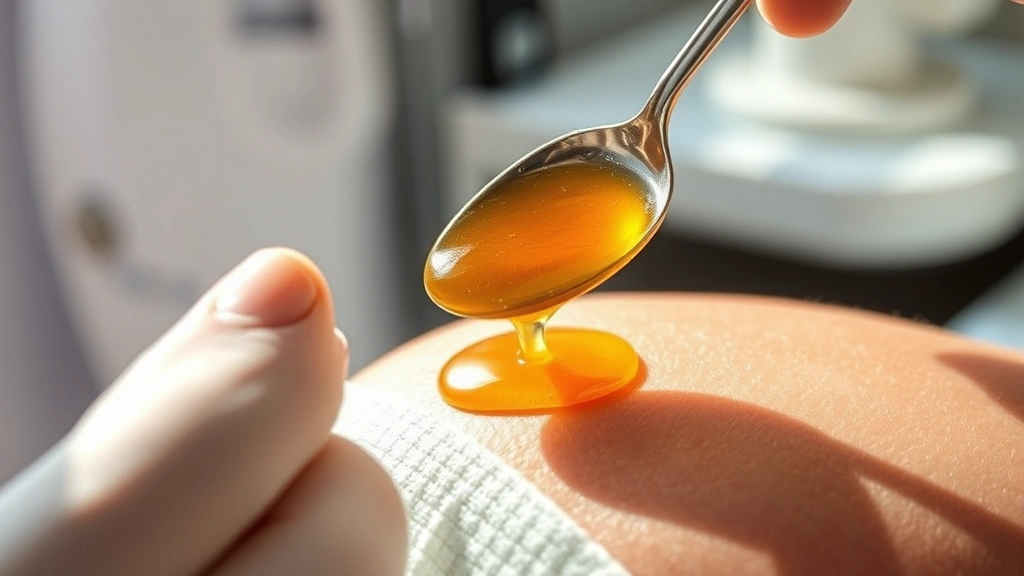
The antibacterial capabilities of manuka honey represent its most scientifically validated benefit. Research published in peer-reviewed journals demonstrates that manuka honey can inhibit the growth of Helicobacter pylori, a bacterium linked to stomach ulcers, as well as Staphylococcus aureus, including antibiotic-resistant strains. This matters particularly in an era of growing antibiotic resistance, where conventional treatments increasingly fail.
A study in the International Journal of Lower Extremity Wounds found that manuka honey accelerated the healing of infected wounds where conventional antibiotics had proven ineffective. The honey works through multiple mechanisms: it creates an osmotic effect that draws fluid from bacterial cells, produces hydrogen peroxide when diluted, and the MGO compound directly damages bacterial cell structures.
What’s particularly fascinating is that bacteria haven’t developed resistance to manuka honey’s complex chemical profile the way they have to single-compound antibiotics. This multi-target approach makes it a compelling option for managing minor infections, sore throats, and wound care. However, it’s crucial to understand that manuka honey complements rather than replaces medical treatment for serious infections.
Digestive Health and Gut Support
Your digestive system is where many health issues begin, which is why supporting gut health matters so much. Manuka honey demonstrates prebiotic properties, meaning it feeds beneficial bacteria in your microbiome while simultaneously suppressing harmful pathogens. This dual action makes it particularly valuable for anyone dealing with digestive discomfort or irregular gut function.
For those interested in optimizing their overall nutrition, exploring a plant-based diet benefits alongside manuka honey creates a powerful synergy. Plant-based eating already supports healthy gut bacteria, and adding manuka honey amplifies these benefits. Additionally, many people find that reducing sugar intake improves their digestive function—manuka honey provides natural sweetness without the inflammatory effects of refined sugar.
Research indicates that manuka honey can help soothe inflammation in the digestive tract, potentially benefiting those with gastritis or inflammatory bowel conditions. The honey’s antimicrobial properties target problematic bacteria like H. pylori that contribute to ulcers and chronic inflammation. Many practitioners recommend a spoonful of manuka honey daily for digestive maintenance, though consistency matters more than dosage.
The prebiotic effect also supports the production of short-chain fatty acids, particularly butyrate, which nourishes your intestinal lining and strengthens the gut barrier. A healthier gut barrier means better nutrient absorption, improved immune function, and reduced systemic inflammation—benefits that extend far beyond digestive comfort.
Wound Healing and Skin Benefits
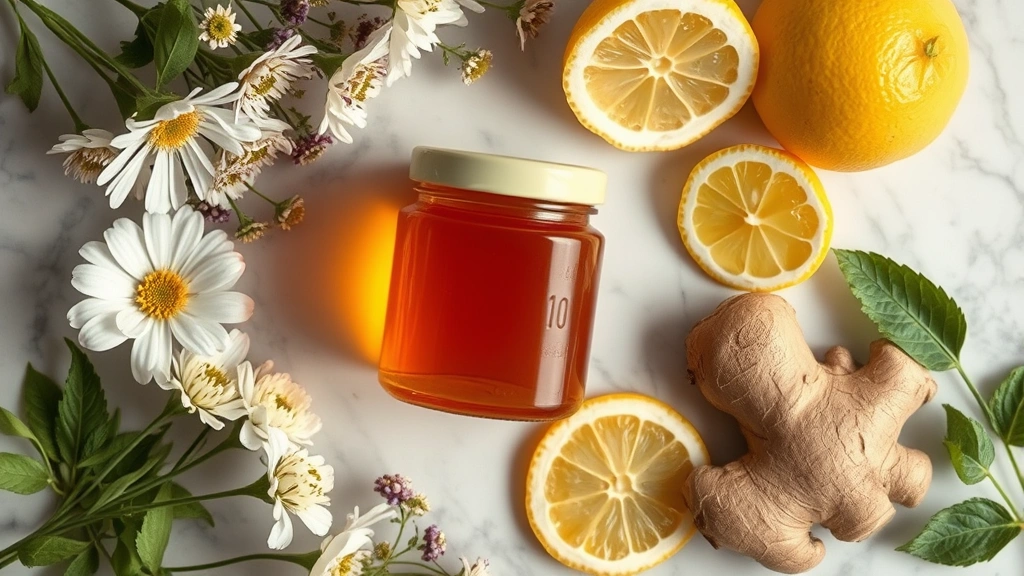
Hospitals in several countries now use medical-grade manuka honey in wound care protocols, particularly for burns, diabetic ulcers, and surgical wounds. The honey creates an optimal healing environment by maintaining moisture, promoting new tissue formation, and preventing bacterial colonization—all without the side effects associated with some topical antibiotics.
The mechanism works through several pathways: manuka honey stimulates the production of growth factors necessary for tissue repair, reduces inflammatory cytokines that delay healing, and creates a physical barrier protecting the wound from external contamination. For minor cuts, scrapes, and insect bites, applying manuka honey directly accelerates healing while reducing scarring.
Beyond wound care, manuka honey benefits skin health when incorporated into skincare routines. Those interested in comprehensive natural approaches might explore natural hair care routines, which often incorporate honey for similar benefits. Manuka honey’s antimicrobial properties make it effective against acne-causing bacteria, while its humectant qualities keep skin hydrated and plump.
For eczema and psoriasis sufferers, manuka honey offers anti-inflammatory relief without the side effects of some conventional treatments. The honey reduces the inflammatory cascade while supporting the skin barrier’s integrity. Many dermatologists now recommend manuka honey as a complementary treatment alongside conventional therapies.
Immune System Support
Your immune system constantly battles pathogens and environmental stressors. Manuka honey provides multi-layered immune support through several mechanisms. The honey stimulates the production of white blood cells, particularly neutrophils and macrophages that serve as your body’s frontline defense against invaders.
The prebiotic compounds in manuka honey support the gut microbiome, which houses approximately 70% of your immune system. A robust, diverse microbiome means better immune surveillance and faster response times to threats. This connection between gut health and immunity explains why so many wellness practitioners emphasize digestive support as foundational to overall health.
During cold and flu season, many people turn to manuka honey for throat soothing and cough relief. Unlike cough syrups with questionable efficacy, manuka honey has research supporting its ability to reduce cough frequency and severity. The honey coats the throat, reduces irritation, and the antimicrobial compounds help address underlying infections.
For those wanting to maintain overall wellness, manuka honey fits well into a comprehensive health strategy. Staying properly hydrated—which you can learn more about through benefits of drinking water—complements manuka honey’s immune-supporting effects. Both address fundamental wellness needs through different mechanisms.
How to Use Manuka Honey Effectively
Dosage matters when using manuka honey therapeutically. For general wellness and immune support, a teaspoon daily provides sufficient MGO intake to support your microbiome and overall health. For specific concerns like sore throat or cough, taking a spoonful every few hours offers more targeted relief.
Never heat manuka honey above 104°F (40°C), as excessive heat destroys the delicate enzymes and bioactive compounds that make it special. This means stirring it into room-temperature liquids or consuming it straight from the spoon. Adding it to hot tea defeats the purpose—wait until your tea cools slightly before stirring in the honey.
For wound care, apply manuka honey directly to clean wounds and cover with a sterile bandage. Change the dressing daily or as needed. For internal use, dissolve a teaspoon in warm (not hot) water or herbal tea. Some people prefer taking it straight, which maximizes the concentration of active compounds reaching your digestive tract.
Consistency matters more than quantity. Taking a small amount daily provides better results than occasional large doses. Think of it as nutritional support rather than medication—you’re feeding your body compounds that support its natural healing processes over time.
Selecting Quality Manuka Honey
Not all manuka honey is created equal, and the market contains plenty of imposters and low-quality products. Here’s how to navigate the selection process like an expert:
- Check the UMF rating: Look for UMF 10+ minimum. Anything below this isn’t therapeutic-grade manuka. UMF 15+ offers better therapeutic value for most purposes.
- Verify origin: Authentic manuka honey comes exclusively from New Zealand. If the label doesn’t specify this, it’s not genuine manuka.
- Look for leptosperin content: This unique compound appears only in genuine manuka honey. Quality producers list this on their labels.
- Check the MGO rating: Higher MGO numbers (400+) indicate premium potency, though UMF 15-20 suffices for most people.
- Examine the label: Legitimate producers proudly display certifications, testing results, and detailed sourcing information.
- Buy from reputable sources: Purchase from established health retailers, the producer’s official website, or certified distributors rather than unknown online sellers.
Price reflects quality—genuine therapeutic-grade manuka honey costs significantly more than regular honey. If a product claims to be UMF 20+ manuka honey but costs the same as conventional honey, it’s almost certainly counterfeit. Expect to pay $15-30 per small jar for authentic, quality manuka honey.
Those interested in building a comprehensive wellness routine might also consider career paths in health—explore health and wellness jobs if you’re passionate about helping others achieve better health outcomes.
Frequently Asked Questions
Is manuka honey safe for everyone?
Manuka honey is generally safe for most adults. However, infants under one year should never consume any honey due to botulism risk. People with severe bee allergies should avoid it. Those taking blood thinners should consult their doctor, as honey may have mild anticoagulant properties. Diabetics can use manuka honey but should account for it in their carbohydrate intake—it’s still a form of sugar, despite its health benefits.
Can manuka honey replace antibiotics?
No. While manuka honey demonstrates impressive antimicrobial properties, it’s not a substitute for prescription antibiotics in serious infections. It complements medical treatment excellently but shouldn’t replace it. For minor infections, sore throats, and wound care, manuka honey offers genuine benefits. For serious infections requiring systemic treatment, consult your healthcare provider.
How long does a jar last?
A typical 8-ounce jar of manuka honey lasts 2-4 months with daily use at a teaspoon per day. Storage in a cool, dark place extends shelf life indefinitely—honey doesn’t spoil. Some jars may crystallize over time, which is normal and doesn’t affect quality. Gently warming the jar in warm water restores the original consistency without damaging the honey’s beneficial compounds.
What’s the difference between manuka and raw honey?
Raw honey is unfiltered and unpasteurized, preserving enzymes and pollen. Manuka honey is a specific type of honey from New Zealand’s manuka flowers, graded by UMF rating. You can have raw manuka honey (unpasteurized) or processed manuka honey. The UMF rating matters more for therapeutic benefit than whether it’s raw. Some raw manuka honey products may have lower UMF ratings than pasteurized versions.
When should I expect to see results?
For acute issues like sore throat or cough, relief often appears within hours to a few days. For chronic conditions like digestive issues, expect 2-4 weeks of consistent daily use before noticing significant improvement. Immune support and general wellness benefits develop gradually over months of regular consumption. Manuka honey works best as part of a comprehensive wellness approach rather than as a standalone solution.
Can I use manuka honey topically and internally?
Absolutely. Many people use manuka honey both ways—taking it internally for digestive and immune support while applying it topically for wound healing and skin benefits. There’s no conflict between these uses; they’re complementary. Just ensure you’re using food-grade manuka honey for internal consumption and medical-grade manuka honey for wound care if dealing with serious injuries.
Does manuka honey help with allergies?
Some people report allergy relief from consuming local honey, based on the theory that small amounts of local pollen help desensitize the immune system. However, scientific evidence for this effect remains mixed. Manuka honey’s anti-inflammatory properties may help reduce allergy symptoms, but it’s not a proven allergy treatment. If you have severe allergies, consult your allergist before relying on honey as primary management.
Final Thoughts: Manuka honey represents one of nature’s most thoroughly researched natural remedies, with legitimate science backing many traditional uses. It’s not a cure-all, but it’s genuinely beneficial for specific applications—particularly antibacterial support, digestive health, wound healing, and immune function. When you select quality manuka honey and use it consistently as part of a comprehensive wellness strategy, you’re investing in evidence-based natural health support. The key is understanding what it does well, maintaining realistic expectations, and integrating it into a lifestyle that already emphasizes good nutrition, hydration, and overall wellness practices.