

How to Nurture Women’s Health: Expert Tips for Thriving at Every Life Stage
Women’s health isn’t a one-size-fits-all conversation. It’s a dynamic, evolving journey that spans from adolescence through menopause and beyond, with each phase bringing its own unique challenges and opportunities. The concept of nurturing women’s health goes far beyond annual checkups—it encompasses physical vitality, mental resilience, emotional balance, and the often-overlooked dimension of preventive care that actually sticks.
The reality is that many women find themselves caught between managing everyone else’s wellness and neglecting their own. We’re told to do it all, feel it all, and somehow maintain perfect health while juggling careers, relationships, and countless other responsibilities. But here’s the truth: prioritizing your health isn’t selfish. It’s foundational. When you nurture women’s health—your own included—you’re not just adding years to your life; you’re adding life to your years.
This guide breaks down evidence-based strategies that actually work, drawing from medical expertise and real-world application. Whether you’re navigating hormonal shifts, building sustainable wellness habits, or seeking specialized care, these insights will help you make informed decisions about your health journey.
Understanding Your Body’s Unique Needs
Women’s bodies operate differently than men’s in ways that profoundly impact health outcomes. This isn’t about stereotypes—it’s about biology. Women have higher rates of autoimmune diseases, different cardiovascular risk profiles, and unique hormonal fluctuations that influence everything from energy levels to cognitive function.
The first step in nurturing women’s health is recognizing that your body sends signals constantly. Those signals might manifest as fatigue, mood changes, digestive shifts, or sleep disruptions. Rather than dismissing these as normal, consider them your body’s way of communicating its needs. Organizations like Partners in Women’s Health emphasize the importance of personalized care that acknowledges these biological realities.
Understanding your menstrual cycle, for instance, isn’t just for fertility tracking. Your cycle influences nutrient absorption, exercise performance, and mental clarity. During the follicular phase (first half of your cycle), your body may respond better to higher-intensity workouts. During the luteal phase, moderate movement and adequate protein become especially important. This cyclical awareness transforms how you approach nutrition, exercise, and self-care timing.
Additionally, women experience different symptom presentations for serious conditions like heart disease. While men often report classic chest pain during cardiac events, women may experience fatigue, jaw pain, or shortness of breath. This knowledge gap has historically led to underdiagnosis and delayed treatment. Educating yourself about these differences literally saves lives.
The Foundation: Preventive Healthcare
Prevention is where the magic happens in healthcare, yet it’s often the most overlooked component. Preventive care means catching issues before they become serious, managing risk factors, and maintaining baseline health through regular screenings.
The American College of Obstetricians and Gynecologists recommends that women have annual wellness visits starting in their teens. These appointments should include blood pressure monitoring, cervical cancer screening (starting at age 21), breast health assessment, and discussions about family medical history. As you age, additional screenings become relevant: bone density scans, cardiovascular assessments, and colorectal cancer screening.
Working with healthcare providers who specialize in women’s health makes an enormous difference. Legacy Women’s Health represents the kind of specialized approach where providers understand not just your symptoms, but the context of your life. Similarly, FPA Women’s Health focuses on comprehensive reproductive and general health services tailored specifically to women’s needs.
Preventive care also includes vaccinations. The HPV vaccine, for instance, prevents several types of cancer. Flu and COVID-19 vaccines reduce serious illness risk. These aren’t optional—they’re investments in your long-term health trajectory.
Beyond screenings, preventive health includes lifestyle modifications that reduce disease risk. This is where nutrition, movement, stress management, and sleep become non-negotiable components of your healthcare strategy. How to practice self love intersects directly with preventive care; prioritizing your wellness is an act of self-compassion that pays dividends across your entire life.
Nutrition Strategies That Actually Sustain
Let’s be honest: most nutrition advice feels either restrictive or unrealistic. The goal here isn’t perfection; it’s consistency with flexibility. Nurturing women’s health through nutrition means feeding your body what it genuinely needs while enjoying the process.
Women have specific micronutrient needs that differ from men’s, particularly regarding iron, calcium, and folate. Pre-menopausal women need 18mg of iron daily (compared to men’s 8mg) due to menstrual blood loss. After menopause, this requirement drops to 8mg. Calcium needs remain at 1,000-1,200mg daily throughout adulthood, becoming increasingly critical for bone health as you age.
Rather than following trendy diets, focus on nutrient density. This means choosing foods that pack maximum nutrition into each calorie. A plate that includes lean protein, colorful vegetables, whole grains, and healthy fats provides the building blocks your body needs for energy, hormone production, and cellular repair.
Protein deserves special attention for women. Many women consume inadequate protein, which impacts muscle maintenance, bone density, and satiety. Aim for 0.8-1.0 grams per kilogram of body weight daily, distributed across meals. This supports metabolic health and helps stabilize blood sugar throughout the day.
Omega-3 fatty acids deserve a place in your nutrition strategy. These anti-inflammatory compounds support brain health, cardiovascular function, and hormonal balance. Sources include fatty fish, flaxseeds, chia seeds, and walnuts. If you don’t eat fish regularly, discuss supplementation with your healthcare provider.
Hydration often gets overlooked but fundamentally impacts energy, cognitive function, and physical performance. Most women need around 11-13 cups of fluid daily, more if you exercise regularly or live in a hot climate. Water is ideal, though other beverages contribute to your fluid intake.

Movement and Exercise for Women
Exercise isn’t punishment for what you ate, nor is it optional for health. Movement is medicine, and women’s bodies respond beautifully to consistent, varied exercise that aligns with individual preferences and life stages.
The WHO recommends at least 150 minutes of moderate-intensity aerobic activity weekly for adults. But here’s where personalization matters: that could look like brisk walking, cycling, swimming, dancing, or any activity that elevates your heart rate. The best exercise is the one you’ll actually do consistently.
Strength training deserves equal billing with cardio. Women often fear that lifting weights will make them bulky—a myth that persists despite evidence showing women lack the testosterone levels necessary for significant muscle hypertrophy from resistance training alone. Instead, strength training builds bone density (critical for osteoporosis prevention), maintains muscle mass as you age, boosts metabolism, and improves functional capacity for daily life.
Two to three sessions weekly of resistance training targeting major muscle groups provides substantial benefits. This could include bodyweight exercises, dumbbells, resistance bands, or machines. The key is progressive challenge—gradually increasing weight or repetitions over time.
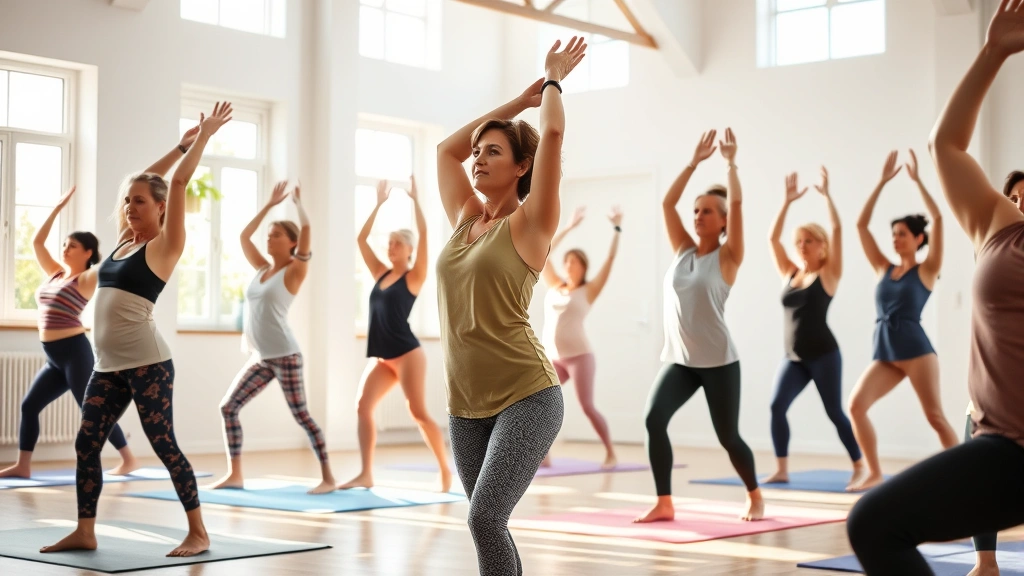
Flexibility and balance work shouldn’t be afterthoughts. Yoga, pilates, tai chi, and dedicated stretching improve mobility, reduce injury risk, and support nervous system regulation. These practices offer bonus benefits for mental health and stress management.
Your exercise approach may shift across your menstrual cycle. During the follicular phase (days 1-14), your estrogen and progesterone are rising, and your body may tolerate higher-intensity training well. During the luteal phase (days 15-28), progesterone peaks before dropping, and you might find moderate intensity feels better. Listening to these signals and adjusting accordingly honors your body’s natural rhythms.
Mental Health and Emotional Wellness
Physical health and mental health aren’t separate entities—they’re deeply intertwined. Women experience higher rates of depression and anxiety, partly due to hormonal fluctuations, societal pressures, and the unique stressors women face.
Prioritizing mental health means recognizing that therapy isn’t a sign of weakness; it’s a sign of wisdom. Whether you’re navigating relationship challenges, processing past trauma, managing anxiety, or simply wanting to understand yourself better, therapy provides tools and perspective. How to improve relationships often begins with understanding your own patterns, triggers, and communication styles—work that therapy facilitates beautifully.
Stress management isn’t luxurious; it’s foundational. Chronic stress elevates cortisol, disrupts sleep, impairs immune function, and accelerates aging. Effective stress management might include meditation, journaling, time in nature, creative pursuits, or simply establishing boundaries around work and technology.
Sleep quality profoundly impacts women’s health. Poor sleep increases inflammation, disrupts hormonal balance, impairs cognitive function, and increases disease risk. Most women need 7-9 hours nightly. If you struggle with sleep, examine your sleep environment (cool, dark, quiet), limit screen time before bed, maintain consistent sleep-wake times, and consider whether hormonal fluctuations or underlying conditions like sleep apnea might be contributing.
Social connection matters enormously. Women who maintain strong relationships experience better health outcomes, greater longevity, and improved mental health. Whether it’s friendships, family connections, or community involvement, these relationships provide support, meaning, and resilience during difficult times.
Hormone Health Across Life Stages
Hormones orchestrate countless bodily functions, and women’s hormonal landscape shifts dramatically across the lifespan. Understanding these shifts helps you anticipate changes and seek appropriate support.
During reproductive years, estrogen and progesterone fluctuate cyclically, influencing mood, energy, skin, and physical performance. Hormonal birth control options range from pills to IUDs to implants, each with different mechanisms and side effect profiles. Working with healthcare providers at Estrella Women’s Health Center can help you find contraception that aligns with your health goals and lifestyle.
Perimenopause—the transition leading to menopause—can span 4-10 years and bring symptoms ranging from hot flashes to mood changes to sleep disruption. This isn’t a deficiency disease requiring treatment; it’s a life stage transition. That said, symptom management matters. Hormone therapy, lifestyle modifications, and targeted supplements can significantly improve quality of life during this phase.
Menopause itself marks the final menstrual period. Post-menopausal women face different health priorities: bone health becomes critical, cardiovascular risk increases, and metabolic changes often make weight management more challenging. Understanding these shifts allows you to adjust your healthcare strategy proactively.
Thyroid health deserves attention at all life stages. The thyroid regulates metabolism, energy, mood, and temperature regulation. Women experience thyroid disorders more frequently than men, particularly autoimmune thyroiditis. If you experience fatigue, weight changes, mood shifts, or temperature regulation issues, thyroid screening warrants discussion with your healthcare provider.
Building Your Healthcare Team
You’re the CEO of your health. That means assembling a team of healthcare providers who understand your values, listen to your concerns, and partner with you in decision-making rather than dictating from above.
Your primary care provider serves as your health quarterback, coordinating care and managing preventive health. This might be a physician, nurse practitioner, or physician assistant. Beyond routine care, this provider should know your medical history, family history, and health goals.
A gynecologist or women’s health provider specializes in reproductive health, contraception, and gender-specific health issues. For many women, this provider becomes a trusted partner across decades of life changes.
Depending on your needs, you might benefit from additional specialists: a cardiologist if you have cardiovascular risk factors, an endocrinologist for metabolic concerns, a mental health provider for psychological support, a registered dietitian for personalized nutrition guidance, or other specialists addressing specific health conditions.
Beyond traditional medicine, many women benefit from complementary approaches: acupuncture for pain or hormonal support, massage therapy for muscle tension and relaxation, herbal medicine from qualified practitioners, or yoga therapy for movement and mindfulness. These approaches work best alongside conventional medicine, not as replacements.
Communication is key. Share your health goals, concerns, and lifestyle with your providers. Ask questions until you understand recommendations. If something doesn’t feel right, trust that instinct and seek a second opinion. You deserve healthcare that feels collaborative and respectful.
Frequently Asked Questions
What’s the best age to start prioritizing women’s health?
Now. Regardless of your current age, today is the perfect time to invest in your health. That said, establishing healthy habits in your teens and twenties creates momentum that benefits you throughout life. But if you’re 40, 50, or beyond and just starting? The research shows that lifestyle changes yield benefits at any age. It’s never too late to begin.
How often should I see my gynecologist?
Most women benefit from annual wellness visits with their gynecologist starting in their teens or when they become sexually active. These visits include preventive screenings, health discussions, and opportunity to address concerns. If you have specific health conditions or are on hormonal birth control, your provider might recommend more frequent visits. Conversely, some low-risk women might space visits further apart after establishing baseline health. Discuss what makes sense for your individual situation.
Are hormonal birth control methods safe?
Birth control safety depends on individual health factors and the specific method. For most healthy women, hormonal contraception is safe and effective. However, certain conditions—like a history of blood clots or uncontrolled high blood pressure—might make some methods inadvisable. This is precisely why personalized healthcare discussions matter. Work with your provider to find contraception that aligns with your health profile and preferences.
What should I do if I’m experiencing irregular periods?
Irregular periods can stem from numerous causes: stress, significant weight changes, thyroid dysfunction, hormonal imbalances, or underlying conditions. Rather than assuming it’s normal, discuss this with your healthcare provider. They can conduct appropriate testing and determine whether intervention is needed. Don’t normalize what might be your body signaling that something needs attention.
How can I manage menopause symptoms naturally?
Several approaches help manage menopause symptoms without hormone therapy: regular exercise (particularly strength training and aerobic activity), adequate sleep, stress management, dietary modifications (reducing alcohol and caffeine, increasing plant-based foods), and targeted supplements like black cohosh or red clover (discuss with your provider first). Some women benefit from acupuncture. If symptoms significantly impact quality of life, hormone therapy remains an option worth discussing with your provider—it’s not inherently harmful and can be appropriate for many women.
What’s the relationship between stress and women’s health?
Chronic stress impacts immune function, disrupts hormonal balance, impairs sleep, increases inflammation, and accelerates aging. Women often carry significant stress from multiple roles and responsibilities. Effective stress management—through meditation, movement, therapy, time in nature, or other practices—isn’t indulgent; it’s essential healthcare. Your nervous system’s health directly impacts your physical health.
Should I be concerned about my family medical history?
Absolutely. Family history provides valuable information about your genetic predisposition to certain conditions. If your mother had breast cancer, your grandmother had diabetes, or your father had heart disease, these patterns warrant discussion with your healthcare provider. They might recommend earlier or more frequent screening, lifestyle modifications to reduce risk, or genetic testing in some cases. Knowing your family history empowers you to take proactive steps.
What role does nutrition play in hormone health?
Nutrition profoundly influences hormone production and balance. Adequate protein supports hormone synthesis. Healthy fats are essential for hormone production. Micronutrients like B vitamins, magnesium, and zinc support hormonal function. Blood sugar stability (achieved through balanced meals with protein, fiber, and healthy fats) prevents hormonal disruption. Rather than following restrictive diets, focus on nutrient-dense foods that support your body’s natural hormone production and metabolism.