
Benefits of Residential Home Health: Expert Insights
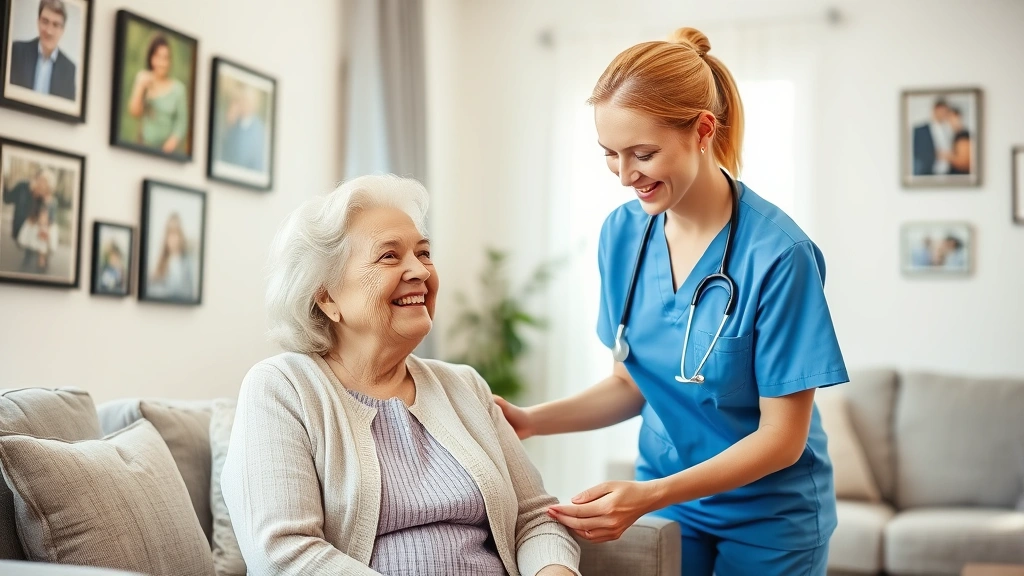
Residential home health represents a transformative approach to healthcare delivery, bringing compassionate, professional care directly into the comfort of your own home. As our population ages and healthcare needs become increasingly complex, more families are discovering that residential home health services offer a superior alternative to institutional care settings. This personalized care model prioritizes dignity, independence, and quality of life while addressing medical and wellness needs with expertise and warmth.
The shift toward home-based healthcare reflects a fundamental change in how we think about healing and recovery. Rather than viewing healthcare as something that happens in sterile institutional environments, residential home health recognizes that people heal better, recover faster, and maintain greater emotional well-being when surrounded by familiar surroundings, cherished memories, and the support of loved ones. Whether recovering from surgery, managing chronic conditions, or navigating the complexities of aging, residential home health provides comprehensive solutions tailored to individual circumstances.
This comprehensive guide explores the multifaceted benefits of residential home health, drawing on expert insights and real-world applications. We’ll examine how this care model improves health outcomes, enhances quality of life, and provides peace of mind for families navigating healthcare decisions.
Table of Contents
- Personalized Care in Familiar Environments
- Maintaining Independence and Dignity
- Cost-Effectiveness Compared to Institutional Care
- Improved Health Outcomes and Recovery
- Emotional Well-Being and Mental Health Support
- Enhanced Family Involvement and Communication
- Specialized Services and Professional Expertise
- Safety, Security, and Peace of Mind
- Frequently Asked Questions
Personalized Care in Familiar Environments
One of the most compelling advantages of residential home health is the ability to receive individualized care within the context of your own home. Unlike institutional settings where routines are standardized and one-size-fits-all approaches prevail, home health services are meticulously tailored to each person’s unique needs, preferences, and lifestyle. Caregivers work closely with clients to understand their specific requirements, medical history, and personal goals.
The familiar environment of home itself becomes a therapeutic asset. Research from leading healthcare institutions demonstrates that patients experience reduced stress and anxiety when receiving care in spaces filled with personal meaning. Family photos, cherished belongings, favorite views, and established routines all contribute to a sense of normalcy that facilitates better healing. When you’re recovering from illness or managing a chronic condition, maintaining connection to your life and identity becomes as important as the medical interventions themselves.
Personalized residential home health care extends beyond basic medical services. Caregivers can accommodate dietary preferences, work around preferred schedules, and adjust their approach based on daily mood and energy levels. This flexibility proves particularly valuable for individuals with complex needs or those who haven’t thrived in more rigid institutional environments. The essential mental health awareness facts emphasize how environmental factors significantly impact recovery and overall wellness outcomes.
Home health services integrate seamlessly with existing support systems. Family members can remain actively involved, caregivers coordinate with household routines, and the care plan evolves as needs change. This adaptive, person-centered approach represents a fundamental shift from reactive institutional care to proactive, holistic wellness support.
Maintaining Independence and Dignity
Preserving independence represents a cornerstone value in residential home health. Rather than surrendering autonomy to institutional systems, individuals receiving home-based care maintain control over their daily lives, decisions, and personal agency. This sense of autonomy proves psychologically significant, contributing to better mental health outcomes and greater life satisfaction.
Professional home health caregivers understand the delicate balance between providing necessary assistance and fostering independence. They employ techniques that encourage clients to do as much as possible for themselves while standing ready to help with tasks that have become difficult or unsafe. This approach builds confidence, maintains functional abilities longer, and preserves the dignity that often becomes compromised in institutional settings.
The ability to make choices—about meal times, activity schedules, visitors, and daily routines—extends beyond simple preference. Behavioral health professionals recognize that autonomy directly influences mental health outcomes. When individuals maintain decision-making power over their own lives, they experience improved mood, greater resilience, and stronger motivation for recovery. This connects directly to the broader field of emotional intelligence development, where self-determination plays a critical role in psychological well-being.
Residential home health also allows individuals to maintain their identity and role within their families. Rather than becoming a “patient” in an institutional context, people continue as parents, grandparents, spouses, and community members. This preservation of identity accelerates recovery and maintains psychological resilience during challenging health circumstances.
Cost-Effectiveness Compared to Institutional Care
Financial considerations often drive healthcare decisions, and residential home health consistently demonstrates significant cost advantages over institutional alternatives. The economic benefits extend beyond simple daily rate comparisons to encompass reduced hospitalization, fewer emergency interventions, and improved long-term health outcomes that lower overall lifetime care costs.
Institutional care facilities involve substantial overhead expenses—building maintenance, administrative staff, facility operations, and standardized staffing models. Home health services eliminate many of these costs, allowing more healthcare dollars to directly support individual care. Additionally, home-based care often prevents the costly complications that arise in institutional settings, such as hospital-acquired infections, medication errors, and decline from immobility.
Insurance coverage and Medicare/Medicaid reimbursement increasingly recognize home health’s cost-effectiveness, leading to expanded coverage and favorable payment models. Many families find that even when combining home health services with necessary modifications or equipment, the total cost remains substantially lower than residential facility care. This financial advantage allows families to invest in higher-quality care, specialized services, or additional support hours that enhance overall wellness.
The behavioral health field continues expanding partly due to recognition that preventive, home-based care models reduce system-wide healthcare expenditures. By supporting people in their homes, we prevent costly acute care episodes and reduce the burden on institutional healthcare infrastructure.

Improved Health Outcomes and Recovery
Clinical evidence demonstrates that residential home health consistently produces superior health outcomes compared to institutional care models. Patients receiving home-based care experience faster recovery times, better medication adherence, fewer hospital readmissions, and improved management of chronic conditions. These measurable improvements reflect the benefits of personalized attention, reduced stress, and care that adapts to individual physiology and psychology.
The connection between environment and healing extends beyond psychological comfort to measurable physiological responses. Patients experience lower blood pressure, better sleep quality, and improved immune function when receiving care in their own homes. Stress reduction alone—a documented benefit of home-based care—produces cascading health improvements through multiple biological mechanisms.
Home health caregivers develop intimate knowledge of their clients’ patterns, preferences, and subtle changes that might indicate emerging problems. This familiarity enables early intervention before minor issues become serious complications. A caregiver who knows someone’s normal appetite, sleep patterns, and energy levels can quickly identify concerning changes and alert medical professionals, preventing hospitalizations and emergency interventions.
Medication management improves significantly in home health settings. Rather than institutional schedules that may not align with individual circadian rhythms or digestive patterns, home health caregivers can administer medications at optimal times, monitor effects carefully, and adjust approaches based on observed responses. This personalized pharmaceutical management produces better therapeutic outcomes and fewer adverse effects.
The ability to maintain physical activity and engagement in meaningful activities within one’s home environment also contributes to better health outcomes. People naturally move more and remain more active when in familiar spaces with meaningful activities, compared to institutional settings where mobility often decreases due to limited engagement opportunities.
Emotional Well-Being and Mental Health Support
Residential home health addresses the critical connection between emotional wellness and physical health outcomes. The psychological impact of receiving care in your own home, surrounded by personal meaning and autonomy, produces measurable improvements in mental health metrics. Depression, anxiety, and social isolation—common complications in institutional settings—occur far less frequently in home-based care models.
Professional home health caregivers increasingly receive training in stress management and emotional support techniques, recognizing that mental health directly influences physical recovery. They provide companionship, engage in meaningful conversation, and create emotional safety that facilitates healing. For individuals managing chronic conditions or recovering from significant health events, this emotional support proves as important as medical interventions.
Access to mental health resources and educational materials helps both clients and families navigate the psychological dimensions of health challenges. Understanding the mind-body connection empowers individuals to actively participate in their own wellness, rather than passively receiving care.
Social connection remains one of the strongest predictors of health outcomes and longevity. Residential home health facilitates meaningful social engagement with family, friends, and community. Rather than the social isolation that often accompanies institutional care, home-based clients maintain their existing relationships and can more easily host visitors, participate in family activities, and remain connected to their communities.
The emotional benefits extend to family members as well. Knowing that a loved one is receiving compassionate, individualized care in their own home provides peace of mind and reduces caregiver burden. Families can focus on emotional connection rather than navigating institutional systems, strengthening relationships during challenging health circumstances.
Enhanced Family Involvement and Communication
Family involvement in care planning and implementation represents one of residential home health’s most significant advantages. Rather than institutional systems that often limit family participation, home health models actively welcome and encourage family engagement. This collaborative approach produces better care outcomes, increased adherence to treatment plans, and stronger family support systems.
Regular communication between professional caregivers, family members, and healthcare providers ensures coordinated, comprehensive care. Family input helps caregivers understand individual preferences, history, and goals. Professional caregivers provide families with education about managing health conditions, recognizing concerning symptoms, and supporting recovery. This two-way communication creates shared understanding and collaborative problem-solving.
The Life Haven Daily Blog regularly features articles exploring how family dynamics influence health outcomes and how to navigate caregiving relationships effectively. These resources help families understand their role in supporting home-based health management.
Home health services also reduce the guilt and stress many family members experience when unable to provide all necessary care themselves. Professional caregivers handle medical and physical care tasks, allowing family members to focus on emotional connection and companionship. This division of labor strengthens relationships rather than straining them with unrealistic caregiving demands.
Documentation and regular progress reporting keep families informed and involved in care decisions. Rather than feeling excluded from institutional care processes, families receive detailed updates on health status, medication effects, activity levels, and any concerns that emerge. This transparency builds trust and ensures families can make informed decisions about their loved one’s care.

Specialized Services and Professional Expertise
Residential home health provides access to highly trained professionals with specialized expertise across multiple healthcare domains. Rather than general institutional care, home health agencies employ nurses, therapists, social workers, and specialists who bring focused expertise to individual situations. This specialization produces more sophisticated, effective care than generalized institutional approaches.
Registered nurses provide medication management, wound care, disease monitoring, and complex medical interventions. Physical and occupational therapists help maintain or restore functional abilities through targeted rehabilitation. Speech-language pathologists address communication and swallowing concerns. Mental health professionals provide counseling and support. This multidisciplinary team approach addresses the whole person rather than isolated symptoms.
Specialized services adapt to individual diagnoses and needs. Someone recovering from stroke receives focused neurological rehabilitation. A person with heart disease receives cardiac-specific monitoring and education. An individual managing diabetes receives specialized nutrition counseling and glucose monitoring. This targeted expertise produces better outcomes than generalized care approaches.
Home health agencies maintain current knowledge of evidence-based practices and emerging treatment approaches. Professional caregivers receive ongoing training in best practices, new technologies, and evolving care standards. This commitment to professional development ensures clients benefit from cutting-edge healthcare knowledge applied within the home environment.
Safety, Security, and Peace of Mind
Contrary to misconceptions that home care might be less safe than institutional settings, residential home health actually provides superior safety through individualized risk management and consistent caregiver presence. Professional caregivers implement safety modifications, monitor for hazards, and provide immediate assistance that prevents accidents and emergencies.
Home environments can be modified to prevent falls, improve accessibility, and reduce injury risks. Grab bars, improved lighting, mobility aids, and environmental organization all contribute to safer home settings. Professional caregivers understand specific safety concerns related to individual health conditions and implement targeted prevention strategies.
Consistent caregiver presence provides immediate response to emergencies, symptoms requiring intervention, or situations where assistance becomes necessary. Rather than waiting for institutional staff to respond to call buttons, home health clients have dedicated professionals present who know their individual needs intimately and can respond appropriately to any situation.
Professional home health agencies maintain proper licensing, insurance, and accountability standards. Background checks, training requirements, and professional credentials ensure that caregivers meet rigorous standards. This professional oversight provides families with confidence that their loved ones receive care from qualified, trustworthy individuals.
Technology integration enhances safety further. Medical alert systems, medication management apps, telehealth capabilities, and remote monitoring devices all support safety and enable quick response to emerging concerns. These technologies work seamlessly within home environments to provide continuous support without institutional constraints.
The peace of mind that comes from knowing a loved one receives professional, compassionate care in their own home cannot be overstated. Family members can rest assured that their loved one is safe, comfortable, and receiving appropriate medical attention—all while maintaining the dignity and autonomy that institutional care often compromises.
Frequently Asked Questions
What types of conditions does residential home health address?
Residential home health serves individuals across a wide spectrum of health conditions. Post-surgical recovery, chronic disease management (diabetes, heart disease, COPD), wound care, mobility rehabilitation, medication management, palliative care, and recovery from acute illness all benefit from home-based care. Home health agencies assess individual needs and develop customized care plans addressing specific conditions and circumstances.
How does insurance coverage work for home health services?
Medicare, Medicaid, and most private insurance plans cover home health services when medically necessary and prescribed by a physician. Coverage typically includes skilled nursing care, therapy services, and medical social services. Specific coverage varies by plan and individual circumstances. Home health agencies typically handle insurance verification and billing, making the process straightforward for clients and families.
Can family members remain involved in care decisions?
Family involvement represents a core principle of residential home health. Professional caregivers actively encourage family participation in care planning, decision-making, and implementation. Regular communication ensures families understand their loved one’s status, receive education about managing health conditions, and can provide input into care approaches. This collaborative model strengthens family relationships while improving care outcomes.
What qualifications do home health caregivers have?
Home health caregivers include registered nurses, licensed practical nurses, certified nursing assistants, physical therapists, occupational therapists, and other licensed professionals. Specific qualifications depend on services provided and state regulations. All caregivers undergo background checks, training, and ongoing professional development. Agencies maintain accountability through licensing, insurance, and professional oversight standards.
How is quality of care monitored in home settings?
Home health agencies implement comprehensive quality assurance programs including regular client assessments, caregiver evaluations, family feedback mechanisms, and compliance with professional standards. Supervisory visits, client satisfaction surveys, and outcome tracking all contribute to maintaining high-quality care. Accreditation through organizations like The Joint Commission provides additional quality assurance.
Is residential home health appropriate for individuals with dementia?
Yes, home health services effectively support individuals with dementia. Caregivers trained in dementia care provide memory support, behavioral management, safety monitoring, and assistance with activities of daily living. The familiar home environment often reduces confusion and behavioral issues compared to institutional settings. Professional caregivers understand dementia-specific challenges and implement evidence-based approaches that maintain dignity and quality of life.
How does home health support recovery and rehabilitation?
Therapy services including physical therapy, occupational therapy, and speech therapy address recovery and rehabilitation goals. Therapists design individualized programs targeting specific functional limitations. Regular therapy sessions combined with daily reinforcement of therapeutic exercises maximize recovery potential. The home environment facilitates functional training in real-world contexts where individuals will actually use restored abilities.