

Designing a Health Care Logo: Expert Insights for Building Trust and Recognition
A health care logo is far more than just a visual mark—it’s a promise. When patients see your medical practice’s logo, they’re making split-second judgments about your credibility, professionalism, and ability to care for their health. In an industry where trust is paramount, your logo design becomes one of your most powerful marketing assets. Whether you’re launching a new clinic, hospital, or wellness center, understanding the nuances of effective health care branding will set you apart in a competitive landscape.
The process of designing a health care logo requires balancing aesthetics with functionality, cultural sensitivity with universal recognition, and modern trends with timeless appeal. This comprehensive guide explores expert insights into creating logos that resonate with patients, communicate your practice’s values, and establish your presence in the health care industry. We’ll walk you through proven design principles, common mistakes to avoid, and real-world examples that demonstrate what works.
Table of Contents
- Fundamentals of Health Care Logo Design
- Color Psychology and Symbolism
- Essential Design Elements
- Common Design Mistakes to Avoid
- The Design Process: Step by Step
- Current Design Trends in Health Care
- Implementation and Brand Guidelines
- Frequently Asked Questions
Fundamentals of Health Care Logo Design
Creating a compelling health care logo starts with understanding what makes medical branding different from other industries. Health care professionals operate in a highly regulated environment where credibility and trustworthiness are non-negotiable. Your logo must communicate competence, compassion, and reliability within seconds of being viewed.
The foundation of any successful health care logo rests on three pillars: clarity, simplicity, and meaning. Your design should be instantly recognizable whether it appears on a business card, website, or billboard. Complex designs with too many elements often fail in small applications and can appear cluttered or unprofessional. The most iconic health care logos in the world—think of the Red Cross, caduceus, or modern hospital systems—share a common trait: they’re simple enough to remember but meaningful enough to convey purpose.
Consider your practice’s specific focus when designing your logo. A pediatric clinic’s logo will naturally differ from an orthopedic surgery center or mental health practice. The target audience, services offered, and organizational values should all inform your design direction. This is where exploring resources like our comprehensive health books collection can provide context about industry best practices and patient expectations.
Professional health care logo design also requires understanding regulatory considerations. Different countries and regions have specific guidelines about medical symbolism and claims. For instance, using certain medical symbols without proper licensing or context can create legal issues. Consulting with a designer experienced in health care branding ensures your logo meets all compliance requirements while maintaining visual impact.
Color Psychology and Symbolism in Medical Branding
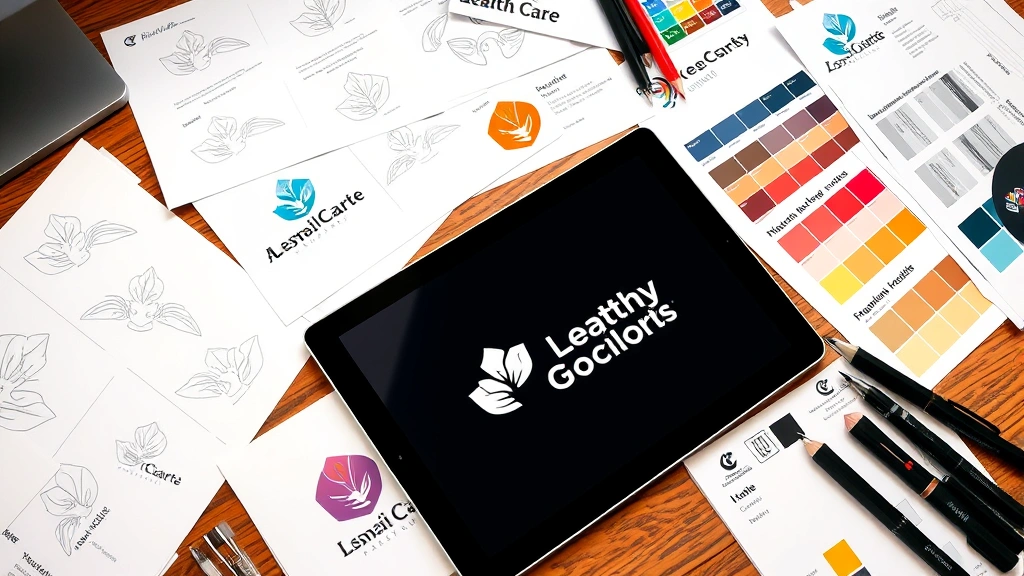
Color choice in your health care logo design carries psychological weight that directly influences patient perception. Blue, for example, dominates the health care industry because it evokes trust, calm, and professionalism. Studies consistently show that blue is associated with healing and stability—qualities essential in medical settings. However, using blue doesn’t guarantee success; the specific shade, saturation, and context matter tremendously.
Green represents growth, renewal, and natural wellness, making it popular among holistic health practices, dental offices, and wellness centers. Red traditionally symbolizes urgency and energy, which explains its prominence in emergency services and first aid organizations. However, using pure red as a primary logo color for general health care practices can feel aggressive or overly stimulating to anxious patients.
White space in health care logos communicates cleanliness, clarity, and professionalism. Many successful medical logos use white backgrounds or incorporate white as a secondary color to enhance readability and convey sterility. The combination of white with primary colors creates visual balance and professional appeal.
Beyond individual colors, consider cultural symbolism. The cross is universally recognized in Western health care contexts, but its religious connotations may not resonate with all patient populations. Similarly, certain color combinations carry different meanings across cultures. A thoughtful designer researches your specific market and patient demographics to ensure your color choices are inclusive and appropriate.
Your logo’s color palette should include primary colors, secondary colors, and grayscale versions. Your logo must remain effective whether it appears in full color on your website or in black and white on printed materials. This versatility ensures consistent branding across all patient touchpoints. For those interested in deepening their understanding of health care branding and wellness concepts, our health and wellness degree information provides educational pathways into the industry.
Essential Design Elements for Medical Logos
Effective health care logos typically incorporate specific visual elements that patients immediately associate with medical care. Understanding how to leverage these elements creates stronger brand recognition and patient trust.
Medical Symbols: The caduceus (intertwined snakes around a winged staff) and the Rod of Asclepius (single snake around a staff) are classic medical symbols with centuries of history. While recognizable, using these symbols requires nuance—they can feel clichéd if not integrated creatively into your overall design.
Geometric Shapes: Circles suggest wholeness and completeness, often representing health and wellness. Squares and rectangles communicate stability and professionalism. Hexagons have gained popularity in modern health care branding, suggesting precision and scientific advancement. Crosses remain powerful symbols, particularly for hospitals and emergency services.
Typography: Font choice significantly impacts how patients perceive your practice. Clean, modern sans-serif fonts communicate professionalism and accessibility. Serif fonts can feel more established and traditional. Your chosen typeface should be highly legible, especially when scaled down for business cards or digital applications. Many successful health care logos pair a distinctive mark with a carefully selected typeface that reinforces brand personality.
Iconography: Subtle icons representing your specialty—heartbeats, prescription symbols, wellness concepts—can enhance your logo without overwhelming it. The key is restraint; too many icons create visual clutter and diminish impact.
The most successful health care logos balance recognizable medical elements with distinctive design that sets your practice apart from competitors. Generic medical imagery may communicate your industry but fails to differentiate your brand in patients’ minds.

Common Design Mistakes to Avoid When Creating Your Health Care Logo
Understanding what doesn’t work proves just as valuable as knowing what does. Many health care practices make preventable mistakes that undermine their branding efforts.
Overcomplication: Adding too many design elements, colors, or details creates logos that don’t scale well and are difficult to remember. Your logo should work effectively at any size, from a tiny app icon to a large wall sign. If your design becomes illegible when reduced, it’s too complex.
Trendy Design Choices: Following design trends too closely results in logos that feel dated within a few years. While incorporating contemporary design sensibilities is appropriate, avoid design elements that are obviously trendy. Your logo should be timeless enough to serve your practice for 5-10 years without requiring a complete redesign.
Poor Color Combinations: Selecting colors based on personal preference rather than psychology and accessibility creates problems. Ensure sufficient contrast between your logo colors for readability. Avoid color combinations that appear muddy or clash when printed. Test your logo colors in various lighting conditions and printing scenarios.
Ignoring Scalability: Logos must work at all sizes. If your logo looks great on your website but becomes unrecognizable when printed on a pen, you have a scalability problem. Always test your design at various scales before finalizing it.
Generic Medical Imagery: Using stock images of stethoscopes, syringes, or generic heartbeats without modification creates logos that feel impersonal and forgettable. Patients encounter these images constantly and won’t associate them specifically with your practice.
Accessibility Oversights: Failing to consider accessibility needs limits your logo’s effectiveness. Ensure your logo works for colorblind patients by not relying solely on color differentiation. Maintain sufficient contrast for patients with vision challenges. These considerations aren’t just ethical—they expand your potential patient base.
The Health Care Logo Design Process: Step by Step
Professional logo design follows a structured process that ensures thoughtful, strategic results.
Step 1: Discovery and Research begins with understanding your practice deeply. Define your mission, values, target patients, and competitive landscape. Research how similar practices brand themselves. Identify what resonates with your patient population and what feels outdated. This research phase informs every subsequent design decision.
Step 2: Concept Development involves brainstorming multiple design directions. Skilled designers create 3-5 distinct concepts rather than variations on a single idea. Each concept should reflect different aspects of your brand personality and values. This exploration ensures you’re not settling on the first idea that comes to mind.
Step 3: Refinement takes your preferred concepts and develops them further. This stage involves adjusting proportions, refining typography, experimenting with color variations, and testing scalability. Feedback from practice leadership and trusted colleagues helps identify which direction resonates most strongly.
Step 4: Finalization locks in your chosen design and creates comprehensive brand guidelines. These guidelines specify color codes (RGB, CMYK, Pantone), typography rules, spacing requirements, and acceptable logo variations. Clear guidelines ensure consistency across all applications.
Step 5: Implementation applies your new logo across all patient touchpoints—website, signage, business cards, uniforms, patient materials, and social media. Coordinated implementation strengthens brand recognition and demonstrates professionalism to patients.
This methodical approach prevents hasty decisions and ensures your final logo represents your practice authentically. For those developing practices with holistic wellness components, understanding essential mental health awareness facts can inform branding that addresses whole-person care.
Current Design Trends in Health Care Branding
While timelessness matters, understanding current trends helps create logos that feel contemporary without appearing dated. Several trends are shaping health care logo design in 2024 and beyond.
Minimalism: Clean lines, simple shapes, and white space dominate modern health care branding. Minimalist logos feel professional, modern, and accessible. This trend reflects a broader shift toward clarity and simplicity in medical communication.
Warm Color Palettes: While blue remains popular, many health care organizations are incorporating warmer tones—soft oranges, warm grays, and natural earth tones—to feel more approachable and human. This trend reflects a shift toward patient-centered care and emotional intelligence in medicine.
Custom Iconography: Rather than using standard medical symbols, practices are developing custom icons that represent their specific values or specialties. This differentiation helps logos stand out in crowded markets.
Dynamic Logos: Some health care brands are creating logos that adapt slightly across different applications while maintaining core recognition. This flexibility works particularly well for larger health systems with multiple departments or locations.
Inclusive Design: Contemporary health care logos increasingly reflect diverse patient populations through thoughtful imagery and color choices. Inclusive design isn’t just ethical—it strengthens patient connection and demonstrates organizational values.
Wellness Integration: As health care expands beyond treating illness to promoting wellness, logos increasingly incorporate growth, renewal, and vitality concepts alongside traditional medical imagery.
Implementation and Brand Guidelines for Your Health Care Logo
Creating your health care logo is just the beginning. Proper implementation across all patient touchpoints maximizes its impact and builds strong brand recognition.
Comprehensive brand guidelines document how your logo should be used consistently. These guidelines specify logo dimensions, minimum sizes, clear space (space that must surround your logo), and color specifications in multiple formats. They address logo variations—horizontal vs. vertical versions, icon-only versions, and grayscale applications. Clear guidelines prevent misuse that could damage your brand.
Your logo should appear consistently on all patient-facing materials: website headers, email signatures, business cards, appointment cards, patient forms, signage, and social media profiles. Consistency across touchpoints builds recognition and reinforces professionalism.
Digital implementation requires particular attention. Your logo must appear crisp on all screen sizes and resolutions. Test your logo design on various devices—smartphones, tablets, desktops—to ensure it maintains visual integrity. Your website header is often the first place patients encounter your logo, so this placement deserves special consideration.
Signage implementation in your physical office space creates powerful brand presence. Your logo should be visible in reception areas, examination rooms, and any patient-visible spaces. Professional signage communicates that you take your brand seriously and demonstrates investment in patient experience.
Printed materials like business cards, letterhead, and patient brochures provide repeated logo exposure. Ensure your logo is printed with sufficient quality and resolution. Professional printing elevates patient perception of your practice.
Social media profiles offer additional branding opportunities. Your logo as a profile picture, combined with consistent color palettes and visual themes in your posts, creates cohesive brand presence across digital platforms. For practices incorporating wellness education, our Life Haven Daily Blog demonstrates how to communicate health information while reinforcing your brand identity.
Frequently Asked Questions About Health Care Logo Design
How much should I invest in professional logo design?
Professional health care logo design typically ranges from $500-$3,000, depending on designer experience and revision rounds. While DIY logo makers exist, health care branding warrants professional expertise. A well-designed logo serves your practice for years and influences patient perception daily—it’s an investment in your professional image and patient trust.
Can I use medical symbols like the caduceus in my logo?
Medical symbols are generally available for use, but context matters. Using a symbol without modification or integration into a unique design feels generic. The most effective health care logos integrate traditional symbols creatively rather than simply replicating them. Consider whether a symbol is necessary or if your practice’s unique characteristics could form your logo’s foundation.
How often should I update my health care logo?
A well-designed logo should serve your practice for 5-10 years. Rather than complete redesigns, consider subtle refinements as your practice evolves. Major rebranding efforts should align with significant practice changes—mergers, relocations, or expansion into new services. Frequent logo changes confuse patients and waste the brand recognition you’ve built.
What’s the difference between a logo and a full brand identity?
Your logo is a single visual element, while brand identity encompasses your logo, color palette, typography, imagery style, tone of voice, and overall visual presence. A complete brand identity ensures consistency across all patient touchpoints. Many health care practices benefit from developing comprehensive brand identities rather than logos alone.
Should my logo include my practice name?
Logos can be symbol-only, text-only, or combined. Symbol-only logos work well for established practices with strong recognition, while newer practices often benefit from including their name. Combined logos—symbol plus text—provide flexibility for different applications. Consider your practice’s visibility and name recognition when deciding.
How do I ensure my logo appeals to my target patient population?
Test your logo concepts with actual or representative patients from your target population. Gather feedback on how the design makes them feel and whether it communicates trustworthiness and professionalism. Diverse perspectives prevent blind spots and ensure your logo resonates across your intended patient base.
What file formats do I need for my logo?
Your designer should provide your logo in multiple formats: vector files (AI, EPS) for scaling without quality loss, high-resolution raster files (PNG, JPG) for digital use, and PDF for printing. Vector files are essential for professional applications like large signage or embroidery.