

Grocery Allowances with Health Insurance: Top Picks for Wellness-Focused Coverage
The intersection of preventive healthcare and nutrition has never been more important. Modern health insurance plans are evolving beyond traditional medical coverage, now recognizing that what you eat directly impacts your overall wellbeing. Health insurance that gives you grocery allowances represents a revolutionary shift in how insurers support their members’ holistic health journeys. These innovative plans combine medical protection with tangible nutrition benefits, allowing you to invest in quality food while enjoying comprehensive healthcare coverage.
If you’re tired of choosing between affording premium groceries and maintaining health insurance, you’re not alone. Many Americans struggle with this exact dilemma, especially when managing chronic conditions that require dietary modifications. The good news? Leading insurance providers are now offering integrated wellness programs that include grocery credits, nutrition counseling, and food delivery partnerships. This comprehensive approach acknowledges a fundamental truth: sustainable health begins at the grocery store.
What You’ll Discover
- Understanding Grocery Allowances in Health Insurance
- Top Health Insurance Plans with Grocery Benefits
- How Grocery Allowance Programs Work
- Key Benefits for Your Lifestyle
- Choosing the Right Plan for You
- Frequently Asked Questions
Understanding Grocery Allowances in Health Insurance
Grocery allowances in health insurance represent a paradigm shift in how we approach preventive care. Rather than waiting for health problems to develop, progressive insurers are investing in prevention through nutrition support. These allowances typically manifest as monthly credits ranging from $50 to $200, deposited directly into digital wallets or provided through partner grocery chains and health-focused retailers.
The concept emerged from extensive research showing that food insecurity and poor nutrition directly correlate with higher medical costs. When individuals struggle to afford nutritious foods, they’re more likely to develop obesity, diabetes, cardiovascular disease, and other chronic conditions requiring expensive treatments. By subsidizing healthy grocery purchases upfront, insurance companies reduce downstream medical expenses while improving member satisfaction and health outcomes.
These programs often distinguish between eligible and ineligible purchases. Typically covered items include fresh produce, lean proteins, whole grains, and dairy products. Excluded items usually encompass sugary beverages, processed snacks, alcohol, and convenience foods. Some plans use sophisticated algorithms to identify the most nutritionally dense options, essentially guiding your shopping decisions toward items that maximize both nutrition and budget efficiency.
Understanding the nuances of wellness coverage through lifestyle resources can help you make informed decisions about which plan suits your family’s needs best.

Top Health Insurance Plans with Grocery Benefits
UnitedHealthcare Motion
UnitedHealthcare’s Motion program stands out as one of the most comprehensive grocery allowance offerings. Members receive monthly incentives that can be converted into grocery credits at major chains including Whole Foods, Kroger, and Safeway. The program rewards healthy behaviors—exercise tracking, preventive screenings, and medication adherence—by increasing your monthly allowance up to $300. This gamification approach motivates sustained wellness engagement while providing genuine financial relief at checkout.
Humana SmartShopper
Humana’s SmartShopper initiative provides $75-$150 monthly in grocery allowances specifically designed for members managing chronic conditions. The program pairs allowances with personalized nutrition coaching from registered dietitians. If you’re managing diabetes, heart disease, or obesity, this plan offers targeted nutrition guidance aligned with your specific health needs. The integration of professional nutrition support elevates this beyond simple grocery credits to genuine health transformation.
Aetna Whole Health
Aetna’s Whole Health plans incorporate grocery benefits through partnerships with Amazon Fresh and local farmers markets. Members receive $100 monthly allowances that extend to organic produce, pasture-raised proteins, and specialty dietary products. What makes Aetna distinctive is their focus on food diversity—the plan encourages exploration of different cuisines and ingredients, recognizing that sustainable healthy eating requires variety and cultural authenticity.
Cigna Connect
Cigna’s Connect plans offer flexible grocery allowances through a digital app that tracks your purchases and provides real-time nutritional feedback. Members receive $60-$120 monthly and can access meal planning tools, recipe databases, and grocery delivery partnerships. The app integration means you’re not just getting grocery money; you’re receiving ongoing nutrition education and personalized shopping recommendations.
Oscar Health Fresh Food Benefit
Oscar Health, the tech-forward insurer, provides particularly innovative grocery benefits through partnerships with local organic markets and meal delivery services. Members in qualifying plans receive $50-$100 monthly plus discounted rates on premium meal prep services. Oscar’s approach emphasizes convenience, recognizing that busy professionals need grocery benefits that integrate seamlessly into their lifestyle.
How Grocery Allowance Programs Actually Work
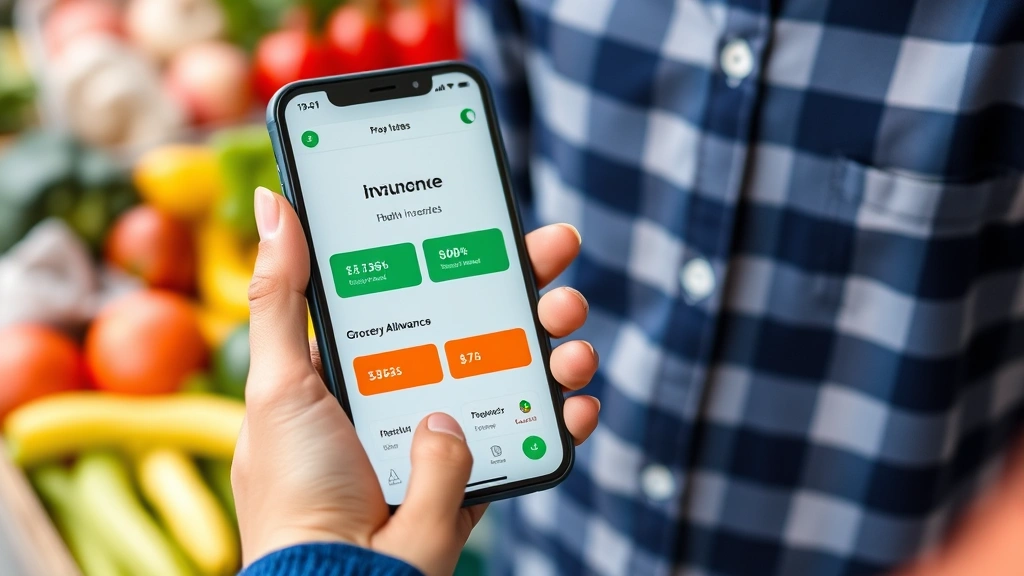
The mechanics of grocery allowance programs vary slightly between insurers, but the general framework remains consistent. Upon enrollment, you’ll receive a digital debit card, special codes, or app-based credits loaded monthly. Some plans use a reloadable prepaid card specifically for grocery purchases, while others integrate with your existing payment methods through partner networks.
Here’s the typical workflow: First, you enroll in an eligible health plan offering grocery benefits. Within 2-4 weeks, your first month’s allowance appears in your account. You can then use these credits at participating retailers—which typically include major supermarket chains, specialty health food stores, and increasingly, online grocery services. Many programs track your purchases in real-time, showing nutritional information and suggesting healthier alternatives.
What distinguishes premium programs is their integration with wellness tracking. Your mental and physical health awareness is supported through data showing how your grocery choices correlate with health metrics. Some advanced programs connect with fitness trackers, allowing you to see the relationship between your nutrition purchases and exercise activity, creating a comprehensive wellness picture.
Importantly, most programs don’t require you to meet specific health benchmarks to access basic grocery allowances. However, earning maximum benefits often involves completing health screenings, attending wellness appointments, or meeting activity goals. This incentive structure encourages ongoing health engagement rather than punishing those with existing health conditions.
Key Benefits for Your Lifestyle
Financial Relief at the Checkout
The most immediate benefit is tangible savings. For a family spending $600-$800 monthly on groceries, a $100-$200 allowance represents 12-33% of expenses. Over a year, that translates to $1,200-$2,400 in direct savings. This relief is particularly meaningful for families navigating tight budgets while trying to maintain healthy eating habits.
Motivation for Healthier Choices
Grocery allowances that specifically cover nutritious foods create positive behavioral reinforcement. You’re not just being told to eat healthier; you’re being financially incentivized to do so. This removes a major barrier to healthy eating: cost. When premium vegetables, lean proteins, and whole grains are effectively subsidized, they become accessible choices rather than luxury items.
Support for Dietary Requirements
Individuals managing specific health conditions—diabetes, celiac disease, hypertension, kidney disease—often require specialized diets that are more expensive than standard grocery options. Grocery allowances make medically necessary dietary modifications financially feasible. Someone managing diabetes can afford the premium proteins and low-glycemic produce their condition requires.
Reduced Medical Costs Long-Term
While not immediately visible, the long-term financial benefit is substantial. Studies show that comprehensive nutrition support reduces emergency room visits, hospitalizations, and chronic disease management costs. Your insurance company isn’t just being generous; they’re investing in your long-term health economics. Better nutrition now means lower medical expenses later.
Holistic Wellness Integration
The best programs recognize that grocery allowances are one component of comprehensive wellness. They pair nutritional support with mental health resources, fitness benefits, and preventive care. This integrated approach, which aligns with stress management and holistic wellness strategies, creates genuine lifestyle transformation rather than addressing nutrition in isolation.
Choosing the Right Plan for Your Specific Needs
Selecting a health insurance plan with grocery allowances requires assessing multiple factors beyond the allowance amount itself. First, evaluate the eligible retailers. A generous allowance is meaningless if partner stores aren’t convenient to your location. Check whether the plan covers online grocery delivery, crucial for those with mobility limitations or busy schedules.
Second, examine what items qualify. Some plans offer broader coverage (including prepared healthy foods and supplements) while others restrict allowances to raw ingredients. If you’re managing complex dietary needs—kosher requirements, vegan preferences, food allergies—verify that the plan accommodates your specific nutritional reality.
Third, assess the integration with other wellness benefits. Does the plan include nutrition counseling? Are there fitness benefits? Does it connect with mental health support? The growing field of health and wellness careers reflects how comprehensive these benefits have become. Look for plans offering coordinated care across multiple wellness dimensions.
Fourth, understand the incentive structure. Does the allowance decrease if you don’t meet health goals? Are there ways to earn additional credits through healthy behaviors? Some individuals thrive with gamification, while others find bonus structures stressful. Choose a plan aligned with your psychological preferences around health motivation.
Finally, consider the plan’s approach to dietary diversity and cultural food preferences. The best plans recognize that sustainable healthy eating incorporates cultural traditions and diverse cuisines. Avoid plans that impose restrictive definitions of “healthy” food, instead seeking those celebrating nutritional diversity.
For deeper exploration of health-focused career paths and wellness education, the comprehensive wellness job guide provides insights into how the industry is evolving to support holistic health.
Frequently Asked Questions
Do grocery allowances affect my deductible or out-of-pocket maximum?
No. Grocery allowances are separate benefits not applied to your deductible, out-of-pocket maximum, or copays. They’re pure additions to your coverage, providing nutritional support independent of your medical benefits structure.
Can I use grocery allowances for non-food items?
Generally, no. Most programs restrict allowances to food items, explicitly excluding vitamins, supplements, non-food health products, and household items. Some plans are expanding to include specific supplements like omega-3s or probiotics, but this varies significantly.
What happens to unused allowances each month?
This depends on your specific plan. Some plans allow rollover to the following month, while others operate on a “use it or lose it” basis. Check your plan documents carefully. Plans with rollover provisions offer more flexibility for families with variable grocery needs.
Are grocery allowances taxable income?
No. When administered properly through employer-sponsored plans, grocery allowances aren’t considered taxable income. They’re treated as health benefits, similar to other wellness program incentives. However, consult your tax advisor for your specific situation.
Do all family members benefit from the allowance?
Typically, one allowance is provided per plan regardless of family size. Some plans offer additional allowances for dependent children or spouses on family plans, but this varies. Confirm with your specific insurer whether family-based plans increase allowances proportionally.
How do grocery allowances work with HSAs or FSAs?
Grocery allowances are separate from HSA/FSA benefits. You can use both simultaneously—the grocery allowance subsidizes your food purchases while HSA/FSA funds cover qualified medical expenses. This combination provides comprehensive financial support for health-related expenses.
Can I switch plans mid-year to access grocery benefits?
Generally, no. Grocery benefits are tied to your health plan selection during open enrollment or qualifying life events. However, if a qualifying event occurs (job change, marriage, birth), you may be able to switch plans outside normal enrollment periods.
Do pre-existing conditions affect eligibility for grocery allowances?
No. Grocery allowances are available regardless of health status. Unlike certain medical benefits, these nutrition programs specifically aim to support individuals managing chronic conditions. This universal access is one of their most significant advantages.
Exploring resources on mental health and wellness can complement your nutrition journey, as mental wellbeing significantly influences dietary choices and health outcomes.
Making Your Grocery Allowance Work
Beyond selecting the right plan, maximizing your grocery allowance requires intentional strategy. Start by learning which retailers offer the best selection of covered items at competitive prices. Many people discover that specialty health food stores, while sometimes pricier, offer superior quality products and more diverse options than conventional supermarkets.
Consider meal planning as a complementary strategy. When you plan meals around nutritious, allowance-covered items, you’re essentially stretching your benefits further. Many insurance plans provide meal planning tools and recipe databases—use these resources to align your cooking with your nutrition goals.
Finally, leverage the educational components of your plan. Most comprehensive programs include nutrition coaching, webinars, and resources. These educational benefits often prove more valuable than the allowance itself, providing knowledge enabling lifelong healthy eating habits.
The evolution of health awareness and emotional intelligence in personal wellness demonstrates how modern healthcare recognizes the psychological dimensions of healthy eating. The best nutrition support acknowledges that sustainable dietary change requires emotional intelligence and self-awareness, not just financial incentives.
Final Thoughts
Health insurance that gives you grocery allowances represents genuine progress in American healthcare. These programs acknowledge that nutrition is preventive medicine, that healthy eating shouldn’t require financial sacrifice, and that insurance companies benefit when members thrive. As you evaluate coverage options, prioritize plans offering comprehensive grocery benefits aligned with your lifestyle, dietary preferences, and health goals. The intersection of affordability and wellness is no longer a distant ideal—it’s available today through innovative health insurance plans recognizing that true health begins at the grocery store.