

Top MPH Careers: Industry Insights & Opportunities
A Master of Public Health (MPH) degree opens doors to some of the most rewarding and impactful careers in healthcare and beyond. Whether you’re passionate about disease prevention, environmental health, or community wellness, an MPH equips you with the expertise to drive meaningful change at local, national, and global levels. The field has evolved dramatically over the past decade, with emerging specializations and unprecedented demand for public health professionals across diverse sectors.
The job market for MPH graduates continues to expand as organizations recognize the critical value of public health expertise in addressing contemporary challenges—from pandemic preparedness to health equity initiatives. If you’re considering this advanced degree or exploring career pathways, understanding the landscape of masters in public health jobs is essential for making informed decisions about your professional future.
Table of Contents
- Epidemiology & Disease Prevention
- Environmental Health Specialists
- Maternal and Child Health Programs
- Health Policy & Administration
- Global Health & International Development
- Biostatistics & Data Science
- Community Health & Health Promotion
- Frequently Asked Questions
Epidemiology & Disease Prevention: The Foundation of Public Health
Epidemiologists are the detectives of public health, investigating disease patterns, outbreak origins, and prevention strategies. This is arguably the most recognized MPH career path, and for good reason. Epidemiologists work across government agencies, research institutions, and private organizations to track health trends and implement interventions that save lives.
The Bureau of Labor Statistics reports strong job growth in this sector, with epidemiologists earning competitive salaries ranging from $65,000 to over $120,000 annually depending on experience and location. Entry-level positions typically require an MPH with coursework in epidemiological methods, while senior roles often demand a PhD or extensive field experience.
Common employers include the Centers for Disease Control and Prevention (CDC), state and local health departments, the World Health Organization, and pharmaceutical companies. Many epidemiologists specialize in infectious disease, chronic disease, or occupational health. The COVID-19 pandemic dramatically increased visibility and demand for epidemiologists, creating unprecedented career opportunities.
To excel in epidemiology, develop strong skills in statistical analysis, research design, and data interpretation. Consider pursuing additional certifications like the Certified Epidemiologist credential to enhance your marketability in this competitive field.
Environmental Health Specialists: Protecting Community Wellness
Environmental health professionals focus on how physical, chemical, and biological factors in our surroundings affect human health. This specialty appeals to those interested in health and wellness degree programs that emphasize prevention and community impact.
Environmental health specialists work on diverse projects including water quality monitoring, food safety inspection, air quality assessment, and hazardous waste management. They might investigate contamination sites, develop regulatory compliance programs, or conduct environmental health impact assessments for development projects.
Salary ranges from $50,000 to $95,000 annually, with opportunities in government agencies, consulting firms, nonprofits, and private industry. The U.S. Environmental Protection Agency (EPA), state environmental departments, and municipal health departments are primary employers. As climate change and environmental justice gain prominence, demand for environmental health experts continues rising.
This career path particularly suits individuals who want to see tangible, measurable impacts on community health. You’ll often work directly with residents, conduct field investigations, and testify before regulatory bodies. Strong communication skills are as important as technical expertise in this role.
Maternal and Child Health Programs: Building Healthy Futures
Maternal and child health (MCH) specialists design and implement programs that improve health outcomes for women, infants, and children. This specialty resonates with those passionate about reducing health disparities and supporting vulnerable populations.
Professionals in this field work on initiatives addressing prenatal care, childhood immunizations, infant mortality reduction, and adolescent health. They partner with hospitals, community health centers, school districts, and nonprofit organizations to create comprehensive health programs.
The MCH workforce faces critical staffing shortages in many regions, particularly in rural and underserved areas, creating excellent job prospects. Salaries typically range from $55,000 to $90,000, with advancement to management positions offering higher compensation. Many MCH specialists eventually lead entire health department divisions or nonprofit organizations.
Success in this field requires cultural competency, empathy, and commitment to health equity. You’ll work with diverse populations, navigate complex social determinants of health, and advocate for policy changes that support maternal and child welfare. This specialty aligns well with broader interests in stress reduction and wellness strategies for entire communities.
Health Policy & Administration: Shaping Healthcare Systems
Health policy professionals influence healthcare at the highest levels, working on legislation, regulatory development, and organizational strategy. This career path appeals to those with leadership ambitions and interest in systemic change.
Policy analysts work in government offices, think tanks, consulting firms, and advocacy organizations. They analyze health data, evaluate program effectiveness, and develop recommendations that shape healthcare delivery and public health priorities. Their work directly influences how billions of dollars are allocated and how millions of people access care.
Salaries in health policy are exceptionally competitive, ranging from $70,000 for entry-level positions to $150,000+ for senior roles in prestigious organizations. Government positions offer stability and benefits, while consulting and nonprofit roles often provide more dynamic project variety.
To succeed in health policy, develop expertise in health economics, organizational management, and political processes. Many professionals combine their MPH with additional credentials like MPA (Master of Public Administration) or MBA. Understanding healthcare financing, insurance mechanisms, and regulatory frameworks is essential.
This specialty offers unique opportunities to influence major public health initiatives at state and federal levels. You might work on pandemic response policies, healthcare reform legislation, or Medicaid expansion programs—work that impacts entire populations.
Global Health & International Development: Making Worldwide Impact
Global health professionals address health challenges in low- and middle-income countries, working on disease control, health system strengthening, and capacity building. This specialty attracts idealistic professionals seeking to work across cultures and borders.
Career opportunities span international organizations (WHO, UNICEF, World Bank), NGOs (Partners in Health, Doctors Without Borders), government agencies (USAID), and academic institutions. Professionals might work on maternal mortality reduction in Sub-Saharan Africa, tuberculosis control in Southeast Asia, or health system development in the Middle East.
Global health salaries vary widely based on organization and location, ranging from $45,000 for entry-level NGO positions to $120,000+ for senior roles at major international organizations. Many positions include housing and hardship allowances when working in resource-limited settings.
This career path requires flexibility, cultural sensitivity, and tolerance for uncertainty. You’ll work in challenging environments, navigate complex political contexts, and manage limited resources. However, the opportunity to directly improve health outcomes for vulnerable populations worldwide is deeply fulfilling for many professionals.
Consider gaining international experience early in your career through volunteer positions, internships, or fellowship programs. Organizations like Peace Corps offer excellent opportunities to build global health experience while serving communities in need.
Biostatistics & Data Science: The Numbers Behind Public Health
Biostatisticians and data scientists are increasingly central to public health work, analyzing complex health data to inform policy and practice. This specialty suits analytical minds with strong quantitative skills.
These professionals work on disease surveillance systems, clinical trial analysis, health disparities research, and program evaluation. They develop statistical models, manage health databases, and communicate findings to both technical and non-technical audiences.
Biostatistics offers some of the highest salaries in public health, with entry-level positions starting at $65,000 and senior positions reaching $150,000+. Demand for these skills far exceeds supply, creating exceptional job security and career flexibility. You might work in academia, government agencies, pharmaceutical companies, or healthcare organizations.
To excel in biostatistics, develop proficiency in statistical software (R, SAS, Python), epidemiological study design, and data visualization. Many professionals pursue additional training in machine learning and advanced statistical methods. An MPH combined with strong quantitative coursework is highly marketable.
The field is rapidly evolving with artificial intelligence and predictive analytics becoming increasingly important. Professionals who combine biostatistics expertise with emerging data science skills are particularly valuable and command premium salaries.

Community Health & Health Promotion: Grassroots Impact
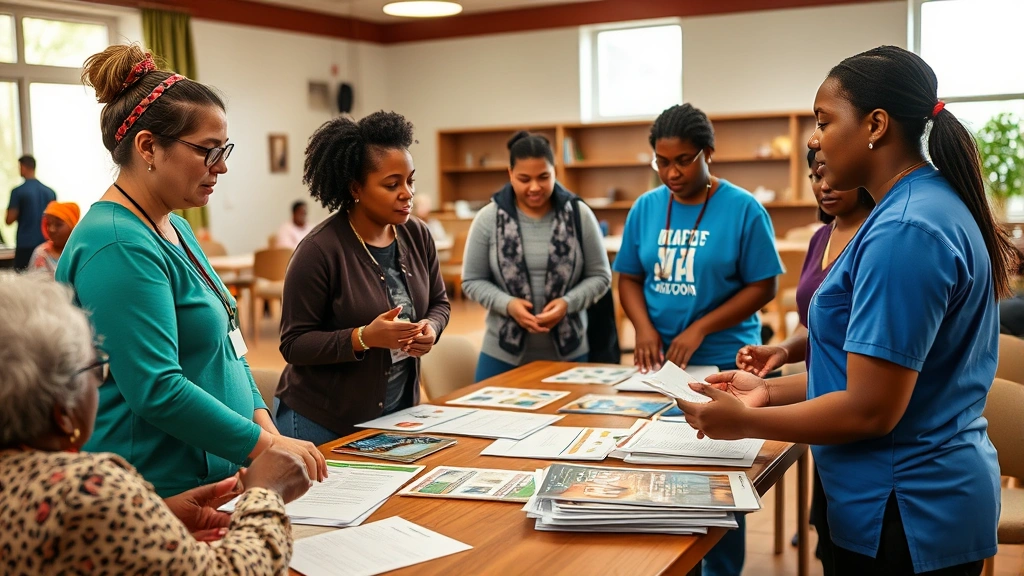
Community health professionals work directly with populations to improve health behaviors and outcomes. This specialty appeals to those who want hands-on work addressing health disparities and social determinants.
Community health workers, health educators, and health promotion specialists develop programs addressing chronic disease prevention, health literacy, nutrition, physical activity, and substance abuse. They work in community health centers, schools, nonprofits, workplaces, and government agencies.
Salaries range from $40,000 for community health worker positions to $75,000+ for health promotion specialists and program managers. While starting salaries may be modest, management and leadership roles offer significant advancement opportunities. Many professionals transition into broader health career paths after building community health expertise.
Success in community health requires genuine connection with communities, cultural humility, and commitment to addressing health equity. You’ll work on initiatives informed by community input, develop culturally tailored interventions, and measure impact through rigorous evaluation.
This specialty offers unique rewards: you’ll see direct impact on individual lives and community health metrics. Whether working on obesity prevention in rural Appalachia, diabetes management in urban immigrant communities, or mental health awareness initiatives, your work directly improves lives. Explore mental health awareness facts to deepen your understanding of community health challenges.
Frequently Asked Questions
What salary can I expect with an MPH degree?
MPH salaries vary significantly by specialization, experience, and location. Entry-level positions typically range from $45,000 to $65,000, while mid-career professionals earn $75,000 to $100,000. Senior positions in policy, management, or specialized technical roles can exceed $130,000. Government positions often offer excellent benefits and job security, while private sector roles may offer higher salaries.
Is an MPH worth the investment?
For most professionals committed to public health careers, an MPH provides excellent return on investment. The degree opens doors to diverse career paths, offers competitive compensation, and provides deep professional satisfaction. However, consider your specific career goals, program costs, and funding opportunities. Many employers offer tuition assistance, and some positions require an MPH for advancement.
How long does it take to complete an MPH?
Full-time MPH programs typically take 2 years, while part-time programs may take 3-4 years. Some accelerated programs can be completed in 12-16 months, though these are intensive. Online and hybrid programs offer flexibility for working professionals. Additional specializations or dual degrees extend the timeline.
What skills do employers value most in MPH graduates?
Employers prioritize strong analytical skills, data analysis proficiency, research design knowledge, and epidemiological reasoning. Communication skills—both written and verbal—are essential for all roles. Leadership, project management, and program evaluation expertise distinguish top candidates. Technical skills in statistical software and health informatics increasingly important.
Can I work internationally with an MPH degree?
Absolutely. An MPH is highly respected internationally and opens doors to positions with organizations like WHO, UNICEF, and major NGOs. Many programs include international components or field placements. Building international experience through internships or volunteer work strengthens your candidacy for global health positions.
What are the fastest-growing MPH career specialties?
Biostatistics, data science, environmental health, and global health specialties show strongest growth. Maternal and child health positions are expanding in underserved regions. Health policy roles continue growing as healthcare systems evolve. Infectious disease expertise remains in high demand following pandemic awareness.
Do I need additional certifications beyond my MPH?
Additional certifications enhance marketability but aren’t always required. Certified Epidemiologist, Certified Health Education Specialist (CHES), and Project Management Professional (PMP) credentials are valuable. Some positions prefer or require specific certifications. Your MPH foundation is strong; certifications typically add specialized expertise.
How does an MPH compare to other health degrees?
An MPH differs from clinical degrees (MD, RN, DPT) by focusing on population health rather than individual patient care. Compared to MPA or MBA degrees, an MPH provides specialized public health knowledge. Many professionals combine MPH with other degrees for comprehensive expertise. Your choice depends on career aspirations and preferred work environment.
Conclusion: Your Public Health Career Awaits
The landscape of masters in public health jobs offers extraordinary diversity, competitive compensation, and meaningful impact. Whether you’re drawn to epidemiology’s detective work, environmental health’s preventive focus, policy’s systemic change, or community health’s grassroots impact, an MPH provides the foundation for a fulfilling career.
The field continues evolving with emerging specializations in digital health, health equity, climate health, and pandemic preparedness. Public health professionals are increasingly recognized as essential experts, with unprecedented opportunities and resources flowing into the sector.
If you’re passionate about improving population health, addressing health disparities, and creating systemic change, explore MPH programs aligned with your values and career aspirations. Connect with current professionals, visit program websites, and consider informational interviews to understand different career paths.
Your MPH degree isn’t just an investment in your career—it’s an investment in healthier communities and a more equitable world. The opportunities are boundless for those committed to public health excellence.