

Inside a Cardinal Health Warehouse: A Sneak Peek into Modern Healthcare Logistics
Ever wondered where your medications come from before they reach your pharmacy shelf? Behind every prescription filled and every medical supply delivered lies an intricate network of warehouses that keep healthcare running smoothly. Cardinal Health warehouses represent some of the most sophisticated distribution centers in the industry, managing millions of products daily to ensure patients receive the care they need. These facilities are the unsung heroes of modern healthcare, combining cutting-edge technology with meticulous organization to maintain the supply chain that affects millions of lives.
As someone interested in careers in health and wellness, understanding how major healthcare distributors operate offers valuable insight into the industry’s backbone. Whether you’re pursuing health and wellness jobs or simply curious about healthcare infrastructure, this deep dive into Cardinal Health warehouse operations reveals a world of precision, innovation, and dedication to public health.
Table of Contents
- The Massive Scale of Operations
- Technology and Automation Systems
- Product Management and Organization
- Quality Control and Compliance
- The Dedicated Workforce Behind the Scenes
- Sustainability and Innovation
- Frequently Asked Questions
The Massive Scale of Operations
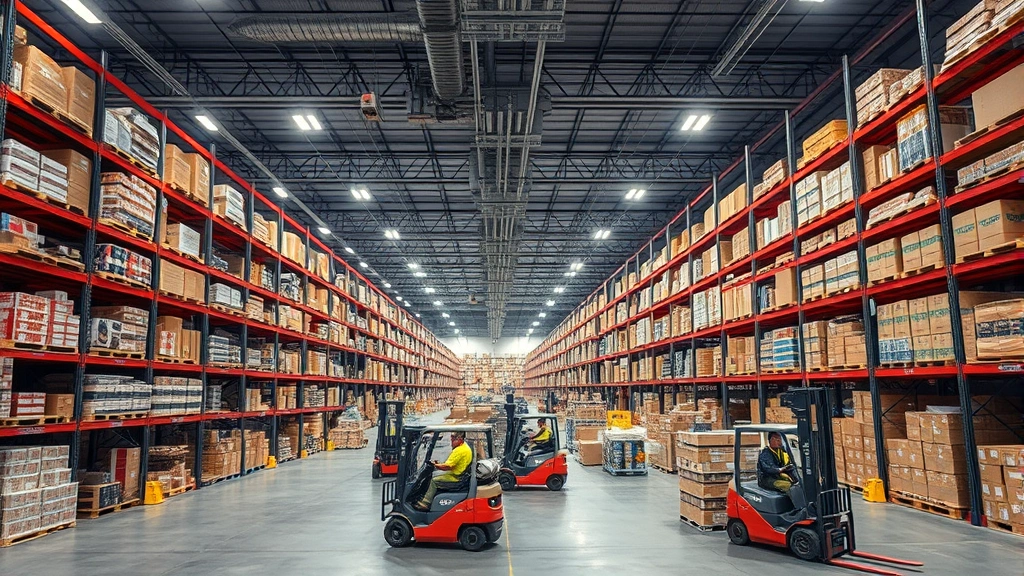
Walking into a Cardinal Health warehouse is like entering a small city dedicated entirely to healthcare distribution. These facilities span hundreds of thousands of square feet, with some locations covering over 500,000 square feet of warehouse space. To put this in perspective, that’s equivalent to nearly nine football fields packed with pharmaceuticals, medical devices, and healthcare supplies.
The sheer volume of products managed daily is staggering. A single Cardinal Health warehouse processes hundreds of thousands of orders every 24 hours, distributing everything from life-saving medications to surgical gloves, from IV fluids to diagnostic equipment. This operation requires military-level precision and coordination. The warehouse network serves thousands of healthcare facilities, including hospitals, pharmacies, clinics, and long-term care facilities across multiple states and regions.
For those interested in understanding the broader healthcare ecosystem, exploring our comprehensive health and wellness resources provides context on how distribution networks support patient care. The complexity of these operations underscores why healthcare professionals need strong foundational knowledge about industry infrastructure.
Temperature control represents one of the most critical operational challenges. Many pharmaceuticals require precise environmental conditions to maintain efficacy. Cardinal Health warehouses maintain multiple climate zones, from standard room temperature storage to refrigerated sections for biologics and vaccines, and ultra-cold zones for specialized medications. These temperature-controlled environments operate 24/7, with backup systems ensuring no interruption in climate management.

Technology and Automation Systems
Modern Cardinal Health warehouses operate as high-tech marvels, leveraging sophisticated automation and software systems that would impress any tech enthusiast. The integration of artificial intelligence, robotics, and advanced inventory management systems creates an ecosystem where human expertise and machine precision work in perfect harmony.
Automated sorting systems can process thousands of items per hour, directing products to their correct destinations with accuracy rates exceeding 99.9%. These systems use barcode scanning, RFID technology, and computer vision to track every single item from the moment it enters the warehouse until it ships out. The data generated feeds into real-time inventory management systems that provide instantaneous visibility into stock levels, expiration dates, and product locations.
Robotic systems handle repetitive heavy-lifting tasks, reducing worker fatigue and injury risk while increasing throughput. Autonomous guided vehicles navigate warehouse floors, transporting pallets and cases to staging areas. Meanwhile, sophisticated software algorithms optimize picking routes for human workers, ensuring they take the most efficient path through the warehouse. According to McKinsey’s healthcare industry insights, automation in pharmaceutical distribution has increased efficiency by up to 40% while maintaining exceptional safety standards.
The warehouse management system (WMS) serves as the central nervous system of the entire operation. This software tracks inventory in real-time, manages orders from receipt through shipment, and coordinates with supplier systems and customer networks. The WMS predicts demand patterns, optimizes storage locations, and alerts managers to potential supply chain disruptions before they impact patient care.
Product Management and Organization
Organization in a Cardinal Health warehouse follows principles that would make any logistics expert proud. Products are categorized, coded, and stored according to multiple systems that balance accessibility, safety, and efficiency. Understanding this organizational structure provides insight into why working in healthcare logistics offers rewarding career opportunities.
The warehouse employs a sophisticated categorization system that groups products by therapeutic category, storage requirements, frequency of orders, and destination. High-velocity items—those ordered most frequently—are stored in easily accessible zones to minimize picking time. Slower-moving specialty pharmaceuticals occupy different zones, organized for accuracy rather than speed. This dynamic organization system adjusts based on seasonal demand patterns and emerging healthcare needs.
Hazardous materials receive special attention with dedicated storage areas that meet strict regulatory requirements. Controlled substances are stored in locked, monitored sections with restricted access and continuous surveillance. The warehouse maintains detailed records of every unit, with DEA compliance integrated into daily operations. This level of security and documentation ensures that even the most sensitive medications are handled with appropriate caution.
Expiration date management represents a critical organizational function. Products are arranged using FEFO (First Expired, First Out) principles, ensuring older stock ships before newer inventory. Computer systems automatically identify items approaching expiration, triggering alerts that prevent expired medications from ever reaching patients. This vigilance protects public health while minimizing waste.
Quality Control and Compliance
Quality assurance in a Cardinal Health warehouse operates under stringent pharmaceutical industry regulations. The FDA, DEA, and various state pharmacy boards maintain oversight, requiring facilities to meet exacting standards that protect patient safety. Every aspect of warehouse operations—from receiving through shipping—includes quality checkpoints.
Upon arrival, all incoming products undergo verification processes. Staff members verify that products match orders, inspect packaging for damage, confirm expiration dates haven’t been exceeded, and check that storage conditions haven’t been compromised during transit. Products failing any quality check are immediately quarantined and investigated. Defective items are documented, suppliers are notified, and corrective actions are implemented.
Throughout storage, regular audits ensure products remain in proper condition. Temperature monitoring systems provide continuous data, with alerts triggering immediately if any zone drifts outside acceptable ranges. Physical inventory counts occur regularly, reconciling computer records with actual stock. Discrepancies trigger investigations to identify causes and implement preventive measures.
Shipping quality control ensures that products leave the warehouse in the same condition they arrived. Orders are verified against customer requirements, packaging is inspected for damage, and products are confirmed to be within expiration dates. Temperature-controlled vehicles maintain proper conditions during transit, with monitoring devices recording environmental data throughout shipment. According to FDA pharmaceutical quality standards, Cardinal Health maintains compliance rates exceeding 99.95% across all quality metrics.
Employees receive extensive training on quality procedures and regulatory compliance. This commitment to excellence reflects the understanding that mistakes in pharmaceutical distribution literally impact lives. Regular training updates ensure staff stay current with regulatory changes and industry best practices. For those interested in this quality-focused work, pursuing relevant educational credentials can open doors to meaningful careers in healthcare logistics.
The Dedicated Workforce Behind the Scenes
Behind every perfectly organized warehouse stands a team of dedicated professionals who bring the operation to life. Cardinal Health warehouse employees come from diverse backgrounds, united by commitment to supporting healthcare delivery. These workers include order pickers, quality control specialists, equipment operators, supervisors, and managers—each playing vital roles in the daily operation.
Order picking represents the most labor-intensive warehouse function. Pickers navigate the facility using mobile devices that display optimal routes to items, quantities needed, and destination information. A skilled picker might retrieve 100-200 items per hour, each requiring accurate identification and placement in the correct order. The role demands attention to detail, physical stamina, and problem-solving skills when unexpected situations arise.
Equipment operators manage the automated systems that form the warehouse backbone. These technicians maintain robotic systems, oversee conveyor operations, monitor barcode scanning equipment, and troubleshoot technical issues. Their expertise ensures that technology continues supporting human workers rather than replacing them. Many warehouse employees advance into supervisory and management roles, making this an excellent entry point for rewarding career paths in healthcare.
Quality control inspectors work diligently to catch any issues before products ship. These meticulous professionals verify orders, inspect packaging, check expiration dates, and ensure products meet all requirements. Their work directly impacts patient safety, making their role both critical and deeply meaningful. Many quality control specialists report high job satisfaction because they understand their work protects the people who depend on these medications.
Safety represents a paramount concern in warehouse environments. Heavy machinery, fast-moving conveyor systems, and stacked inventory create potential hazards. Cardinal Health invests heavily in worker safety training, providing protective equipment, implementing safety protocols, and fostering a culture where workers report hazards without fear. Injury rates in well-managed facilities remain significantly below industry averages, demonstrating that safety and efficiency work together.
Sustainability and Innovation
Modern Cardinal Health warehouses increasingly incorporate sustainable practices that reduce environmental impact while maintaining operational excellence. Energy-efficient LED lighting systems illuminate facilities while consuming a fraction of traditional electricity. Advanced HVAC systems maintain temperature control with minimal energy waste, using smart algorithms to adjust settings based on occupancy and external conditions.
Waste reduction initiatives address the significant packaging materials generated through pharmaceutical distribution. Warehouses implement recycling programs for cardboard, plastic, and other materials. Some facilities have achieved zero-waste goals, diverting all waste from landfills through recycling and composting programs. These efforts align with broader healthcare industry commitments to environmental stewardship.
Packaging optimization represents another sustainability focus. Working with suppliers, Cardinal Health reduces unnecessary packaging while ensuring products remain protected during transit. Smaller, optimized packaging reduces material consumption, lowers shipping weights, and decreases transportation emissions. These innovations demonstrate that environmental responsibility and operational efficiency reinforce each other.
For those interested in exploring the philosophical dimensions of healthcare work, the sustainability movement within pharmaceutical logistics offers meaningful engagement with broader social responsibility. Working in an industry that prioritizes both patient health and environmental stewardship appeals to many healthcare professionals seeking purpose-driven careers.
Innovation in warehouse technology continues advancing rapidly. Emerging technologies like blockchain are being explored to enhance supply chain transparency and product traceability. Artificial intelligence increasingly optimizes demand forecasting, helping warehouses anticipate needs and prevent shortages. According to Supply Chain Brain’s pharmaceutical analysis, investments in warehouse technology are expected to grow 25% over the next five years as the industry embraces digital transformation.
Frequently Asked Questions
What types of products does a Cardinal Health warehouse store?
Cardinal Health warehouses stock an enormous range of products essential to healthcare delivery. This includes prescription medications in various formulations, over-the-counter drugs, biologics, vaccines, surgical supplies, diagnostic equipment, medical devices, IV fluids, wound care products, and specialty pharmaceuticals. The diversity of inventory requires sophisticated organization systems and multiple specialized storage environments to maintain product integrity.
How do warehouses prevent medication errors?
Multiple redundant systems work together to prevent errors. Barcode scanning verifies every item at multiple points—receiving, storage, picking, and shipping. Computer systems cross-reference orders against inventory to ensure correct products are selected. Quality control inspectors perform final verification before shipment. Training emphasizes the critical importance of accuracy, and employees understand that their work directly impacts patient safety. These layered approaches create an error-prevention system where mistakes become virtually impossible.
What safety measures protect workers in these facilities?
Worker safety receives top priority in Cardinal Health warehouses. Comprehensive training programs teach employees how to safely operate equipment, lift heavy items, and navigate the facility. Personal protective equipment is provided and mandatory in appropriate areas. Safety protocols govern the operation of machinery, with guards and automated shutoffs preventing injuries. Regular safety audits identify and address potential hazards. Employees are encouraged to report safety concerns without fear, and near-miss reporting systems help identify risks before they cause injuries.
How do warehouses handle temperature-sensitive medications?
Temperature control represents a core operational function. Multiple climate-controlled zones maintain different temperature ranges—standard room temperature, refrigerated sections around 35-46°F, and ultra-cold zones for specialized products. Continuous monitoring systems track temperatures 24/7, with immediate alerts if any zone drifts outside acceptable ranges. Backup power systems and redundant cooling equipment ensure that temperature control never fails. Temperature-monitoring devices in shipments record conditions during transit, providing proof that products remained properly stored throughout distribution.
What career opportunities exist in pharmaceutical warehouse operations?
Warehouse careers offer diverse pathways for professional growth. Entry-level positions include order picking and basic material handling, requiring no special credentials. Supervisory and management roles require demonstrated leadership and often seek employees with warehouse experience. Quality control positions benefit from attention to detail and sometimes require certification. Equipment operation and maintenance roles appeal to those with technical skills. Many companies, including Cardinal Health, offer tuition assistance for employees pursuing health and wellness degrees or relevant certifications, creating pathways to advancement.
How do warehouses manage the inventory of thousands of products?
Advanced warehouse management systems (WMS) track every item in real-time using barcode and RFID technology. The system knows the precise location of every product, quantity on hand, and expiration dates. Artificial intelligence algorithms optimize storage locations and predict demand patterns. Regular physical inventory counts verify system accuracy. Automated alerts notify managers when stock levels reach reorder points or when items approach expiration. This combination of technology and human oversight ensures inventory accuracy exceeding 99.9%.
What happens if a medication is found to be defective or recalled?
Defective products are immediately quarantined and removed from circulation. If a recall is issued, the warehouse management system can quickly identify all affected inventory locations and generate reports of which facilities received recalled products. Notifications go out immediately to customers, and products are retrieved before they reach patients. Detailed documentation ensures complete traceability throughout the recall process. These systems demonstrate why pharmaceutical distribution requires such sophisticated technology and training.