
Boost Your Community Health: Proven Strategies for Lasting Impact
Building a thriving community starts with intentional health initiatives that touch every aspect of daily life. Whether you’re a neighborhood leader, wellness advocate, or concerned citizen, implementing a community health improvement plan creates measurable change that ripples through families, schools, and local organizations. The most successful communities aren’t those with the most resources—they’re the ones with the most commitment to collective wellbeing.
This comprehensive guide walks you through evidence-based strategies that have transformed neighborhoods across the country. From grassroots wellness programs to systemic health infrastructure improvements, you’ll discover actionable steps to elevate your community’s health outcomes. We’ll explore how strategic planning, community engagement, and consistent follow-through create sustainable health improvements that last for generations.
Ready to become a catalyst for change? Let’s dive into the proven strategies that empower communities to take control of their collective health destiny.
Table of Contents
- Conduct a Comprehensive Health Assessment
- Build Authentic Community Engagement
- Develop Strategic Health Partnerships
- Launch Targeted Wellness Programs
- Prioritize Mental Health and Wellness
- Implement Prevention-First Initiatives
- Track Progress and Celebrate Wins
- Frequently Asked Questions
Conduct a Comprehensive Health Assessment
Every successful community health choices initiative begins with understanding your baseline. A thorough health assessment reveals the specific challenges your community faces, ensuring resources target real needs rather than assumptions.
Start by gathering quantitative data: mortality rates, disease prevalence, healthcare access statistics, and demographic information. Partner with local health departments, hospitals, and clinics to access this information. Simultaneously, conduct qualitative research through surveys, focus groups, and listening sessions with residents. Ask about health concerns, barriers to wellness, and existing community assets.
Key assessment components include:
- Physical Health Metrics: Chronic disease rates, vaccination coverage, obesity statistics, and healthcare provider availability
- Mental Health Status: Depression and anxiety prevalence, suicide rates, substance abuse issues, and access to mental health services
- Social Determinants: Income levels, housing quality, food access, education attainment, and employment opportunities
- Environmental Factors: Air and water quality, green space availability, transportation safety, and built environment design
- Healthcare Infrastructure: Hospital and clinic locations, insurance coverage rates, and specialist availability
Document findings in a comprehensive report that becomes your roadmap. This assessment prevents wasted effort on programs that don’t address actual community needs. Organizations like the Centers for Disease Control and Prevention provide assessment frameworks and tools specifically designed for community health planning.
Build Authentic Community Engagement
Health improvement initiatives fail when communities feel like passive recipients rather than active partners. Authentic engagement means sharing decision-making power and genuinely valuing community wisdom throughout the process.
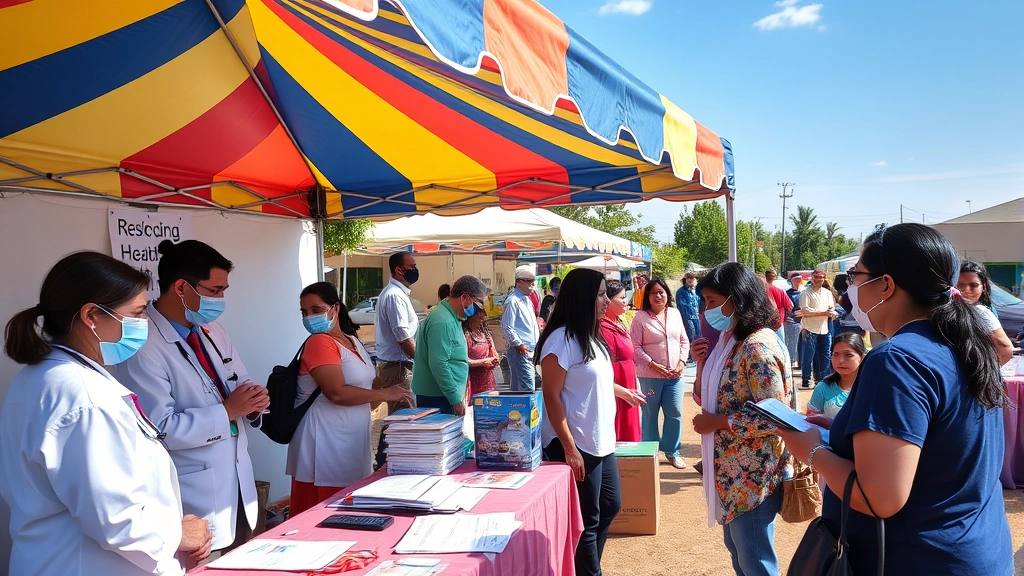
Create multiple pathways for participation that respect different schedules, abilities, and communication styles. Some residents engage through formal committees; others prefer informal conversations. Some communicate verbally; others write better. Offer in-person meetings, virtual options, phone calls, written surveys, and community events.
Establish a diverse advisory council representing your community’s full spectrum: different ages, races, income levels, abilities, and perspectives. Include voices often marginalized in health discussions—people experiencing homelessness, individuals with disabilities, recent immigrants, and those with minimal formal education. Their lived experience provides invaluable insight.
Compensation matters. When you ask community members to contribute expertise and time, pay them fairly. This simple practice demonstrates respect and ensures lower-income residents can participate without financial hardship.
Build trust through transparency. Share assessment findings openly. Explain how community input shaped priorities. Report back on decisions made and why. If you can’t implement a suggestion, explain the constraints honestly. Trust develops through consistent, respectful communication over time.
Develop Strategic Health Partnerships
No single organization can address community health alone. Strategic partnerships multiply your impact by combining resources, expertise, and reach across sectors.
Health partnerships extend beyond traditional medical organizations. Look for synergy with schools, faith communities, employers, nonprofits, government agencies, and businesses. A school district might partner with health providers to offer screening and vaccination clinics. Faith communities often have deep trust and access to vulnerable populations. Employers influence employee and family wellness significantly.
Explore health science careers opportunities within partner organizations. Many professionals want to contribute to community health—they just need clear pathways to engagement. Universities might provide research support, students might volunteer, and faculty might advise initiatives.
Formalize partnerships with memoranda of understanding that clarify:
- Each partner’s roles and responsibilities
- Resource contributions and in-kind support
- Decision-making processes and communication protocols
- Data sharing agreements and privacy protections
- Timeline and milestones
- How success will be measured
- Plans for sustaining partnership beyond initial funding
Seek funding from foundations focused on community health. Organizations like the Robert Wood Johnson Foundation and local community foundations often support comprehensive community health improvement plans. Government grants, corporate sponsorships, and individual donations also fund these initiatives.
Launch Targeted Wellness Programs
Based on your assessment and community input, design specific programs addressing identified needs. Effective programs are evidence-based, culturally appropriate, accessible, and sustainable.
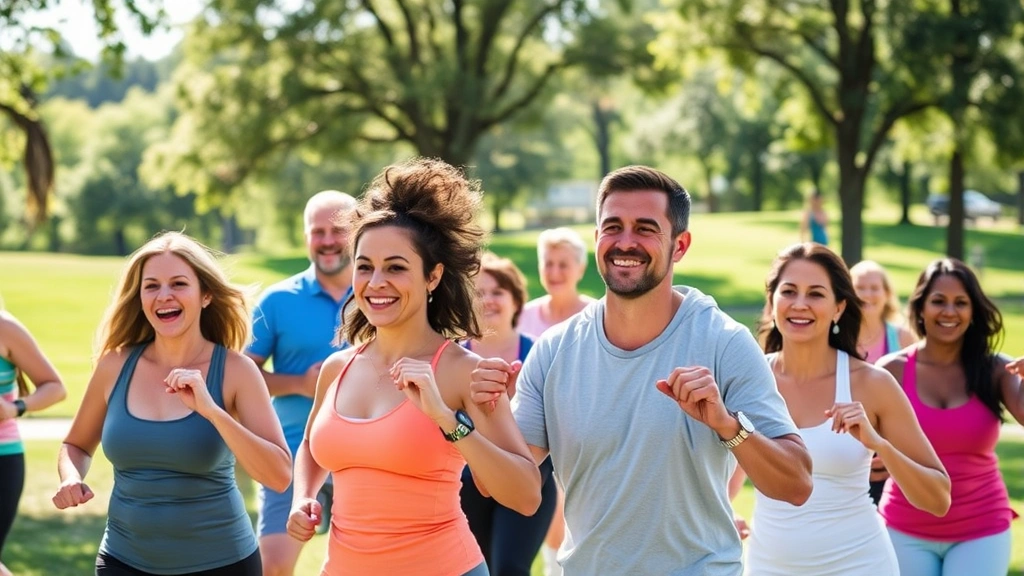
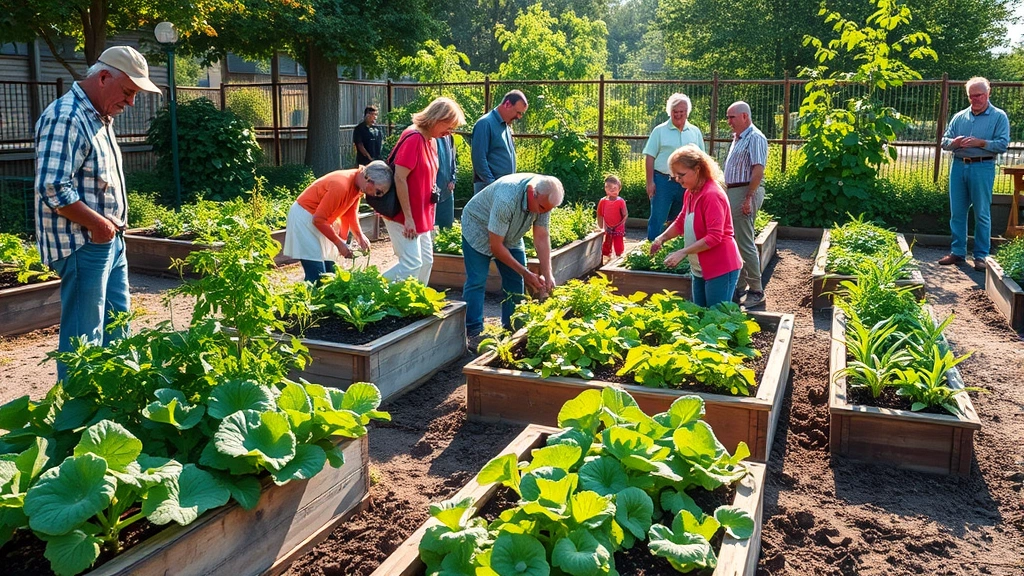
Physical Activity Initiatives: Create safe places for movement. This might include community gardens, walking trails, free fitness classes in parks, youth sports programs, or active transportation infrastructure. Partner with parks departments to improve lighting and safety. Work with schools on physical education and recess time.
Nutrition Programs: Address food access through farmers markets, community gardens, food pantries stocking nutritious options, cooking classes, and nutrition education. Partner with schools on healthy lunch programs. Work with local restaurants and food businesses to offer affordable healthy options.
Chronic Disease Management: Develop programs supporting people managing diabetes, hypertension, heart disease, and respiratory conditions. Offer free or low-cost screening, education classes, support groups, and medication access programs. Train community health workers to provide culturally appropriate guidance.
Tobacco and Substance Abuse Prevention: Implement youth prevention programs, smoking cessation support, and addiction treatment access. Work with schools, youth organizations, and community centers. Partner with healthcare providers on medication-assisted treatment options.
Learn more about how to manage stress at work as part of broader wellness culture. Workplace stress significantly impacts health; community initiatives should address occupational wellbeing.
Prioritize Mental Health and Wellness
Mental health remains underfunded and undersupported in many communities despite its profound impact on overall wellbeing. A comprehensive health improvement plan must prioritize mental health equally with physical health.
Increase access to mental health services by:
- Training community health workers in mental health first aid and peer support
- Expanding counseling services in schools, clinics, and community centers
- Supporting crisis intervention programs and suicide prevention initiatives
- Creating support groups for grief, recovery, parenting, and other needs
- Offering meditation, yoga, and other evidence-based stress-reduction programs
- Reducing stigma through education and peer-led awareness campaigns
Explore mental health books and resources for community education. Knowledge empowers people to recognize signs of mental health challenges and seek help. Create community reading groups discussing mental health topics. Invite authors and experts to speak.
Address social determinants affecting mental health: poverty, discrimination, housing instability, and social isolation. Mental health improves when people have economic security, belonging, and purpose. Community health improvement plans should address these foundational needs.
Implement Prevention-First Initiatives
Prevention is more effective and cost-efficient than treating disease after it develops. A prevention-focused approach addresses risk factors before they cause serious health problems.
Primary Prevention stops disease from occurring in the first place. Vaccination programs, water fluoridation, lead paint removal, and injury prevention all prevent disease development. Universal primary prevention benefits entire populations.
Secondary Prevention catches disease in early stages when treatment is most effective. Screening programs for cancer, heart disease, and diabetes identify problems early. Community health improvement plans should ensure vulnerable populations access screening services.
Tertiary Prevention supports people with existing conditions, preventing complications and progression. Disease management programs, medication adherence support, and rehabilitation services help people live well with chronic conditions.
Explore opportunities within health and wellness degree programs to build community health workforce capacity. Universities can train students in community health, preparing the next generation of professionals committed to prevention-focused work.
Environmental prevention addresses conditions enabling health. Improving air quality prevents respiratory disease. Safe housing prevents injury and infection. Reliable transportation enables healthcare access. Community health improvement plans should include environmental improvements creating health-promoting conditions.
Track Progress and Celebrate Wins
Measurement ensures accountability and guides continuous improvement. From the start, identify specific, measurable outcomes your initiative targets.
Health Outcome Measures: Track disease rates, mortality, vaccination coverage, and other clinical metrics. Compare baseline data with progress annually. Set realistic targets based on what’s achievable given resources and timeframe.
Program Participation Metrics: Monitor how many people engage with programs. Track attendance, completion rates, and demographic characteristics of participants. Ensure programs reach intended populations.
Behavioral Outcome Measures: Assess whether people adopt healthier behaviors. Do participants increase physical activity? Improve diet quality? Reduce substance use? Use surveys and health records to measure change.
Equity Measures: Disaggregate data by race, income, geography, and other factors. Health improvements should benefit everyone, especially those most burdened by health disparities. If certain groups show little improvement, adjust strategies.
Share results transparently with your community. Create infographics, community reports, and presentations celebrating progress. Acknowledge challenges honestly. Celebrate wins—even modest ones—to maintain momentum and community engagement.
Visit your Life Haven Daily Blog for ongoing insights on community health topics and success stories from communities like yours.
Build feedback loops using data to improve programs. If a program isn’t reaching intended participants, ask why and adjust. If outcomes plateau, evaluate whether strategies need refreshing. Continuous improvement based on evidence strengthens initiatives over time.
Frequently Asked Questions
How long does a community health improvement plan take to show results?
Small improvements appear within 6-12 months, but significant health outcome changes typically require 3-5 years of consistent effort. Health is influenced by complex factors; sustainable change takes time. Celebrate interim progress while maintaining long-term commitment.
What if our community lacks funding for comprehensive initiatives?
Start with what you have. Many effective programs cost little—walking groups, community gardens, and peer support require primarily volunteer time and community space. Build partnerships leveraging existing resources. Apply for grants. As you demonstrate impact, funding often follows success.
How do we engage people skeptical of health initiatives?
Meet skepticism with respect and listening. Understand why people distrust health institutions—often based on legitimate historical harm. Build trust slowly through consistent, transparent action. Work with trusted community messengers. Focus on concrete benefits people care about rather than abstract health concepts.
How can we ensure programs reach vulnerable populations?
Intentionally design for inclusion. Remove barriers: offer free services, provide transportation, schedule at convenient times, use accessible locations, offer childcare, communicate in multiple languages. Partner with organizations trusted by vulnerable communities. Pay community members to help design and deliver programs.
What role should government play in community health improvement?
Government provides essential infrastructure, funding, and authority. Public health departments should lead or strongly support community health improvement planning. Local government can enact policies supporting health—zoning for walkability, food access requirements, smoke-free ordinances. But sustainable change requires government and community working together, with genuine community power in decision-making.
How do we sustain initiatives beyond initial funding periods?
Build sustainability from the start. Develop diverse funding streams rather than depending on single grants. Train community members to lead programs rather than relying on outside experts. Integrate successful programs into existing systems—schools, healthcare, government agencies. Document what works so it can be replicated and sustained by others.
Community health improvement represents one of the most meaningful investments communities can make. When you prioritize collective wellbeing, you create ripples extending far beyond health metrics. Stronger communities, more equitable opportunities, and greater social cohesion naturally follow. The strategies outlined here have proven effective across diverse communities. Your community’s specific path will reflect your unique assets, challenges, and vision. Start where you are, use what you have, do what you can—and watch your community transform into a place where everyone can thrive.