

Exploring Erlanger Behavioral Health: Patient Insights and Recovery Stories
Mental health care has evolved dramatically over the past decade, with specialized behavioral health facilities becoming essential pillars of comprehensive healthcare systems. Life Haven Daily Blog recognizes that finding the right treatment facility can transform lives. Erlanger Behavioral Health stands as a beacon of hope for individuals seeking professional support for mental health and substance use challenges. This article explores patient experiences, treatment approaches, and the transformative impact of specialized behavioral health care through the lens of those who have walked this journey.
When individuals face mental health crises or struggle with addiction, the quality of care they receive can determine their path forward. Erlanger Behavioral Health has established itself as a comprehensive treatment provider, offering evidence-based interventions across multiple service lines. Understanding what patients experience during treatment, from admission through recovery, provides valuable insights into how specialized behavioral health facilities operate and why they matter in today’s healthcare landscape.
Table of Contents
- Facility Overview and Services
- Comprehensive Treatment Programs
- Real Patient Experiences and Testimonials
- Evidence-Based Therapeutic Approaches
- The Recovery Journey: From Admission to Discharge
- Community Integration and Aftercare
- Frequently Asked Questions
Facility Overview and Services
Erlanger Behavioral Health operates as part of a larger healthcare system dedicated to serving individuals across the lifespan. The facility combines inpatient and outpatient services, creating a continuum of care that addresses acute psychiatric needs while supporting long-term recovery goals. With multiple locations and specialized units, Erlanger Behavioral Health caters to diverse populations including adolescents, adults, and geriatric patients experiencing various mental health conditions.
The physical environment of behavioral health facilities plays a crucial role in recovery. Erlanger’s settings are designed to promote safety, dignity, and therapeutic engagement. Staff members represent various disciplines—psychiatrists, psychologists, nurses, social workers, and counselors—working collaboratively to develop individualized treatment plans. This interdisciplinary approach ensures that patients receive comprehensive care addressing biological, psychological, and social dimensions of mental illness.
Accreditation and regulatory compliance distinguish quality behavioral health facilities. Erlanger Behavioral Health maintains rigorous standards ensuring evidence-based practices and ethical treatment protocols. For those exploring health science careers, understanding how these facilities operate provides insight into professional opportunities within behavioral healthcare.

Comprehensive Treatment Programs
Specialized behavioral health facilities offer diverse programs tailored to specific conditions and patient needs. Erlanger Behavioral Health provides psychiatric hospitalization for acute mental health crises, dual diagnosis treatment for co-occurring mental health and substance use disorders, and intensive outpatient programs for individuals requiring structured support while maintaining community connections.
Depression, anxiety, bipolar disorder, schizophrenia, and personality disorders represent common reasons patients seek inpatient psychiatric care. Erlanger’s programs address these conditions through medication management, individual therapy, group therapy, and skills-based interventions. Substance use treatment programs recognize the complex relationship between addiction and mental health, providing integrated care that addresses both simultaneously.
Adolescent behavioral health programs present unique challenges and opportunities. Young people experiencing depression, suicidal ideation, eating disorders, or behavioral health crises require age-appropriate interventions in safe, therapeutic environments. Erlanger’s adolescent units employ specialists trained in developmental psychology and trauma-informed care, recognizing that teenagers have distinct emotional and social needs.
For professionals interested in this field, health and wellness jobs in behavioral health settings offer meaningful career paths. Many positions require specific education and certification, making this a specialized healthcare sector.
Evidence-Based Therapeutic Approaches
Modern behavioral health facilities ground their treatment in scientific research and proven therapeutic modalities. Cognitive-behavioral therapy (CBT) remains a cornerstone intervention, helping patients identify thought patterns contributing to emotional distress and develop healthier coping strategies. Dialectical behavior therapy (DBT) proves particularly effective for individuals with borderline personality disorder and chronic suicidal ideation.
Acceptance and commitment therapy (ACT) teaches patients to accept difficult emotions while pursuing meaningful values-based living. Interpersonal therapy addresses relationship patterns and social functioning. Family therapy recognizes that mental health exists within relational contexts, involving loved ones in treatment when appropriate and therapeutic.
Trauma-informed care has become essential in behavioral health settings, acknowledging that many individuals seeking treatment have experienced significant trauma. Approaches like prolonged exposure therapy and cognitive processing therapy specifically target post-traumatic stress disorder. Eye movement desensitization and reprocessing (EMDR) offers another evidence-based trauma treatment modality.
Psychopharmacology—the study of psychiatric medications—represents another critical component. Psychiatrists at behavioral health facilities carefully evaluate which medications may benefit patients, monitoring effectiveness and side effects. This biological intervention often works synergistically with psychotherapy, creating more robust treatment outcomes.
Real Patient Experiences and Testimonials
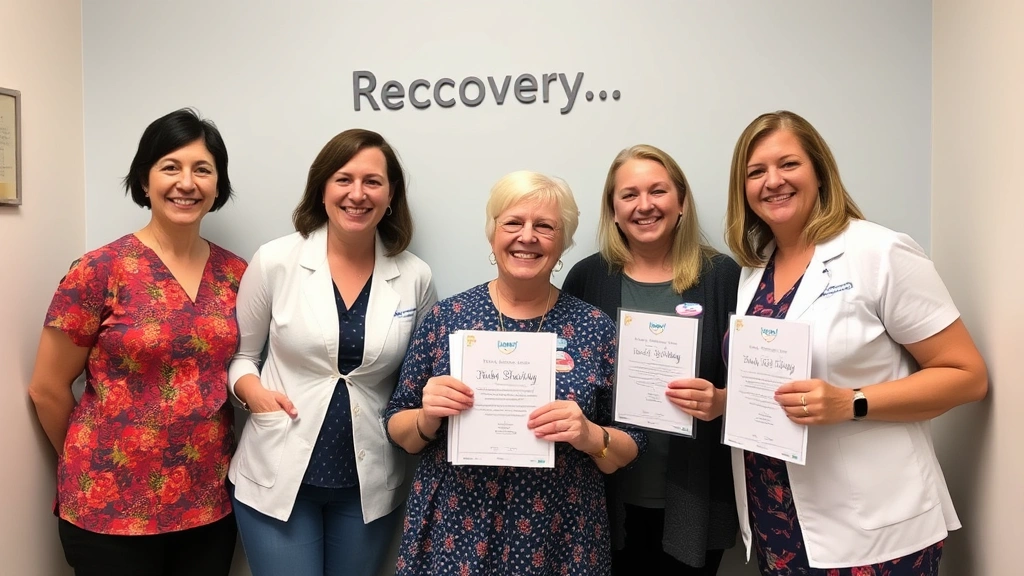
Understanding patient perspectives illuminates the human dimension of behavioral health treatment. Many individuals entering Erlanger Behavioral Health describe feelings of hopelessness, fear, and uncertainty. The admission process itself can feel overwhelming—paperwork, assessments, and separation from familiar support systems. Yet most patients report that structured environments and professional support quickly begin alleviating acute distress.
One common theme in patient testimonials involves feeling truly heard and understood. Mental health professionals who practice active listening and validate patient experiences create therapeutic relationships that facilitate healing. Patients often describe moments of insight during therapy sessions—recognizing patterns, understanding triggers, and envisioning possibilities for change that seemed impossible before treatment.
Group therapy experiences frequently emerge as transformative. Discovering that others struggle with similar challenges reduces shame and isolation. Hearing recovery stories from peers further along the healing journey instills hope. Group members provide mutual support, practical advice, and accountability that strengthens individual commitment to recovery.
The role of skilled nursing staff deserves recognition. Nurses conduct assessments, administer medications, monitor vital signs, and provide compassionate presence during crisis moments. Many patients credit nursing care with helping them feel safe during their most vulnerable periods. Mental health awareness extends to recognizing the dedication of healthcare professionals who work in behavioral health settings.
The Recovery Journey: From Admission to Discharge
The behavioral health treatment journey typically follows a structured arc. Initial assessment involves comprehensive psychiatric evaluation, medical history, substance use screening, and trauma history. This information informs individualized treatment planning, establishing specific goals and identifying evidence-based interventions likely to help each patient.
Early treatment days often focus on stabilization—reducing acute symptoms, ensuring safety, and establishing therapeutic relationships. As patients progress, treatment deepens. Therapists help individuals explore underlying issues, develop insight into their conditions, and practice new coping skills. Patients participate actively in treatment, attending multiple therapy sessions daily, taking prescribed medications, and engaging in therapeutic activities.
Discharge planning begins early in treatment, recognizing that hospitalization represents one phase of recovery rather than its entirety. Clinical teams assess patients’ readiness for discharge, ensuring they have safety plans, medication management strategies, and connections to outpatient services. Community health worker jobs often involve supporting individuals during transitions from inpatient to outpatient care, providing continuity and encouragement.
Successful discharge planning includes psychiatric follow-up appointments, therapy schedules, medication refill arrangements, and crisis resources. Many patients benefit from intensive outpatient programs (IOPs) or partial hospitalization programs (PHPs) that provide structured support while allowing community engagement. Peer support groups and recovery communities offer additional ongoing support.
Community Integration and Aftercare
Recovery extends far beyond hospital discharge. Long-term outcomes depend on sustained engagement with treatment, social support, meaningful activities, and healthy lifestyle choices. Behavioral health facilities increasingly emphasize aftercare planning and community integration, recognizing these factors predict sustained recovery.
Outpatient psychiatry provides ongoing medication management and monitoring. Individual therapy continues addressing unresolved issues and supporting skill development. Many individuals benefit from group therapy or support groups—12-step programs for addiction, NAMI (National Alliance on Mental Illness) support groups for mental health conditions, or specialized groups addressing specific diagnoses.
Employment represents a critical recovery element. Health and wellness degree programs prepare individuals for careers supporting mental health, but employment in any meaningful field contributes to recovery. Vocational rehabilitation services help individuals identify strengths, develop job skills, and secure employment that provides purpose and financial stability.
Housing stability, social connection, and recreational engagement complete the recovery picture. Behavioral health facilities increasingly partner with community organizations addressing these social determinants of health. Peer specialists—individuals with lived experience of mental illness or addiction—increasingly work in community settings, providing hope and practical guidance based on their own recovery journeys.
Research from SAMHSA (Substance Abuse and Mental Health Services Administration) demonstrates that comprehensive aftercare significantly improves long-term outcomes. Individuals maintaining outpatient treatment, attending support groups, and building healthy social connections experience lower relapse rates and greater life satisfaction.
Frequently Asked Questions
What conditions does Erlanger Behavioral Health treat?
Erlanger Behavioral Health addresses a wide range of conditions including major depressive disorder, anxiety disorders, bipolar disorder, schizophrenia spectrum disorders, substance use disorders, eating disorders, personality disorders, and trauma-related conditions. Both acute psychiatric crises and chronic mental health conditions receive treatment through various program levels.
How long does inpatient treatment typically last?
Inpatient psychiatric hospitalization length varies significantly based on condition severity, treatment response, and discharge planning needs. Some individuals stabilize within days, while others require weeks of treatment. Average stays typically range from five to fourteen days, though this varies considerably. Treatment teams continuously assess readiness for discharge and transition to appropriate outpatient levels of care.
Is treatment covered by insurance?
Most insurance plans cover behavioral health treatment, though coverage details vary. Mental Health Parity Laws ensure behavioral health receives comparable coverage to medical conditions. Patients should verify specific coverage details with their insurance provider. Facilities often have financial counselors helping patients understand coverage and explore financial assistance options.
Can families participate in treatment?
Family involvement varies based on patient preference, clinical appropriateness, and facility policies. Many programs encourage family participation through family therapy sessions, educational workshops, and visitation. Family members gain understanding of mental health conditions and learn supportive communication strategies. However, patient confidentiality and therapeutic needs guide the extent of family involvement.
What happens after discharge?
Comprehensive discharge planning establishes outpatient treatment including psychiatric medication management, individual therapy, and group support. Many patients transition to intensive outpatient programs or partial hospitalization programs providing structured support. Crisis plans, emergency contacts, and peer support resources ensure patients have ongoing support and know how to access help during difficult moments.
How are patients kept safe during treatment?
Behavioral health facilities implement multiple safety measures including regular staff observation, suicide precautions for high-risk individuals, secured environments, and emergency protocols. Staff training in crisis intervention, de-escalation, and mental health first aid ensures compassionate, effective responses to behavioral emergencies. Medication management and therapeutic interventions also address safety concerns underlying psychiatric symptoms.
What should I expect during admission?
Admission involves comprehensive assessment, orientation to the facility, safety planning, and treatment planning. Expect thorough questioning about psychiatric history, substance use, medical conditions, medications, and social circumstances. You’ll receive information about facility rules, daily schedules, and treatment options. Initial psychiatric evaluation and nursing assessment establish baseline information guiding treatment.
Behavioral health treatment represents a profound investment in recovery and wellbeing. Facilities like Erlanger Behavioral Health combine clinical expertise, evidence-based interventions, and compassionate care to help individuals reclaim their lives from mental illness and addiction. Patient experiences reveal that specialized treatment, professional support, and commitment to recovery create meaningful transformation. Whether facing acute psychiatric crises or chronic mental health challenges, accessible, quality behavioral health care provides hope and pathways toward sustained recovery and fulfilling lives.