
Fiddlehead Health: A Nutritionist’s Complete Guide to Nature’s Spring Delicacy
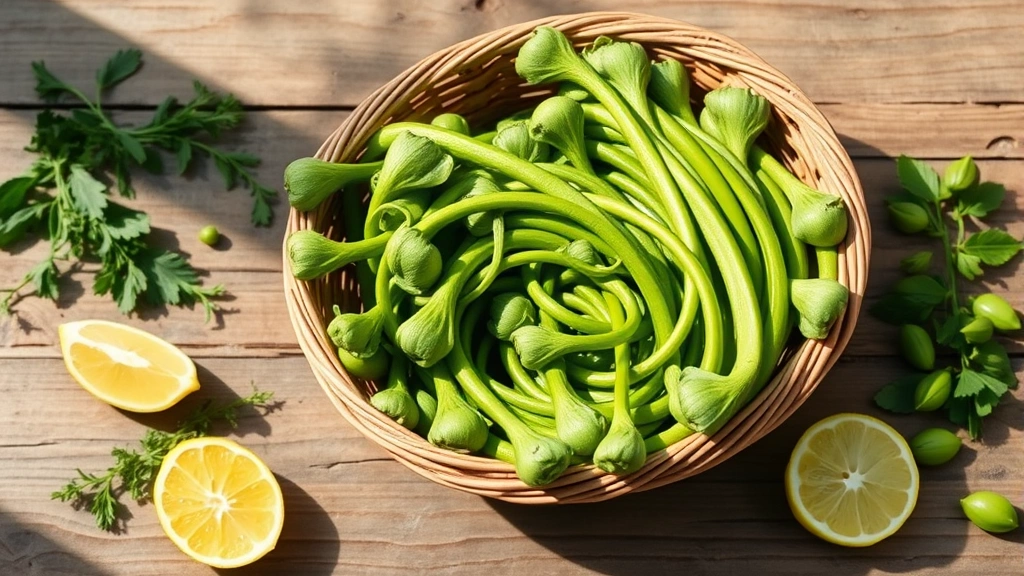
Spring brings a culinary treasure that many health-conscious eaters eagerly anticipate: fiddleheads. These tightly coiled fern fronds, resembling the scroll of a violin, have emerged as a nutritional powerhouse in modern wellness circles. Whether you’re a seasoned forager or a curious home cook exploring seasonal eating, understanding fiddlehead health benefits can transform how you approach spring nutrition. As a nutritionist, I’ve witnessed growing interest in these humble greens, and the science backing their health claims is genuinely impressive.
Fiddleheads aren’t just trendy—they’re packed with essential nutrients that support everything from immune function to cellular health. Unlike many spring vegetables that fade quickly from grocery shelves, fiddleheads offer a concentrated burst of vitamins, minerals, and antioxidants during a critical season when our bodies are transitioning from winter. This guide explores the transformative nutritional profile of fiddleheads and how to incorporate them into your wellness routine.
If you’re interested in deepening your knowledge of nutrition science, consider exploring health and wellness degree programs that emphasize functional nutrition and whole-food approaches to health.
Table of Contents
- Nutritional Profile of Fiddleheads
- Key Health Benefits
- Antioxidant Power
- Digestive Health Support
- Selection and Storage Tips
- Delicious Preparation Methods
- Frequently Asked Questions
Nutritional Profile of Fiddleheads: What Makes Them Special
Fiddleheads are remarkably nutrient-dense, offering impressive nutritional value with minimal calories. A one-cup serving of cooked fiddleheads contains approximately 34 calories while delivering substantial amounts of essential vitamins and minerals. The nutritional breakdown reveals why these spring vegetables deserve a prominent place in health-conscious diets.
These young fern fronds are exceptionally rich in omega-3 and omega-6 fatty acids, rare in vegetables but crucial for brain health, inflammation management, and cardiovascular function. A single serving provides meaningful amounts of alpha-linolenic acid (ALA), the plant-based precursor to omega-3s. This makes fiddleheads particularly valuable for vegetarians and vegans seeking plant-based sources of these essential nutrients.
The mineral content of fiddleheads is equally impressive. They’re loaded with:
- Iron: Supporting oxygen transport and energy production
- Copper: Essential for collagen formation and immune function
- Manganese: Critical for bone health and metabolic function
- Magnesium: Supporting muscle relaxation and nervous system health
- Phosphorus: Working with calcium for bone integrity
Vitamin-wise, fiddleheads deliver substantial amounts of vitamin A (supporting vision and immune health), vitamin C (enhancing immunity and collagen production), and B vitamins (particularly folate, essential for DNA synthesis and cellular division). The presence of vitamin K makes fiddleheads particularly valuable for bone health and blood clotting regulation.
Understanding nutrition science deeply can open career opportunities in health science careers focused on nutrition and wellness counseling.
Key Health Benefits: Why Nutritionists Recommend Fiddleheads
The concentrated nutrient profile of fiddleheads translates into tangible health benefits supported by both traditional use and modern nutritional science. As someone who advises clients on seasonal eating for optimal wellness, I’ve observed remarkable health improvements when fiddleheads become part of spring nutrition plans.
Immune System Support: The combination of vitamin C, selenium, and antioxidant compounds in fiddleheads creates a powerful immune-supporting food. Vitamin C stimulates white blood cell production, while selenium functions as a critical cofactor for antioxidant enzymes that protect immune cells from oxidative damage. This is particularly valuable during the seasonal transition when immune systems often become sluggish.
Anti-Inflammatory Effects: Chronic inflammation underlies many modern health conditions. Fiddleheads contain polyphenolic compounds and omega-3 fatty acids that work synergistically to reduce inflammatory markers. The high chlorophyll content—what gives them their vibrant green color—also demonstrates anti-inflammatory properties in research studies.
Cardiovascular Health: The potassium content in fiddleheads supports healthy blood pressure regulation, while their omega-3 fatty acids help maintain healthy cholesterol levels. The fiber content aids in cholesterol management by binding bile acids in the digestive tract. Additionally, the folate in fiddleheads helps regulate homocysteine levels, an important cardiovascular risk factor.
Weight Management Support: With just 34 calories per cup and substantial fiber content, fiddleheads are an ideal food for those managing weight. The fiber promotes satiety, reducing overall calorie intake while supporting healthy blood sugar regulation. The nutrient density means you’re getting maximum nutritional benefit from minimal calories.
Antioxidant Power: Cellular Protection at the Molecular Level
Fiddleheads contain an impressive array of antioxidant compounds that protect cells from oxidative stress—a key factor in aging and disease development. Understanding these mechanisms helps explain why seasonal eating strategies emphasizing whole foods prove so effective for long-term health.
The primary antioxidants in fiddleheads include:
- Chlorophyll: The photosynthetic pigment that gives fiddleheads their green color is itself a powerful antioxidant and detoxifier, supporting liver function and cellular cleansing
- Flavonoids: Including quercetin and kaempferol, which reduce inflammation and support cardiovascular health
- Phenolic acids: Contributing to overall antioxidant capacity and supporting healthy aging
- Carotenoids: Beta-carotene and lutein protect eyes and support immune function
These antioxidants work through multiple mechanisms: neutralizing free radicals, supporting antioxidant enzyme systems, and reducing oxidative stress in mitochondria (the energy-producing centers of cells). The synergistic effect of multiple antioxidant compounds means fiddleheads provide more comprehensive cellular protection than isolated antioxidant supplements.
Research from various nutrition journals has documented the antioxidant capacity of fiddleheads, with studies showing that their antioxidant levels rival those of many other cruciferous vegetables. This makes them an excellent addition to evidence-based wellness programs focused on longevity and disease prevention.
Digestive Health Support: Prebiotic Benefits and Fiber
One often-overlooked aspect of fiddlehead nutrition is their contribution to digestive health. The fiber content—approximately 2 grams per cooked cup—provides both soluble and insoluble fiber that supports healthy digestion in multiple ways.
The insoluble fiber in fiddleheads adds bulk to stool, promoting regular bowel movements and supporting the mechanical health of the digestive tract. This type of fiber also feeds beneficial bacteria in the colon, supporting a healthy microbiome. The soluble fiber forms a gel-like substance that slows gastric emptying, promoting satiety and stable blood sugar levels.
Beyond fiber, fiddleheads contain compounds that act as prebiotics—feeding beneficial bacteria and supporting the growth of healthy microbial communities. A healthy microbiome influences everything from immune function to mood regulation, making fiddleheads valuable for systemic health. The polyphenols in fiddleheads are metabolized by gut bacteria into compounds with additional health benefits, including short-chain fatty acids that nourish the intestinal lining.
For those experiencing digestive issues, the gentle nature of fiddleheads makes them an excellent addition to healing protocols. Unlike some high-fiber foods that can initially cause digestive stress, fiddleheads are well-tolerated by most people when properly prepared (blanched or steamed to reduce any bitter compounds).
Selection and Storage: Maximizing Nutritional Value
To capture the full health benefits of fiddleheads, proper selection and storage are essential. These delicate vegetables have a brief seasonal window—typically March through May depending on your location—making timing crucial for incorporating them into your wellness routine.
Selection Tips: Choose fiddleheads that are tightly coiled, firm, and bright green with no browning or wilting. The papery brown covering (called chaff) should be present but not excessive. Avoid any that appear slimy or have an off odor. The ideal size is about the thickness of your pinky finger—larger fiddleheads may be tougher and less tender.
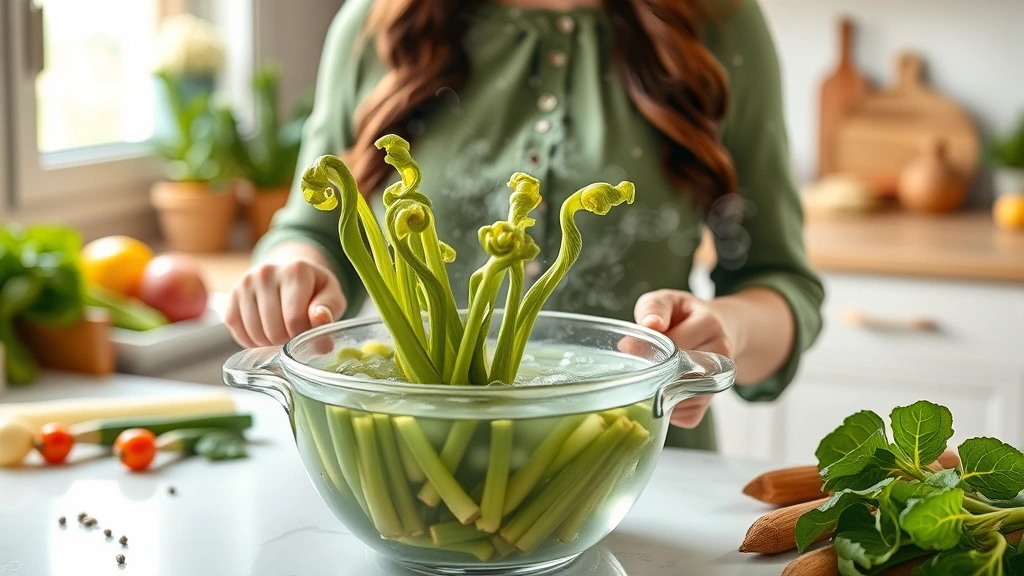
Storage Methods: Fresh fiddleheads are best used within 1-2 days of purchase. Store them in the refrigerator in a plastic bag or container with a damp paper towel, which maintains humidity without promoting mold growth. For longer storage, you can blanch fiddleheads for 3-4 minutes, cool in ice water, dry completely, and freeze in airtight containers for up to 6 months. This method preserves most nutrients while extending availability beyond the brief spring season.
If you’re pursuing a career in nutrition or wellness, exploring community health worker jobs allows you to share knowledge about seasonal eating and nutritional medicine with diverse populations.
Delicious Preparation Methods: From Simple to Sophisticated
The key to capturing fiddlehead health benefits is proper preparation. Cooking methods matter significantly for nutrient preservation and flavor optimization.
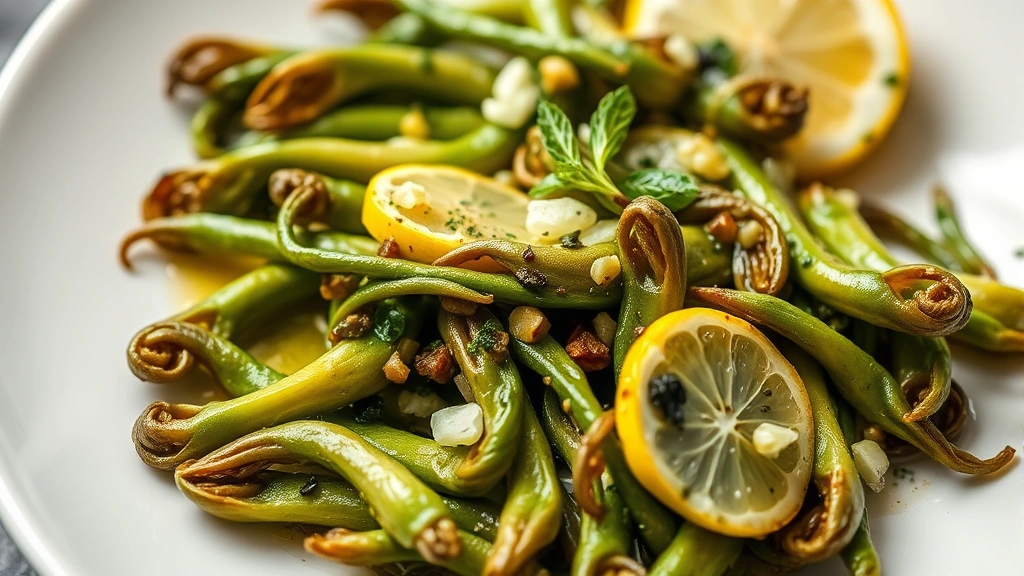
Blanching and Sautéing (Optimal for Nutrients): The most nutritionally sound preparation involves briefly blanching fiddleheads for 4-5 minutes to remove any bitterness and reduce oxalic acid content, then sautéing in extra-virgin olive oil with garlic and lemon. This method preserves heat-sensitive vitamins while making fat-soluble nutrients more bioavailable. The olive oil provides polyphenols that work synergistically with fiddlehead antioxidants.
Steaming: Gentle steaming for 6-8 minutes preserves the maximum nutrient content while requiring no added fat. Serve with a drizzle of quality oil and fresh lemon juice for a simple, nutritionally optimal preparation.
Roasting: Toss blanched fiddleheads with olive oil, sea salt, and cracked pepper, then roast at 425°F for 12-15 minutes until tender and slightly caramelized. The dry heat concentrates flavors while the oil enhances nutrient absorption.
Incorporation into Dishes:
- Add to spring salads with fresh herbs, edible flowers, and a lemon vinaigrette
- Incorporate into frittatas and vegetable-based egg dishes for protein and nutrient combination
- Include in pasta dishes with whole-grain pasta, light olive oil sauce, and fresh herbs
- Add to soups during the last few minutes of cooking to preserve nutrients
- Include in grain bowls with quinoa, roasted vegetables, and tahini dressing
Pairing Recommendations: Fiddleheads pair beautifully with spring flavors: fresh herbs (dill, parsley, chives), bright citrus (lemon, lime), and delicate proteins (fish, tofu, eggs). Avoid heavy sauces that mask their subtle flavor and add unnecessary calories.
Frequently Asked Questions About Fiddlehead Nutrition
Are fiddleheads safe for everyone to eat?
Fiddleheads are generally safe for most people, but those with oxalate sensitivity or kidney issues should consume them moderately. The blanching process reduces oxalate content significantly. Pregnant women should consume them in moderation due to the vitamin K content, which shouldn’t be drastically altered during pregnancy. Anyone taking blood thinners should maintain consistent vitamin K intake rather than avoiding fiddleheads entirely.
How much nutritional benefit comes from eating fiddleheads?
A single serving of fiddleheads (approximately one cup cooked) provides meaningful percentages of daily values for several key nutrients: 35% of daily vitamin C, 20% of folate, 15% of iron, and significant amounts of omega-3 fatty acids. For maximum benefit, incorporate them 2-3 times weekly during their season.
Can fiddleheads help with weight loss?
Yes, their low calorie density combined with high nutrient and fiber content makes them excellent for weight management. They promote satiety without excess calories, making them ideal for those seeking sustainable weight management. Their nutrient density means your body receives essential nutrients even in calorie-restricted eating patterns.
What’s the difference between wild and cultivated fiddleheads?
Both wild and cultivated fiddleheads offer similar nutritional profiles. Cultivated varieties are more consistent in size and availability, while wild fiddleheads may have slightly more concentrated flavors and nutrients due to growing conditions. Both are excellent nutritional choices.
How do fiddleheads compare nutritionally to other spring greens?
While spinach and other spring greens are nutritious, fiddleheads stand out for their omega-3 content (rare in vegetables) and unique polyphenolic compounds. They’re particularly valuable for those seeking diverse micronutrient sources and plant-based omega-3s.
Can you eat fiddleheads raw?
Fiddleheads are best consumed cooked due to their tough texture and bitter compounds when raw. Cooking also enhances nutrient bioavailability and eliminates any potentially problematic compounds. Always blanch or cook before consuming.
How do fiddleheads support seasonal eating practices?
Fiddleheads exemplify seasonal eating principles by providing exactly what our bodies need during spring transition: immune support, detoxification support, and nutrient density. Eating seasonally aligns our nutrition with natural cycles, supporting optimal health. Learning more about health and informatics jobs reveals how nutrition data increasingly informs personalized health strategies.
Are there any drug interactions with fiddleheads?
The primary concern involves vitamin K content for those taking blood thinners like warfarin. Maintaining consistent vitamin K intake is important—the solution is consistent consumption rather than avoidance. Those taking medications should consult healthcare providers about dietary changes.
Fiddleheads represent nature’s perfect spring offering: a nutritionally complete vegetable that supports health across multiple systems. By understanding their impressive nutritional profile and incorporating them into your seasonal eating practices, you’re making a powerful investment in long-term wellness. Their brief seasonal availability makes them all the more precious—a reminder to eat with the seasons and honor the natural rhythms that support optimal health. Whether you’re exploring holistic wellness approaches or simply seeking nutrient-dense spring vegetables, fiddleheads deserve a prominent place in your kitchen and health routine.