

How to Pay Health Connector Bill: Quick Guide
Managing your health insurance payments doesn’t have to be stressful. Whether you’re enrolled through the Health Connector marketplace or managing your family’s coverage, understanding how to pay your bill efficiently ensures uninterrupted access to healthcare. This comprehensive guide walks you through every payment method, deadline consideration, and troubleshooting tip you need to stay on top of your health insurance obligations.
The Health Connector platform serves millions of individuals seeking affordable healthcare coverage. Paying your premium on time isn’t just about maintaining coverage—it’s about securing your family’s wellness future and avoiding costly lapses in protection. Let’s explore the most straightforward ways to handle your payments.
Table of Contents
- Online Payment Methods
- Paying by Mail
- Setting Up Automatic Payments
- Understanding Payment Deadlines
- Troubleshooting Payment Issues
- Frequently Asked Questions
Online Payment Methods
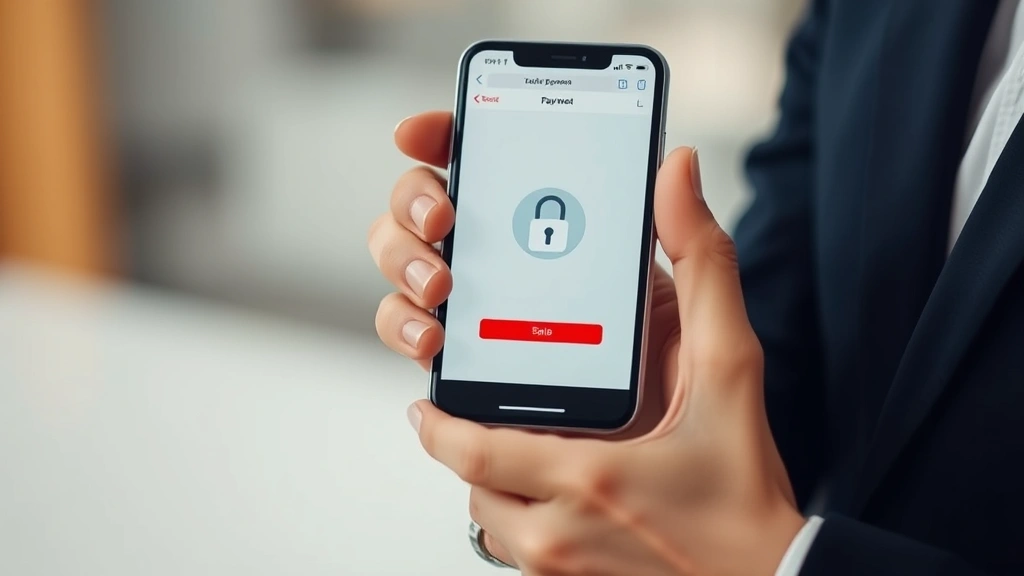
The most convenient way to pay your Health Connector bill is through the official online portal. Logging into your account gives you instant access to your billing information, payment history, and multiple payment options. Start by visiting the Health Connector website and entering your login credentials. Once inside your dashboard, navigate to the “Billing” or “Payments” section—this is typically displayed prominently on your home screen.
Credit and debit card payments represent the fastest online option. The system accepts all major cards including Visa, Mastercard, American Express, and Discover. When entering your card information, ensure you’re on the secure payment page (look for the padlock icon in your browser’s address bar). Processing usually takes 24 hours, though some systems offer instant confirmation. Keep in mind that credit card payments may incur a convenience fee, typically ranging from $2 to $3 per transaction, depending on your state’s Health Connector program.
Bank account transfers via ACH (Automated Clearing House) provide a fee-free alternative to credit cards. You’ll need your routing number and account number, which you can find at the bottom of any check. This method is ideal for those wanting to avoid processing fees while maintaining payment flexibility. ACH transfers typically process within 3-5 business days, so plan accordingly if you’re approaching your payment deadline.
Digital wallet options like PayPal, Apple Pay, and Google Pay are increasingly available through Health Connector systems. These methods add an extra layer of security by keeping your banking information private. If your state’s Health Connector supports digital wallets, you’ll see these options during checkout. The process mirrors standard online shopping—select your wallet, authenticate through your device, and confirm the payment.
Many people are exploring how health and wellness gifts can support their overall lifestyle, but don’t overlook the fundamental importance of maintaining active health insurance coverage through timely premium payments.

Paying by Mail
Traditional mail payments remain a viable option for those preferring non-digital methods. Your Health Connector bill statement includes specific mailing instructions and an address clearly marked for payment submission. Write your policy or member ID number on the check itself—this ensures proper application to your account even if the envelope becomes separated from the payment.
Mail payments require strategic timing. The postal service typically takes 3-7 business days for standard delivery, so send your check at least 10 days before your payment deadline to ensure timely receipt. Some states accept payments up to 30 days late before coverage suspension, but don’t rely on this grace period. Treat the deadline as non-negotiable and mail accordingly.
When preparing your check payment, include only the payment amount shown on your bill statement. Never send cash through the mail, and consider using certified mail or a tracking service for peace of mind. Keep a copy of your check number and mailing date for your records. If you need confirmation of receipt, follow up with a phone call to your Health Connector customer service line after the expected arrival window.
Some individuals combine mail payments with health and wellness education to better understand their coverage options and billing processes, ultimately making more informed financial decisions about their healthcare.
Setting Up Automatic Payments
Automatic payments eliminate the stress of remembering due dates and managing monthly submissions. Most Health Connector platforms allow you to authorize recurring payments from your bank account or credit card. To set this up, access your account settings and locate the “Automatic Payment” or “Recurring Payment” section.
During setup, you’ll specify your preferred payment method, the payment amount, and the date each month when funds should be withdrawn. Many people choose the first or the fifteenth of the month to align with paycheck schedules. The system will confirm your authorization and provide a reference number for your records.
Automatic payments offer several advantages. First, they eliminate late fees and coverage lapses caused by forgotten deadlines. Second, they provide consistent payment records that improve your financial organization. Third, many Health Connector programs offer small discounts—typically 0.25% to 1%—for enrollees who maintain automatic payments. Over a year, these discounts accumulate into meaningful savings.
However, automatic payments require vigilance. Monitor your account regularly to ensure payments process correctly each month. If your financial situation changes and you need to modify the payment amount, update your settings immediately rather than allowing incorrect charges. If you plan to discontinue coverage, cancel automatic payments beforehand to avoid unauthorized charges.
Understanding Payment Deadlines
Payment deadlines vary based on your enrollment type and state regulations. Most Health Connector programs operate on a monthly billing cycle with deadlines falling between the 15th and the 30th of each month. Your bill statement clearly displays your specific deadline date—check this information carefully, as missing the deadline can result in coverage suspension.
Grace periods exist in most states, typically allowing 30 days of non-payment before coverage termination. However, relying on grace periods is risky. During this period, you remain responsible for all claims, but you may face coverage interruptions for critical services. Additionally, reinstating coverage after termination involves additional paperwork and potential delays.
If you anticipate difficulty meeting a deadline, contact your Health Connector immediately. Many programs offer hardship extensions or temporary payment arrangements for qualifying individuals. Explaining your situation proactively demonstrates good faith and may result in accommodations that prevent coverage loss.
Understanding how to structure your finances around these deadlines connects to broader health science career knowledge—many professionals in healthcare administration specialize in billing and payment coordination for insurance programs.
Troubleshooting Payment Issues
Payment problems occasionally occur despite best intentions. If your online payment fails, note the error message and contact customer service with this information. Common issues include incorrect billing address information, mismatched account details, or temporary system outages. Customer service representatives can often reprocess payments immediately once the underlying issue is identified.
Duplicate charges represent another potential problem. If you accidentally submit a payment twice or if the system processes your payment multiple times, contact your Health Connector’s billing department immediately. Most programs can identify duplicate charges within 24-48 hours and issue refunds or apply credits to future months.
If your payment was submitted on time but your account still shows delinquency, request a payment confirmation letter. This document proves your timely payment and protects you from coverage suspension claims. Keep these confirmations in a dedicated folder for your records.
Payment status confusion often arises when customers submit payments but don’t receive immediate confirmation. Allow 24-48 hours for the system to update and reflect your payment. If the delay extends beyond this window, follow up with customer service. They can access backend systems to verify payment receipt even when the customer portal hasn’t updated.
Many people managing health insurance payments benefit from exploring health administration job opportunities, as these roles involve detailed knowledge of billing systems and customer service protocols.
For additional guidance on managing healthcare finances, consult Healthcare.gov, the official government resource for health insurance information. The Centers for Medicare & Medicaid Services also provides comprehensive resources about marketplace insurance obligations.
Frequently Asked Questions
What happens if I miss my Health Connector payment deadline?
Missing your deadline triggers a grace period—typically 30 days—during which your coverage remains active but you’re considered delinquent. After 30 days without payment, your coverage terminates. You’ll need to pay all back premiums to reinstate coverage, plus complete additional enrollment steps. This process takes 5-10 business days, leaving you without coverage during reinstatement.
Can I pay my Health Connector bill through phone or mail?
Yes, most Health Connector programs accept phone payments through their customer service line. You’ll provide your payment method and billing information verbally. Mail payments are also accepted—send your check to the address listed on your bill statement, allowing 10 days for processing. Phone payments may incur convenience fees similar to online card payments.
Is there a minimum or maximum payment amount?
You must pay your full monthly premium as stated on your bill. Partial payments typically aren’t accepted through online systems, though you can contact customer service to discuss payment arrangements if you’re experiencing financial hardship. Some programs offer hardship waivers or temporary reductions for qualifying individuals.
Do I receive a payment confirmation?
Yes, most payment methods generate immediate or next-day confirmations. Online payments typically provide confirmation numbers during submission. Email confirmations usually arrive within 24 hours. Check your spam folder if you don’t receive email confirmation. You can also log into your account to verify payment status in your billing history.
Can I change my payment method after setting up automatic payments?
Absolutely. Access your account settings, locate your automatic payment profile, and edit the payment method. Changes typically take effect within one billing cycle. If you need immediate changes before your next scheduled payment, contact customer service directly—they can process changes faster than the online system.
What if I want to cancel my coverage?
Contact your Health Connector to officially terminate your coverage. Don’t simply stop paying, as this results in delinquency and potential debt collection. When you formally cancel, your coverage ends on a specified date, and you’re released from future payment obligations. Cancellation often requires proof of alternative coverage or a qualifying life event.
Are there any discounts for automatic payments?
Some state Health Connector programs offer small discounts—usually 0.25% to 1%—for enrollees maintaining automatic payments. Contact your specific program to confirm available discounts. These savings aren’t guaranteed across all states, so verify with your local Health Connector.
For mental health support during stressful financial situations, consider exploring mental health books that address financial anxiety and wellness integration.
Paying your Health Connector bill promptly and consistently protects your family’s healthcare access while maintaining your financial integrity. By understanding these payment methods, deadlines, and troubleshooting strategies, you’re taking control of an essential aspect of your family’s wellness. Visit the Life Haven Daily Blog for additional health and wellness insights, and explore Health Fairs for community resources supporting your insurance navigation journey.
Remember: your Health Connector premium isn’t just an expense—it’s an investment in your family’s security and wellbeing. Treat payment deadlines with the same priority you’d give any critical family obligation.