
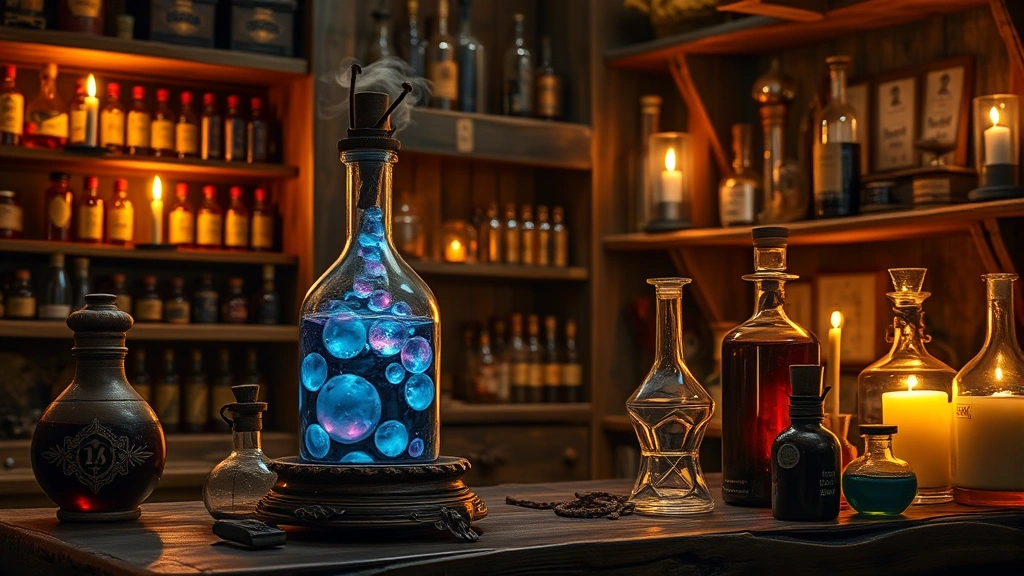
Crafting Health Potions: D&D 5e Guide
In the realm of Dungeons & Dragons 5th Edition, few items are as essential to character survival as the humble health potion. Whether you’re a seasoned Dungeon Master or a new player embarking on your first adventure, understanding how to craft, use, and balance health potions can transform your gameplay experience. These magical elixirs represent the intersection of alchemy, adventure, and strategic resource management that makes D&D such a captivating hobby.
Health potions serve as more than just mechanical tools for restoring hit points—they embody the resourcefulness and ingenuity that define memorable campaigns. From the basic potion of healing to rare and exotic concoctions, the variety available in D&D 5e creates opportunities for creative storytelling and engaging gameplay. This comprehensive guide explores everything you need to know about crafting, acquiring, and utilizing health potions in your adventures.
Beyond the mechanics, health potions represent a tangible connection to the broader themes of wellness and preparation that resonate in our everyday lives. Just as adventurers must maintain their health to survive dungeon delves, we too must prioritize our well-being through informed choices and proper resource management. The parallels between fantasy preparation and real-world health and wellness practices offer fascinating insights into human nature.
Table of Contents
- Understanding Potion Basics
- Crafting Mechanics and Requirements
- Types of Health Potions
- Acquisition Methods
- Advanced Brewing Techniques
- Frequently Asked Questions

Understanding Potion Basics
Health potions in D&D 5e represent concentrated magical remedies that restore a creature’s vitality and vigor. The most fundamental potion in any adventurer’s arsenal is the Potion of Healing, which restores 1d4+1 hit points when consumed as an action. This simple yet effective remedy costs approximately 50 gold pieces and weighs just half a pound, making it an accessible starting point for new players.
The mechanics of potion consumption follow straightforward rules: a creature must use an action to drink a potion, and the effects take place immediately. This action economy consideration becomes crucial during combat situations where every turn matters. Unlike spells that require saving throws or attack rolls, potions guarantee their healing benefits, making them reliable tools for survival. Understanding this reliability helps players appreciate why potions remain valuable throughout all levels of play.
One often-overlooked aspect of potion mechanics involves the container itself. Potions come in glass vials designed to fit in adventuring packs, and they can be thrown as an action if you want another creature to benefit from them. This flexibility opens creative possibilities—imagine tossing a healing potion to a downed ally across the battlefield. The scientific approach to understanding potion mechanics mirrors how professionals in wellness fields must understand the fundamentals of their practice.
Potion rarity and potency scale with character level and campaign advancement. A novice adventurer might celebrate finding a single Potion of Healing, while a seasoned hero seeks out Superior Potions of Healing or rare variants like Potions of Greater Healing. This progression creates natural narrative arcs where characters become more resourced and capable as they advance.
Crafting Mechanics and Requirements
Crafting health potions in D&D 5e requires meeting specific prerequisites outlined in the Player’s Handbook and expanded in the Xanathar’s Guide to Everything. Most importantly, a character must be proficient in the Alchemist’s Supplies and possess the ability to cast spells. The spellcasting requirement ensures that only characters with magical aptitude can create potions, maintaining game balance and magical exclusivity.
The crafting process demands significant time investment. Creating a potion of healing requires 25 gold pieces worth of materials and takes 1 working day (8 hours) to complete. This time commitment means that crafting serves as a downtime activity rather than something adventurers accomplish during active campaigns. Parties must plan ahead, establishing safe locations where characters can dedicate themselves to potion creation during rest periods.
To begin crafting, you’ll need access to an alchemist’s lab or improvised alchemical supplies. A proper alchemist’s lab costs 50 gold pieces and provides advantage on checks related to creating potions. Without proper facilities, you can still craft potions but face disadvantage on your alchemist’s supplies check. Success requires rolling against a DC determined by the potion’s rarity—common potions like Potion of Healing require DC 10, while more exotic variants demand higher DCs.
The material costs scale with potion potency. A Potion of Healing requires 25 gold pieces in materials, while a Potion of Greater Healing costs 100 gold pieces. Superior and Supreme Potions of Healing demand 500 and 2,500 gold pieces respectively. These escalating costs encourage players to balance their resources carefully and consider whether crafting makes economic sense compared to purchasing potions from merchants.
Many Dungeon Masters implement house rules to make crafting more appealing or challenging. Some require specific rare ingredients gathered from exotic locations, transforming potion creation into a quest objective. Others streamline the process to encourage more frequent crafting during campaigns. The beauty of D&D lies in its flexibility—your group can adjust these mechanics to match your preferred playstyle.
Types of Health Potions Available
The D&D 5e system features several distinct health potion varieties, each offering different healing amounts and fitting different campaign stages. Understanding the complete potion spectrum helps players and DMs make informed decisions about loot distribution and party resources.
Potion of Healing (Common) remains the most prevalent potion type. Drinking this elixir restores 1d4+1 hit points, averaging around 4 hit points of healing. While seemingly modest, these potions prove invaluable during early adventures when characters possess only 6-8 hit points. At 50 gold pieces each, they represent the entry-level investment for health security.
Potion of Greater Healing (Uncommon) escalates the healing capacity to 4d4+4, averaging 12 hit points restored. These potions cost 100 gold pieces to craft and begin appearing in mid-level campaigns. The jump from basic healing to greater healing marks a significant shift in party resource management.
Potion of Superior Healing (Rare) provides 8d4+8 hit points of restoration, averaging 28 hit points—enough to stabilize most mid-level characters. Crafting these potions requires 500 gold pieces in materials and represents a serious investment. They typically appear as treasure rewards rather than crafted items.
Potion of Supreme Healing (Very Rare) represents the pinnacle of standard healing potions, restoring 10d4+20 hit points. At 2,500 gold pieces to craft, these potions become luxury items reserved for wealthy adventurers or major treasure hoards. A single Supreme Healing potion might restore a character to full health even after devastating battles.
Beyond standard healing, specialty potions offer unique benefits. Potion of Vitality cures poisons and diseases while restoring hit points, making them essential for campaigns featuring undead or poison-wielding enemies. Potion of Regeneration grants continuous healing for one minute, proving invaluable during extended combat encounters. These specialty potions cost more and require higher crafting DCs but provide tactical advantages beyond simple hit point restoration.
Understanding when to use which potion type parallels professional health management practices, where practitioners must match interventions to specific needs and circumstances.
Acquisition Methods for Health Potions
Beyond crafting, adventurers acquire health potions through multiple avenues. Understanding these acquisition methods helps parties maintain adequate supplies throughout their campaigns.
Merchant Purchase represents the most straightforward acquisition method. Most towns and cities feature alchemist shops or general stores selling common and uncommon potions. Prices typically follow the crafting cost baseline—50 gold for Healing, 100 gold for Greater Healing—though merchants might markup prices in remote locations or during shortages. Roleplaying these merchant interactions creates memorable moments and opportunities for quest hooks.
Treasure Hoards provide the most exciting potion acquisition experiences. Dungeon Masters include potions in treasure rewards, with rarity scaling to campaign tier. Early-level dungeons might contain 1-2 common potions, while high-level treasure hoards feature multiple rare and very rare potions. This treasure distribution reinforces character progression and rewards successful adventures.
Quest Rewards offer alternative acquisition paths. A local alchemist might offer rare potions as payment for gathering rare ingredients. A grateful noble could reward heroes with superior potions after rescuing their family. These quest-based acquisitions create narrative richness and justify potion availability.
Crafting Through Downtime allows parties to become self-sufficient. As mentioned earlier, characters proficient in Alchemist’s Supplies can dedicate downtime to potion creation, gradually building party reserves. This method requires planning and access to safe locations but provides long-term sustainability.
The collaborative approach to resource management in parties mirrors how modern healthcare systems require coordination and planning between multiple stakeholders.
Advanced Brewing Techniques and Considerations
Experienced crafters and DMs can elevate potion-brewing beyond basic mechanics through creative techniques and expanded rules.
Ingredient Sourcing adds depth to potion creation. Rather than simply spending gold, characters might need to gather specific components. Healing potions could require moonflower petals harvested under full moons, phoenix tears collected from rare creatures, or mineral-rich spring water from mystical locations. This approach transforms potion creation into adventure hooks and gives crafting meaningful narrative weight.
Batch Brewing allows characters to create multiple potions simultaneously. A character spending a full week in an alchemist’s lab might create five potions of healing instead of one. This mechanic encourages downtime investment and rewards parties who establish permanent bases or safe havens.
Potion Enhancement offers creative customization. A character might spend extra materials to create a potion that heals an additional 1d4 hit points, or add a bonus that removes one disease or poison. These enhancements require higher crafting DCs and greater material costs but create unique, memorable items.
Failed Brew Consequences add tension to crafting attempts. Rather than simply wasting materials on failed checks, some DMs rule that failed potions create unpredictable effects. A failed greater healing potion might restore hit points but also impose disadvantage on the next attack roll, or restore hit points to a random ally instead of the intended drinker. These consequences make crafting feel genuinely risky.
Professional wellness advocates and health professionals emphasize how careful planning and attention to detail improve outcomes—lessons directly applicable to potion brewing.
External resources like D&D Beyond’s official potion database and the DM Academy subreddit provide additional insights into advanced brewing techniques. Many DMs share creative house rules and modifications that enhance the crafting experience.
Frequently Asked Questions
Can multiple potions be consumed in a single turn?
No. Drinking a potion requires an action, and most creatures receive only one action per turn during combat. However, allies can use their actions to help an unconscious creature drink a potion, and some magic items might grant additional actions. This limitation creates strategic decision-making around potion usage.
What happens if a potion is destroyed or spilled?
Potions are fragile items housed in glass vials. If dropped or hit with crushing damage, the DM might require a Dexterity saving throw to prevent the potion from breaking. Once broken, the potion’s magical properties dissipate. This fragility encourages players to protect their potions carefully and adds realistic consequences to carelessness.
Can potions be used on unwilling creatures?
Normally, no. A creature must willingly consume a potion for it to take effect. However, some DMs rule that potions can be force-fed to unconscious allies (which is mechanically beneficial anyway). Using potions on enemies would require special circumstances or modified rules.
How long do potions remain effective?
Potions don’t expire under normal circumstances. A potion crafted decades ago remains just as effective as one created yesterday. However, some DMs rule that potions stored in extreme conditions might degrade. This rarely comes up mechanically but adds flavor to ancient treasure hoards.
Can spellcasters create potions without alchemist’s supplies proficiency?
According to standard rules, no. The requirement explicitly states proficiency in alchemist’s supplies, separate from spellcasting ability. However, DMs can modify this requirement. Some allow spellcasters to substitute their spellcasting ability for alchemist’s supplies proficiency, making potion creation more accessible.
What’s the difference between potions and spell scrolls for healing?
Potions guarantee their effects without saving throws or attack rolls, while spell scrolls require spellcasting checks and might trigger spell resistance. Potions also work for non-spellcasters, making them more universally accessible. This distinction makes potions more reliable for emergency healing.