
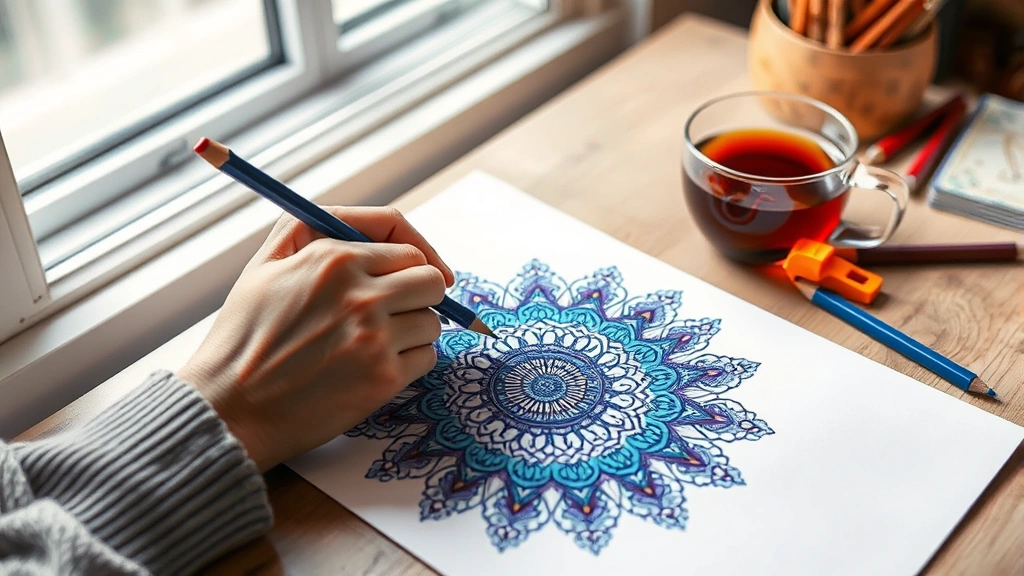
Boost Mental Health: Try Coloring Pages Today
In our fast-paced world filled with endless notifications, scrolling, and stress, finding moments of genuine calm feels like a luxury. Yet mental wellness doesn’t require expensive therapy sessions or elaborate self-care routines. Sometimes, the most therapeutic activities are the simplest ones—and mental health coloring pages have emerged as one of the most accessible, evidence-backed tools for reducing anxiety and promoting emotional balance.
What started as a childhood pastime has transformed into a global wellness phenomenon. Adults worldwide are discovering that picking up colored pencils and filling blank spaces with vibrant hues offers profound psychological benefits. Whether you’re managing stress, recovering from anxiety, or simply seeking a mindful break from digital overwhelm, coloring provides a tangible, affordable pathway to better mental health.
This comprehensive guide explores why coloring matters for your wellbeing, how to get started, and how to integrate this simple practice into your daily routine for lasting emotional resilience.
Table of Contents
- The Science Behind Coloring and Mental Health
- Five Key Mental Health Benefits
- How to Get Started Today
- Effective Coloring Techniques for Wellness
- Integrating Coloring Into Your Routine
- Frequently Asked Questions
The Science Behind Coloring and Mental Health
The therapeutic power of coloring isn’t merely anecdotal—it’s grounded in neuroscience. When you engage in coloring, your brain activates the prefrontal cortex, the region responsible for logical thinking and decision-making, while simultaneously quieting the amygdala, which processes fear and stress responses. This neurological shift creates a state remarkably similar to meditation.
Research published by the American Art Therapy Association demonstrates that mindful coloring reduces cortisol levels—your body’s primary stress hormone. A Psychology Today study found that participants who engaged in structured coloring for just 20 minutes showed measurable decreases in anxiety comparable to traditional relaxation techniques.
The repetitive, rhythmic nature of coloring engages what psychologists call “flow state”—that absorbed, present-moment awareness where worries fade into the background. Unlike scrolling through social media, which triggers dopamine-seeking behavior and anxiety, coloring creates genuine psychological restoration. Your nervous system downshifts from sympathetic (fight-or-flight) activation to parasympathetic (rest-and-digest) dominance.
Additionally, coloring requires just enough cognitive engagement to distract from rumination—the repetitive negative thinking patterns that fuel anxiety and depression—without demanding the intense focus that creates additional stress.
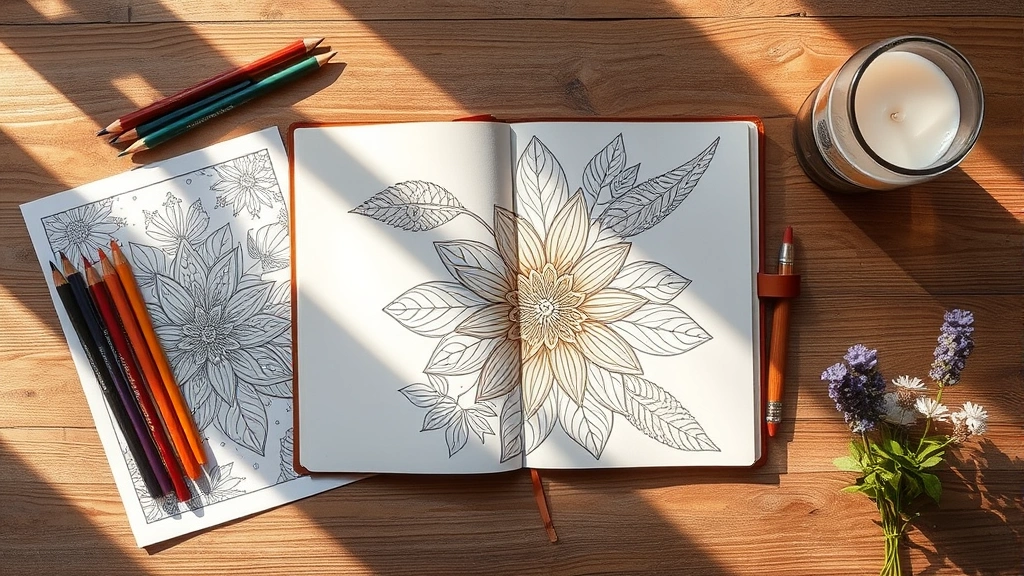
Five Key Mental Health Benefits of Coloring Pages
Understanding the specific ways coloring enhances your mental health can motivate consistent practice:
1. Reduces Anxiety and Panic Symptoms
Individuals managing health anxiety and general anxiety disorder report significant symptom reduction through regular coloring. The grounding effect of focusing on colors, patterns, and immediate sensory experience pulls attention away from anxious thoughts about future scenarios. Many people find coloring particularly helpful during panic attacks, as it provides a healthy, constructive outlet for nervous energy.
2. Enhances Mindfulness and Present-Moment Awareness
Coloring naturally cultivates mindfulness—the practice of non-judgmental awareness of the present moment. As you select colors and apply them to paper, you’re anchored in the here-and-now rather than dwelling on past regrets or future worries. This consistent mindfulness practice rewires your brain’s default mode network, reducing the tendency toward anxious rumination.
3. Promotes Emotional Expression and Processing
When verbal expression feels insufficient, color becomes a language. Your choice of hues, intensity of pressure, and pattern selection all reflect your emotional state. Over time, coloring becomes a form of non-verbal emotional processing, allowing feelings to move through your body and onto paper rather than becoming trapped as tension or suppressed emotion.
4. Improves Sleep Quality
The calming neurological effects of coloring make it an ideal pre-bedtime activity. Unlike screen-based activities that suppress melatonin production, coloring naturally signals your body that it’s time to wind down. Many people report deeper, more restorative sleep when they’ve spent 20-30 minutes coloring before bed.
5. Builds Self-Compassion and Accomplishment
Completing a coloring page provides tangible evidence of effort and completion—something increasingly rare in our digital world. This small sense of accomplishment, combined with the absence of pressure to perform perfectly, naturally cultivates self-compassion. There’s no “right way” to color, which is profoundly liberating for perfectionists and anxiety-prone individuals.
How to Get Started With Mental Health Coloring Pages Today
Beginning your coloring practice requires minimal investment and setup:
Choose Your Materials
You don’t need expensive supplies. Quality matters less than consistency. Start with:
- Coloring pages: Print free pages from reputable wellness sites, or invest in specialized mental health coloring books designed with therapeutic patterns
- Coloring tools: Basic colored pencils, markers, or crayons work beautifully. Many people prefer colored pencils for their control and blendability
- Paper quality: Heavier paper prevents bleeding and provides better tactile feedback
- Workspace: Any comfortable, well-lit area suffices—a kitchen table, outdoor patio, or cozy corner
Select Meaningful Designs
Different designs serve different purposes. Mandalas and geometric patterns promote focus and calm. Nature-based designs (forests, flowers, ocean scenes) encourage peaceful visualization. Abstract patterns allow for creative expression without the pressure of realistic representation. Choose designs that genuinely appeal to you rather than what you think you “should” enjoy.
Establish a Consistent Practice
Consistency matters more than duration. Even 10-15 minutes daily yields significant mental health benefits. Consider establishing a specific time—perhaps morning coffee, lunch break, or evening wind-down—to anchor coloring into your routine. Many people find that pairing coloring with other wellness practices, like herbal tea or calming music, deepens the therapeutic effect.
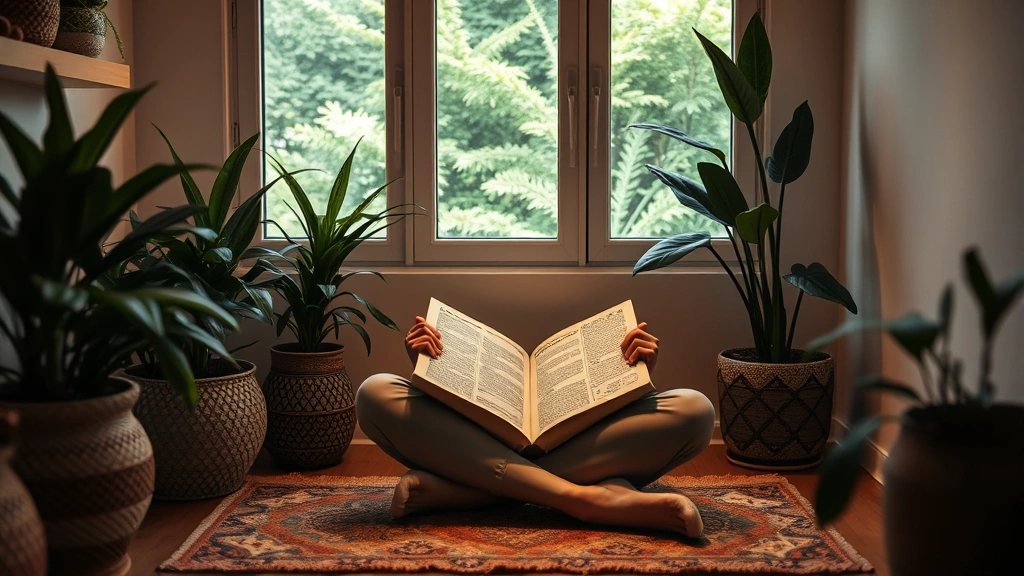
Effective Coloring Techniques for Maximum Wellness Benefits
How you approach coloring influences its therapeutic impact:
Practice Mindful Coloring
Rather than rushing to finish pages, slow down intentionally. Notice the texture of paper beneath your pencil. Observe how different pressures create different color intensities. Appreciate the subtle variations in hue. This deliberate attention transforms coloring from a task into genuine meditation.
Embrace Imperfection
Resist the urge to stay perfectly within lines or achieve flawless color transitions. The therapeutic value increases when you release perfectionism. Wobbly lines, unexpected color combinations, and “mistakes” create authentic, personal artwork that reflects your unique creative expression.
Use Color Psychology Intentionally
Different colors influence mood differently. Cool colors (blues, greens, purples) calm the nervous system. Warm colors (oranges, reds, yellows) energize and uplift. If you’re managing depression, warm colors may feel more supportive. If you’re in an anxious state, cool palettes may be more soothing. Experiment to discover your personal color preferences.
Create a Sensory Experience
Enhance your coloring practice with complementary sensory elements. Light a lavender candle. Play soft instrumental music. Brew herbal tea. Sit in natural sunlight. These additions create a multi-sensory wellness experience that amplifies coloring’s therapeutic effects.
Combine With Other Wellness Practices
Integrate coloring with breathwork, journaling, or gentle movement. After coloring, spend five minutes journaling about what emotions emerged. Pair coloring sessions with inspiring mental health quotes to deepen reflective practice. Consider coloring as one component of a holistic wellness approach alongside mental health books and other resources.
Integrating Coloring Into Your Daily Wellness Routine
Sustainable mental health improvement comes from consistent practice. Here’s how to make coloring a lasting habit:
Create a Dedicated Coloring Space
Designate a specific area for your coloring practice—a shelf, drawer, or basket containing your supplies. This physical space becomes a visual reminder and removes friction from starting your practice. When materials are visible and accessible, you’re more likely to color regularly.
Establish Coloring Rituals
Attach coloring to existing daily habits. Color during your morning coffee. Use coloring as your lunch-hour mental break. Dedicate 20 minutes after dinner to wind down before evening activities. These anchored rituals integrate coloring naturally into your schedule.
Track Your Progress and Mood
Keep a simple log noting when you color and your emotional state before and after. Over weeks, you’ll see patterns emerge—evidence of coloring’s cumulative benefits. This tangible data reinforces the practice and motivates consistency.
Join a Community
Online coloring communities provide accountability and inspiration. Share your completed pages, exchange design recommendations, and connect with others prioritizing mental health through creative practice. Visit the Life Haven Daily Blog for community resources and wellness content.
Explore Gift and Wellness Options
Consider health and wellness gifts that support your coloring practice—premium colored pencil sets, high-quality coloring books, or beautiful storage solutions. Investing in quality materials signals to yourself that mental health matters.
Adapt Your Practice Seasonally
Refresh your coloring pages and designs with seasons. Spring designs with flowers and growth themes feel naturally aligned with renewal. Autumn mandalas complement the season’s introspective energy. Winter nature scenes encourage cozy, restorative practice. This seasonal rotation keeps your practice fresh and engaging.
Frequently Asked Questions About Mental Health Coloring Pages
How often should I color for mental health benefits?
Consistency matters more than duration. Daily practice of 10-20 minutes yields measurable benefits within two to three weeks. However, even coloring several times weekly provides significant anxiety reduction and mood improvement. Start with whatever frequency feels sustainable, then gradually increase as the habit becomes automatic.
Can coloring replace professional mental health treatment?
Coloring is a powerful complementary wellness tool, not a replacement for professional treatment. If you’re managing clinical depression, anxiety disorder, trauma, or other significant mental health conditions, combine coloring with therapy, medication, and professional care. Think of coloring as part of a comprehensive wellness approach.
What if I don’t feel artistic or creative?
Coloring requires zero artistic skill. You’re not creating original art—you’re filling pre-drawn designs. The mental health benefits come from the meditative process, not the finished product. Even people who claim “I can’t draw” find coloring deeply therapeutic and enjoyable.
Are adult coloring pages different from children’s pages?
Yes. Adult mental health coloring pages typically feature more complex, intricate designs—detailed mandalas, sophisticated geometric patterns, elaborate nature scenes. These designs provide greater cognitive engagement and longer-lasting focus, making them ideal for adult anxiety management.
Can I color digitally, or does it need to be pen and paper?
While digital coloring apps exist, research suggests physical coloring on paper provides greater therapeutic benefit. The tactile feedback, proprioceptive input from hand movements, and absence of screen stimulation make traditional coloring more effective for anxiety reduction and mindfulness cultivation. However, digital coloring is better than no coloring.
What if I struggle to sit still long enough to color?
Start with shorter sessions—even five minutes helps. Pair coloring with movement, like standing at a tall desk while coloring, or taking coloring breaks during walks. If ADHD or restlessness is significant, combine coloring with fidget tools or gentle music to support focus. The practice will naturally extend your attention span over time.
How do I know if coloring is actually helping my mental health?
Pay attention to subtle shifts: Do you feel calmer after coloring sessions? Are you sleeping better on nights you color? Has your anxiety decreased? Do you feel more present and less ruminating? Keep a simple mood journal noting changes. Most people notice improvements within two to three weeks of consistent practice.
Your Path to Better Mental Health Starts Now
Mental health coloring pages represent something increasingly rare in our optimization-obsessed culture: a genuinely simple, accessible, evidence-backed wellness practice that requires nothing but intention and basic materials. You don’t need a meditation app subscription, expensive therapy, or complicated self-help programs. You need colored pencils and permission to slow down.
The beauty of coloring lies in its simplicity and universal accessibility. Whether you’re managing clinical anxiety, recovering from burnout, processing difficult emotions, or simply seeking greater peace in daily life, coloring offers immediate, tangible relief. The neurological shifts happen quickly. The emotional benefits compound over time.
This week, gather simple materials and commit to one coloring session. Notice how your nervous system responds. Observe what emerges emotionally. Feel the difference between rushed, digital living and intentional, creative presence. Then, return tomorrow and color again. In this consistent, gentle practice lies genuine transformation.
Your mental health matters. You deserve tools that actually work. Let coloring become your daily reminder that wellness doesn’t require perfection—just presence, color, and compassion toward yourself.