

Can Mental Health Memes Help? Psychologist Insights on Digital Wellness
In an era where mental health conversations happen everywhere from therapy offices to social media feeds, a curious phenomenon has emerged: the mental health meme. What started as humorous internet content has evolved into something more nuanced—a potential tool for connection, validation, and even healing. But can laughing at a meme about anxiety actually help your mental wellbeing? We consulted psychological research and expert perspectives to explore this intriguing question.
The intersection of humor, mental health, and digital culture creates a fascinating landscape where millions share relatable content about depression, anxiety, ADHD, and other conditions. These memes serve as more than entertainment; they’re conversations happening in real-time across generations. Understanding whether they genuinely contribute to mental wellness requires looking beyond the jokes to examine what psychological mechanisms might be at work.
Table of Contents
- What Are Mental Health Memes?
- The Psychological Benefits of Humor
- Building Community Through Shared Experience
- What Psychologists Say
- Potential Concerns and Limitations
- Finding Healthy Balance
- Frequently Asked Questions
What Are Mental Health Memes?
Mental health memes represent a digital phenomenon where people create, share, and engage with humorous content about psychological struggles. These range from relatable observations about depression—like the classic “I’m not actually okay but I say I’m fine” format—to ADHD-specific jokes about hyperfocus and time blindness. The beauty of these memes lies in their specificity; they capture the nuanced experiences of living with mental health conditions in ways that traditional conversations sometimes miss.
Unlike generic motivational content, mental health memes acknowledge struggle without demanding positivity. They validate the messy, complicated reality of managing anxiety at 3 AM or the guilt that accompanies depression. This authenticity resonates powerfully, particularly with younger generations who’ve grown up viewing mental health through a digital lens.
The format itself—typically an image paired with relatable text—makes these memes easily shareable and consumable. People can scroll through their feeds and encounter dozens of them daily, each one potentially triggering recognition: “Oh, that’s exactly how I feel.” This recognition is where the psychological magic begins.
The Psychological Benefits of Humor
Psychology has long recognized humor as a legitimate coping mechanism. According to research in Psychological Science, laughter triggers the release of endorphins—the body’s natural feel-good chemicals. When you laugh at a mental health meme, you’re not just experiencing momentary entertainment; you’re engaging in a physiological response that can genuinely improve mood.
But the benefits extend beyond simple neurochemistry. Humor serves multiple psychological functions:
- Cognitive reframing: Laughing at our struggles creates psychological distance, allowing us to view problems from a different perspective. Instead of being overwhelmed by anxiety, a meme about catastrophizing helps you see the pattern with some lightness.
- Stress reduction: The physical act of laughing lowers cortisol levels, reducing the body’s stress response. Regular exposure to humor—even in meme form—can create cumulative stress relief.
- Emotional regulation: Humor provides a socially acceptable outlet for expressing difficult emotions. A meme about depression can communicate feelings that seem too heavy to voice directly.
- Resilience building: When we laugh at our challenges, we paradoxically increase our ability to face them. This isn’t denial; it’s a psychological mechanism that builds emotional strength.
Dr. Rod Martin, a leading researcher on humor and mental health, found that adaptive humor styles—including self-enhancing humor that doesn’t mock others—correlate strongly with better mental health outcomes. Mental health memes, when created with compassion rather than cruelty, fall into this adaptive category.
Building Community Through Shared Experience
One of the most profound benefits of mental health memes isn’t psychological—it’s social. For people struggling with conditions like anxiety or depression, isolation is often part of the illness itself. You might think you’re the only one who feels this way, that your struggles are uniquely shameful or broken.
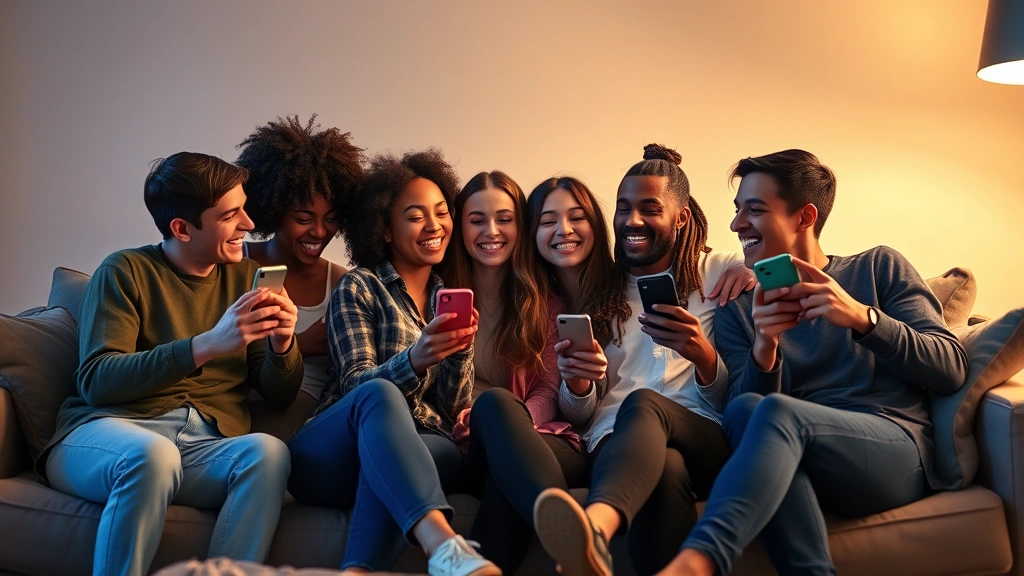
Mental health memes shatter this isolation. When you see a meme about intrusive thoughts that’s been shared 50,000 times with comments from thousands of people saying “this is exactly me,” something shifts. You realize you’re not alone. This sense of community is therapeutic in itself.
Consider exploring our Life Haven Daily Blog for more content on mental wellness and community support. Additionally, our collection of inspiring mental health quotes offers complementary perspectives on building emotional resilience through meaningful messages.
This community aspect extends to how people engage with the content. Sharing a meme becomes a form of communication—a way to tell friends “I’m struggling with this” without having to articulate it in a formal conversation. It’s a low-pressure way to discuss mental health, which is particularly valuable in cultures or communities where mental illness remains stigmatized.

Research on online health communities shows that peer support significantly improves outcomes for people with chronic conditions, including mental health disorders. Mental health memes facilitate exactly this kind of peer support—informal, accessible, and judgment-free.
What Psychologists Say
The psychological community has increasingly recognized the legitimacy of digital mental health support. While formal therapy remains essential for serious conditions, supplementary tools—including humor and online communities—play valuable supporting roles.
Key expert perspectives include:
- Validation and normalization: Dr. Harriet Lerner, social psychologist, emphasizes that validation—knowing others feel the same way—is fundamental to healing. Mental health memes provide rapid, scalable validation in a format that feels safe and non-threatening.
- Humor as therapy: Therapists increasingly incorporate humor into treatment, recognizing what patients have always known: sometimes laughter is the best medicine. Memes that patients independently find provide this benefit without requiring professional facilitation.
- Digital literacy in mental health: Modern psychology acknowledges that people live increasingly digital lives. Meeting people where they are—on social media, scrolling through memes—is part of contemporary mental health engagement.
- The humor-hope connection: Psychologist Barbara Fredrickson’s research on positive emotions shows that humor expands our thinking and increases hope. A meme that makes you laugh about your condition can genuinely shift your emotional state toward greater possibility.
However, experts emphasize that mental health memes work best as supplementary tools, not replacements for professional care. If you’re experiencing serious mental health challenges, explore resources like our health and wellness gifts for items that support overall wellbeing, but prioritize connecting with a qualified mental health professional.
Potential Concerns and Limitations
While mental health memes offer genuine benefits, psychological research also identifies important limitations and potential risks worth considering.
The main concerns include:
- Normalization of untreated illness: If someone finds a meme about depression funny and relatable, they might feel their condition is being addressed when they’re actually avoiding professional help. Humor can provide temporary relief that masks the need for actual treatment.
- Superficial engagement with serious topics: Mental health memes can sometimes trivialize conditions that cause genuine suffering. A meme that jokes about anxiety might make light of what, for someone else, is a debilitating disorder requiring intensive treatment.
- Algorithm-driven echo chambers: Social media algorithms show you more of what you engage with. Someone who spends hours consuming mental health memes might end up in a digital space that constantly reinforces negative thinking patterns rather than encouraging growth.
- Comparison and inadequacy: Paradoxically, seeing others share their struggles humorously might make someone feel worse if they can’t find humor in their own situation. “Why can’t I laugh about my anxiety like everyone else?”
- Delayed help-seeking: In rare cases, if someone uses memes as their primary coping mechanism, they might delay seeking necessary professional intervention, allowing conditions to worsen.
Psychologists recommend that mental health memes work best when combined with active treatment, professional support, and other evidence-based wellness practices. They’re part of a comprehensive approach, not the whole approach.
Finding Healthy Balance
So how do you maximize the benefits of mental health memes while minimizing potential risks? The answer lies in intentional, balanced engagement.
Consider these evidence-based practices:
- Use memes as conversation starters, not conversation enders: If a meme resonates deeply, let it prompt a conversation with a therapist, trusted friend, or family member. Don’t let the meme itself be the final word on your experience.
- Diversify your wellness toolkit: Combine memes with other proven mental health strategies. Our mental health coloring pages offer creative outlets, while activities like meditation, exercise, and journaling provide complementary benefits.
- Notice your emotional response: Pay attention to whether meme consumption makes you feel better or worse over time. If you’re feeling increasingly hopeless after scrolling, it’s time to adjust your digital diet.
- Seek quality over quantity: Not all mental health memes are created equal. Ones that combine humor with hope or practical insight are more beneficial than those that purely commiserate without any sense of possibility.
- Combine with tangible wellness practices: Pair your digital engagement with physical wellness. Our mental health hoodies remind you of your commitment to self-care, while wearables like our mental health awareness ribbon create physical touchstones for your wellness journey.
- Maintain professional support: Whether or not you engage with mental health memes, regular therapy, counseling, or psychiatric care should remain your foundation.
The goal isn’t to avoid mental health memes entirely—they offer real value—but to engage with them as part of a larger, more comprehensive approach to mental wellness. Think of them as spices in your wellness recipe, not the main ingredient.
Frequently Asked Questions
Are mental health memes actually therapeutic?
Yes, with caveats. Research shows that humor can reduce stress, increase endorphins, and provide validation. However, memes are best used as supplementary tools alongside professional treatment, not as replacements for therapy or medication.
Can mental health memes delay someone from seeking professional help?
Potentially. If someone relies exclusively on memes for coping, they might avoid seeking necessary professional intervention. This is why experts emphasize balance and using memes as part of a comprehensive wellness approach that includes professional care when needed.
Are there specific types of mental health memes that are more beneficial?
Yes. Memes that combine humor with hope, validate experiences without promoting hopelessness, and encourage community connection tend to be more psychologically beneficial than those that purely mock mental illness or promote stereotypes.
How often should someone engage with mental health memes?
There’s no magic number, but experts suggest treating them like any other digital content: with intentionality and awareness of your emotional response. If you notice they’re making you feel worse, reduce consumption. If they genuinely help, they can be part of regular wellness practices.
Can mental health memes help with serious conditions like depression or anxiety?
Memes can provide momentary relief, community connection, and perspective shifts, but serious mental health conditions require professional treatment. Use memes as a supporting tool, not a primary intervention.
Why are mental health memes so popular?
They’re popular because they fill a genuine need: people want to discuss mental health, find community, and feel less alone. Memes make this possible in an accessible, low-pressure format that doesn’t require formal conversations or professional settings.
The Bottom Line
Mental health memes can genuinely help—but with important nuance. They work best when they’re part of a comprehensive wellness approach that includes professional support, evidence-based coping strategies, and genuine community connection. The fact that millions of people find validation and momentary relief in these digital moments suggests they’re meeting a real human need.
As you navigate your mental health journey, whether through traditional therapy, wellness practices, or digital communities, remember that multiple approaches can work together. A meme that makes you laugh, a conversation with a therapist, a wellness gift that reminds you of your commitment to self-care, and professional treatment can all coexist in a holistic approach to mental wellbeing.
The question isn’t whether mental health memes can help—they demonstrably can. The real question is how to use them wisely as part of a larger, more comprehensive commitment to your mental health and the mental health of those around you.