

Boost Community Well-being: Proven Strategies for Neighborhood Health Partnership
Building a thriving community starts with intentional collaboration and shared commitment to health. A strong neighborhood health partnership creates ripple effects that transform individual lives, strengthen social bonds, and establish sustainable wellness ecosystems. When neighbors invest in collective health initiatives, they unlock transformative power that extends far beyond traditional medical care.
The modern community faces unprecedented wellness challenges—social isolation, mental health crises, health disparities, and disconnection from local resources. Yet emerging evidence shows that neighborhoods implementing coordinated health strategies experience remarkable improvements in outcomes, resilience, and quality of life. This comprehensive guide explores evidence-based approaches to building powerful community health partnerships that deliver measurable results.
Table of Contents
- Establishing Partnership Foundation
- Conducting Community Health Assessment
- Designing Impactful Wellness Programs
- Maximizing Community Engagement
- Overcoming Implementation Barriers
- Measuring Success and Impact
- Frequently Asked Questions
Establishing Partnership Foundation: The Cornerstone of Community Health
Creating a successful neighborhood health partnership requires deliberate foundational work. Begin by convening diverse stakeholders—local healthcare providers, municipal leaders, faith communities, schools, businesses, and most importantly, residents themselves. This inclusive approach ensures that all voices shape the partnership vision, creating authentic buy-in and representation.
Effective partnerships establish clear governance structures with defined roles, responsibilities, and decision-making processes. Develop a shared mission statement that reflects community values and aspirations. According to Health Affairs Journal, communities with clearly articulated partnership missions achieve 40% higher engagement rates. Document agreements through formal memoranda of understanding that clarify resource commitments, liability, and collaborative expectations.
Trust-building activities prove essential during foundation-setting. Host regular community conversations, listen to neighborhood concerns, and demonstrate responsiveness. Establish trust by following through on commitments, maintaining transparency about challenges, and celebrating early wins together. This groundwork determines whether partnerships flourish or stall during inevitable obstacles.
Secure initial funding and resources through grants, municipal budgets, corporate sponsorships, and community fundraising. Diverse funding sources create sustainability and reduce dependency on single contributors. Research opportunities through foundations focused on health and wellness initiatives that align with your community’s priorities.
Conducting Community Health Assessment: Understanding Your Neighborhood’s Unique Needs
Data-driven decision-making distinguishes successful partnerships from well-intentioned efforts. Conduct comprehensive community health assessments that examine demographic patterns, existing health disparities, chronic disease prevalence, mental health indicators, and social determinants affecting your neighborhood.
Utilize multiple assessment methods: surveys reaching diverse populations, focus groups with underrepresented communities, health data analysis from local providers, and participatory research involving residents as co-investigators. The National Survey of Children’s Health provides valuable benchmarking data for comparing your community against regional and national standards.
Identify health equity gaps—areas where specific populations experience worse outcomes. These gaps often reveal where partnerships can create meaningful impact. Map existing resources including clinics, nonprofits, community centers, and informal support networks. Understanding current assets prevents duplication and builds on existing strengths.
Prioritize health issues based on prevalence, severity, community concern, and potential for improvement. Rather than addressing everything simultaneously, focused initiatives achieve measurable results faster, building momentum for expanded efforts. Engage community members in prioritization processes to ensure alignment with neighborhood values and readiness.

Designing Impactful Wellness Programs: From Vision to Implementation
Evidence-based program design translates assessment findings into concrete community benefits. Consider multiple intervention levels:
- Individual interventions: Health coaching, fitness classes, nutrition counseling, and mental health support services that build personal capacity
- Group interventions: Support groups, educational workshops, community gardens, and recreational activities fostering peer connection
- Organizational interventions: Workplace wellness initiatives, school health programs, and faith community health ministries expanding reach
- Environmental interventions: Safe walking paths, community gardens, green spaces, and built environment improvements supporting healthy choices
- Policy interventions: Local ordinances, procurement policies, and institutional changes creating systemic health promotion
Successful partnerships often emphasize mental health resources and support alongside physical health initiatives. Community mental wellness programs addressing stress, anxiety, depression, and social isolation deliver profound impact. Partner with qualified mental health professionals while leveraging peer support models that reduce barriers and increase accessibility.
Design programs with cultural humility, recognizing diverse health beliefs, communication preferences, and barriers. Offer multiple engagement options—in-person and virtual, daytime and evening, multiple languages. Remove participation barriers through transportation assistance, childcare, food provision, and flexible scheduling.
Establish partnerships with Navi Health Services and similar providers to integrate professional expertise with community-based programming. These clinical partnerships ensure programs maintain evidence-based standards while remaining accessible and culturally appropriate.
Maximizing Community Engagement: Building Participation and Ownership
Community engagement determines program success more than any other factor. Moving beyond passive participation, create opportunities for active involvement where residents shape program direction, lead activities, and make decisions. This ownership mindset transforms communities from service recipients into health partners.
Implement multiple engagement pathways accommodating different comfort levels and time commitments. Some residents serve as program leaders, others participate occasionally, while many benefit from services. All contributions matter and deserve recognition. Create volunteer opportunities, leadership development programs, and peer educator training that build neighborhood capacity.
Use accessible communication channels reflecting how your community receives information. Combine traditional methods—neighborhood newsletters, bulletin boards, word-of-mouth—with digital platforms, social media, and text messaging. Partner with trusted messengers including faith leaders, school officials, and respected community members who carry credibility.
Celebrate community stories and successes through social media, local media features, and community events. Highlight how partnerships improve lives, creating visibility and inspiration. Feature neighborhood residents as health ambassadors, shifting narrative from experts telling communities what they need toward community members sharing authentic experiences.
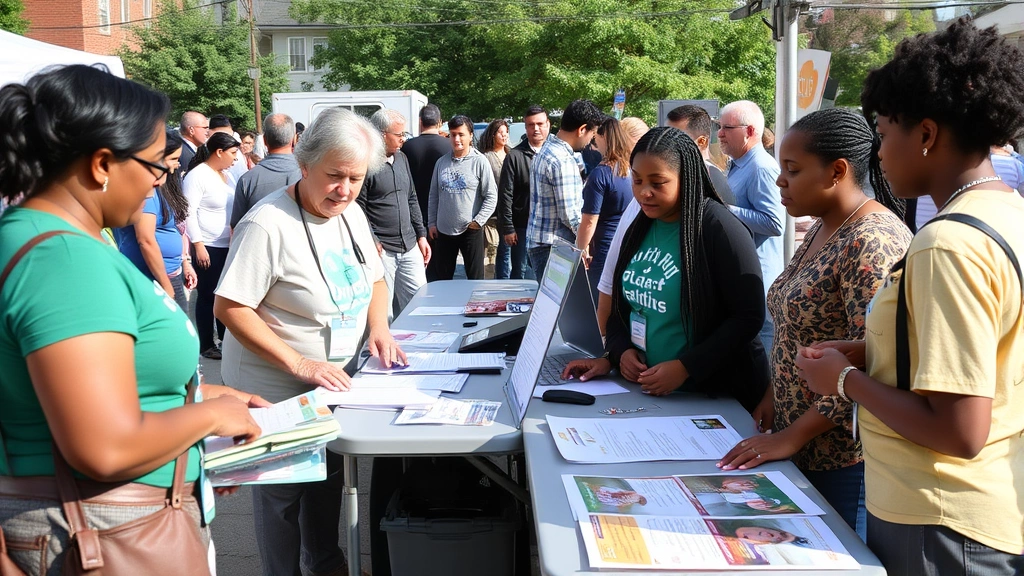
Address barriers to engagement proactively. Transportation challenges require shuttle services or virtual options. Time constraints demand flexible scheduling. Language barriers need interpretation services. Childcare needs require on-site programs. Each barrier removed increases participation and demonstrates genuine commitment to inclusion.
Overcoming Implementation Barriers: Navigating Common Challenges
Even well-designed partnerships encounter obstacles. Anticipating and planning for common barriers increases resilience and sustainability.
Resource Constraints: Limited funding restricts program scope and sustainability. Address through diverse funding strategies, volunteer mobilization, in-kind donations, and partnerships leveraging existing resources. Seek grants from health foundations, government agencies, and corporate partners. Implement modest programs effectively rather than ambitious initiatives with inadequate resources.
Competing Priorities: Community members juggle employment, family responsibilities, and personal challenges limiting engagement time. Respect these constraints through efficient programming, clear value propositions, and flexible participation. Partner with employers and schools to integrate health initiatives into existing structures.
Organizational Silos: Separate agencies operating independently limit coordination and efficiency. Establish regular communication forums, shared data systems, and collaborative planning processes breaking down silos. Create incentives for collaboration and accountability for partnership goals.
Health Equity Challenges: Reaching underserved populations requires intentional outreach and culturally tailored approaches. Partner with organizations serving marginalized communities, employ bilingual staff, and ensure leadership reflects neighborhood diversity. Address root causes of health disparities through advocacy and systemic change.
Sustainability Concerns: Initial enthusiasm wanes without institutional commitment and stable funding. Build sustainability through diversified revenue, staff development, documented outcomes, and integration into organizational missions. Transition from grant-dependent models toward embedded community health infrastructure.
Measuring Success and Impact: Data-Driven Continuous Improvement
Rigorous evaluation demonstrates partnership value and guides continuous improvement. Establish baseline metrics before interventions, then track progress systematically. Measure outcomes across multiple dimensions:
- Health outcomes: Disease prevention indicators, health behavior changes, clinical measurements, health status improvements
- Participation metrics: Program attendance, volunteer hours, leadership development, community engagement rates
- Reach and access: Population served, demographic representation, geographic coverage, barrier reduction
- Partnership functioning: Stakeholder satisfaction, collaborative effectiveness, resource coordination, governance quality
- Economic impact: Healthcare cost savings, productivity improvements, social return on investment
- Equity outcomes: Disparity reduction, representation in leadership, culturally appropriate services
Use mixed methods combining quantitative data with qualitative stories. Numbers demonstrate scale and efficiency; stories reveal meaning and impact. Share findings regularly with stakeholders, celebrating progress and identifying improvement opportunities. Transparent evaluation builds accountability and trust.
Consult CDC Community Health resources for evaluation frameworks and tools. Partner with academic institutions for rigorous impact assessment. When partnerships demonstrate results, funding and support follow naturally.
Frequently Asked Questions
What makes a neighborhood health partnership successful?
Successful partnerships combine clear vision, inclusive governance, adequate resources, evidence-based programming, strong community engagement, and commitment to equity. Regular evaluation and adaptation ensure responsiveness to changing needs. Leadership from both professionals and community members creates credibility and effectiveness.
How long does it take to see results from community health initiatives?
Initial engagement and participation improvements appear within months. Behavioral and health outcome changes typically require 6-12 months. Significant disease prevention and health status improvements usually emerge after 2-3 years of sustained effort. Quick wins build momentum while longer-term initiatives address root causes.
How can small communities implement health partnerships?
Smaller communities leverage unique advantages—existing relationships, tight-knit networks, and manageable scope. Start with one priority area, build strong partnerships, and expand gradually. Partner with regional organizations and utilize virtual collaboration tools. Community-based approaches often work better in smaller settings than top-down models.
What role should healthcare providers play in neighborhood partnerships?
Healthcare providers contribute clinical expertise, data access, patient outreach channels, and institutional resources. However, partnerships succeed when providers operate as equal partners with communities rather than directing initiatives. Providers should support community-identified priorities rather than imposing clinical agendas.
How do partnerships address health equity and disparities?
Explicit equity commitment requires disaggregating data by demographics, identifying disparities, and implementing targeted interventions. Partner with organizations serving marginalized populations, employ diverse staff, ensure culturally appropriate services, and address social determinants. Equity work continues throughout partnership evolution.
What funding sources support neighborhood health partnerships?
Multiple funding sources include government grants (CDC, HRSA, state/local health departments), foundation funding (health, community development, and family foundations), corporate partnerships, health insurance companies, and community fundraising. Diversified funding creates stability and reduces dependency on single sources.
How can partnerships maintain momentum after initial enthusiasm fades?
Institutional integration, stable funding, staff development, and demonstrated outcomes sustain partnerships. Celebrate wins regularly, recognize volunteer contributions, and maintain transparent communication about challenges. Embed health partnership work into organizational missions and budgets rather than treating as temporary initiatives.
What role does technology play in modern health partnerships?
Technology enables virtual participation, data management, communication, and evaluation. However, it cannot replace in-person relationship-building essential for community trust. Successful partnerships balance digital tools with human connection, ensuring technology increases rather than replaces community engagement.
Explore more strategies in our Life Haven Daily Blog featuring comprehensive health resources and implementation guidance.