

Neighborhood Health Boost: Expert Insights on Building Community Wellness
Your neighborhood is more than just where you live—it’s a powerful ecosystem that directly influences your health, happiness, and overall quality of life. From the accessibility of fresh grocers to the presence of community fitness programs, the environment surrounding you plays a crucial role in shaping your wellness journey. A neighborhood health partnership represents a collaborative approach where residents, local organizations, healthcare providers, and municipal leaders work together to create healthier communities from the ground up.
The concept of neighborhood-centered health initiatives has gained significant momentum in recent years, backed by mounting evidence that social determinants of health—factors like housing quality, food access, safety, and community engagement—are just as important as medical care itself. When neighborhoods invest in these foundational elements, remarkable transformations occur. People exercise more regularly, mental health outcomes improve, chronic disease rates decline, and communities become more resilient and connected. This comprehensive guide explores how neighborhood health partnerships work, why they matter, and how you can get involved in strengthening the wellness fabric of your own community.
Table of Contents
- What Is Neighborhood Health Partnership?
- Five Pillars of Community Wellness
- Real Community Success Stories
- How to Get Involved Locally
- Overcoming Implementation Challenges
- Future Trends in Neighborhood Health
- Frequently Asked Questions
What Is Neighborhood Health Partnership?
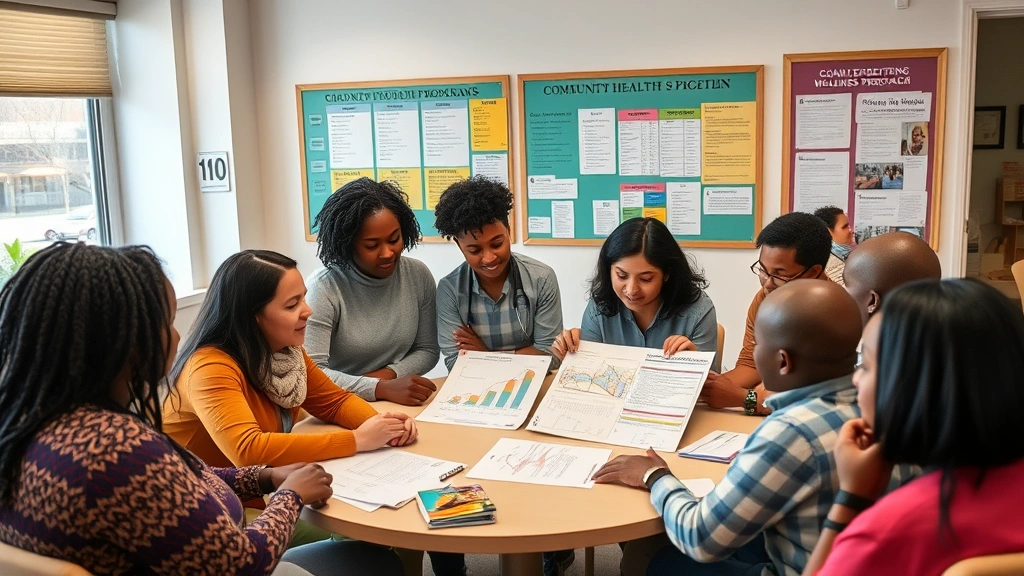
A neighborhood health partnership is a strategic alliance formed between multiple stakeholders who share a common goal: improving the health outcomes and quality of life for residents within a specific geographic area. These partnerships typically include local government agencies, healthcare systems, community organizations, schools, businesses, and most importantly, residents themselves.
Unlike traditional top-down health initiatives, neighborhood health partnerships operate on the principle of collective impact. Each partner brings unique resources, expertise, and perspectives to the table. Healthcare providers contribute clinical knowledge and resources, community organizations understand local needs intimately, schools reach families at critical developmental stages, and residents provide authentic insight into what actually works in their neighborhoods. This collaborative model has proven far more effective than siloed approaches because it addresses the root causes of poor health rather than just treating symptoms.
The Navi Health framework exemplifies how integrated health systems can support neighborhood initiatives by providing data, resources, and clinical expertise. When healthcare organizations actively participate in neighborhood partnerships, they gain invaluable community insights while simultaneously improving population health metrics and reducing preventable hospitalizations.
Research from Health Affairs Journal demonstrates that neighborhoods with active health partnerships see measurable improvements in preventive care utilization, medication adherence, and patient satisfaction within 18-24 months of implementation. The economic benefits are equally compelling—every dollar invested in neighborhood health initiatives returns approximately $3-5 in healthcare cost savings through reduced emergency department visits and hospitalizations.
[IMAGE_1]
Five Pillars of Community Wellness
Effective neighborhood health partnerships rest on five interconnected pillars that together create an environment where health naturally flourishes:
1. Food Security and Nutrition Access
Food deserts—neighborhoods lacking convenient access to fresh, nutritious food—are a significant barrier to healthy eating. Neighborhood health partnerships combat this through farmers markets, community gardens, nutrition education programs, and partnerships with local grocers to improve produce availability. Communities implementing these initiatives report increased fruit and vegetable consumption and lower rates of diet-related chronic diseases. Organizations like The Food Trust have documented how strategic food access improvements transform neighborhood health profiles.
2. Physical Activity Infrastructure
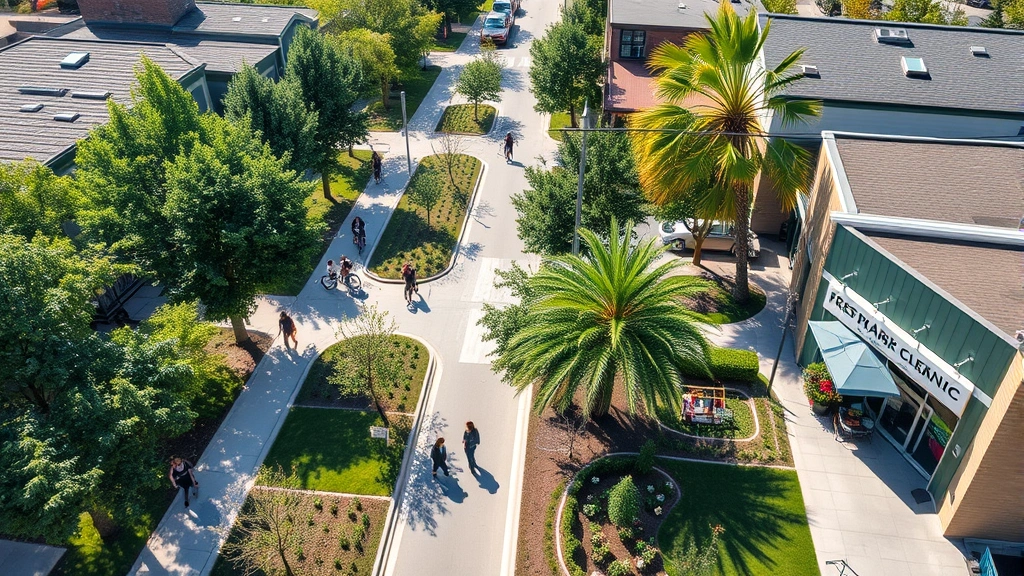
Safe parks, walking trails, community fitness centers, and recreational programs are essential for combating sedentary lifestyles. Neighborhoods investing in these amenities see participation rates in physical activity increase by 30-40%. The beauty of this pillar is that it creates multiple benefits simultaneously—children get outdoor play opportunities, adults have accessible exercise options, and the entire community benefits from increased social connection and reduced isolation.
3. Mental Health and Social Connection
Loneliness and social isolation are now recognized as major health risks comparable to smoking and obesity. Neighborhood health partnerships foster connection through community events, support groups, peer mentoring programs, and accessible mental health services. Check out our article on mental health awareness ribbon initiatives that help destigmatize mental health discussions at the community level.
4. Healthcare Access and Education
Reducing barriers to healthcare—both physical and knowledge-based—is crucial. This includes establishing community health centers, offering health literacy programs, providing transportation assistance, and ensuring culturally competent care. Many partnerships employ community health workers who serve as trusted bridges between residents and the healthcare system.
5. Environmental Quality and Safety
Safe neighborhoods with clean air, safe water, and minimal violence create the foundation for health. Partnerships address environmental hazards, support crime prevention initiatives, and advocate for policies that protect community wellbeing. Environmental racism—where low-income neighborhoods and communities of color face disproportionate exposure to pollution and toxins—is an important focus area for equity-minded partnerships.
Real Community Success Stories
Understanding how neighborhood health partnerships work in practice is invaluable. These real-world examples demonstrate the transformative potential:
The Urban Gardens Initiative
A mid-sized city neighborhood partnered with local nonprofits to transform vacant lots into community gardens. Within two years, residents were growing 15,000 pounds of fresh produce annually, participating in gardening 2-3 times weekly, and reporting improved mental health. Children in the neighborhood showed increased vegetable consumption, and seniors found meaningful activity and social connection. The partnership also created health and wellness jobs through garden maintenance and education roles.
The Walkability Transformation
Another neighborhood partnered with city planners and transportation advocates to add sidewalks, improve street lighting, and establish safe crossing points. Walking increased by 45%, and the neighborhood saw corresponding decreases in obesity rates and increases in spontaneous social interactions among residents. Property values increased, attracting new investment and further community revitalization.
The Youth Health Ambassador Program
A partnership trained teenagers as peer health educators, creating culturally relevant health messaging for their communities. These young ambassadors conducted workshops on mental health, sexual health, and chronic disease prevention. The program simultaneously improved health knowledge across the neighborhood and provided meaningful employment and leadership development for participating youth.
The Senior Wellness Network
Recognizing that seniors often face isolation, depression, and preventable health complications, a neighborhood partnership created regular wellness gatherings combining exercise classes, health screenings, and social activities. Emergency department visits among participating seniors dropped 32%, and participants reported significantly improved mental health and life satisfaction.
How to Get Involved Locally
You don’t need to wait for someone else to build a neighborhood health partnership in your area. Here’s how you can become an active participant or catalyst:
- Attend community meetings and town halls where health topics are discussed. Your presence and voice matter in shaping local priorities.
- Connect with existing organizations already working on health issues in your neighborhood. Visit the Life Haven Daily Blog for resources on finding local initiatives.
- Volunteer with community health programs whether that’s leading fitness classes, helping at food distributions, or mentoring youth.
- Advocate for policy changes that support health—safer streets, better zoning for grocery stores, funding for parks and recreation.
- Share your story and expertise. If you’ve overcome health challenges, work in health fields, or have unique community insights, these are valuable contributions.
- Support funding mechanisms by voting for bond measures or grants that support neighborhood health initiatives.
- Build bridges across differences by ensuring partnerships include diverse voices and perspectives from all neighborhood residents.
Overcoming Implementation Challenges
While neighborhood health partnerships show tremendous promise, they also face real obstacles that need thoughtful solutions:
Funding Limitations
Sustainable partnerships require adequate funding, which often comes from grants, government budgets, or philanthropic sources. Successful partnerships diversify funding by combining public health dollars, private foundation grants, corporate sponsorships, and community fundraising. They also demonstrate return on investment through improved health metrics and reduced healthcare costs, making the case for continued funding.
Building Trust Across Sectors
Healthcare providers, government agencies, nonprofits, and community members sometimes have competing interests or historical tensions. Overcoming this requires consistent communication, shared decision-making power, and demonstrated commitment to community priorities. Partnerships that truly listen to residents and follow their lead are far more successful than those that impose external agendas.
Ensuring Equitable Participation
Without intentional effort, partnerships can exclude the most marginalized community members—those with the greatest health needs. Successful partnerships provide childcare, meals, transportation assistance, and hold meetings at accessible times and locations. They also actively recruit and center the voices of people with lived experience of health inequities.
Measuring and Sustaining Impact
Demonstrating measurable health improvements takes time—often 2-3 years or more. Partnerships need patient funders and clear metrics that capture both quantitative data (disease rates, healthcare utilization) and qualitative outcomes (community connection, sense of agency, quality of life). Research from Robert Wood Johnson Foundation provides excellent frameworks for community health measurement.
Future Trends in Neighborhood Health
The neighborhood health partnership landscape continues to evolve in exciting directions:
Digital Integration and Data Sharing
Partnerships are increasingly using technology to coordinate care, share health information (with appropriate privacy protections), and reach community members through digital channels. Telehealth integration allows neighborhood partnerships to extend clinical expertise to underserved areas while maintaining the crucial in-person, relationship-based elements that make these initiatives special.
Climate and Health Convergence
Forward-thinking partnerships recognize that climate change is a health issue. They’re incorporating climate resilience, sustainable food systems, and clean energy access into their health agendas. This alignment creates co-benefits—solar installations that reduce energy costs while improving air quality, urban forests that cool neighborhoods while improving mental health, and local food systems that reduce carbon emissions while improving nutrition.
Addressing Social Determinants More Comprehensively
The National Survey of Children’s Health and similar research increasingly highlight that health is determined by economic opportunity, education, housing, and social connection. Partnerships are expanding their scope to address these foundational factors rather than focusing narrowly on healthcare access alone.
Youth-Led and Youth-Centered Initiatives
Recognizing that young people are both affected by and essential to shaping neighborhood health, partnerships are increasingly centering youth voice and leadership. Young people bring energy, innovation, and authentic understanding of peer health concerns. When given real power and resources, youth-led initiatives drive remarkable change.
Racial Equity as a Core Framework
Mature partnerships explicitly acknowledge and address how racism creates health inequities. They work to dismantle systems that have historically excluded communities of color from health resources, leadership, and decision-making power. This represents a shift from diversity initiatives to deeper equity work that examines power dynamics and historical injustices.
Frequently Asked Questions
What makes a neighborhood health partnership different from a traditional community health center?
While community health centers provide clinical services, neighborhood health partnerships are broader ecosystems addressing multiple determinants of health. They include but aren’t limited to healthcare, encompassing food access, physical activity, mental health, environmental quality, and social connection. They also emphasize community leadership and decision-making rather than top-down service delivery.
How long does it take to see results from a neighborhood health partnership?
Some benefits appear relatively quickly—increased community connection and engagement within 3-6 months, improved healthcare access within 6-12 months. However, meaningful changes in chronic disease rates, life expectancy, and other major health indicators typically require 2-5 years of sustained effort. This is why patient capital and long-term commitment are essential.
Can neighborhood health partnerships work in rural areas?
Absolutely. Rural partnerships face different challenges—greater distances, smaller populations, limited public transportation—but the fundamental principles remain powerful. Rural partnerships often succeed by leveraging strong existing community bonds, utilizing technology creatively, and partnering with regional healthcare systems and universities.
How do neighborhood health partnerships address health disparities?
Effective partnerships explicitly acknowledge that health disparities exist due to systemic racism, economic inequality, and historical injustices—not due to individual behaviors or choices. They work to dismantle barriers, ensure equitable resource distribution, center the voices of most-impacted communities, and advocate for policy changes that address root causes. Some partnerships employ community health workers from the neighborhoods they serve, ensuring cultural competence and trust.
What’s the role of healthcare providers in neighborhood health partnerships?
Healthcare providers bring clinical expertise, data, and institutional resources. However, successful partnerships avoid allowing healthcare providers to dominate decision-making. Instead, providers serve as partners alongside community members, nonprofits, and government agencies, each contributing their unique expertise and perspective.
How can I find out if my neighborhood has a health partnership?
Start by contacting your local health department, community action agencies, or major healthcare systems in your area. Search online for “[your neighborhood] health partnership” or “[your city] community health collaborative.” If no formal partnership exists, you can be the catalyst for creating one by convening interested stakeholders and learning from established models.
Are neighborhood health partnerships expensive?
They require investment, but far less than the costs of preventable illness and healthcare crises. Most partnerships operate on modest budgets ($500,000-$2 million annually) that fund coordination, community programs, and data collection. When compared to the healthcare costs saved through improved health outcomes, the return on investment is substantial.
The path to healthier neighborhoods isn’t complex in theory—it requires bringing people together with resources, respect, and a shared commitment to community wellbeing. Neighborhood health partnerships prove that when we invest in the social, physical, and environmental foundations of health, remarkable transformations occur. Whether you’re a healthcare professional, community leader, or passionate resident, there’s a place for you in this movement toward neighborhood health equity. Start where you are, use what you have, and do what you can to strengthen the health of your community. The ripple effects will surprise you.