

Northside Community Health: Local Patient Stories That Inspire Change
At the heart of every thriving neighborhood lies a commitment to accessible healthcare and community wellness. Northside Community Health Center stands as a beacon of compassionate care, where real stories of transformation unfold daily. From managing chronic conditions to preventive wellness initiatives, the patients who walk through these doors bring their unique journeys, challenges, and triumphs that reshape how we understand community-centered medicine.
The power of local healthcare extends far beyond clinical settings. When patients receive care from providers who understand their neighborhood’s specific health challenges, cultural backgrounds, and socioeconomic circumstances, the outcomes transform dramatically. This article celebrates the remarkable individuals who have found renewed hope and healthier lives through Northside Community Health Center, demonstrating why community-based healthcare remains essential to our collective wellbeing.
Quick Navigation
Inspiring Patient Success Stories from Northside
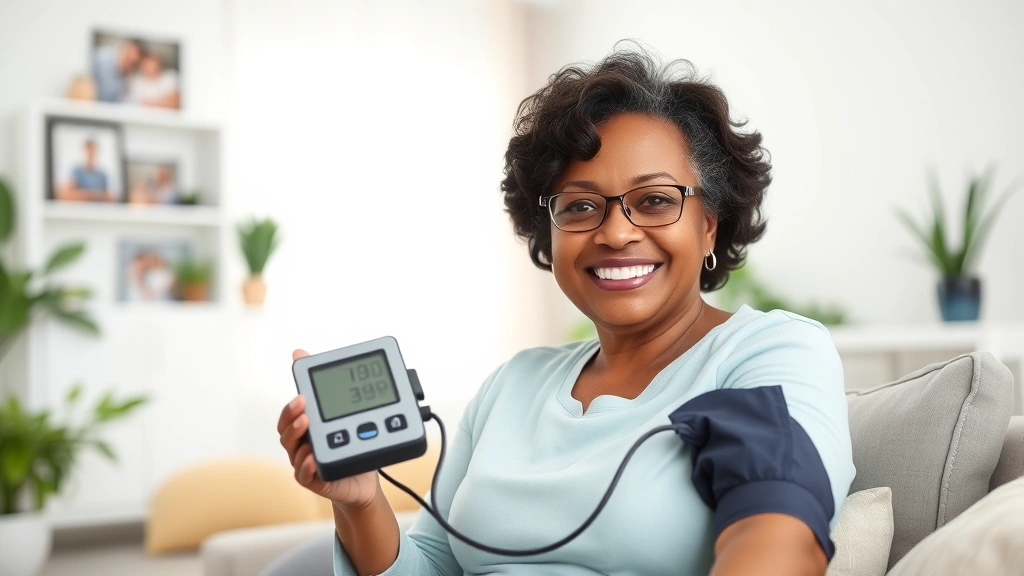
Maria’s journey began three years ago when she first visited Northside Community Health Center with uncontrolled diabetes and mounting anxiety about her health future. At fifty-two, she felt trapped by her diagnosis, unable to manage her symptoms effectively despite previous attempts at treatment elsewhere. The difference at Northside wasn’t just medical expertise—it was genuine human connection combined with culturally sensitive care that resonated with her lived experience.
Working with her care team, Maria discovered that her previous healthcare providers hadn’t fully explored her barriers to medication adherence or dietary changes. The nurse practitioners at Northside took time to understand her family dynamics, her work schedule as a restaurant manager, and her cultural food preferences. Rather than prescribing generic solutions, they collaborated with Maria to develop realistic strategies that fit her actual life, not an idealized version of it.
“They treated me like a person, not a patient number,” Maria reflects. Within eighteen months, her A1C levels dropped from 9.2 to 6.8, her blood pressure normalized, and her anxiety significantly decreased. More importantly, she regained confidence in her ability to manage her health. Today, she volunteers at the center, mentoring newly diagnosed diabetic patients and sharing her story to inspire others facing similar struggles.
Then there’s James, a forty-eight-year-old construction worker who had avoided doctors for nearly two decades due to previous negative experiences and healthcare anxiety. A routine workplace injury brought him to Northside Community Health Center’s urgent care, where he encountered Dr. Patel, who demonstrated remarkable patience in addressing not just his acute injury but his underlying health concerns. James had never been screened for hypertension, high cholesterol, or prostate cancer—all significant risks for men his age and occupation.
Through a series of comprehensive assessments and non-judgmental conversations, James discovered he had stage-two hypertension and elevated cholesterol. Rather than feeling ashamed or overwhelmed, he felt empowered by the clear action plan developed collaboratively with his care team. The center connected him with a health and wellness professional who specialized in fitness modifications for construction workers, making his lifestyle changes sustainable and practical.
“I thought I’d have to completely change who I am,” James says. “Instead, they helped me become a better version of myself while staying true to my lifestyle.” His recent bloodwork shows remarkable improvement, and he’s become an advocate for preventive healthcare among his crew, encouraging colleagues to prioritize their wellness.
Managing Chronic Conditions Through Community-Centered Care
Chronic disease management represents one of the most significant challenges facing modern healthcare systems. Unlike acute illnesses that resolve with treatment, chronic conditions like diabetes, hypertension, asthma, and heart disease require ongoing management, lifestyle modifications, and continuous provider support. Community health choices that prioritize local resources often yield superior outcomes compared to fragmented, specialist-heavy approaches.
Northside Community Health Center’s approach to chronic disease management integrates multiple strategies that address both medical and social determinants of health. Their integrated care model ensures that patients don’t navigate separate silos for physical health, mental health, and social support services. Instead, all providers access comprehensive patient records and collaborate on unified treatment plans.
Consider the experience of elderly residents managing multiple chronic conditions simultaneously. Seventy-three-year-old Dorothy manages diabetes, chronic obstructive pulmonary disease (COPD), and arthritis—conditions that would overwhelm many patients trying to coordinate care across multiple providers. At Northside, her primary care physician, pulmonologist, and care coordinator meet regularly to ensure her medications don’t interact negatively, her treatment goals remain aligned, and her quality of life stays central to all decisions.
The center’s chronic disease clinics provide specialized group education sessions where patients with similar conditions learn from providers and from each other. These peer-support environments reduce isolation, provide practical tips for management, and create accountability networks. Dorothy joined the COPD support group and discovered breathing techniques and energy-conservation strategies that dramatically improved her daily functioning.
Medication management represents another critical component. Northside’s pharmacists don’t simply fill prescriptions—they educate patients about each medication’s purpose, potential side effects, and interactions. For complex patients on multiple medications, the pharmacy team conducts comprehensive medication reviews, often identifying duplications or unnecessary prescriptions that were contributing to side effects or medication non-adherence.
The center also addresses the social determinants that complicate chronic disease management. Transportation barriers, food insecurity, housing instability, and social isolation all significantly impact health outcomes. Northside’s care coordinators connect patients with community resources, from local food banks to senior transportation services, recognizing that healthcare extends beyond the clinic walls.
Community Wellness Programs Creating Neighborhood Health
Beyond individual patient care, Northside Community Health Center invests significantly in community-wide wellness initiatives that address population health. These programs recognize that individual health exists within community context—neighborhood walkability, access to healthy foods, recreational opportunities, and social cohesion all influence wellbeing.
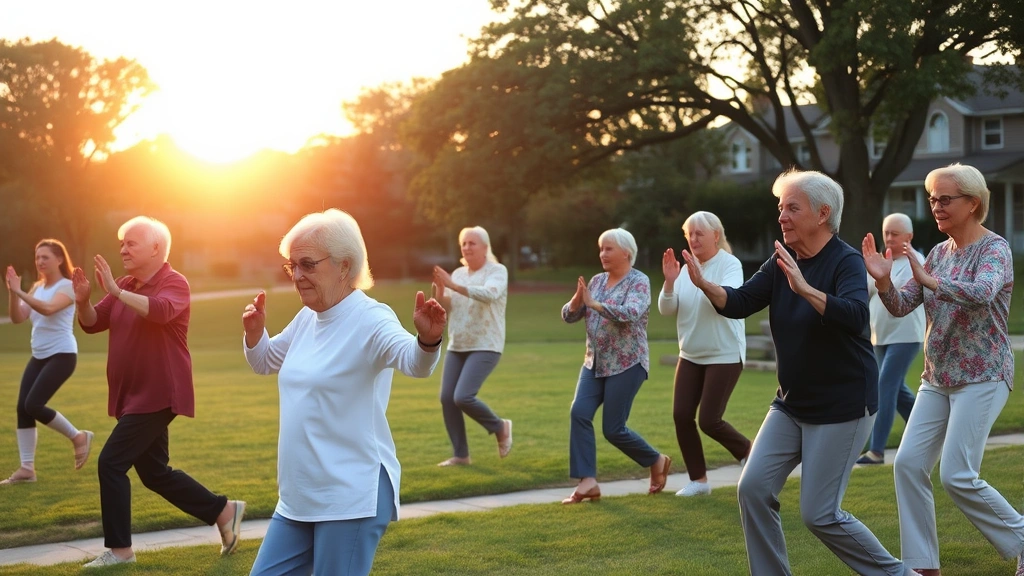
The center’s fitness partnership program exemplifies this community-centered approach. Rather than referring patients to expensive gyms, Northside has established relationships with local parks departments, community centers, and faith-based organizations to provide free or low-cost fitness opportunities. Group walking clubs meet at nearby parks, water aerobics classes happen at the community center pool, and yoga sessions occur in neighborhood churches.
These programs serve multiple purposes simultaneously. They provide accessible exercise opportunities for patients with limited resources. They build community connections and reduce social isolation, particularly among elderly residents and recent immigrants. They normalize physical activity as a community value rather than an individual burden. Regular participants report not just improved physical fitness but enhanced mental health and stronger neighborhood connections.
Nutritional wellness represents another priority area. Northside’s registered dietitians don’t simply provide individual counseling—they partner with local restaurants, food banks, and community gardens to improve neighborhood food access and quality. The center hosts cooking classes featuring recipes adapted from various cultural traditions, making healthy eating culturally relevant and practically achievable.
The community garden program particularly resonates with residents seeking connection to food sources and outdoor activity. Managed by center staff and community volunteers, the garden provides fresh produce to participating families while building neighborhood relationships across age groups and backgrounds. Participants report therapeutic benefits from gardening, improved nutrition from homegrown vegetables, and strengthened community bonds.
Mental health wellness initiatives address the psychological dimensions of community health. Northside offers free or sliding-scale counseling services, support groups for various life challenges, and community education about mental health topics. Their mental health resources library provides evidence-based information accessible to all community members.
The Transformative Power of Preventive Care
Preventive healthcare represents perhaps the most cost-effective and life-enhancing approach to community health, yet it remains dramatically underfunded and underutilized in many regions. Northside Community Health Center prioritizes preventive care through comprehensive screening programs, health education, and lifestyle interventions designed to identify health risks before they develop into serious diseases.
The center’s annual wellness visits go far beyond perfunctory check-ups. These comprehensive assessments include detailed health history reviews, physical examinations, appropriate age and risk-based screenings, and personalized prevention plans. For patients without established healthcare relationships, these visits often reveal previously undiagnosed conditions or significant health risks that can be addressed through early intervention.
Cancer screening programs illustrate this preventive power. Through age-appropriate mammography, colonoscopy, and cervical cancer screening, the center identifies malignancies at earlier, more treatable stages. When screenings reveal concerning findings, the center’s navigation team helps patients access necessary follow-up care and supports them through diagnostic and treatment processes.
Cardiovascular disease prevention represents another crucial focus. The center identifies patients at elevated risk through blood pressure screening, lipid panels, and assessment of other risk factors. Rather than waiting for heart attacks or strokes to occur, providers work with at-risk patients to modify controllable risk factors through medication, lifestyle changes, and stress reduction techniques.
Childhood preventive care programs ensure that young community members develop healthy foundations for lifelong wellness. Beyond immunizations and growth monitoring, the center screens for developmental delays, behavioral health concerns, and social determinants affecting child wellbeing. Early identification of vision, hearing, or learning challenges allows timely intervention when children can most benefit from support.
The center’s approach to North Central Health Care coordination demonstrates how regional partnerships enhance preventive capacity. By collaborating with neighboring health systems, Northside ensures patients can access specialized preventive services when needed while maintaining continuity of primary care relationships.
Frequently Asked Questions About Northside Community Health
What services does Northside Community Health Center provide?
Northside Community Health Center offers comprehensive primary care including preventive services, chronic disease management, urgent care, dental services, behavioral health counseling, pharmacy services, and care coordination. They provide services on a sliding fee scale based on income, ensuring financial barriers don’t prevent access to needed care.
How can I become a patient at Northside Community Health?
New patients can schedule appointments by calling the main line or visiting in person during business hours. The center accepts patients regardless of insurance status or ability to pay. Many community members access care through the Life Haven Daily Blog where they share information about accessing local health resources.
Does Northside accept insurance and Medicaid?
Yes, Northside accepts most insurance plans, Medicare, and Medicaid. For uninsured patients, the center offers services on a sliding fee scale based on family income. Staff can help patients navigate insurance questions and enrollment assistance.
What makes Northside different from other healthcare providers?
Northside’s commitment to community-centered care distinguishes it from larger health systems. Providers take time to understand patients’ social circumstances, cultural backgrounds, and life realities. The integrated care model ensures coordination between medical, behavioral, and social services. The center invests in community wellness programs that extend health benefits beyond individual patients.
How does Northside address health disparities in the community?
The center employs culturally competent providers, offers interpretation services for multiple languages, and actively works to understand and address barriers affecting marginalized community members. Staff receive ongoing training in health equity and implicit bias. The center partners with community organizations serving vulnerable populations and advocates for policies addressing social determinants of health.
Can I access behavioral health services at Northside?
Yes, Northside provides integrated behavioral health services including individual counseling, group therapy, psychiatric medication management, and substance use disorder treatment. Behavioral health providers work collaboratively with primary care physicians to address mental health as part of comprehensive patient care.
Final Reflections on Community Healthcare
The patient stories from Northside Community Health Center illuminate fundamental truths about healthcare effectiveness. When patients receive care from providers who understand their neighborhood, respect their culture, and recognize their life circumstances, health outcomes improve dramatically. When healthcare systems invest in community wellness beyond individual clinical encounters, population health flourishes. When financial barriers dissolve through sliding-scale fees and comprehensive support services, everyone benefits from preventive care and early intervention.
Maria, James, Dorothy, and countless others have discovered that healthcare can be transformative when it’s truly community-centered. Their stories remind us that behind every health statistic are real people navigating real challenges. By supporting organizations like Northside Community Health Center that prioritize accessible, comprehensive, culturally sensitive care, we invest in healthier, more resilient neighborhoods.
Whether you’re seeking care for yourself or your family, considering a healthcare career, or simply interested in community health improvement, Northside Community Health Center represents the possibilities when healthcare systems prioritize people over profits and communities over convenience.