
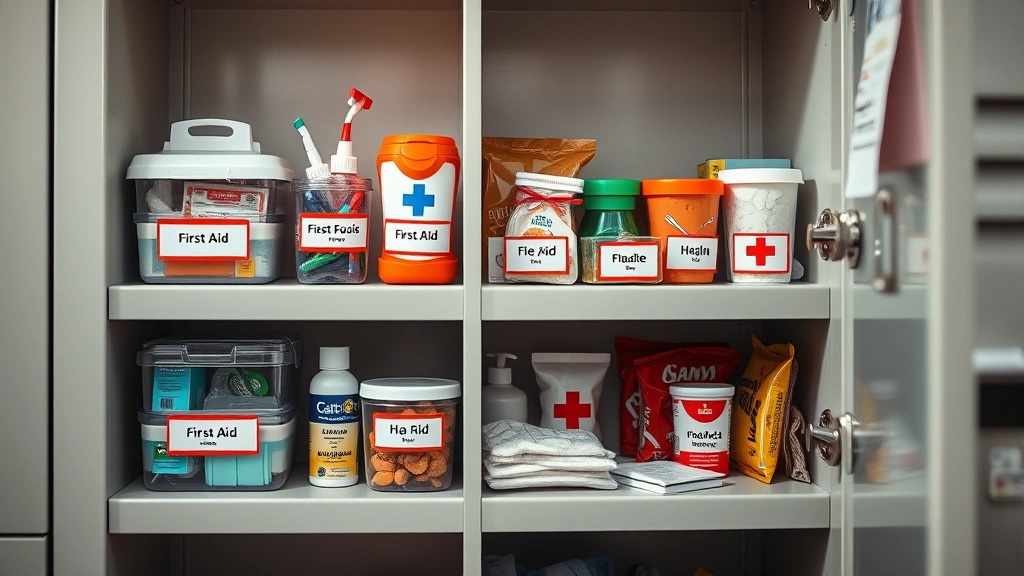
Essential School Health Supplies: A Parent’s Guide
As a parent, preparing your child for the school year involves more than just new backpacks and notebooks. Creating a comprehensive school health supply kit is one of the most important responsibilities you can undertake to ensure your child stays healthy, comfortable, and ready to learn throughout the academic year. From basic first aid essentials to wellness items that support immunity and mental health, the right supplies can make all the difference in your child’s school experience.
This guide walks you through every essential item your child needs, organized by category and priority level. Whether your child is in elementary school, middle school, or high school, you’ll find practical advice on what to pack, why each item matters, and how to maintain these supplies throughout the year. Let’s explore how to build a robust health and wellness strategy that keeps your child thriving in the classroom.
First Aid Basics Every Child Needs
Every child should have access to fundamental first aid supplies at school, whether kept in a locker, backpack, or the school nurse’s office. These items address minor injuries that happen during the school day—scraped knees from playground falls, paper cuts, or minor bumps that need immediate attention.
Start with adhesive bandages in various sizes. Children experience small cuts and scrapes frequently, and having bandages readily available prevents infection and allows them to return to activities quickly. Include a roll of medical tape and sterile gauze pads for slightly larger wounds. An elastic bandage or compression wrap is essential for minor sprains that might occur during physical education classes or sports.
Antibiotic ointment and antiseptic wipes are critical for wound cleaning before bandaging. These simple items prevent infection and show your child that proper wound care is a priority. Include pain relief options appropriate for your child’s age—either children’s acetaminophen or ibuprofen, kept in your child’s locker with clear instructions about when and how to use them. A small thermometer helps identify fevers early, which is especially important for communicating with school nurses.
Don’t forget tweezers for splinter removal and antihistamine cream for insect bites or minor allergic reactions. If your child has specific allergies or medical conditions, ensure the school has necessary medications like epinephrine auto-injectors or inhalers, and keep backup supplies in your child’s locker.

Hygiene Essentials for Daily Use
Maintaining proper hygiene at school is fundamental to preventing illness and building healthy habits. Your child should have easy access to hand sanitizer, particularly important for times when handwashing isn’t immediately available. A small bottle in the backpack or locker ensures your child can clean their hands before eating or after using shared equipment.
Include travel-sized tissues in your child’s supplies—these are invaluable for managing minor colds and preventing the spread of germs. Encourage your child to use tissues and dispose of them properly, modeling respiratory etiquette that protects the entire school community. Wet wipes or hand sanitizing wipes are excellent for cleaning hands and desks throughout the day.
Feminine hygiene products are essential for girls entering puberty. Many schools provide these items, but having personal supplies eliminates embarrassment and ensures your daughter feels prepared and confident. Include discreet storage options so your child can manage these items privately.
Lip balm with SPF protects delicate lips, and a small container of lotion helps prevent dry skin from frequent handwashing. Include deodorant appropriate for your child’s age and activity level—especially important for middle and high school students. A travel-sized toothbrush and toothpaste allow your child to maintain oral hygiene after lunch, promoting both dental health and confidence.
Don’t overlook nail care items. Include a small nail file and nail clippers to prevent broken nails that can become infected or cause discomfort during the school day. These small items demonstrate comprehensive self-care to your child.
Nutrition and Wellness Items
Proper nutrition directly impacts your child’s ability to focus, learn, and maintain energy throughout the school day. While lunch and snacks are typically provided or packed, having backup nutrition supplies ensures your child never goes hungry or without healthy options.
Include nutrient-dense snacks in your child’s locker or backpack. Nuts, seeds, dried fruit, granola bars, and whole grain crackers provide sustained energy and support brain function during challenging academic periods. These snacks should be shelf-stable and require no refrigeration. Include electrolyte replacement drinks or powder packets for days when your child participates in sports or physical activities, helping them rehydrate and recover.
A reusable water bottle is one of the most important wellness items you can provide. Proper hydration improves concentration, mood, and physical performance. Encourage your child to refill it throughout the day. Include a small multivitamin if your child’s pediatrician recommends it, supporting nutritional gaps and immune function.
For children with dietary restrictions or allergies, maintain a supply of safe, approved snacks that align with their needs. This prevents your child from feeling excluded during snack time and reduces anxiety about food safety. Work with your school’s health and wellness professionals to ensure all dietary needs are properly documented and accommodated.
Include herbal tea bags or honey packets for soothing a sore throat. A small container of ginger candies can help settle an upset stomach. These items provide comfort and support your child’s wellbeing during minor health challenges.
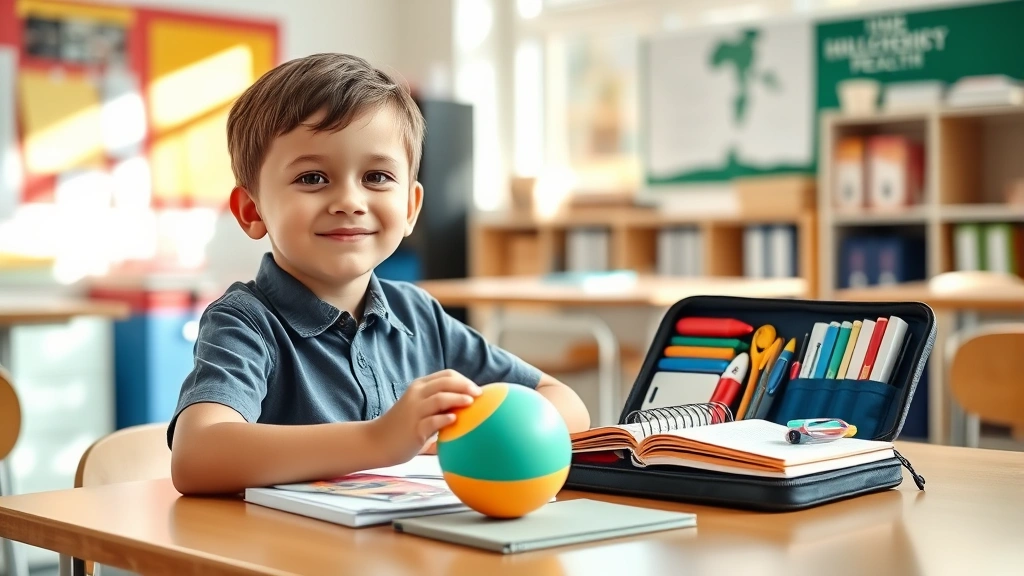
Mental Health and Stress Relief Supplies
School presents numerous opportunities for stress—academic pressure, social challenges, and performance anxiety are normal parts of the educational experience. Including mental health support supplies helps your child manage stress and develop healthy coping mechanisms.
Stress relief items like fidget tools, stress balls, or pop-it toys can help your child manage anxiety during challenging moments. These items provide tactile stimulation that calms the nervous system without disrupting the classroom. Discuss appropriate use with your child’s teachers to ensure these tools support rather than distract from learning.
Include a small journal or notebook where your child can write about their day, process emotions, or practice gratitude. Writing is a powerful tool for emotional regulation and self-reflection. Encourage your child to use this space privately to explore their feelings.
Aromatherapy items like a small essential oil roller or scented lotion can provide calming benefits. Lavender and chamomile are known for their relaxation properties and can help your child manage test anxiety or social stress. A small book of positive affirmations or inspirational quotes offers perspective during challenging moments.
Consider including headphones or earplugs if your school allows them. Many children find music or silence helpful for concentration and stress management. Work with your child’s teachers and mental health professionals to determine if these tools support your child’s learning needs.
Include contact information for your child’s counselor, therapist, or trusted adult at school. Sometimes the most important supply is knowing where to turn when stress feels overwhelming. Normalize seeking help by making these resources easily accessible.
Seasonal Health Considerations
Different seasons present unique health challenges that require adjusted school health supplies. Understanding seasonal concerns helps you prepare proactively and keep your child healthy year-round.
Fall and Winter Months: As temperatures drop and flu season approaches, increase your focus on immune support. Ensure your child receives annual flu vaccinations and has access to vitamin C supplements or immune-boosting foods. Include extra tissues, throat lozenges, and cough drops as cold and flu season peaks. A small hand cream prevents the dry, cracked skin common in cold weather. Include a small umbrella or rain jacket in your child’s locker for unexpected weather changes.
Spring and Summer: Warmer months bring outdoor activities and increased sun exposure. Sunscreen with SPF 30 or higher should be included in your child’s backpack, especially for recess and outdoor physical education. Include insect repellent for playground time when mosquitoes and ticks are active. Allergy sufferers may need antihistamine tablets or nasal spray during high pollen seasons. Stay informed about local health updates and recommendations from your regional health department.
Year-Round Essentials: Regardless of season, maintain consistent access to basic first aid supplies, hygiene items, and wellness products. Review and refresh your child’s supplies monthly to ensure nothing has expired or been used up. Create a system where your child knows how to restock supplies and communicates needs to you.
Organization and Storage Tips
Having excellent supplies means little if your child can’t access them when needed. Proper organization ensures your child uses these items effectively and maintains them throughout the school year.
Storage Solutions: Invest in a small, waterproof container or clear plastic organizer that fits in your child’s locker. Clear containers allow your child to see what’s available and identify items needing replacement. Label each section clearly so your child knows exactly where to find specific supplies. Use a small tackle box or craft organizer with multiple compartments—these are inexpensive, durable, and perfect for organizing diverse items.
Backpack Organization: Keep frequently used items easily accessible in your child’s backpack. Hand sanitizer, tissues, and basic bandages should be in outer pockets or front compartments. Reserve the main backpack compartment for books and school materials. Use small zippered pouches to group related items—one for first aid, one for hygiene, one for snacks.
Communication System: Establish a regular check-in routine where your child reports what supplies need replenishing. Create a simple checklist your child can use to inventory supplies weekly. This teaches responsibility and ensures your child never runs out of essential items. Consider a shared digital document where you track supply levels and upcoming needs.
Seasonal Rotation: As seasons change, rotate supplies accordingly. Remove heavy winter items when warm weather arrives and replace them with sunscreen and insect repellent. This keeps your child’s locker and backpack from becoming overstuffed while ensuring seasonal needs are met.
School Coordination: Communicate with your child’s school about what supplies are appropriate to keep in lockers versus what should be stored in the nurse’s office. Some schools have specific policies about medications or health items. Understanding these guidelines ensures compliance and proper access when your child needs support.
Frequently Asked Questions
What’s the most important school health supply for parents to prioritize?
While all items serve important purposes, hydration stands out as foundational. A water bottle and the habit of regular drinking supports concentration, mood, physical performance, and overall health. After hydration, basic first aid supplies and any necessary medications specific to your child’s medical needs are critical priorities.
How often should parents refresh school health supplies?
Review supplies monthly and refresh as needed. Check expiration dates on medications, sunscreen, and food items regularly. At the beginning of each season, do a comprehensive inventory and replace seasonal items. If your child uses supplies frequently, check more often. Establish this as a back-to-school routine and a mid-year refresh tradition.
Are there supplies schools typically provide that parents shouldn’t duplicate?
Contact your specific school to understand what they provide. Most schools stock tissues, hand sanitizer, and basic first aid supplies in classrooms and the nurse’s office. However, having backup supplies in your child’s locker ensures access when classroom supplies run low. Medications, specific hygiene items, and personalized wellness supplies are always your responsibility as a parent.
How can parents encourage children to actually use health supplies?
Involve your child in selecting and organizing supplies so they feel ownership and understanding. Explain why each item matters using age-appropriate language. Practice using items together—show your child how to apply sunscreen, use hand sanitizer correctly, or take their own temperature. Make it a positive habit rather than a chore. Praise your child when they use supplies appropriately and take care of their health.
Should parents send supplies for the entire class or just their child?
Provide supplies primarily for your own child’s needs. Many teachers request class supplies at the beginning of the year—tissues, hand sanitizer, or disinfecting wipes. Respond to these specific requests generously. Beyond teacher requests, focus on your child’s personal health supplies to ensure they’re available when needed.
What role do school nurses play in managing student health supplies?
School nurses are invaluable partners in your child’s health management. They maintain medications, manage health conditions, and provide guidance about appropriate supplies. Work closely with your school’s community health professionals to coordinate care and ensure your child receives comprehensive support. Share information about your child’s health needs, allergies, and medications with the nurse at the start of the school year.
How do parents balance preparedness with encouraging independence?
The goal is teaching your child to manage their own health while having backup support available. Start by helping your child organize and understand their supplies, then gradually transfer responsibility. By middle school, children should be largely self-sufficient in managing their health supplies with occasional parental check-ins. This builds confidence and prepares them for independent health management in adulthood.
Building a comprehensive school health supply kit demonstrates your commitment to your child’s wellbeing and sets the foundation for lifelong healthy habits. By thoughtfully selecting items that address first aid, hygiene, nutrition, and mental health, you’re equipping your child with tools for success both academically and personally. Review these recommendations with your child’s specific needs in mind, consult with wellness resources and expert guidance, and adjust supplies seasonally. Work collaboratively with your child’s school, teachers, and healthcare providers to ensure a cohesive approach to health support. Remember that the best school health supplies are those your child actually uses—involve them in the process, keep supplies organized and accessible, and regularly communicate about their needs. With proper preparation and ongoing attention, you’re creating an environment where your child can thrive.
For additional career opportunities in supporting student health and wellness, explore mental health nursing positions and other roles in educational health services. Many parents find that understanding school health systems deepens their appreciation for the professionals supporting their children’s wellbeing throughout the academic year.