

Staying Healthy in St. Clair: Local Insights
St. Clair County residents have access to exceptional health resources and community wellness programs designed to support thriving lifestyles. Whether you’re new to the area or a longtime resident, understanding what the St. Clair County Health Department offers can transform your approach to personal wellness and family health management. This comprehensive guide explores local health initiatives, preventive care options, and community resources that make St. Clair an ideal place to prioritize your wellbeing.
The St. Clair County Health Department stands as a cornerstone of community health infrastructure, providing evidence-based services, educational programs, and preventive care initiatives. From immunization clinics to chronic disease management support, these resources are tailored to meet the diverse health needs of our neighborhoods. Understanding how to leverage these services positions you to make informed decisions about your health journey.
Building a sustainable wellness lifestyle requires knowing where to turn for guidance, support, and professional care. This article connects you with local expertise, community programs, and practical strategies that align with St. Clair County’s commitment to public health excellence.
Table of Contents
- Health Department Services & Programs
- Preventive Care Strategies
- Mental Health & Wellness Support
- Community Wellness Initiatives
- Nutrition & Fitness Programs
- Chronic Disease Management
- Frequently Asked Questions
Health Department Services & Programs
The St. Clair County Health Department delivers comprehensive public health services that address the full spectrum of community health needs. Their mission encompasses disease prevention, health promotion, and ensuring equitable access to care across all demographics. Understanding what services are available helps you take proactive steps toward optimal health.
Immunization Services represent one of the most critical offerings. The health department maintains vaccination clinics throughout the county, providing protection against preventable diseases including influenza, measles, pertussis, and pneumococcal infections. These clinics operate with flexible scheduling to accommodate working families and seniors. Immunizations are particularly important for vulnerable populations—children beginning school, elderly residents, and immunocompromised individuals. The department tracks vaccination rates and provides educational materials about vaccine safety and efficacy.
Disease surveillance and outbreak response capabilities ensure rapid intervention when health threats emerge. The health department monitors communicable disease patterns, investigates cases, and implements containment strategies. This vigilance protects community members and prevents widespread illness. Recent pandemic experiences have strengthened these capabilities, making St. Clair County well-equipped to respond to emerging health challenges.
Environmental health inspections maintain food safety standards across restaurants, food processing facilities, and retail establishments. Regular inspections and compliance monitoring reduce foodborne illness outbreaks. Water quality testing ensures safe drinking water throughout the county. These behind-the-scenes services are fundamental to community health, even when residents don’t directly interact with them.
The health department also coordinates spring health reviews and seasonal health initiatives that align with natural wellness cycles. These programs often include free health screenings, education workshops, and community awareness campaigns.

Preventive Care Strategies for St. Clair Residents
Prevention-focused healthcare represents the most effective approach to maintaining long-term wellness. Rather than waiting for illness to develop, proactive strategies address risk factors before they become serious health problems. St. Clair County resources support this preventive mindset through accessible screening programs and educational initiatives.
Regular Health Screenings form the foundation of preventive care. Blood pressure monitoring, cholesterol testing, diabetes screening, and cancer screenings detect conditions in early stages when treatment is most effective. Many St. Clair County clinics offer affordable or free screening events targeting specific populations. Women should prioritize mammography and cervical cancer screening; men benefit from prostate health discussions with their physicians. Everyone over 45 should consider regular blood pressure and cholesterol monitoring.
Working with primary care providers creates accountability and ensures comprehensive health management. Establishing a relationship with a local physician or nurse practitioner allows for personalized health planning. These providers understand St. Clair County’s specific health challenges and can recommend locally-appropriate resources. Regular check-ups catch emerging issues and provide opportunities to discuss lifestyle modifications.
Lifestyle Risk Assessment helps identify personal health vulnerabilities. Factors including family history, occupation, physical activity levels, dietary patterns, and stress exposure all influence disease risk. The health department and local wellness professionals can help assess these factors and recommend targeted interventions.
Preventive dentistry and vision care round out comprehensive prevention strategies. Regular dental cleanings prevent periodontal disease, which correlates with cardiovascular health. Annual eye exams detect conditions like glaucoma and diabetic retinopathy before vision loss occurs. These specialties often receive less attention than general medicine but significantly impact quality of life.
Mental Health & Wellness Support
Mental health constitutes an essential component of overall wellness that St. Clair County increasingly prioritizes. The stigma surrounding mental health care continues diminishing as communities recognize psychological wellbeing’s profound impact on physical health, relationships, and productivity.
St. Clair County mental health services include counseling, therapy, psychiatric evaluation, and crisis intervention. Community mental health centers provide sliding-scale fees, ensuring affordability regardless of insurance status. These centers address anxiety disorders, depression, bipolar disorder, schizophrenia, and substance use disorders. Therapists specializing in trauma, family dynamics, and life transitions help residents navigate complex emotional challenges.
Crisis hotlines and mobile crisis teams respond to acute mental health emergencies. These services prevent unnecessary emergency room visits while providing immediate support during psychological crises. Family members and friends can contact crisis services on behalf of someone in distress, recognizing that mental health emergencies deserve the same urgent response as physical health emergencies.
Explore mental health books and resources that complement professional care. Self-help literature, mindfulness guides, and wellness journals support ongoing personal development between therapy sessions.
Peer support groups foster community among people facing similar challenges. Groups focused on depression, anxiety, grief, addiction recovery, and chronic illness create safe spaces for sharing experiences and learning coping strategies. These groups operate throughout St. Clair County and often meet at community centers, libraries, and faith-based organizations.
Community Wellness Initiatives & Events
St. Clair County’s vibrant community wellness calendar offers abundant opportunities to engage with health-focused activities and build connections with neighbors prioritizing similar values. These initiatives transform individual wellness goals into collective community health movements.
Health Fairs and Wellness Festivals bring together local healthcare providers, fitness professionals, nutritionists, and wellness vendors. These events typically feature free health screenings, educational presentations, fitness demonstrations, and health product samplings. Families find activities for all ages, making wellness a shared family experience. Health fairs often occur seasonally, with spring and fall being particularly active times for outdoor wellness events.
Walking groups and recreational sports leagues organized through parks and recreation departments provide structured physical activity with social benefits. Whether you prefer leisurely neighborhood walks or competitive sports participation, St. Clair County offers options matching various fitness levels and interests. These activities build community connections while advancing cardiovascular health.
Workplace wellness programs increasingly partner with the health department to support employee health. Ergonomics training, stress management workshops, nutrition counseling, and fitness incentives improve worker health while reducing healthcare costs. If your employer hasn’t implemented comprehensive wellness programming, advocating for these initiatives benefits your entire workplace community.
Educational workshops covering topics from nutrition fundamentals to disease management empower residents with practical health knowledge. Topics rotate seasonally and often address current health concerns. Check the Life Haven Daily Blog and local health department websites for upcoming workshop schedules.
Nutrition & Fitness Programs
Sustainable health requires addressing both nutrition and physical activity—the behavioral foundations of wellness. St. Clair County programs support these critical lifestyle domains through education, resources, and community infrastructure.
Nutrition Education Programs teach practical skills for healthy eating on realistic budgets. Programs address label reading, meal planning, cooking techniques, and grocery shopping strategies. Special programs target specific populations: parents learning to introduce healthy foods to children, seniors managing chronic disease through nutrition, and individuals managing diabetes or cardiovascular disease through dietary modification.
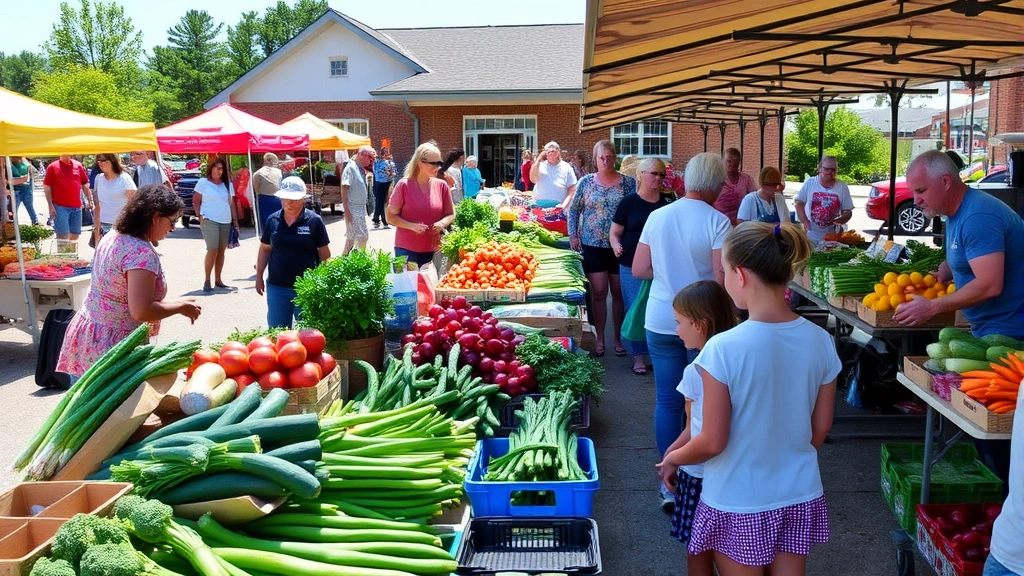
The Supplemental Nutrition Assistance Program (SNAP) and related initiatives ensure food security for lower-income residents. These programs connect eligible families with resources and partner with local farmers markets, enabling residents to access fresh produce affordably. Food insecurity directly impacts health outcomes, making these programs essential community health infrastructure.
Community Gardens proliferate throughout St. Clair County, offering residents space to grow vegetables, herbs, and flowers. Gardening provides physical activity, mental health benefits, access to fresh produce, and community connection. These spaces welcome beginners and experienced gardeners alike, often including educational programming about organic growing practices.
Fitness facilities and recreation programs accommodate all budgets and fitness levels. Community centers offer affordable gym memberships, group fitness classes, swimming, and sports programs. Parks provide free walking paths, exercise equipment, and sports courts. This infrastructure removes financial and accessibility barriers to physical activity.
Consider exploring health and wellness jobs if you’re passionate about supporting others’ fitness journeys—local opportunities exist for personal trainers, fitness instructors, and wellness coaches.
Chronic Disease Management & Support
Chronic diseases including diabetes, hypertension, asthma, and heart disease affect substantial portions of St. Clair County’s population. Effective management prevents complications, improves quality of life, and reduces healthcare costs. The health department coordinates comprehensive disease management services.
Diabetes Management Programs educate people newly diagnosed or struggling with control. These programs cover blood sugar monitoring, medication management, dietary modification, and physical activity integration. Support groups connect people managing diabetes, fostering peer learning and motivation. Regular monitoring through local clinics tracks progress and adjusts treatment plans as needed.
Asthma control programs particularly benefit children and adults experiencing frequent symptoms. Education about trigger identification, inhaler technique, and medication adherence prevents emergency room visits and hospitalizations. Environmental assessments identify household factors exacerbating asthma, with resources for remediation.
Cardiovascular Disease Prevention addresses the leading cause of death in the United States. Risk factor management focusing on blood pressure, cholesterol, physical activity, and stress reduction prevents heart attacks and strokes. Cardiac rehabilitation programs support people recovering from cardiac events, facilitating return to normal activities safely.
Chronic Obstructive Pulmonary Disease (COPD) management programs help current and former smokers maintain lung function and manage symptoms. Smoking cessation support remains a cornerstone service, offering counseling, medication, and behavioral strategies to overcome nicotine addiction.
Frequently Asked Questions
What services does the St. Clair County Health Department provide?
The health department offers immunizations, disease surveillance, environmental health inspections, chronic disease management support, mental health services, nutrition education, and health screening programs. Many services are available at reduced or no cost based on income. Contact your local health department office for specific service details and scheduling information.
How can I access mental health services in St. Clair County?
Community mental health centers, private therapists, psychiatrists, and crisis services operate throughout St. Clair County. The health department can provide referrals, or you can search provider directories through your insurance company. Crisis hotlines offer immediate support 24/7. Mental health books and self-help resources complement professional services.
Are fitness programs accessible for people with disabilities?
Yes. Community recreation programs prioritize accessibility, offering adaptive fitness classes and facilities accommodating mobility challenges. Staff can discuss specific needs and recommend appropriate programs. Many programs offer financial assistance or scholarships for low-income residents.
What vaccination programs does St. Clair County offer?
The health department provides vaccines for children, adolescents, adults, and seniors. Routine childhood immunizations, school-entry vaccines, travel vaccines, and adult vaccines are available. Clinics operate on flexible schedules, and vaccines are provided regardless of insurance status or ability to pay.
How do I find a primary care provider in St. Clair County?
Insurance company provider directories, the health department’s referral service, and online physician finder tools help locate local providers. Community health centers offer primary care regardless of insurance status. Asking friends, family, and neighbors for recommendations often identifies highly-regarded local physicians.
What nutrition resources are available for families?
The health department offers nutrition education workshops, SNAP assistance, farmers market programs, and community garden opportunities. Schools provide nutrition education to children. Community centers and libraries often host cooking classes and nutrition seminars. Registered dietitians available through local clinics provide personalized nutrition counseling.
Are wellness programs available at my workplace?
Many St. Clair County employers offer wellness programs, though offerings vary. If your workplace lacks comprehensive wellness programming, consider discussing the benefits with your HR department. The health department can provide resources and planning assistance for workplace wellness initiatives. Explore health insurance innovations careers if you’re interested in workplace wellness professionally.
How can I stay informed about community health initiatives?
Follow the St. Clair County Health Department’s website and social media for program announcements. Subscribe to the Life Haven Daily Blog for lifestyle and health insights. Local libraries, community centers, and recreation departments distribute wellness calendars. Check spring health reviews and seasonal initiatives for timely wellness opportunities.