

Exploring ANHO: A Student’s Guide to Success
The Academy for Nursing and Health Occupations (ANHO) represents a transformative pathway for students seeking meaningful careers in healthcare. Whether you’re drawn to nursing, allied health professions, or specialized medical roles, ANHO programs combine rigorous academic preparation with practical, hands-on training. This comprehensive guide walks you through what makes ANHO an exceptional choice for aspiring healthcare professionals, helping you navigate admissions, curriculum options, and success strategies.
Starting a healthcare career is one of the most rewarding decisions you can make. The field offers stability, purpose, and the opportunity to positively impact lives daily. ANHO institutions recognize this calling and structure their programs to develop competent, compassionate professionals ready for modern healthcare environments. From foundational sciences to clinical rotations, every element is designed with student success and patient care excellence in mind.
Understanding ANHO’s offerings helps you make informed decisions about your educational future. This guide explores program structures, admission requirements, student resources, and actionable success tips to help you thrive throughout your healthcare education journey.
What is ANHO?
The Academy for Nursing and Health Occupations is an accredited educational institution dedicated to preparing healthcare professionals for demanding, rewarding careers. ANHO programs emphasize evidence-based practice, clinical competency, and professional development. Students benefit from small class sizes, experienced faculty, and state-of-the-art facilities that simulate real healthcare environments.
ANHO’s mission centers on producing healthcare workers who embody clinical excellence, ethical practice, and patient-centered care. The academy partners with leading healthcare facilities, ensuring curriculum relevance and creating internship and employment opportunities for graduates. Many ANHO graduates report high job satisfaction and career advancement, attributing their success to comprehensive preparation and strong professional networks developed during their studies.
As healthcare demands continue evolving, ANHO adapts its programs to address emerging needs—from geriatric care to telehealth nursing to specialized diagnostic roles. This responsiveness ensures graduates possess current skills valued by employers across diverse healthcare settings.
Program Options and Specializations
ANHO offers diverse pathways accommodating different career aspirations and educational backgrounds. Whether you’re a high school graduate or career-changer, specialized programs align with your goals and timeline.
Nursing Programs
Registered Nurse (RN) and Licensed Practical Nurse (LPN) programs form ANHO’s foundation. RN programs typically span two to four years, combining prerequisite sciences, nursing theory, pharmacology, and extensive clinical rotations. LPN programs, usually completed in 12-18 months, prepare graduates for immediate entry into nursing practice with supervision. Both pathways culminate in licensure exams (NCLEX-RN or NCLEX-PN), with ANHO providing comprehensive test preparation.
Allied Health Specializations
Beyond nursing, ANHO offers programs in respiratory therapy, medical assisting, phlebotomy, and health information management. These specializations appeal to students preferring focused technical training or serving as stepping stones toward advanced nursing credentials. Allied health professionals are essential healthcare team members, often enjoying flexible schedules and diverse work environments.
Advanced Practice Options
For experienced nurses, ANHO bridges to advanced roles through bridge programs and continuing education. These pathways support RN-to-BSN transitions, specialty certifications, and leadership development—critical for career progression and specialized practice areas like critical care, pediatrics, or oncology nursing.
Admission Requirements
ANHO maintains rigorous yet accessible admission standards ensuring student success and program integrity. Most programs require high school diplomas or GED equivalency, competitive GPA scores (typically 2.5-3.0 minimum), and satisfactory performance on entrance exams like the TEAS or HESI A2.
Beyond academics, ANHO values personal qualities: compassion, resilience, communication skills, and commitment to lifelong learning. Application essays often explore motivation for healthcare careers and understanding of healthcare realities. Personal interviews assess interpersonal skills and professional potential—recognizing that successful healthcare workers combine academic knowledge with emotional intelligence.
Prerequisites typically include high school biology, chemistry, and mathematics. Some programs require college-level anatomy and physiology completed before enrollment. ANHO advisors help prospective students identify prerequisite gaps and recommend community college or online options for completion. This structured approach ensures all students enter major coursework academically prepared.
Curriculum Structure and Coursework
ANHO curricula balance theoretical knowledge with practical application. Students engage with foundational sciences—anatomy, physiology, microbiology, pharmacology—establishing biological understanding essential for clinical practice. Concurrently, nursing theory courses introduce professional frameworks, evidence-based practice, and ethical decision-making.
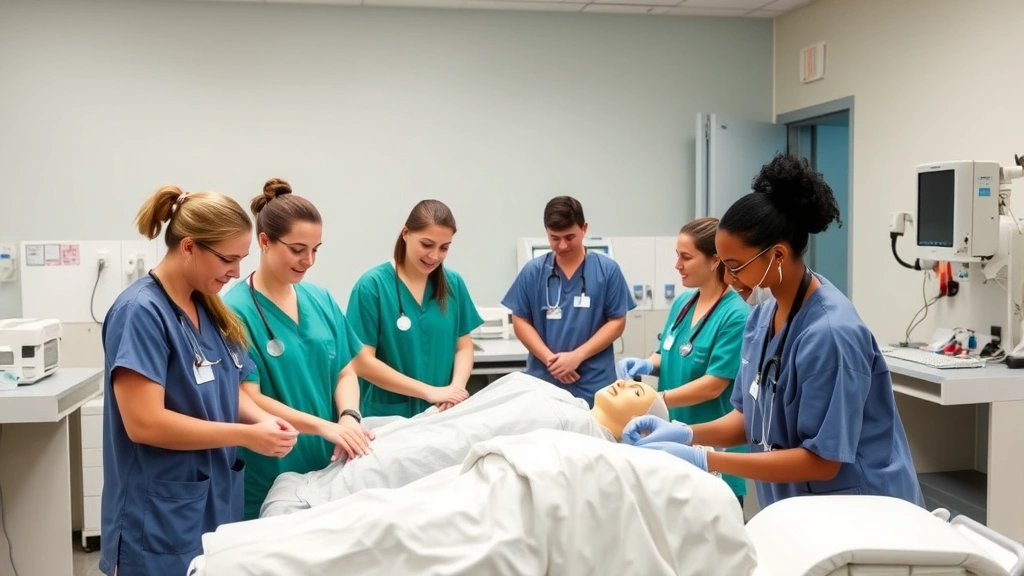
Clinical education distinguishes ANHO programs. Students progress through supervised practice environments: skills laboratories, simulation centers, and healthcare facilities. Early rotations focus on basic care and patient assessment. Advanced rotations involve complex patients, specialized units (ICU, emergency departments, operating rooms), and increasing clinical responsibility. This graduated approach builds confidence and competency systematically.
Classroom instruction employs diverse pedagogies: lectures, case studies, group projects, and online modules. Many ANHO programs blend synchronous and asynchronous learning, accommodating working students or those balancing family responsibilities. Learning management systems provide 24/7 access to course materials, recorded lectures, and discussion forums.
To support your academic journey, explore our Life Haven Daily Blog for wellness tips helping you maintain balance during intensive studies. Understanding stress management and self-care is crucial when pursuing demanding healthcare education.
Student Resources and Support
ANHO institutions recognize that successful students need comprehensive support systems. Tutoring services address challenging subjects like pharmacology or pathophysiology. Writing centers help students develop professional communication skills essential for clinical documentation and professional communication. Academic advisors guide course selection, degree planning, and career exploration.
Beyond academics, student services include counseling, financial aid assistance, and career development. Many ANHO programs maintain student organizations—nursing clubs, cultural associations, professional societies—fostering community and professional networking. These connections often lead to study groups, mentorship relationships, and job opportunities.
Mental health support is increasingly prioritized. Pursuing healthcare education involves stress, emotional challenges, and exposure to suffering. ANHO counseling centers provide confidential support for anxiety, depression, burnout, or personal crises. Learning about mental health quotes and resources can inspire resilience during challenging periods.
Disability services ensure equitable access through accommodations: note-taking assistance, testing modifications, accessible facilities, and technology support. ANHO’s commitment to diversity and inclusion recognizes that exceptional healthcare professionals come from varied backgrounds and abilities.
Success Strategies for ANHO Students
Time Management and Organization
Healthcare education demands exceptional organization. Successful ANHO students employ color-coded systems, digital calendars, and project management tools. Prioritizing tasks, breaking large projects into manageable segments, and maintaining consistent study schedules prevent last-minute cramming and reduce stress. Many students find that dedicating specific times to specific subjects improves retention and reduces cognitive load.
Active Learning Techniques
Passive reading rarely suffices for healthcare material. Effective students engage actively: creating concept maps, teaching peers, generating practice questions, and applying knowledge to case scenarios. Spaced repetition—reviewing material at increasing intervals—strengthens long-term retention crucial for licensing exams and clinical practice. Study groups leverage peer teaching, exposing knowledge gaps while reinforcing concepts.
Clinical Excellence Development
Clinical success requires intentional practice and reflection. Excellent students arrive early to clinical rotations, review patient histories thoroughly, and prepare questions for instructors. They seek feedback actively, reflecting on experiences to identify improvement areas. Building relationships with preceptors creates mentorship opportunities and often leads to job offers post-graduation.
Building Professional Networks
Healthcare careers thrive on relationships. Attending professional conferences, joining specialty organizations, and connecting with faculty and practicing professionals expands opportunities. Many ANHO students find mentors—experienced nurses or healthcare leaders—who guide career development and provide invaluable perspective on professional growth.
Maintaining Wellness During Studies
Sustainable success requires prioritizing personal health. Regular exercise, adequate sleep, nutritious eating, and stress management practices prevent burnout. Many ANHO students appreciate health and wellness gifts that support their self-care during intensive semesters—whether fitness trackers, journals, or aromatherapy products.

Career Outcomes and Job Placement
ANHO graduates enjoy strong employment outcomes. Nursing shortages across healthcare systems create abundant opportunities for RNs and LPNs. Many graduates secure positions before graduation, with employers offering sign-on bonuses and tuition reimbursement. Allied health professionals similarly find diverse employment across hospitals, clinics, home health agencies, and specialty practices.
Career trajectories vary by program and individual goals. Some graduates pursue immediate clinical practice, gaining experience before advancing. Others pursue advanced degrees—BSN, MSN, or doctoral programs—enabling specialization or leadership roles. The healthcare field’s diversity means opportunities exist across settings: acute care, primary care, mental health, education, research, and administration.
Understanding insurance options relevant to healthcare careers is valuable. Learning about 0 deductible health insurance and what is commercial health insurance helps new graduates navigate employment benefits. Many healthcare employers offer comprehensive coverage reflecting the industry’s commitment to worker wellness.
ANHO maintains alumni networks facilitating ongoing professional development, continuing education, and career advancement. Many programs track graduate outcomes, celebrating successes and supporting career transitions as professionals evolve throughout their careers.
Frequently Asked Questions
How long does ANHO nursing education typically take?
Program duration varies: LPN programs typically require 12-18 months of full-time study, while RN programs span 2-4 years depending on whether you pursue ADN (Associate Degree) or BSN (Bachelor’s Degree) pathways. Some programs accommodate part-time enrollment, extending timelines but offering scheduling flexibility.
What is the pass rate for ANHO graduates on licensing exams?
ANHO programs maintain strong licensing exam pass rates, typically exceeding national averages. Exact rates vary by program and year, but ANHO’s comprehensive curriculum and test preparation support contribute to graduate success. Prospective students should request specific pass rate data during program inquiries.
Are ANHO programs accredited?
Accreditation is crucial for program legitimacy and graduate eligibility for licensure. ANHO programs maintain accreditation through recognized bodies like ACEN (Accreditation Commission for Education in Nursing) or ABHES (Accrediting Bureau of Health Education Schools). Verify accreditation status before enrolling, as it affects licensing eligibility and employer recognition.
What financial aid options exist for ANHO students?
ANHO students access federal student loans, grants, and work-study programs. Many employers offer tuition reimbursement for employees pursuing healthcare credentials. Scholarships specific to nursing or allied health often support deserving students. Financial aid offices guide applications and help students understand repayment obligations.
Can working professionals attend ANHO programs?
Yes, many ANHO programs accommodate working adults through flexible scheduling: evening, weekend, and online classes. Some students complete prerequisites while working, then transition to full-time study for clinical components. Balancing work and intensive healthcare education requires strong time management and institutional support—factors to consider when selecting programs.
What specialties can ANHO graduates pursue?
Beyond foundational nursing and allied health roles, graduates specialize in critical care, emergency nursing, pediatrics, oncology, psychiatry, community health, and numerous other areas. Many pursue advanced practice: nurse practitioner, clinical specialist, or nurse educator roles. Specialization typically follows initial practice experience and additional education.
How does ANHO support international students or those with language barriers?
Many ANHO programs serve diverse populations including international students. English language support, tutoring, and cultural integration programs help non-native speakers succeed. Some programs require TOEFL scores or English proficiency verification. Prospective international students should inquire about specific support services during application processes.