

Unlock Holistic Health with African Wisdom
For centuries, African cultures have cultivated profound healing traditions that view the human body, mind, and spirit as interconnected systems. These time-tested practices offer a refreshing counterpoint to modern Western medicine’s compartmentalized approach, presenting a comprehensive framework for achieving true wellness. African holistic health represents far more than alternative remedies—it embodies a philosophy that acknowledges our deep connection to nature, community, and ancestral knowledge.
The resurgence of interest in African holistic health reflects a global awakening to the limitations of treating symptoms in isolation. Millions of people worldwide are discovering that integrating these ancestral wisdom traditions with contemporary wellness practices creates transformative results. Whether you’re seeking to enhance your physical vitality, emotional resilience, or spiritual alignment, African holistic approaches provide time-honored pathways to lasting wellness.
Table of Contents
- Foundations of African Holistic Healing
- Ancient Healing Traditions Across the Continent
- Core Practices for Modern Living
- Integrating African Wisdom into Daily Life
- Scientific Validation of Traditional Methods
- Frequently Asked Questions
Foundations of African Holistic Healing
African holistic health operates on fundamental principles that differ markedly from Western medical models. The core philosophy recognizes that optimal health emerges from balance across four dimensions: physical, emotional, mental, and spiritual. Rather than viewing disease as a malfunction requiring isolated intervention, African traditions understand illness as a signal of disharmony requiring restoration of equilibrium.
The concept of ubuntu—”I am because we are”—underpins much of African wellness philosophy. This interconnectedness extends beyond individual health to encompass family, community, and the natural environment. Your wellbeing is inseparable from the wellness of those around you and the ecosystems sustaining life. This perspective transforms health from a personal achievement into a collective responsibility and shared journey.
Traditional African healers, known as sangomas, griot healers, and herbalists across various regions, maintained sophisticated knowledge systems developed through generations of observation and experimentation. These practitioners understood human anatomy, plant medicine, nutrition, and psychological healing with remarkable depth. Their holistic approach integrated practical remedies with spiritual ceremonies, recognizing that physical symptoms often reflected deeper imbalances requiring multifaceted treatment.
When exploring wellness resources on Life Haven Daily, you’ll discover how these foundational principles apply to contemporary health challenges. The wisdom traditions emphasize prevention through lifestyle alignment rather than intervention after disease develops—a proactive stance increasingly validated by modern preventive medicine.
Ancient Healing Traditions Across the Continent
Africa’s vast diversity means healing traditions vary significantly by region, yet common threads connect practices from West Africa to East Africa, Southern Africa to the Horn. Understanding these regional expressions enriches appreciation for the continent’s comprehensive health philosophy.
West African Herbal Medicine
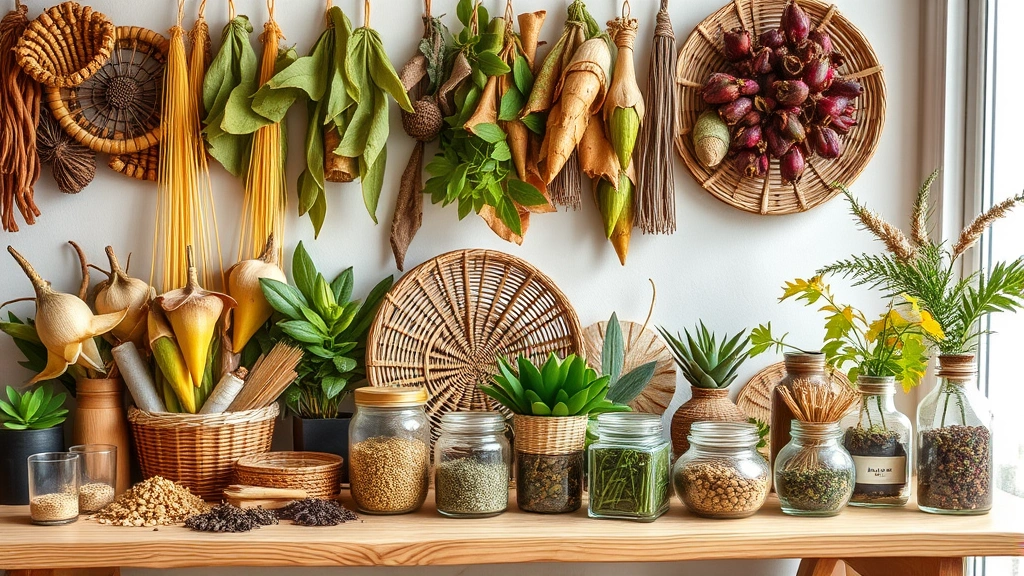
West African healers developed extensive pharmacopeias of medicinal plants, many now studied by modern phytochemists. The use of neem for skin conditions, moringa for nutritional support, and various barks and roots for immune enhancement reflects sophisticated botanical knowledge. These traditions emphasized prevention through seasonal dietary adjustments and regular herbal tonics to maintain vitality.
East African Energy Practices
East African communities developed practices focused on vital energy flow and chakra-like energy centers centuries before these concepts gained Western attention. Maasai and other pastoral cultures incorporated movement, breath work, and meditation into daily life, understanding that physical health depended on energetic balance. These practices influenced modern yoga and breathwork movements.
Southern African Sangoma Traditions
Zulu, Xhosa, and other Southern African sangomas maintained comprehensive healing practices combining herbal medicine, divination, and spiritual counseling. Their diagnostic methods—reading patterns in bones, understanding ancestral messages, and perceiving energetic imbalances—provided psychological insight comparable to modern psychotherapy. These healers recognized the psychosomatic nature of illness long before Western medicine validated these connections.
North African Unani Medicine
North African healing traditions incorporated elements of Greek, Persian, and Arab medicine into distinctly African frameworks. The emphasis on balancing bodily humors, using specific spices and herbs, and understanding constitutional types created personalized treatment approaches. Moroccan and Egyptian practices remain influential in contemporary natural medicine.
Core Practices for Modern Living
Integrating African holistic health into contemporary life doesn’t require relocating to Africa or abandoning modern medicine. Instead, it involves adopting specific practices that align with ancestral wisdom while fitting seamlessly into busy modern schedules.
Herbal Medicine and Plant-Based Remedies
African herbal traditions offer powerful alternatives for supporting health without pharmaceutical side effects. Key remedies include:
- Baobab for immune support and digestive health, rich in vitamin C and prebiotic fiber
- Rooibos tea for antioxidant support and gentle caffeine-free hydration
- Ashwagandha for stress resilience and sleep quality
- African ginger for inflammation reduction and digestive support
- Hibiscus for cardiovascular health and blood pressure regulation
These remedies work best within a comprehensive wellness framework rather than as isolated supplements. exploring wellness gifts that incorporate these African botanicals can help you begin this herbal journey thoughtfully.
Ancestral Connection and Spiritual Wellness
African holistic health emphasizes honoring ancestors and maintaining spiritual alignment. This needn’t involve religious practice but rather cultivating gratitude, reflection, and connection to those who came before. Practices include:
- Creating ancestor altars with meaningful objects and photos
- Journaling about family history and inherited wisdom
- Spending time in nature to feel connected to ancestral lands
- Practicing gratitude rituals before meals and at day’s end
- Storytelling that preserves family narratives and values
Community and Relational Health
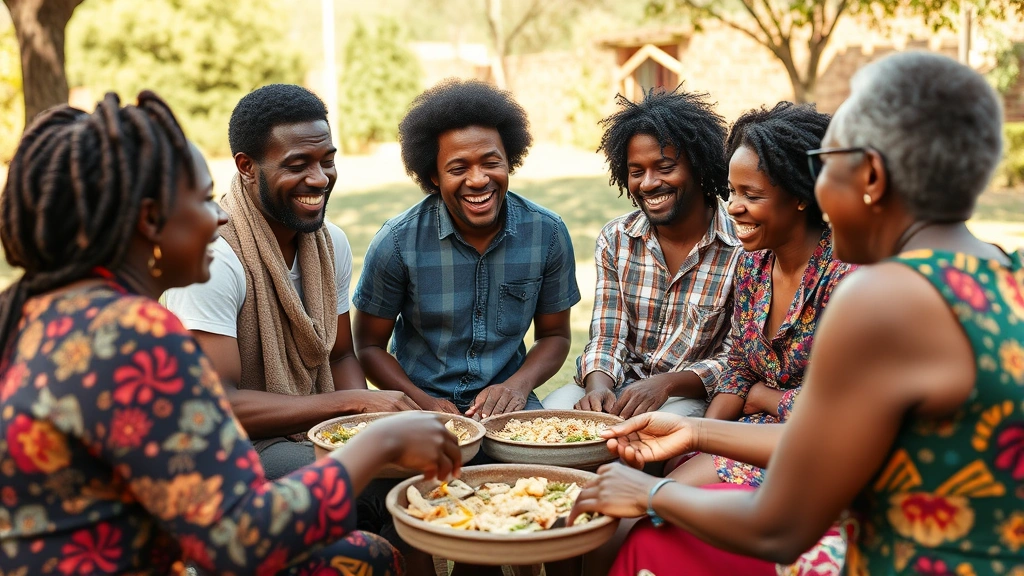
African cultures understand that isolated wellness is impossible. True health emerges through strong relational bonds and community participation. Modern applications include:
- Establishing regular gatherings with family and friends
- Joining community groups aligned with your values
- Practicing reciprocal support and resource sharing
- Creating intentional circles for healing and growth
- Volunteering in service to your community
Rhythmic Living and Seasonal Alignment
Traditional African societies lived in harmony with natural rhythms—seasonal changes, lunar cycles, and daily sun patterns. Modern life’s artificial lighting and constant stimulation disrupts these natural cycles. Recalibrating involves:
- Sleeping with natural light patterns, rising with sunrise
- Adjusting diet seasonally, eating locally-grown foods
- Honoring rest periods and reducing activity during winter months
- Celebrating seasonal festivals and transitions
- Spending regular time outdoors in natural light
Integrating African Wisdom into Daily Life
Practical integration of African holistic health begins with small, sustainable changes. Rather than overhauling your entire lifestyle simultaneously, which typically fails, introduce practices gradually while observing their effects on your wellbeing.
Morning Rituals for Spiritual Alignment
Start each day with intentional practices that ground you spiritually and emotionally. Spend five to ten minutes upon waking with gratitude practice, meditation, or journaling. This creates psychological and emotional resilience before engaging with daily challenges. Many African traditions emphasize morning grounding to set positive intention for the day ahead.
Nutritional Foundations
African cuisines emphasize whole grains, legumes, seasonal vegetables, and minimal processed foods. Traditional diets provided complete nutrition without modern supplements. Incorporating these principles involves:
- Building meals around whole grains like millet, sorghum, and fonio
- Including legumes daily for protein and fiber
- Cooking with traditional spices—turmeric, ginger, cayenne—for anti-inflammatory benefits
- Prioritizing locally-sourced, seasonal produce
- Preparing foods traditionally through slow cooking and fermentation
Movement and Dance
African cultures integrated movement into daily life and celebration. Dance served not just entertainment but healing, social bonding, and spiritual expression. Modern practices might include:
- Learning African dance forms for joy and cardiovascular health
- Incorporating rhythmic movement into daily exercise
- Using drumming circles for stress release and community connection
- Walking barefoot in nature regularly
- Practicing martial arts with African roots
Sleep and Rest Practices
Traditional African societies prioritized adequate sleep and rest periods. Modern sleep deprivation contradicts ancestral wisdom about health. Honoring sleep involves:
- Establishing consistent sleep schedules aligned with natural light
- Creating bedroom environments free from artificial light and technology
- Practicing evening wind-down rituals with herbal teas
- Honoring the need for seasonal rest and reduced activity
- Recognizing sleep as essential medicine, not luxury
Scientific Validation of Traditional Methods
While African holistic health developed through empirical observation rather than clinical research, modern science increasingly validates these traditional approaches. research on African traditional medicine demonstrates effectiveness of numerous remedies, though more studies are needed.
Studies confirm that many African medicinal plants contain bioactive compounds supporting health. Rooibos contains aspalathin and nothofagin with antioxidant properties. Moringa provides complete amino acid profiles rare in plant sources. Baobab offers prebiotic fiber supporting beneficial gut bacteria. These aren’t mystical properties but measurable biochemical effects.
The holistic framework itself gains scientific support through psychoneuroimmunology research demonstrating how thoughts, emotions, and spiritual practices directly influence immune function and physical health. The mind-body-spirit integration African traditions emphasized for millennia now has neurobiological explanation.
Additionally, the World Health Organization acknowledges traditional medicine’s role in global health, encouraging integration with modern medicine rather than replacement. This validates the complementary approach rather than competitive stance between systems.
Understanding health insurance coverage becomes relevant when exploring African holistic practices. Some insurance plans, particularly progressive ones like health insurance in Hungary, cover certain traditional medicine practitioners. Similarly, commercial health insurance policies increasingly include complementary medicine coverage as research validates these approaches.
Frequently Asked Questions
Can African holistic health replace modern medicine?
No. African holistic wisdom works best integrated with modern medicine rather than replacing it. For acute conditions and emergencies, conventional medicine excels. For chronic disease prevention and wellness optimization, holistic approaches shine. The ideal approach uses both systems strategically—conventional medicine for diagnosis and acute care, holistic practices for prevention and long-term wellness.
How do I find qualified African holistic practitioners?
Seek practitioners with formal training in African traditional medicine systems, professional credentials, and strong community references. Verify their knowledge of both traditional practices and safety considerations. Many contemporary practitioners blend traditional knowledge with modern understanding. Interview potential practitioners about their training and philosophy before committing.
Are African herbal remedies safe to combine with medications?
Some herbal remedies interact with pharmaceutical medications. Always inform your doctor about herbal supplements you’re taking, and consult healthcare providers before starting new remedies if you take prescription medications. This ensures safe integration rather than dangerous interactions.
Where can I source authentic African healing materials?
Purchase from reputable suppliers specializing in African botanicals, fair-trade sources supporting African communities, and practitioners with direct connections to traditional sources. Avoid products making unfounded health claims or using misleading marketing. Quality matters significantly for both effectiveness and safety.
How long before experiencing benefits from African holistic practices?
Timeline varies based on your starting point and the practices adopted. Some benefits like improved sleep or reduced stress appear within days or weeks. Deeper healing of chronic conditions typically requires months or years of consistent practice. Approach this as a lifestyle transformation rather than quick fix.
Can I learn African holistic practices without African heritage?
Yes, though approaching with respect and cultural humility matters. These practices developed in specific contexts and carry cultural significance beyond health benefits. Learn from authentic sources, acknowledge the traditions’ origins, and avoid appropriating sacred practices. Many African practitioners welcome sincere students regardless of background.
How do African holistic practices address mental health?
Traditional African approaches recognize psychological and spiritual dimensions of mental wellbeing. mental health quotes from various traditions emphasize community support, spiritual connection, and purpose as foundations for psychological resilience. While not replacing clinical treatment for serious mental illness, these practices powerfully support emotional wellness and prevent mental health decline.
African holistic health represents a sophisticated, time-tested approach to comprehensive wellness. By integrating these ancestral practices with modern knowledge, you create a personalized health framework honoring both tradition and contemporary science. Begin exploring these practices today, starting with small changes aligned with your lifestyle and values. The path to holistic health is a journey, not a destination—and African wisdom provides an illuminating roadmap for this transformative adventure.