
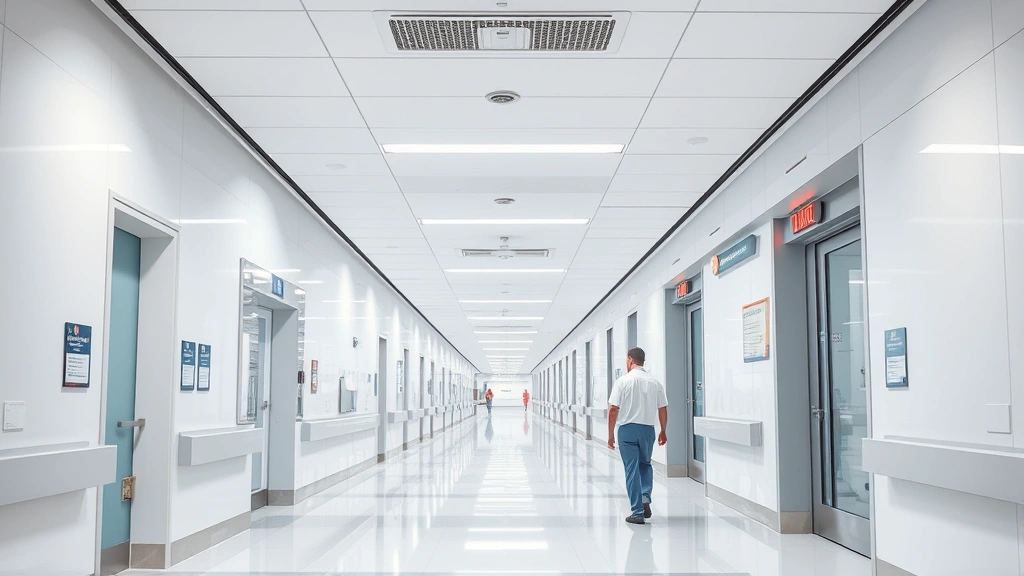
John Muir Mt Diablo Health System: Overview & Services
When you’re navigating the healthcare landscape in the San Francisco Bay Area, finding a system that genuinely understands your community’s needs makes all the difference. John Muir Mt Diablo Health System stands as one of the region’s most comprehensive medical networks, serving hundreds of thousands of patients annually across multiple locations. Whether you’re seeking routine primary care, specialized treatments, or emergency services, this integrated health system brings together experienced physicians, cutting-edge technology, and a genuine commitment to patient-centered care.
The Mt Diablo region’s healthcare infrastructure has evolved significantly over the past few decades, and John Muir Health has been instrumental in that transformation. With hospitals, urgent care centers, and specialty clinics strategically positioned throughout Contra Costa County, the system ensures that quality healthcare remains accessible to residents regardless of where they live. This article explores what makes this health system distinctive, the services they offer, and how they’re shaping the future of healthcare delivery in the Bay Area.
Understanding your healthcare options isn’t just about knowing which facilities exist near you—it’s about recognizing how different systems approach wellness, emergency care, and long-term health management. Let’s dive into what John Muir Mt Diablo Health System brings to the table.
System Overview and History
John Muir Mt Diablo Health System represents one of Northern California’s largest and most respected healthcare organizations. The system operates as a not-for-profit entity, which means profits are reinvested directly into patient care, research, and community health programs rather than distributed to shareholders. This fundamental difference in organizational structure shapes how the system prioritizes its resources and strategic decisions.
The health system’s roots trace back decades, with steady expansion reflecting the Bay Area’s growth and changing healthcare needs. Today, John Muir Health encompasses multiple hospitals, hundreds of physician practices, rehabilitation centers, and wellness programs. The integration of these various components creates a seamless care experience where patients can move between different service levels without losing continuity or having their medical information scattered across incompatible systems.
What distinguishes John Muir Mt Diablo Health System from competitors is their emphasis on regional coordination. Rather than operating isolated facilities, they’ve built an interconnected network where your primary care physician, specialists, and hospital care teams can collaborate effectively. This approach mirrors the broader healthcare movement toward integrated care models that address the health triangle of physical, mental, and social wellness.

Hospital Facilities and Locations
The system operates several major hospital campuses, each serving specific geographic regions while maintaining connections to the broader network. John Muir Medical Center in Walnut Creek stands as one of their flagship facilities, offering comprehensive acute care services, specialized surgical programs, and diagnostic imaging capabilities. This 450-bed hospital serves as a regional referral center for complex cases and specialized procedures.
Concord Hospital provides another critical anchor point for the system, serving the eastern Contra Costa County population. With its own emergency department, surgical suites, and inpatient units, Concord Hospital ensures that residents in that region have immediate access to hospital-level care without traveling to distant facilities. The facility has undergone significant modernization in recent years, with updated patient rooms and advanced clinical technology.
Beyond traditional hospital settings, John Muir Mt Diablo Health System maintains numerous urgent care centers, imaging facilities, and outpatient surgery centers throughout the service area. These satellite facilities handle the vast majority of non-emergency cases, reducing unnecessary emergency department visits and keeping patients in their local communities. This distributed model of care delivery reflects modern healthcare’s evolution toward efficiency and convenience.
The system’s commitment to accessibility extends to their rehabilitation services as well. Similar to how specialized rehabilitation hospitals provide intensive recovery programs for patients transitioning from acute care, John Muir offers comprehensive rehabilitation services including physical therapy, occupational therapy, and speech therapy across multiple locations.
Specialty Services and Clinical Departments
John Muir Mt Diablo Health System has developed particular expertise in several clinical areas, attracting patients from throughout the region seeking specialized treatment. Their cardiovascular program stands among the Bay Area’s most respected, offering everything from preventive cardiology to complex interventional procedures and cardiac surgery. Patients with heart disease have access to cardiologists trained in the latest diagnostic and treatment techniques, supported by state-of-the-art catheterization laboratories and cardiac imaging.
Cancer care represents another area of significant focus and investment. The system operates comprehensive oncology programs with medical oncologists, surgical oncologists, and radiation oncologists collaborating on treatment plans. They offer clinical trials for patients with various cancer types, providing access to emerging therapies not yet widely available. The multidisciplinary approach ensures that cancer patients receive coordinated care from multiple specialists simultaneously rather than shuttling between different providers.
Orthopedic and spine services have expanded dramatically in recent years, reflecting both the aging population and the Bay Area’s active lifestyle. Orthopedic surgeons at John Muir Mt Diablo Health System perform joint replacements, arthroscopic procedures, and complex spine surgeries using minimally invasive techniques whenever possible. For those concerned about musculoskeletal health, learning to improve posture can prevent many orthopedic issues from developing in the first place, complementing the system’s surgical offerings with preventive wellness strategies.
Maternal and child health services include obstetrics, neonatal intensive care, and pediatric specialties. Women delivering at John Muir hospitals have access to labor and delivery units, epidural anesthesia services, and immediate access to cesarean section capabilities if complications arise. The neonatal intensive care units care for premature and critically ill newborns with specialized equipment and highly trained nursing staff.

Neuroscience programs encompass neurology, neurosurgery, and stroke care. The system maintains Joint Commission-certified stroke centers equipped to rapidly diagnose and treat acute stroke using thrombolytic therapy and mechanical thrombectomy. Neurologists manage conditions ranging from epilepsy and Parkinson’s disease to multiple sclerosis and headache disorders, while neurosurgeons handle brain and spinal cord conditions requiring operative intervention.
Mental health and behavioral medicine services address the growing recognition that psychiatric care deserves equal emphasis with physical medicine. Psychiatrists, psychologists, and counselors at John Muir Mt Diablo Health System treat depression, anxiety, bipolar disorder, schizophrenia, and substance use disorders. Inpatient psychiatric units provide stabilization for acute mental health crises, while outpatient programs support ongoing recovery and wellness.
Emergency and Urgent Care
Emergency departments at John Muir Mt Diablo Health System operate 24/7 to handle everything from minor injuries to life-threatening conditions. Their emergency physicians are board-certified in emergency medicine, trained to rapidly assess and stabilize patients with acute medical and surgical emergencies. The departments maintain trauma capabilities, with trauma surgeons available for patients with severe injuries from accidents or violence.
Triage systems at these emergency departments ensure that sicker patients receive faster evaluation and treatment. Rather than operating on a “first come, first served” basis, emergency nurses assess each arrival’s acuity and direct them to appropriate treatment areas. Patients with chest pain, difficulty breathing, or severe trauma move to resuscitation areas immediately, while those with minor injuries wait in separate areas designed for lower-acuity care.
The system’s urgent care centers provide an alternative for non-emergency situations that still require same-day attention. These facilities handle sprains, minor fractures, lacerations, infections, and other acute conditions that don’t warrant emergency department evaluation. By offering these intermediate-level facilities, John Muir Mt Diablo Health System reduces emergency department crowding while providing convenient access to care for patients with time-sensitive but non-critical issues.
Patient Experience and Technology
Modern healthcare extends far beyond clinical expertise—the patient experience increasingly determines satisfaction and health outcomes. John Muir Mt Diablo Health System has invested substantially in patient-centered design and technology. Their patient portal allows individuals to access medical records, schedule appointments, message providers, and refill prescriptions from computers or mobile devices.
Electronic health records (EHRs) maintained throughout the system ensure that when patients move between different facilities or providers, their complete medical history follows them. Rather than repeating tests or medications being duplicated, providers have immediate access to previous diagnoses, medications, allergies, and test results. This integration dramatically reduces medical errors and improves treatment coordination.
The system recognizes that health extends beyond hospital visits and clinical encounters. Supporting wellness involves addressing lifestyle factors that influence long-term health outcomes. Understanding the benefits of drinking water and other fundamental wellness practices complements clinical care by empowering patients to make health-promoting choices daily. Additionally, implementing comprehensive sleep improvement strategies supports recovery and immune function, areas increasingly recognized as critical to overall health.
Telehealth services expanded significantly in recent years, allowing patients to consult with providers remotely for many conditions. This proves particularly valuable for follow-up appointments, psychiatric consultations, and management of chronic conditions where in-person visits aren’t strictly necessary. The system has maintained these telehealth capabilities post-pandemic, recognizing the genuine value they provide for patients balancing healthcare with work and family responsibilities.
Community Health Initiatives
As a not-for-profit system, John Muir Mt Diablo Health System dedicates significant resources to community health improvement beyond direct patient care. Community health assessments identify the most pressing health challenges facing residents—whether obesity, diabetes, mental health issues, or health disparities affecting specific populations—and develop targeted programs to address them.
Preventive health programs offered through community centers and public health partnerships aim to reduce disease burden through education and screening. Diabetes prevention programs teach lifestyle modification to individuals at risk of developing type 2 diabetes. Hypertension awareness campaigns help identify and manage high blood pressure before it causes complications. Smoking cessation programs support those wanting to quit tobacco products.
The system partners with other major health systems like Henry Ford Health to share best practices and learn from innovative approaches to community health. These partnerships create opportunities to adopt successful programs and avoid repeating less effective strategies.
School-based health centers operated by John Muir Mt Diablo Health System bring preventive care, immunizations, and health education directly to students. This approach removes barriers to healthcare access for young people who might otherwise delay seeking care due to transportation or insurance challenges. Early intervention in school-age children sets the foundation for lifelong health habits and disease prevention.
Career Opportunities
Healthcare organizations employ diverse workforces extending far beyond physicians and nurses. John Muir Mt Diablo Health System regularly recruits physicians, nurses, therapists, technicians, administrative staff, and support personnel. Career pathways in healthcare offer stability, meaningful work, and opportunities for advancement and specialization.
Clinical roles include positions for registered nurses in various specialties, licensed vocational nurses, respiratory therapists, radiology technologists, laboratory technicians, and phlebotomists. Non-clinical roles encompass billing and coding specialists, medical records personnel, scheduling coordinators, security staff, and environmental services workers. The system typically posts open positions on their careers website, with detailed job descriptions and application instructions.
Professional development and continuing education are supported through tuition reimbursement programs and educational partnerships with local universities. Many healthcare workers advance their credentials while working, transitioning from one role to another as their education and experience grow. The system’s size provides internal opportunities for advancement and lateral moves that might not exist at smaller facilities.
Employee health benefits at large health systems typically include health insurance, retirement plans, paid time off, and wellness programs designed specifically for the workforce. Working in healthcare demands physical and emotional resilience, and organizations increasingly recognize the importance of supporting employee wellbeing through comprehensive benefits and workplace culture initiatives.
Frequently Asked Questions
What insurance plans does John Muir Mt Diablo Health System accept?
John Muir Mt Diablo Health System works with most major insurance plans including Medicare, Medicaid, and commercial insurance carriers. However, coverage varies by specific plan and facility. Contact your insurance provider or call the system directly to confirm that your plan is accepted at specific locations where you plan to receive care. The system also maintains financial assistance programs for uninsured and underinsured patients.
How do I find a primary care physician within the system?
The system’s website features a physician finder tool allowing you to search by specialty, location, and insurance acceptance. You can also call their referral line for assistance identifying providers accepting new patients in your area. Many employers and health plans provide lists of in-network physicians, which can streamline the selection process. Once you’ve identified a provider, contact their office directly to schedule an appointment.
What should I do if I need emergency care?
Call 911 for life-threatening emergencies or go directly to the nearest emergency department. John Muir Mt Diablo Health System operates emergency departments at multiple locations. If you’re unsure whether your situation requires emergency care, call 911 and describe your symptoms—dispatchers can advise whether emergency services are appropriate. Never delay seeking emergency care due to concerns about cost; stabilization and treatment of emergency conditions cannot be refused based on inability to pay.
Does the system offer virtual visits?
Yes, telehealth appointments are available for many types of visits. Check with your provider’s office about whether your condition is appropriate for a virtual visit. Some initial consultations, complex evaluations, and physical examinations still require in-person evaluation, but many follow-up appointments and consultations can occur remotely. The system’s patient portal provides information about scheduling telehealth appointments.
How can I access my medical records?
Through the patient portal, you can access test results, medication lists, immunization records, and clinical notes. You can also request records be sent to other providers or to yourself in paper form. The system typically provides records within 30 days of request. Contact medical records departments at specific facilities if you need records from before the portal implementation or encounter any technical difficulties.
What rehabilitation services are available?
The system offers physical therapy, occupational therapy, and speech-language pathology services at hospital-based and outpatient clinics. These services address recovery from surgery, stroke, orthopedic injury, and neurological conditions. Inpatient rehabilitation programs provide intensive therapy for patients requiring 24-hour medical supervision during recovery. Ask your physician for a rehabilitation referral if you think these services might benefit your recovery.
Are there programs specifically for chronic disease management?
Yes, the system offers disease management programs for common chronic conditions including diabetes, heart disease, chronic obstructive pulmonary disease, and asthma. These programs combine clinical care with patient education and lifestyle support to help people manage their conditions effectively and prevent complications. Your primary care physician can refer you to appropriate programs, or you can contact the system directly about available offerings.