

Prisma Health Richland Hospital: What to Know
Navigating healthcare options can feel overwhelming, especially when you’re searching for a facility that combines cutting-edge medical expertise with genuine patient care. Prisma Health Richland Hospital stands out as a comprehensive medical center serving the Columbia, South Carolina community and surrounding regions. Whether you’re considering treatment here, planning a visit, or simply curious about what this institution offers, understanding its strengths, services, and approach to patient care matters.
This guide walks you through everything you need to know about Prisma Health Richland Hospital—from its specialized departments and technological capabilities to practical information about visiting and accessing care. We’ll cut through the marketing speak and give you the real details that help you make informed healthcare decisions.
Hospital Overview and History
Prisma Health Richland Hospital represents one of South Carolina’s most significant healthcare investments and community assets. As part of the larger Prisma Health system, this facility operates with the backing of extensive resources, research capabilities, and clinical expertise. The hospital serves as a regional referral center, meaning patients from across the state often come here for specialized treatments unavailable elsewhere.
The institution’s commitment extends beyond treating acute illnesses—it emphasizes preventive care, community health initiatives, and medical education. This multifaceted approach reflects a belief that healthcare shouldn’t exist in isolation but rather integrate with broader community wellness efforts. Understanding the health triangle concept—which encompasses physical, mental, and social well-being—helps explain Prisma Health Richland’s comprehensive approach to patient care.
Located in Columbia’s medical district, the hospital benefits from proximity to the University of South Carolina School of Medicine, creating a natural pipeline for research collaboration and clinical training. This academic affiliation elevates the standard of care and ensures staff stay current with medical advances.
Specialized Services and Departments
Prisma Health Richland Hospital operates numerous specialized departments addressing everything from routine care to complex medical conditions. The facility’s breadth of services means most patients can access needed care without traveling to multiple locations.
Cardiovascular Services: The hospital maintains a robust cardiology program including interventional procedures, open-heart surgery, and cardiac rehabilitation. Patients with heart conditions receive care from board-certified cardiologists using state-of-the-art equipment.
Cancer Care: The oncology department provides comprehensive cancer treatment including medical oncology, radiation therapy, and surgical oncology. Patients benefit from tumor boards—multidisciplinary teams that review complex cases to recommend optimal treatment strategies.
Trauma and Orthopedics: As a Level II trauma center, Prisma Health Richland handles serious injuries and complex orthopedic cases. The trauma team maintains 24/7 readiness for emergency situations. The orthopedic department covers everything from routine joint replacements to complex reconstructive procedures.
Neurology and Neurosurgery: The neuroscience center addresses stroke care, brain tumors, spine conditions, and neurological disorders. The stroke program includes advanced imaging and thrombolytic capabilities, critical for time-sensitive treatment.
Women’s Health: Obstetrics and gynecology services include high-risk pregnancy management, labor and delivery, and gynecological surgery. The neonatal intensive care unit provides specialized care for premature and critically ill newborns.
Similar to how Encompass Health Rehabilitation Hospital focuses on recovery and rehabilitation, Prisma Health Richland also emphasizes post-acute care pathways. Patients transitioning from acute hospitalization receive coordinated care plans supporting their recovery journey.
Advanced Medical Technology
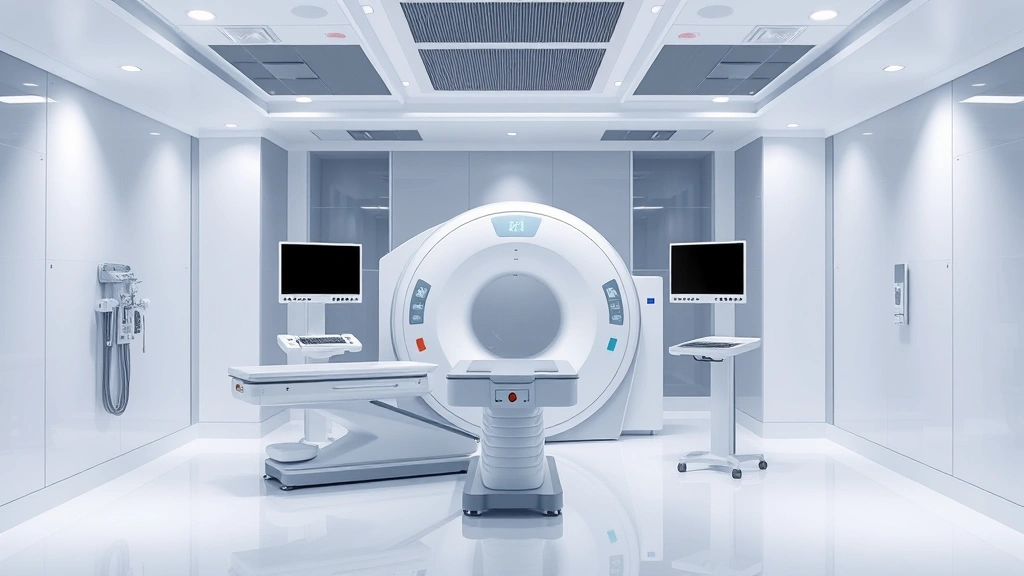
Modern healthcare relies heavily on technology, and Prisma Health Richland invests significantly in cutting-edge equipment and systems. The facility operates advanced imaging departments featuring MRI, CT, and PET scanners—tools that help clinicians diagnose conditions with remarkable precision.
The hospital’s electronic health record system integrates patient information across departments, ensuring care teams have complete medical histories. This reduces medical errors and improves coordination between specialists. Surgeons utilize minimally invasive robotic systems for certain procedures, which often result in smaller incisions, reduced pain, and faster recovery times.
Laboratory capabilities match those of major academic medical centers, allowing for rapid testing and specialized analyses. Blood banks maintain adequate reserves for emergencies, and pathology services provide real-time diagnostic support during surgeries.
Patient Experience and Facilities
Beyond medical capabilities, the physical environment and staff approach significantly impact the healthcare experience. Prisma Health Richland has invested in patient-centered design—private rooms in many units, comfortable waiting areas, and attention to noise reduction.
The hospital recognizes that hospitalization disrupts normal life, so amenities address practical needs. Wi-Fi connectivity throughout the facility keeps patients connected to family and work. Cafeteria options extend beyond typical hospital food, acknowledging that nutrition contributes to recovery. Some units offer flexible visiting hours, understanding that family support matters.
Staff training emphasizes communication and compassion. Patient satisfaction surveys track experiences, and the hospital uses feedback to make improvements. While no institution is perfect, this commitment to listening demonstrates a patient-first philosophy.
For those exploring healthcare careers, the employment landscape in healthcare extends across many systems. Prisma Health similarly recruits skilled professionals—nurses, physicians, technicians, and administrative staff—creating a dynamic workplace environment.
Emergency Care and Trauma Services
The emergency department at Prisma Health Richland operates as a Level II trauma center, meaning it’s equipped to handle the most severe injuries and medical emergencies. Trauma surgeons, emergency medicine specialists, and critical care teams maintain constant readiness.
The emergency department triage system quickly identifies patients requiring immediate intervention. Advanced life support capabilities include mechanical ventilation, dialysis, and extracorporeal membrane oxygenation (ECMO)—technology that takes over heart and lung function during critical illnesses.
Stroke patients receive particular attention. The hospital maintains stroke certification from national organizations, and emergency protocols enable rapid imaging and treatment decisions. Time is brain tissue in stroke care, and Prisma Health Richland’s infrastructure supports delivering treatment within critical windows.
Sepsis protocols, cardiac arrest teams, and trauma activation procedures reflect evidence-based approaches to emergencies. Staff training occurs regularly to maintain readiness for mass casualty events and unusual presentations.
Visiting Information and Logistics
If you’re planning to visit someone at Prisma Health Richland Hospital, practical information helps ensure smooth visits. The main campus is located at 3301 Forest Drive in Columbia, with ample parking including accessible spaces for patients with mobility challenges.
Visiting hours vary by unit—intensive care units typically have more restricted hours than general medical floors. Contact the specific department to understand policies. Many units now offer virtual visiting options for family members unable to visit in person, particularly important during illness outbreaks.
The hospital maintains cafeteria services, though hours may vary. Vending machines throughout the facility provide snacks and beverages. Some areas include comfortable seating for extended family visits.
Transportation options include personal vehicles, ride-sharing services, and public transit. For patients requiring non-emergency medical transportation, Prisma Health coordinates appropriate services. The hospital’s main phone line connects callers to specific departments or patient information lines.
Employment Opportunities
Prisma Health Richland regularly recruits healthcare professionals and support staff. The facility offers competitive compensation, benefits packages, and professional development opportunities. Clinical roles include registered nurses, physicians across specialties, respiratory therapists, and radiologic technologists.
Administrative positions span human resources, finance, quality improvement, and operations. The healthcare employment sector continues growing—understanding opportunities within systems like Prisma Health Richland matters for career planning. Similar to how Henry Ford Health careers attract talent nationally, Prisma Health draws skilled professionals seeking meaningful work.
The hospital supports continuing education for staff, recognizing that healthcare advances require ongoing learning. Tuition assistance programs, conference attendance support, and certification reimbursement demonstrate commitment to employee development.
Workplace culture emphasizes collaboration—physicians, nurses, and support staff work as integrated teams rather than isolated departments. This collaborative approach improves patient outcomes and creates more satisfying work environments.
For those exploring broader healthcare employment landscapes, understanding how major health systems like Dignity Health structure their organizations provides context for industry standards and opportunities.
Frequently Asked Questions
What insurance plans does Prisma Health Richland Hospital accept?
Prisma Health Richland accepts most major insurance plans including Medicare, Medicaid, and commercial insurers. However, coverage varies by specific plan. Contact your insurance provider or the hospital’s financial counseling department to verify coverage for your situation. The hospital also has financial assistance programs for uninsured or underinsured patients.
How do I schedule a non-emergency appointment?
Most specialty departments accept appointments through Prisma Health’s centralized scheduling system. Call the main hospital number or visit the Prisma Health website to find specific department contact information. Your primary care physician can also facilitate referrals and appointments.
Does the hospital offer telehealth or virtual visits?
Yes, Prisma Health Richland offers telehealth services for appropriate conditions. Virtual visits work well for follow-up appointments, medication management, and consultations. Ask your care team whether telehealth is suitable for your situation.
What should I bring when admitted to the hospital?
Bring insurance cards, photo identification, current medications (in original bottles), and a list of allergies. Leave valuables at home—the hospital isn’t responsible for lost items. Comfortable clothing and personal toiletries help during your stay. Ask about what electronics are permitted in your specific unit.
How can I access my medical records?
Patients can request records through the hospital’s medical records department. Most requests can be processed within 10 business days. Records are typically available in both paper and electronic formats. Some information may be restricted under privacy laws.
Does Prisma Health Richland offer patient education programs?
Yes, the hospital offers numerous education programs addressing conditions like diabetes, heart disease, and chronic pain management. These programs help patients understand their conditions and manage them effectively at home. Ask your care team about available resources.
What research studies are available to patients?
Prisma Health Richland participates in clinical research across multiple specialties. Patients may be candidates for studies addressing new treatments or improving existing ones. Your physician can discuss whether participation makes sense for your situation.
How is patient privacy protected?
The hospital complies with HIPAA regulations protecting patient privacy. Staff access only information necessary for care. Patients can request restrictions on who receives their information and how it’s used. Ask for privacy notices explaining your rights.