
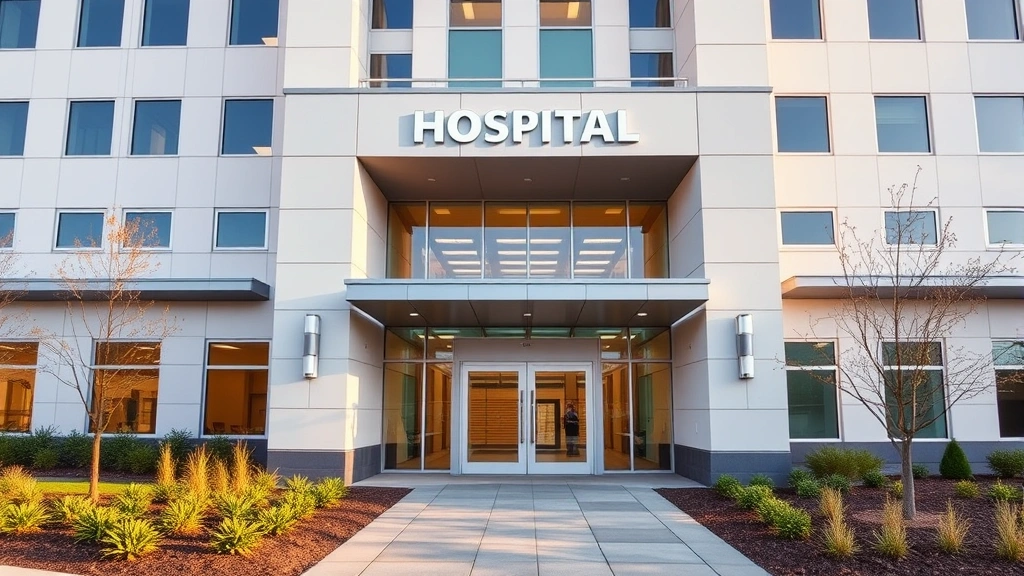
Adventist Health Simi Valley: Comprehensive Overview of Premier Healthcare Services
Nestled in the heart of Ventura County, California, Adventist Health Simi Valley stands as a beacon of comprehensive healthcare excellence. This 170-bed acute care hospital has become a cornerstone of the community, blending cutting-edge medical technology with a patient-centered philosophy rooted in the Seventh-day Adventist tradition of whole-person wellness. Whether you’re seeking emergency care, specialized treatments, or preventive health services, understanding what this facility offers can help you make informed decisions about your healthcare journey.
The hospital’s commitment extends beyond treating illness—it’s about fostering genuine healing through compassionate care, evidence-based medicine, and community engagement. With a diverse range of departments and specialties, Adventist Health Simi Valley serves a population that demands both accessibility and excellence. From maternity services to cardiac care, from orthopedic surgery to emergency medicine, this institution has cultivated a reputation for delivering results that matter to real people in real situations.
What sets this healthcare provider apart isn’t just the impressive credentials or state-of-the-art equipment—it’s the unwavering dedication to treating each patient as an individual with unique needs, concerns, and dignity. Let’s explore what makes Adventist Health Simi Valley a trusted healthcare destination for thousands of patients annually.
Facility Overview and History
Adventist Health Simi Valley has been serving the Simi Valley community since its founding, growing from a modest healthcare facility into a comprehensive medical center that now employs over 1,000 dedicated healthcare professionals. The hospital’s evolution reflects not just expansion in size, but deepening commitment to medical excellence and community health. Built on principles that emphasize preventive care, wellness education, and treating patients holistically, the facility represents the best of what modern healthcare can achieve when guided by genuine compassion.
The hospital operates as part of the larger Adventist Health system, which spans multiple states and brings standardized excellence while maintaining local responsiveness. This network affiliation means patients benefit from shared best practices, research partnerships, and access to specialized expertise that might otherwise be unavailable in a community hospital setting. The 170-bed capacity allows for adequate resources while maintaining the personalized attention that distinguishes community-focused healthcare from massive impersonal medical centers.
Located strategically in Simi Valley, the hospital serves not just the immediate community but surrounding areas including Moorpark, Thousand Oaks, and parts of Los Angeles County. This geographic positioning makes it an accessible healthcare hub for a diverse population with varying healthcare needs and socioeconomic backgrounds. The facility’s commitment to serving all patients regardless of their ability to pay reflects its foundational mission to provide healthcare as a fundamental right rather than a privilege.

Core Medical Services and Specialties
The breadth of medical services available at Adventist Health Simi Valley reflects the complex healthcare needs of a modern community. From primary care to specialized interventions, the hospital maintains departments equipped to handle everything from routine conditions to complex medical challenges. Understanding these services helps patients navigate the healthcare system more effectively and recognize when specialized care becomes necessary.
Cardiology stands as one of the hospital’s premier services, with interventional capabilities that allow cardiologists to address coronary artery disease, heart valve problems, and arrhythmias with minimally invasive techniques. Patients experiencing chest pain, shortness of breath, or cardiac risk factors find comprehensive diagnostic and treatment options. The cardiac catheterization laboratory operates with state-of-the-art equipment, enabling real-time visualization and intervention.
Orthopedic services address the musculoskeletal needs of a population that values active living. From sports medicine to joint replacement, orthopedic surgeons at the hospital handle everything from acute injuries to chronic degenerative conditions. The orthopedic surgical suite is equipped for arthroscopic procedures, open reduction and internal fixation, and complex joint reconstruction—all performed by surgeons with extensive training and experience.
Neurology and neurosurgery services provide specialized care for stroke patients, individuals with epilepsy, movement disorders, and those requiring surgical intervention for conditions affecting the brain and spine. The hospital maintains stroke protocols aligned with American Heart Association guidelines, ensuring rapid diagnosis and treatment for time-sensitive neurological emergencies. This capability literally saves lives, as stroke outcomes depend heavily on prompt intervention.
For those exploring hospital careers, the diverse medical specialties create numerous employment opportunities across clinical and administrative roles. The hospital actively recruits healthcare professionals committed to its mission of providing exceptional patient care.
Internal medicine physicians provide comprehensive care for adults with multiple chronic conditions, managing complex medication interactions and coordinating care across specialties. This often-underappreciated specialty ensures that patients receive holistic treatment rather than fragmented care from multiple specialists working in isolation.

Emergency and Trauma Care
The emergency department at Adventist Health Simi Valley operates 24/7, staffed with board-certified emergency medicine physicians and trained trauma nurses ready to handle everything from minor lacerations to life-threatening emergencies. This department serves as the safety net for the community, providing care regardless of ability to pay or insurance status. The commitment to emergency care accessibility reflects healthcare ethics that prioritize human dignity over financial considerations.
Trauma care capabilities include a dedicated trauma team trained to handle motor vehicle accidents, falls, penetrating injuries, and other traumatic events. Protocols are established to ensure rapid assessment, appropriate imaging, and surgical intervention when necessary. The hospital’s trauma surgeons work in coordination with orthopedic surgeons, neurosurgeons, and anesthesiologists to provide comprehensive management of complex injuries.
The emergency department also manages medical emergencies including acute coronary syndromes, strokes, sepsis, and respiratory distress. Advanced diagnostic capabilities including CT imaging, laboratory services, and ultrasound enable rapid diagnosis. Patients experiencing severe symptoms receive immediate evaluation and treatment rather than waiting, potentially preventing deterioration to irreversible conditions.
Individuals interested in the medical field might explore health science careers that focus on emergency medicine, as emergency departments offer dynamic, challenging work environments for nurses, technicians, and physicians passionate about acute care.
Surgical Services and Advanced Procedures
The surgical services department encompasses multiple operating rooms equipped with modern anesthesia delivery systems, surgical lighting, monitoring equipment, and specialized instruments. Surgeons from various specialties—general surgery, orthopedics, cardiothoracic surgery, neurosurgery, and gynecology—utilize these facilities to perform procedures ranging from routine to highly complex.
General surgery addresses acute abdominal conditions, hernias, gallbladder disease, and other surgical pathology. The general surgeons maintain expertise in both open and minimally invasive laparoscopic techniques, allowing for faster recovery and reduced post-operative pain when appropriate. Patients benefit from surgeon expertise combined with modern operative technology.
Minimally invasive surgical techniques have revolutionized surgery by reducing trauma to tissues, decreasing blood loss, shortening hospital stays, and accelerating recovery. Many procedures once requiring large incisions—cholecystectomy, hernia repair, bariatric surgery, hysterectomy—can now be performed laparoscopically. This advancement represents genuine progress in making surgery safer and more tolerable for patients.
The hospital’s surgical services align with standards established by the American College of Surgeons, ensuring that operative protocols meet national standards for safety, infection prevention, and quality outcomes. Surgeons participate in continuing education and quality improvement initiatives to maintain cutting-edge expertise.
Professionals considering health administration jobs should recognize that surgical services require sophisticated administrative coordination—scheduling, resource management, quality assurance, and regulatory compliance all demand skilled administrators working behind the scenes.
Women’s Health and Maternity Services
Maternity services at Adventist Health Simi Valley provide comprehensive care throughout pregnancy, labor, delivery, and postpartum recovery. Obstetricians, midwives, and labor and delivery nurses work collaboratively to support families during one of life’s most significant events. The hospital recognizes that childbirth is a normal physiological process while remaining prepared to intervene when complications arise.
Prenatal care programs help pregnant individuals optimize their health and their baby’s development. Regular monitoring, ultrasound imaging, and screening tests identify potential complications early when intervention is most effective. Childbirth education classes prepare parents for labor, delivery, and newborn care, reducing anxiety and promoting informed decision-making.
The labor and delivery unit provides family-centered care with private birthing rooms, allowing partners and support people to remain present throughout labor and delivery. Epidural anesthesia, continuous fetal monitoring, and immediate access to obstetric and neonatal specialists ensure safe care for both mother and baby. When complications necessitate surgical delivery via cesarean section, the operating room and anesthesia team are immediately available.
Neonatal intensive care services address complications in newborns including prematurity, respiratory distress, congenital anomalies, and infections. Specialized nurses and neonatologists provide around-the-clock care in a controlled environment where vulnerable newborns receive the intensive support necessary for survival and healthy development.
Women’s health extends beyond maternity to include gynecologic services addressing menstrual disorders, contraception, menopause, and gynecologic cancers. This comprehensive approach recognizes women’s health as extending across the lifespan with evolving needs at different life stages.
Community Health Initiatives
True healthcare excellence extends beyond hospital walls into the community through preventive health programs, health education, and outreach initiatives. Adventist Health Simi Valley recognizes that reducing disease requires addressing community health determinants including nutrition, physical activity, stress management, and health literacy.
The hospital sponsors health screening events providing blood pressure monitoring, cholesterol testing, blood glucose screening, and health risk assessments. These programs identify individuals with unrecognized health conditions and connect them with appropriate follow-up care. Early detection of hypertension, diabetes, and hyperlipidemia enables intervention before serious complications develop.
Health education programs cover topics including diabetes management, heart disease prevention, weight management, and stress reduction. These evidence-based programs help community members make informed decisions about their health and develop skills for managing chronic conditions. The hospital recognizes that educated patients become active participants in their healthcare rather than passive recipients of medical interventions.
For those interested in community-focused healthcare, community health worker jobs offer meaningful opportunities to improve population health while working directly with underserved populations. These positions bridge healthcare systems and communities, promoting health equity and access.
The hospital partners with community organizations, schools, and local government to address population health priorities identified through community health needs assessments. This collaborative approach recognizes that no single organization can address complex social determinants of health alone.
Technology and Innovation
Modern healthcare increasingly depends on sophisticated technology that enables accurate diagnosis, precise treatment, and careful monitoring. Adventist Health Simi Valley invests in technology that improves patient outcomes while maintaining focus on the human element of healthcare.
Advanced imaging capabilities including CT, MRI, ultrasound, and nuclear medicine enable diagnosis of conditions that would otherwise require exploratory surgery or remain undiagnosed. These non-invasive imaging modalities provide physicians with detailed anatomic and functional information essential for treatment planning. Digital imaging also enables rapid sharing of results with specialists for consultation and collaborative decision-making.
Electronic health records integrate patient information across departments and specialties, ensuring that physicians have complete, current information about medications, allergies, past medical history, and previous test results. This integration reduces medication errors, prevents duplicate testing, and enables coordinated care. Patient portals allow individuals to access their health information, schedule appointments, and communicate with providers.
Laboratory services utilize automated analyzers capable of processing hundreds of samples daily with high accuracy and rapid turnaround. Point-of-care testing enables rapid results for critical tests including troponin, blood glucose, and coagulation studies. These capabilities support rapid diagnosis and treatment decisions in urgent situations.
The hospital maintains health care privacy standards protecting patient information while enabling secure information sharing necessary for coordinated care. HIPAA compliance, encryption, and access controls ensure that sensitive health information remains confidential.
Patient Experience and Support
Healthcare can feel overwhelming and disorienting, particularly when facing serious illness or hospitalization. Adventist Health Simi Valley recognizes that patient experience significantly impacts healing and satisfaction. From the moment patients arrive through discharge and follow-up care, the hospital strives to provide compassionate, respectful, and dignified care.
Patient navigation services help individuals understand their diagnosis, treatment options, and available resources. These trained professionals serve as advocates, helping patients communicate with providers, access financial assistance programs, and coordinate complex care. Navigation services particularly benefit vulnerable populations who might otherwise struggle to access needed care.
Spiritual care services acknowledge that healing encompasses physical, emotional, and spiritual dimensions. Chaplains from various faith traditions provide comfort, counsel, and support. This recognition that spirituality matters reflects the hospital’s Adventist heritage while respecting diverse beliefs and values.
Pain management services address both acute post-operative pain and chronic pain conditions. Multimodal approaches combining medications, physical therapy, psychological support, and interventional procedures optimize pain relief while minimizing opioid dependence. This comprehensive approach represents current best practices for pain management as outlined by CDC guidelines on pain management.
Discharge planning ensures that patients leaving the hospital have clear instructions for home care, medication management, follow-up appointments, and community resources. This transition support reduces hospital readmissions and promotes successful recovery in the home environment.
Family-centered care recognizes that patients exist within family systems and that family involvement supports healing. Visiting hours accommodate family presence, and family conferences help loved ones understand the patient’s condition and participate in decision-making.
Frequently Asked Questions
What insurance plans does Adventist Health Simi Valley accept?
Adventist Health Simi Valley accepts most major insurance plans including Medicare, Medicaid, and commercial insurance. The hospital also provides financial assistance for uninsured and underinsured patients. Contact the billing department or financial counselors for specific information about your insurance coverage or financial assistance eligibility.
How do I schedule an appointment with a physician at the hospital?
Appointments can typically be scheduled through the physician’s office or through the hospital’s main switchboard. Many physicians participate in the Adventist Health medical group, which maintains a centralized scheduling system. The hospital website provides physician directories and contact information for scheduling.
What should I bring when visiting the emergency department?
Bring your insurance card, photo identification, and a list of current medications and allergies. If possible, bring relevant medical records or discharge summaries from recent hospitalizations. This information helps emergency physicians provide appropriate care based on your medical history.
Does the hospital offer childbirth classes and prenatal education?
Yes, comprehensive childbirth education programs cover labor, delivery, pain management, newborn care, and breastfeeding. These classes prepare expectant parents and support partners for the birthing experience. Contact the women’s health department for class schedules and registration information.
Are there support groups available for patients with chronic conditions?
The hospital sponsors support groups for various conditions including diabetes, heart disease, cancer, and others. These peer-led groups provide education, emotional support, and practical strategies for managing chronic illness. Contact patient services for information about available groups.
How does the hospital ensure quality and safety?
The hospital maintains accreditation from The Joint Commission, participates in quality improvement initiatives, and monitors patient outcomes and safety metrics. Regular credentialing of physicians and staff ensures that only qualified professionals provide care. The hospital has established protocols for infection prevention, medication safety, and error reporting.
Can I access my medical records?
Patient rights include access to medical records. Requests can be submitted through the medical records department. Records are typically provided within 30 days of request. Fees may apply for copying and mailing. Electronic records can often be accessed through the patient portal.
Does the hospital provide interpreter services for non-English speakers?
Professional interpreter services are available in multiple languages to ensure effective communication between patients and healthcare providers. Interpretation services are provided at no cost to patients. Contact the main switchboard or your care team to request an interpreter.