
Best Cookware Material for Health: Expert Guide to Safe Kitchen Choices
Your kitchen is ground zero for health decisions. Every meal prepared, every ingredient simmered, and every surface that touches your food matters more than you might think. Yet most people choose cookware based on aesthetics or price, rarely considering what happens when heat meets metal, ceramic, or non-stick coatings. The truth? Your choice of cookware can directly influence your nutritional intake and long-term wellness.
This isn’t fear-mongering—it’s practical science. When you cook with the wrong materials, you’re potentially leaching harmful substances into meals your family eats daily. Conversely, selecting the right cookware creates a foundation for healthier cooking that supports everything from immune function to energy levels. Whether you’re adopting a plant-based diet or simply wanting to optimize your culinary health, understanding cookware materials is non-negotiable.
The market floods us with options—stainless steel, cast iron, ceramic, non-stick coatings with promises of safety. Each has legitimate benefits and genuine drawbacks. Rather than falling for marketing claims, let’s examine what the science actually tells us about which cookware materials truly support your health goals.
Stainless Steel: The Reliable Workhorse
Stainless steel dominates professional kitchens and home cookware collections for reasons grounded in both chemistry and practicality. This alloy, primarily composed of iron with chromium and nickel, creates a protective oxide layer that prevents rust and resists corrosion—characteristics that make it remarkably durable and safe for food preparation.
The health advantage here is straightforward: stainless steel doesn’t leach harmful substances into your food. Unlike some non-stick coatings that degrade with high heat, stainless steel maintains its integrity whether you’re searing at 500°F or simmering at low temperatures. Proper hydration and clean cooking environments work hand-in-hand, and stainless steel supports that philosophy by providing a chemically stable cooking surface.
One legitimate concern involves nickel content. For people with nickel sensitivity, stainless steel cookware can trigger reactions—though this typically requires direct contact with skin rather than food preparation. Most quality stainless steel cookware contains nickel levels well within safety standards established by regulatory agencies. Look for cookware labeled as 18/8 or 18/10, which indicates the ratio of chromium to nickel; these formulations are generally considered safest.
The practical reality: stainless steel doesn’t conduct heat as efficiently as copper or aluminum, so many quality pieces use layered construction with aluminum or copper cores. This hybrid approach combines stainless steel’s safety with superior heat distribution. Food may stick slightly more than with non-stick surfaces, but this is manageable with proper technique and oil use.
Cast Iron: Cooking’s Ancient Powerhouse
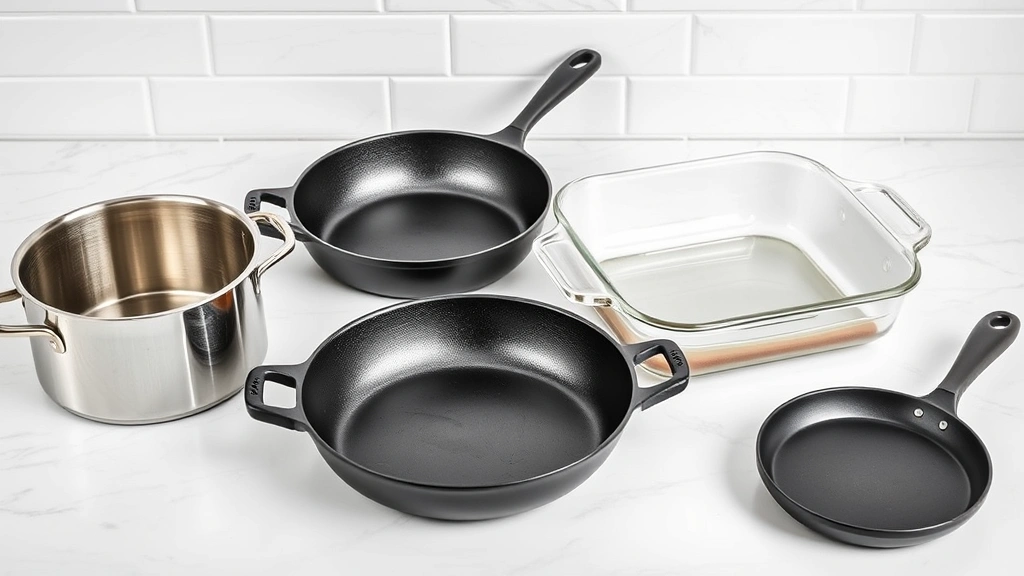
Cast iron deserves special attention because it offers a unique nutritional benefit: it actually enriches food with iron. When you cook acidic foods—tomatoes, wine-based sauces, citrus dishes—in well-seasoned cast iron, small amounts of iron transfer into your meal. For individuals with iron deficiency, this represents a genuine health advantage.
This cookware material has been used for centuries, and modern research validates its safety. The seasoning layer that develops on cast iron—built from polymerized oils—creates a natural non-stick surface without synthetic coatings. Once properly seasoned, cast iron performs comparably to modern non-stick cookware without chemical concerns.
Health considerations with cast iron are minimal when the pan is properly maintained. New cast iron requires seasoning, and ongoing care involves avoiding prolonged soaking and drying thoroughly. The common worry about rust is overstated; modern cast iron is more forgiving than vintage pieces. What matters more is understanding that cast iron requires commitment—it’s not a grab-and-go option like stainless steel.
Temperature distribution with cast iron is excellent once the pan heats up, though it requires patience and preheating. The thermal mass also means it retains heat exceptionally well, making it ideal for dishes requiring consistent temperature. Many nutritionists appreciate cast iron because it encourages slower, more intentional cooking practices that tend to produce healthier meals overall.
Non-Stick Coatings: Convenience vs. Safety
This is where complexity enters the conversation. Non-stick cookware offers undeniable convenience—minimal oil requirements, easy cleanup, and reduced sticking. But the health implications require careful examination because not all non-stick coatings are created equal.
Traditional non-stick coatings used PTFE (polytetrafluoroethylene), the same material as Teflon. When heated above 500°F, PTFE can release fumes that cause temporary flu-like symptoms in humans and are toxic to birds. This has led to legitimate health concerns, though most home cooking occurs at lower temperatures where PTFE remains stable.
The manufacturing process for older PTFE involved PFOA (perfluorooctanoic acid), a chemical that persists in the environment and human body. Most major manufacturers phased out PFOA by 2013, responding to environmental and health concerns. Current PTFE cookware is substantially safer than older versions, though some activists continue questioning long-term effects.
Newer alternatives include ceramic non-stick coatings and proprietary formulas from brands like GreenPan and Our Place. These use silicon-based coatings rather than fluorinated chemicals. Initial research suggests they’re safer, though they typically don’t perform as well as traditional PTFE and often require replacement sooner as the coating degrades.
The practical recommendation: if you use non-stick cookware, avoid overheating (keep below 400-500°F), replace worn cookware showing chips or peeling, and consider reserving non-stick for specific tasks rather than relying on it exclusively. Combining non-stick cookware with vegan meal prep recipes often works well since plant-based cooking typically involves lower heat requirements.
Ceramic Cookware: Natural Appeal and Reality
Ceramic cookware appeals to health-conscious consumers because it sounds natural—and it partially is. True ceramic cookware uses clay fired at high temperatures, creating a non-porous cooking surface. The appeal is understandable: no synthetic chemicals, no fluorine compounds, just earth-derived material.
The health reality is more nuanced. High-quality ceramic cookware is safe, though some budget ceramic products contain lead or cadmium in glazes, particularly items imported from countries with looser regulations. Reputable manufacturers test for these contaminants, but due diligence matters when purchasing ceramic cookware.
Ceramic’s significant limitation is durability. The coating chips and scratches more easily than quality non-stick or stainless steel. Once compromised, ceramic loses its non-stick properties and may expose underlying materials. This means ceramic cookware typically requires replacement more frequently, affecting both cost and environmental impact.
Performance-wise, ceramic conducts heat adequately but not exceptionally. It works well for moderate-heat cooking and is particularly suited to baking and oven use. Many ceramic pieces are oven-safe to higher temperatures than their non-stick counterparts, making them versatile for recipes requiring stovetop-to-oven transitions.
Glass Cookware: The Transparent Option
Glass cookware offers complete chemical inertness—absolutely nothing leaches from glass into food, regardless of temperature or acidity. This makes it the safest option from a chemical perspective. Brands like Pyrex and Anchor provide cookware that’s been used safely for decades.
The trade-offs are significant. Glass doesn’t conduct heat well, leading to hot spots and uneven cooking. It’s also fragile, breaking if subjected to thermal shock (like moving from stovetop to sink) or physical impact. Glass cookware works best for baking, slow cooking, and oven use rather than stovetop preparation.
Weight is another consideration—glass is heavier than comparable metal cookware, which can be problematic for people with limited hand strength or mobility concerns. Additionally, glass doesn’t work on induction cooktops, limiting its versatility in modern kitchens.
Health-wise, glass is excellent for specific applications. Baking dishes, casserole pots, and oven-based cooking benefit from glass’s transparency and safety profile. For comprehensive stovetop cooking, however, glass alone is impractical.
Materials to Approach with Caution
Certain cookware materials warrant skepticism. Aluminum cookware, particularly uncoated aluminum, can leach into food, especially when cooking acidic dishes. While aluminum itself isn’t proven to cause disease, the potential for leaching makes anodized aluminum (treated to prevent leaching) a safer choice than bare aluminum if you must use this material.
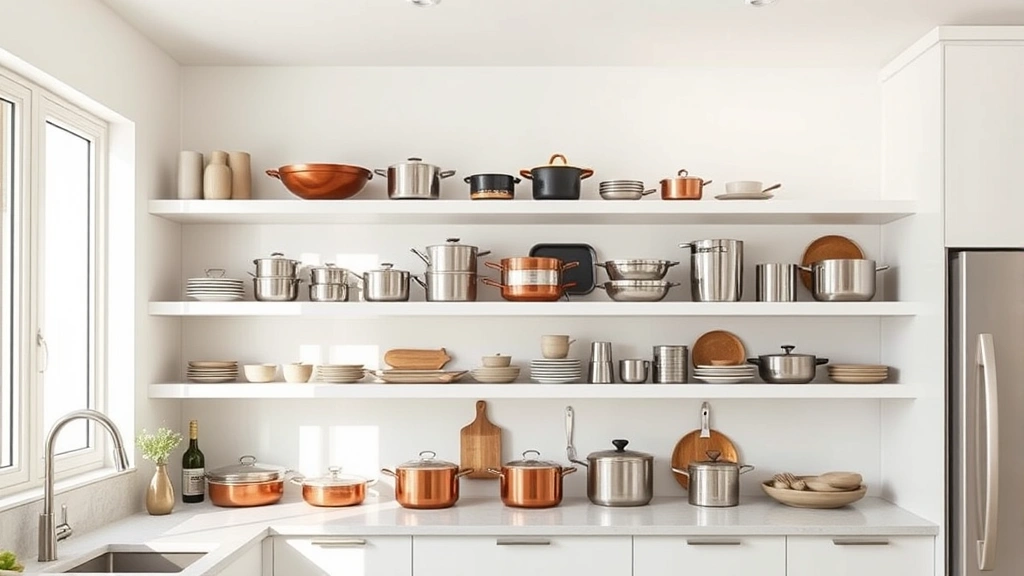
Copper cookware requires tin or stainless steel lining because copper directly leaching into food can cause toxicity. Unlined copper is beautiful but unsafe for cooking. If you love copper’s heat conductivity, ensure any copper cookware has appropriate protective lining.
Non-stick cookware with unknown coatings or extremely cheap options often contain questionable materials. When a non-stick pan costs less than $15, the coating quality is likely compromised. Investing in recognized brands with transparent ingredient disclosure is wise.
How to Choose Your Best Cookware
Selecting the best cookware material for health depends on your specific cooking style and priorities. Consider these factors:
- Cooking frequency and style: Daily home cooks benefit from durable stainless steel or cast iron. Occasional bakers might prioritize glass or ceramic.
- Temperature requirements: High-heat searing needs stainless steel or cast iron. Gentle simmering works with any material.
- Maintenance commitment: Cast iron requires seasoning; non-stick requires careful handling; stainless steel demands minimal special care.
- Health sensitivities: Nickel sensitivity suggests avoiding stainless steel; chemical sensitivity suggests ceramic or glass; iron deficiency benefits from cast iron.
- Budget reality: Quality cookware represents an investment. Mid-range stainless steel typically offers the best value for comprehensive kitchen needs.
The ideal approach involves a mixed collection. Keep high-quality stainless steel for everyday cooking, a cast iron skillet for specific dishes and its nutritional benefits, and perhaps a ceramic or glass piece for specialized tasks. This combination covers most cooking scenarios while minimizing any single material’s limitations.
When reducing sugar intake or adopting health-focused cooking practices, your cookware supports these goals by enabling proper technique. The right materials make healthy cooking easier and more enjoyable, encouraging consistency over time.
Quality matters significantly. Cheap cookware often has thin construction, poor heat distribution, and questionable coating integrity. Reputable manufacturers provide warranties, transparent material information, and consistent quality control. Brands like Le Creuset, All-Clad, Lodge, and Staub have earned reputations through decades of reliable performance.
Frequently Asked Questions
Is stainless steel cookware completely safe?
Yes, high-quality stainless steel cookware is safe for the vast majority of people. The chromium oxide layer prevents leaching, and nickel content in properly formulated cookware (18/8 or 18/10) remains well within safety standards. People with nickel allergies should consult healthcare providers, though skin contact rather than food preparation typically triggers reactions.
Can I use non-stick cookware if I’m concerned about PFOA?
Most non-stick cookware manufactured after 2013 is PFOA-free, making it substantially safer than older versions. If concerned, look for ceramic non-stick alternatives or prioritize stainless steel. The key is avoiding overheating non-stick cookware and replacing it when the coating shows damage.
Does cast iron actually add iron to food?
Research confirms that cooking in cast iron increases iron content in food, particularly acidic dishes. The amount varies but can meaningfully contribute to daily iron intake for individuals with deficiency.
What’s the best cookware for induction cooktops?
Stainless steel and cast iron work excellently on induction cooktops because they’re magnetic. Non-stick and ceramic cookware often don’t work unless specifically labeled as induction-compatible. Verify compatibility before purchasing cookware for induction cooking.
How often should I replace non-stick cookware?
When the coating chips, peels, or shows visible wear, replacement is necessary. Well-maintained non-stick cookware typically lasts 3-5 years with regular home use. Avoid high heat and metal utensils to extend lifespan.
Is ceramic cookware better than non-stick?
Both have merits. Ceramic avoids synthetic chemicals but chips more easily. Non-stick offers better performance but involves fluorinated compounds (though modern versions are safer than older formulations). Choice depends on your priorities and cooking style.
Can I use aluminum cookware safely?
Anodized aluminum is safer than bare aluminum because the treatment prevents leaching. However, stainless steel and cast iron are generally considered safer choices if you want to avoid aluminum entirely. Many quality cookware pieces use aluminum cores within stainless steel construction, combining benefits of both.
What cookware works best for healthy cooking?
Stainless steel and cast iron are considered healthiest overall because they don’t leach chemicals and support various cooking techniques. For specific applications like baking, glass is ideal. The best choice combines materials suited to your cooking style rather than relying on one type exclusively.
Understanding your cookware materials empowers you to make informed decisions that support long-term health. Whether you’re preparing plant-based meals or traditional recipes, the foundation of your kitchen—the pots, pans, and baking vessels—influences nutritional outcomes. By prioritizing safety-tested materials and quality construction, you’re investing in your family’s wellbeing with every meal prepared.
The journey toward optimal health includes seemingly small choices like cookware selection. Yet these daily decisions compound over time, creating either supportive or compromising environments for nutrition. Choose thoughtfully, invest wisely, and your kitchen becomes a genuine wellness asset rather than a potential liability.