

What Is Bowen Health? Expert Overview
If you’ve stumbled across the term “Bowen health” or “Bowen technique” in wellness circles, you’re not alone. This gentle, hands-on therapy has quietly gained traction among people seeking alternatives to traditional pain management and rehabilitation. But what exactly is it, and does it actually work? We’re diving deep into the science, the practice, and everything in between.
Bowen health represents a fascinating intersection of manual therapy and holistic wellness. Unlike aggressive chiropractic adjustments or deep tissue massage, the Bowen technique uses light, precise movements on specific anatomical points to potentially trigger the body’s natural healing response. It sounds simple—almost too simple—but practitioners and patients worldwide swear by its effectiveness for everything from chronic pain to postural issues.
Whether you’re considering trying Bowen therapy yourself or simply curious about emerging wellness modalities, this comprehensive guide will give you the clarity you need. We’ll explore the origins, the mechanics, the evidence, and practical considerations for anyone interested in this intriguing approach to health.
Understanding Bowen Health: The Basics
Bowen health, formally known as the Bowen Technique, is a form of remedial bodywork that uses minimal pressure and specific hand movements to stimulate the body’s innate healing mechanisms. Think of it as a conversation between practitioner and nervous system rather than a forced correction of physical problems.
The technique operates on a fundamental principle: the body knows how to heal itself when given the right signals. A Bowen practitioner applies light pressure to specific points on the body—typically where muscles, tendons, and ligaments meet—using gentle rolling motions. These aren’t deep tissue manipulations. They’re subtle, deliberate, and often leave recipients wondering if anything actually happened. Then, mysteriously, people report feeling significantly better.
What makes Bowen health distinct is its non-invasive nature and the built-in rest periods. Unlike traditional massage where the therapist continuously works on your muscles, Bowen incorporates pauses between sets of moves. This allows your nervous system time to process and respond. It’s this integration period that many practitioners believe holds the real therapeutic magic.
If you’re exploring wellness careers or interested in how behavioral health tech is reshaping patient care, understanding modalities like Bowen health provides valuable context for the broader wellness landscape.
The History and Origins of the Bowen Technique
The Bowen Technique was developed in the 1950s by Tom Bowen, an Australian remedial therapist with an intuitive approach to healing. Bowen worked primarily in Geelong, Victoria, treating thousands of patients with his innovative technique. What’s remarkable is that Bowen received minimal formal training in anatomy or physiology—his method emerged largely from experimentation and keen observation of how the body responded to specific interventions.
Bowen’s approach was revolutionary for his time. While most manual therapists were moving toward deeper, more aggressive techniques, Bowen went the opposite direction. He discovered that light pressure applied at precise anatomical locations could trigger profound healing responses. Word spread throughout Australia, and by the time Bowen passed away in 1982, he had treated an estimated 13,000 patients.
After Bowen’s death, his student Oswald Rentsch and others worked to systematize and document the technique, establishing training protocols and certification standards. Today, Bowen therapy has spread globally, with practitioners in Europe, North America, Asia, and beyond. The technique has evolved while maintaining Bowen’s core principles of gentleness, specificity, and respect for the body’s natural wisdom.
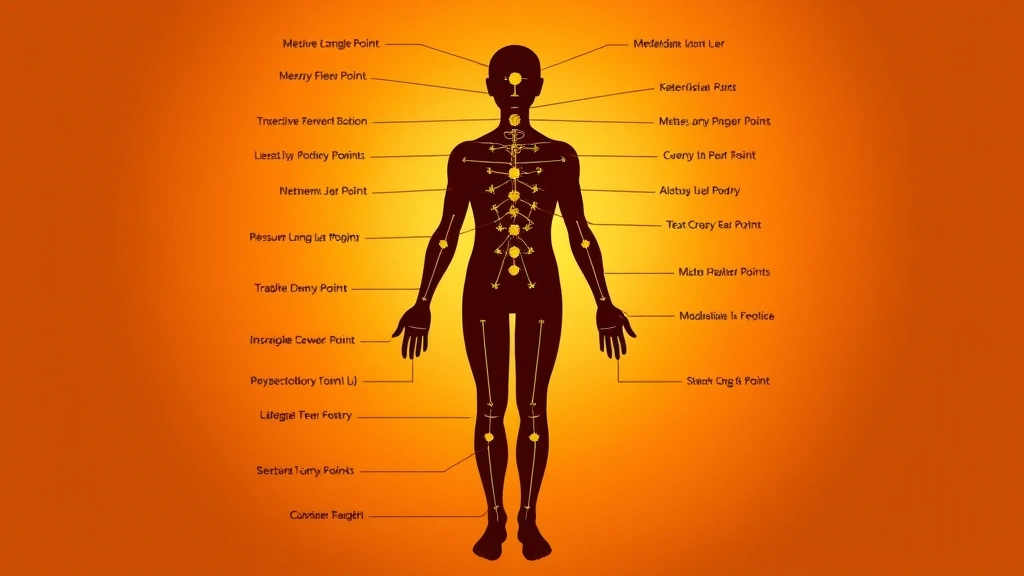
How Does Bowen Therapy Actually Work?
Understanding the mechanism behind Bowen health requires stepping outside conventional anatomical thinking. While traditional physical therapy focuses on structural alignment and muscle strengthening, Bowen operates primarily through neurological pathways.
The technique works through several proposed mechanisms. First, the gentle pressure and specific movements are believed to stimulate mechanoreceptors—sensory receptors in the skin and deeper tissues that detect pressure, vibration, and movement. These receptors communicate with the central nervous system, potentially triggering a cascade of healing responses.
Second, Bowen therapy appears to activate the parasympathetic nervous system—your body’s “rest and digest” mode. Most people live in sympathetic dominance (fight or flight), which inhibits healing and recovery. By shifting the nervous system into parasympathetic activation, Bowen may create an optimal physiological state for the body to repair itself.
Third, the technique seems to address fascial restrictions and improve proprioception—your body’s awareness of itself in space. Fascia is the connective tissue web that surrounds muscles, organs, and bones. When fascia becomes restricted or “stuck,” it can contribute to pain and dysfunction. Bowen’s specific movements may help release these restrictions and restore proper fascial gliding.
For those interested in pursuing Bowen as a career, understanding these mechanisms is crucial. Many behavioral health jobs now incorporate complementary modalities like Bowen therapy, making this knowledge increasingly valuable in the wellness industry.
The beauty of Bowen health is that you don’t need to fully understand the mechanism for it to work. However, the growing body of research is beginning to illuminate how these subtle interventions create measurable physiological changes.
Conditions Bowen Health May Address
Practitioners report that Bowen therapy can be beneficial for a surprisingly broad range of conditions. While research is still emerging, anecdotal evidence and some clinical studies suggest effectiveness for:
- Musculoskeletal pain: Back pain, neck pain, shoulder tension, and joint stiffness frequently respond well to Bowen therapy
- Sports injuries: Athletes use Bowen to accelerate recovery from strains, sprains, and overuse injuries
- Postural issues: The technique can help address forward head posture, rounded shoulders, and other postural distortions
- Headaches and migraines: Some patients experience significant relief from tension headaches through Bowen sessions
- Digestive issues: Certain Bowen moves target the nervous system in ways that may improve digestive function
- Respiratory conditions: Asthma and breathing difficulties have shown improvement in some patients
- Fertility and reproductive health: Some practitioners specialize in Bowen techniques specifically designed to support reproductive wellness
- Neurological conditions: Conditions like frozen shoulder, tennis elbow, and carpal tunnel syndrome may respond to targeted Bowen work
It’s important to note that while these conditions show promise with Bowen therapy, results vary considerably from person to person. The technique works best as part of a comprehensive approach to health that includes proper nutrition, movement, stress management, and conventional medical care when appropriate.

What to Expect During a Bowen Session
Walking into a Bowen therapy session for the first time can feel unusual because, frankly, very little appears to be happening. This is by design.
A typical session begins with an intake conversation where your practitioner gathers information about your health history, current concerns, and lifestyle. They’ll likely perform some basic assessments—watching how you move, checking your posture, and palpating specific areas.
Once you’re on the massage table (usually clothed or partially clothed, depending on the area being treated), the practitioner begins applying the Bowen moves. These involve gentle pressure applied with thumbs or fingers, followed by a rolling motion across muscle, tendon, or ligament junctions. The pressure is surprisingly light—many first-time clients worry nothing is actually happening.
What distinguishes Bowen from other therapies is the rest periods. After completing a set of moves (typically 3-5 moves), the practitioner leaves the room for 2-10 minutes. You simply rest. This pause is considered essential because it allows your nervous system to process the input and initiate healing responses without additional stimulation.
A full session typically lasts 30-45 minutes, though the actual hands-on time may only be 10-15 minutes. This efficiency is one reason Bowen appeals to busy people—you’re not spending hours on a massage table, yet many report significant benefits.
After your session, practitioners typically recommend a 24-48 hour integration period where you avoid strenuous activity. This allows your body to fully process the work. Many people experience continued improvement over the days following a session, sometimes referred to as the “continuing response.”
Scientific Evidence and Research
One of the most common questions about Bowen health is whether it’s backed by solid science. The honest answer is: there’s promising evidence, but we need more research.
Unlike pharmaceuticals or surgical interventions, manual therapies have historically received less funding for rigorous clinical trials. However, studies that do exist show encouraging results. Research published in peer-reviewed journals has documented improvements in various conditions, from lower back pain to hamstring injuries.
A PubMed search for Bowen technique reveals growing scientific interest, with studies from institutions in Australia, the United States, and Europe investigating mechanisms and outcomes. One notable study found that Bowen therapy produced significant improvements in pain and function for patients with lower back pain, comparable to other manual therapy approaches.
The challenge with researching Bowen is the difficulty of creating proper control groups. How do you create a placebo version of Bowen therapy? The specificity of touch makes double-blinding nearly impossible. Despite these methodological challenges, researchers continue investigating the neurophysiological mechanisms underlying the technique.
Organizations like the Mayo Clinic and National Institutes of Health are increasingly interested in complementary and integrative approaches. While Bowen therapy isn’t yet mainstream in conventional medical settings, the scientific community’s curiosity continues growing.
For anyone considering Bowen therapy, it’s reasonable to approach it as a potentially helpful complementary approach while maintaining realistic expectations and continuing conventional medical care for serious conditions.
Finding a Qualified Bowen Practitioner
Not all Bowen practitioners are created equal. Training standards vary by country and organization, so finding a qualified practitioner requires some homework.
Look for practitioners who have completed comprehensive training through recognized Bowen organizations. Legitimate training programs typically involve 200+ hours of study, including anatomy, physiology, and extensive hands-on practice. Reputable organizations include the Bowen Therapy Academy of Australia, the International Bowen Technique Association, and various national Bowen associations.
Credentials matter, but so does experience and communication style. A good practitioner should:
- Clearly explain what Bowen therapy is and isn’t
- Take a thorough health history and ask relevant questions
- Never claim to cure specific diseases
- Respect your autonomy and encourage continued conventional medical care
- Be willing to discuss research and evidence honestly
- Demonstrate genuine interest in your individual needs
If you’re interested in pursuing Bowen as a career, consider becoming a behavioral health specialist with additional Bowen training. Many practitioners combine Bowen with other modalities like counseling, coaching, or other manual therapies to provide comprehensive care.
Professional development in wellness fields is increasingly important. Exploring health science careers can help you understand how Bowen fits into the broader healthcare landscape and identify opportunities that align with your interests.
Bowen Health and Professional Careers
The wellness industry is booming, and modalities like Bowen therapy represent a growing segment. If you’re considering a career in health and wellness, understanding Bowen health positions you well for emerging opportunities.
Many practitioners integrate Bowen with other services—massage therapy, personal training, nutrition counseling, or mental health support. This diversification makes practitioners more marketable and allows them to serve clients more comprehensively. The mental health symbol of holistic, integrative care is increasingly valued by health-conscious consumers.
Career paths for Bowen practitioners include private practice, working within wellness centers, collaborating with sports teams or athletic facilities, or establishing corporate wellness programs. Some practitioners specialize in specific populations—athletes, pregnant women, children, or the elderly.
The wellness field is evolving rapidly, with behavioral health tech creating new opportunities for practitioners to reach clients through online consultations and digital wellness platforms. Understanding how to integrate traditional modalities like Bowen with modern technology is increasingly valuable.
For those considering this path, formal training in Bowen technique combined with business acumen, marketing skills, and ongoing professional development creates a strong foundation for a rewarding career in wellness.
Frequently Asked Questions
Is Bowen therapy painful?
No, Bowen therapy is generally very gentle and non-painful. The pressure applied is light, and most people find sessions relaxing rather than uncomfortable. If you experience pain during a session, communicate immediately with your practitioner.
How many sessions do I need to see results?
Results vary considerably. Some people notice improvements after a single session, while others require multiple sessions to experience significant changes. Most practitioners recommend starting with 3-5 sessions spaced a week or two apart to assess effectiveness for your particular situation.
Can Bowen therapy be used alongside other treatments?
Yes, absolutely. Bowen therapy complements conventional medical care, physical therapy, massage, chiropractic care, and other modalities. Always inform your healthcare providers about all treatments you’re receiving.
Is there any scientific proof that Bowen therapy works?
While more research is needed, existing studies show promising results for various conditions. Research published in peer-reviewed journals documents improvements in pain, function, and quality of life. However, the evidence base is smaller than for some other modalities, and more large-scale studies would strengthen our understanding.
How much does a Bowen session cost?
Costs vary by location and practitioner experience, typically ranging from $50 to $150 per session. Some insurance plans may cover Bowen therapy if performed by a licensed practitioner, so it’s worth checking with your provider.
Can children receive Bowen therapy?
Yes, Bowen therapy is safe for children and can be beneficial for issues like bedwetting, asthma, postural problems, and sports injuries. Sessions for children are often shorter than for adults.
What should I do after a Bowen session?
Practitioners typically recommend resting for 24-48 hours after a session, avoiding strenuous activity, and staying well-hydrated. Many people experience continued improvement during this integration period.
Is Bowen therapy regulated or licensed?
Regulation varies by country and region. In some places, Bowen practitioners must be licensed; in others, there are no specific legal requirements. This makes choosing a properly trained practitioner through recognized organizations particularly important.