
Boost Your Culinary Health: Expert Insights
The intersection of cooking and wellness has never been more relevant. Culinary health represents a transformative approach to nutrition that goes beyond counting calories—it’s about understanding how the foods we prepare, cook, and consume directly impact our physical vitality and mental clarity. Expert nutritionists and celebrity chefs are increasingly collaborating to create frameworks that make healthy eating accessible, delicious, and sustainable for everyday life.
What makes culinary health distinct from traditional dieting is its emphasis on skill-building and mindfulness. Rather than restriction, it champions learning proper cooking techniques, ingredient selection, and flavor development without relying on processed additives. This philosophy aligns perfectly with emerging research showing that home-cooked meals correlate with better health outcomes, improved family bonding, and greater financial savings compared to restaurant and takeout consumption.
In this comprehensive guide, we’ll explore how you can leverage culinary expertise to enhance your wellness journey, backed by insights from leading nutritionists and health professionals who understand that the kitchen is ground zero for preventive health care.
Foundations of Culinary Health
Culinary health begins with understanding that every meal is an opportunity for nourishment rather than mere sustenance. This foundational shift in perspective empowers individuals to take control of their nutritional destiny. When you embrace culinary practices, you’re essentially becoming your own health advocate, making deliberate choices about what enters your body.
The concept draws from ancient wellness traditions—Mediterranean, Ayurvedic, and Asian cuisines—where food preparation was always considered medicinal. Modern culinary health integrates these time-tested approaches with contemporary nutritional science. According to the Eat This, Not That wellness publications, the most successful health transformations occur when people shift from viewing cooking as a chore to seeing it as self-care.
One critical aspect involves understanding the glycemic impact of foods, cooking methods’ influence on nutrient bioavailability, and how flavor compounds themselves offer medicinal properties. For instance, the compound curcumin in turmeric isn’t just flavorful—it’s a potent anti-inflammatory agent that requires fat and heat for optimal absorption, which is why traditional golden milk recipes pair it with coconut milk and black pepper.
Those interested in deepening their knowledge might explore our lifestyle and wellness blog for additional resources on holistic health approaches, or consider how these principles connect to broader health and wellness education opportunities.
Essential Cooking Techniques for Wellness
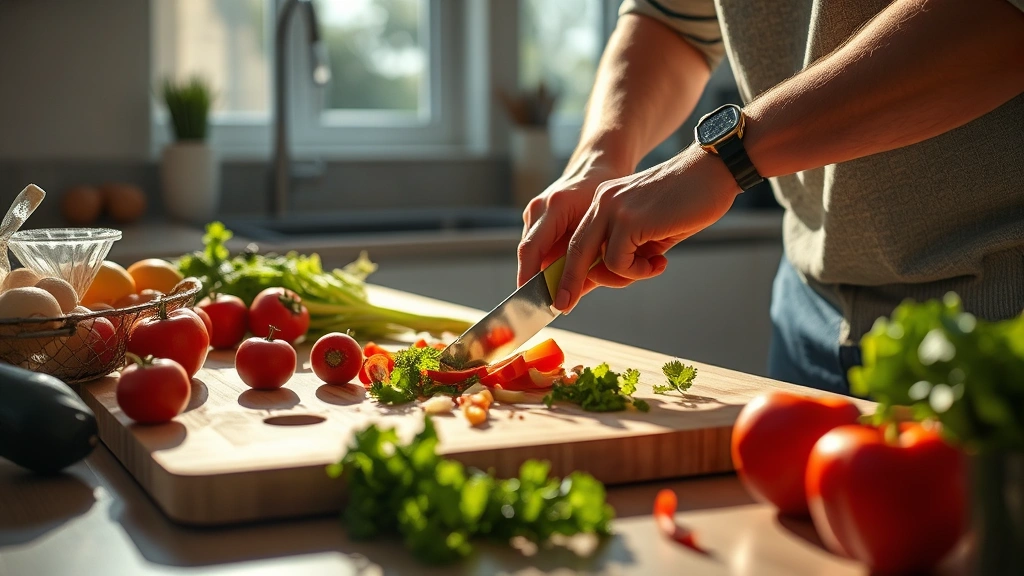
The methods you use to prepare food significantly influence its nutritional profile and health benefits. Here are the cornerstone techniques that distinguish culinary health practitioners:
- Steaming and Poaching: These gentle, moist-heat methods preserve water-soluble vitamins (B vitamins, vitamin C) that aggressive boiling destroys. They’re ideal for vegetables, fish, and lean proteins.
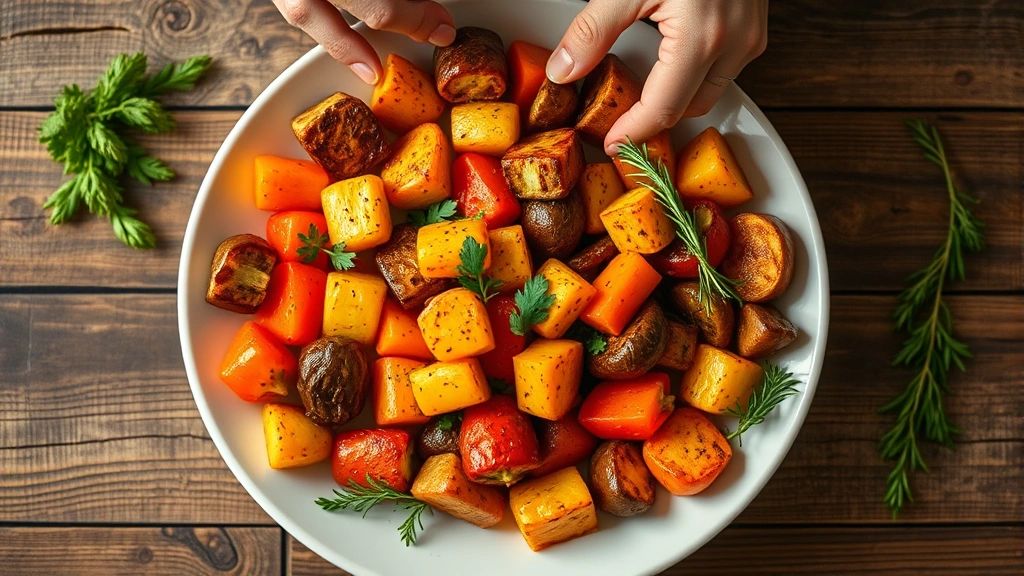
- Roasting and Baking: High-heat dry cooking develops deep flavors through the Maillard reaction while preserving fat-soluble vitamins (A, D, E, K). Roasted vegetables become naturally sweet without added sugars.
- Slow Cooking and Braising: Extended cooking times break down connective tissues, making nutrients more bioavailable. Bone broths created through slow simmering offer collagen, gelatin, and minerals extracted over hours.
- Raw Preparation: Salads, smoothies, and raw vegetable dishes preserve heat-sensitive enzymes and certain phytonutrients, providing different benefits than cooked preparations.
- Fermentation: This ancient technique creates beneficial probiotics that support gut health, enhancing the bioavailability of nutrients and supporting immune function.
- Grilling and Pan-Searing: Quick, high-heat cooking minimizes nutrient loss while creating appealing textures and flavors, though care should be taken to avoid excessive charring.
The key principle is matching the cooking method to the ingredient. Delicate leafy greens benefit from minimal cooking, while root vegetables develop superior flavor and nutrient concentration through roasting. This knowledge transforms you from someone who follows recipes blindly to a culinary health practitioner who understands the science behind every choice.
Selecting Nutrient-Dense Ingredients
The quality of your ingredients directly determines the quality of your health outcomes. Culinary health emphasizes ingredient selection as the foundation of every meal. This doesn’t necessarily mean organic everything or shopping exclusively at premium stores—it means understanding what you’re buying and why.
Focus on whole foods in their most natural state. This includes fresh produce, legumes, whole grains, nuts, seeds, and quality proteins. The Harvard Health Publishing research consistently demonstrates that whole-food diets prevent chronic disease more effectively than any supplement regimen.
Consider these nutrient-density champions:
- Cruciferous Vegetables: Broccoli, cauliflower, and Brussels sprouts contain sulforaphane, a compound showing promise in cancer prevention research. These vegetables develop superior flavor when roasted until caramelized.
- Fatty Fish: Salmon, sardines, and mackerel provide omega-3 fatty acids essential for brain health, inflammation reduction, and cardiovascular function.
- Leafy Greens: Spinach, kale, and Swiss chard deliver iron, calcium, and phytonutrients. Different preparation methods unlock different benefits—raw for enzyme preservation, cooked for mineral absorption.
- Legumes: Beans, lentils, and chickpeas offer plant-based protein, fiber, and resistant starch that feeds beneficial gut bacteria.
- Whole Grains: Quinoa, farro, and brown rice provide sustained energy through complex carbohydrates and B vitamins.
- Nuts and Seeds: These provide healthy fats, vitamin E, and minerals. They’re most bioavailable when lightly toasted.
Professionals working in health and wellness positions often emphasize that ingredient quality reflects in energy levels, mental clarity, and long-term health metrics. When you prioritize nutrient density, you’re making an investment in your future self.
Strategic Meal Planning Strategies
Culinary health transforms from philosophy to practice through intentional meal planning. This isn’t about restrictive meal prep monotony—it’s about creating a framework that supports your goals while allowing flexibility and enjoyment.
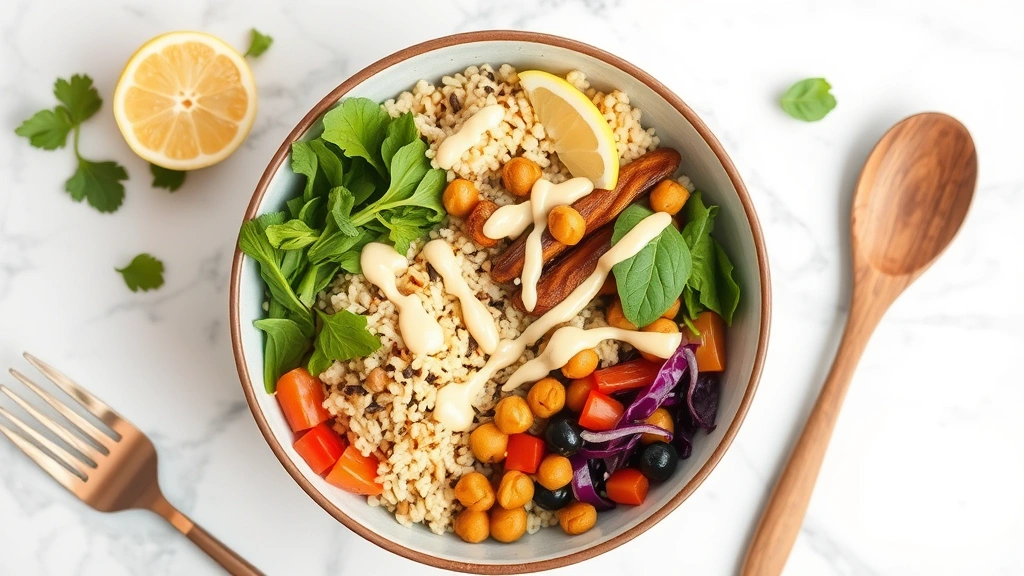
The Foundation Plate Model: Build each meal around these proportions: 50% vegetables (varied colors for different phytonutrients), 25% quality protein, and 25% whole grains or starchy vegetables. This visual framework ensures balanced nutrition without complex calculations.
Effective culinary health meal planning involves:
- Planning breakfasts that include protein and healthy fats to stabilize blood sugar and extend satiety
- Preparing versatile components that can be mixed throughout the week—roasted vegetables, cooked grains, prepared proteins
- Building a seasonally-aware shopping list that aligns with local produce availability and peak nutritional content
- Creating a flavor profile rotation to prevent menu fatigue while maintaining nutritional consistency
- Batch-cooking components on designated days, reducing daily cooking stress while maintaining fresh-prepared quality
Those interested in pursuing this knowledge more formally might explore health science careers that incorporate nutrition and culinary expertise, or investigate how health administration roles increasingly emphasize workplace wellness through proper nutrition education.
The psychological benefit of planning shouldn’t be underestimated. When you know what you’re eating, you eliminate decision fatigue and reduce the likelihood of impulsive choices that undermine health goals. Research from behavioral nutrition experts shows that planned eating correlates with sustained weight management and improved health markers more reliably than willpower alone.
Mindfulness and Eating Awareness
Culinary health extends beyond the kitchen into how we consume our meals. Mindful eating—paying full attention to flavors, textures, satiety signals, and emotional triggers—completes the culinary health picture.
The practice involves:
- Eliminating Distractions: Eating without screens allows your brain to register fullness signals, typically requiring 20 minutes to recognize satiety. This simple practice often reduces calorie consumption by 20-30% without restriction.
- Sensory Engagement: Truly tasting food amplifies satisfaction, meaning smaller portions feel more gratifying. Notice colors, aromas, textures, and flavor layers.
- Emotional Awareness: Distinguishing physical hunger from emotional hunger prevents using food as a coping mechanism. Culinary health recognizes that food provides comfort and joy—the goal is balance, not elimination.
- Gratitude Practice: Acknowledging the effort, resources, and people involved in bringing food to your plate deepens appreciation and satisfaction.
- Portion Intuition: Over time, mindful eating helps you naturally align portions with genuine hunger rather than external cues.
The intersection of mental health awareness and culinary practices is increasingly recognized by wellness professionals. Food choices influence mood and mental clarity, while mental state influences food choices, creating a powerful feedback loop.
According to Mind Body Green’s wellness research, individuals who practice mindful eating report improved relationship with food, reduced anxiety around meals, and better overall life satisfaction. This holistic approach treats food as medicine without creating obsessive or restrictive patterns.
Frequently Asked Questions
What’s the difference between culinary health and typical dieting?
Culinary health is a sustainable lifestyle approach emphasizing skill-building, ingredient quality, and mindfulness, whereas dieting typically involves restriction and deprivation. Culinary health asks “how can I nourish myself?” while diets ask “what can’t I eat?” This fundamental mindset shift creates lasting behavior change rather than temporary restriction cycles.
Do I need special equipment to practice culinary health?
No. While quality knives and cookware enhance the experience, culinary health principles apply with basic kitchen tools. A sharp knife, cutting board, and reliable cookware suffice for implementing these techniques. The emphasis is on technique and intention rather than equipment.
How much time should I dedicate to meal preparation?
Strategic batch-cooking on one or two designated days typically requires 2-3 hours, providing components that enable quick daily assembly. This approach balances fresh-prepared quality with realistic time constraints for busy lifestyles.
Can culinary health work for people with dietary restrictions?
Absolutely. Culinary health principles adapt to any dietary requirement—vegetarian, vegan, gluten-free, or allergy-conscious. The focus remains on whole foods, proper preparation, and nutrient density regardless of specific restrictions.
How quickly will I notice health improvements?
Energy levels and digestion often improve within days of transitioning to whole foods. More substantial changes in weight, skin quality, and mental clarity typically manifest over 4-8 weeks. Long-term benefits including disease prevention and sustained vitality develop over months and years.
What resources help me develop culinary health skills?
Beyond cookbooks and cooking shows, consider exploring EatingWell’s nutrition-focused content and connecting with professional communities. The Life Haven Daily blog provides ongoing wellness insights, while exploring formal health and wellness education deepens understanding for those seeking comprehensive knowledge.
Conclusion: Culinary health represents a paradigm shift from viewing food as either indulgence or medicine to understanding it as the primary tool for building the healthy, vibrant life you deserve. By mastering essential cooking techniques, selecting nutrient-dense ingredients, planning strategically, and eating mindfully, you transform daily meals into powerful health interventions. This isn’t about perfection or deprivation—it’s about developing the knowledge and skills to nourish yourself consistently, deliciously, and sustainably. Start with one technique, master one ingredient category, and build from there. Your future self will thank you for the investment in culinary health today.