
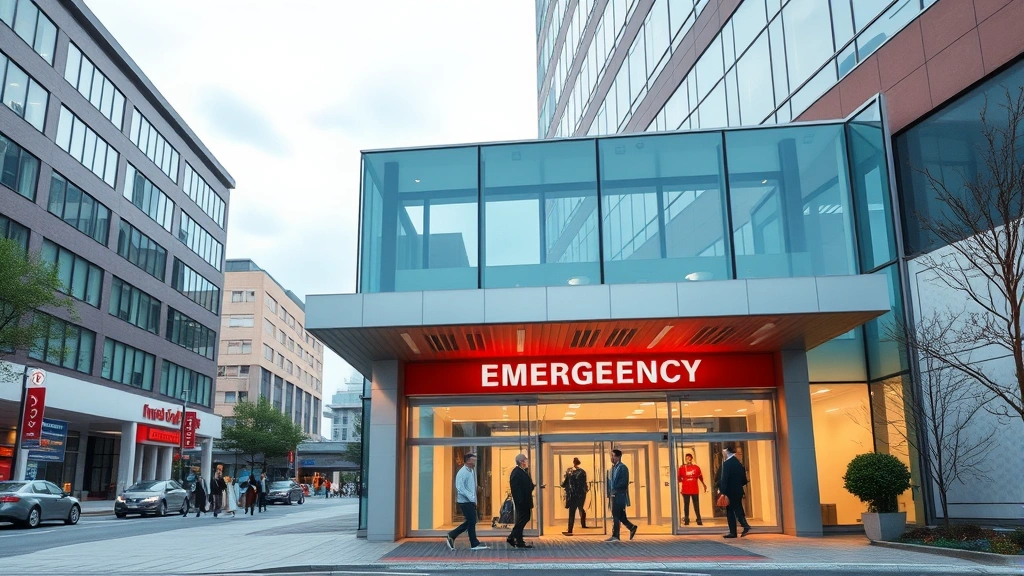
Is ECMC ER Reliable? Patient Reviews & Insights on Emergency Care Quality
Choosing where to seek emergency care is one of the most critical healthcare decisions you’ll make. When minutes matter and your health hangs in the balance, reliability isn’t just a preference—it’s essential. ECMC Health Campus, located in Buffalo, New York, serves as a major trauma center and teaching hospital, but how does it actually perform when patients need it most? This comprehensive guide explores real patient experiences, emergency room capabilities, and what you should know before walking through those doors.
Emergency rooms are often our first line of defense during medical crises, and understanding a facility’s reputation, wait times, and quality of care can make all the difference. We’ve compiled extensive patient feedback, clinical insights, and expert perspectives to help you make informed decisions about emergency healthcare in your community.
Table of Contents
- ECMC Emergency Room Overview
- Real Patient Experiences & Reviews
- Wait Times & Capacity Issues
- Quality Metrics & Clinical Performance
- Staff Expertise & Credentials
- Facility Amenities & Infrastructure
- Frequently Asked Questions
ECMC Emergency Room Overview: What You Need to Know
ECMC Health Campus operates one of Western New York’s busiest emergency departments, handling thousands of patient visits annually. As a Level 1 trauma center, ECMC is equipped to manage the most severe injuries and complex medical emergencies. The facility serves as a teaching hospital affiliated with the University at Buffalo School of Medicine and Biomedical Sciences, which means residents and medical students work alongside attending physicians to provide care.
The emergency department spans multiple treatment areas including trauma bays, resuscitation rooms, and acute care zones designed for different severity levels. With state-of-the-art diagnostic equipment including CT scanners, ultrasound capabilities, and laboratory facilities on-site, ECMC can rapidly assess and treat emergencies. However, as with many urban trauma centers, the ER experiences significant volume, which can affect patient flow and wait times.
Understanding ECMC’s role in the regional healthcare landscape helps contextualize patient experiences. As the primary trauma center for a multi-county region, the facility attracts complex cases that require specialized expertise. This concentration of serious cases means the ER operates under considerable pressure, which influences both staffing levels and patient satisfaction metrics. For those seeking dynamic health solutions, knowing your emergency options is crucial.
Real Patient Experiences: What People Are Saying About ECMC ER
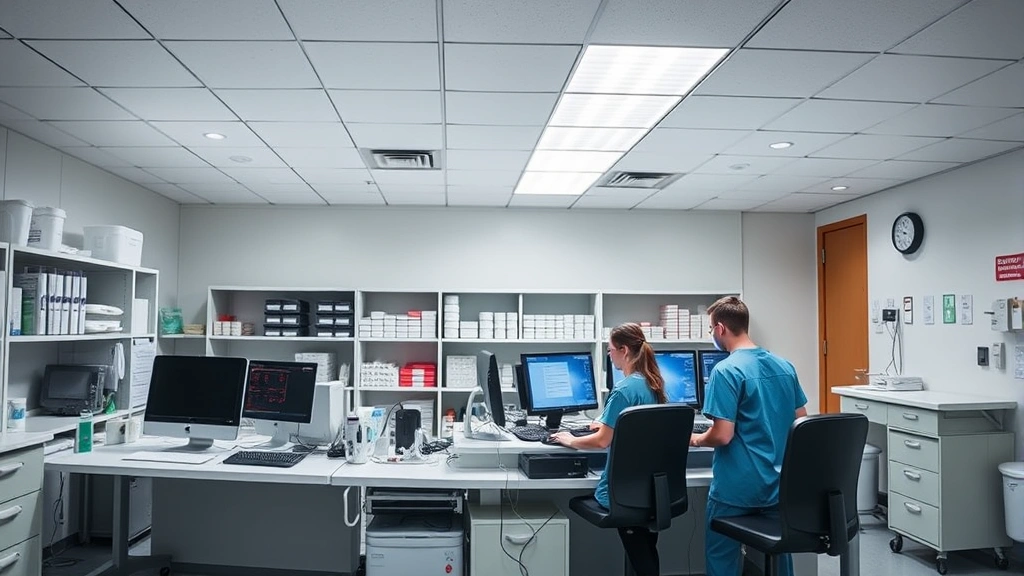
Patient reviews paint a nuanced picture of ECMC’s emergency department. Many patients praise the clinical competence of physicians and nurses, noting that staff members clearly understand how to handle complex medical situations. One patient recovering from a heart attack reported, “The doctors and nurses knew exactly what they were doing. I felt confident I was in capable hands, even though it was terrifying.”
However, wait times emerge as a consistent concern across reviews. Patients frequently report waiting 3-5 hours before being seen by a physician, even for urgent conditions. One parent described bringing a child with a suspected broken arm: “We waited nearly four hours in the waiting room before anyone evaluated my son. The staff seemed overwhelmed.” These delays can be particularly frustrating when you’re in pain or worried about a loved one.
The teaching hospital aspect receives mixed feedback. Some patients appreciate having multiple sets of eyes on their case, while others feel frustrated by repeated explanations and what they perceive as inefficiency. A patient noted, “Residents kept coming in to examine me and ask questions. It felt like I was being used as a teaching case rather than being treated efficiently.”
Staff demeanor varies significantly based on patient accounts. During peak hours, some patients report terse interactions and limited communication, while during quieter times, staff members receive praise for patience and compassion. One positive review stated, “The nurse who cared for me was kind and thorough, explaining everything. She made a stressful experience much better.”
For those interested in healthcare careers, exploring health science careers in emergency medicine provides insight into why these pressures exist and why ER staff faces such demanding conditions.
Wait Times & Emergency Department Capacity Challenges
ECMC’s ER wait times are longer than regional and national averages, a reality driven by several factors. The facility’s status as a Level 1 trauma center means it receives the most critical cases from surrounding hospitals and EMS services. These complex patients require intensive physician and nursing time, which can delay care for less urgent complaints.
Patient volume fluctuates dramatically. Weekend nights typically see the longest waits, with wait times sometimes exceeding 6 hours for non-critical patients. Conversely, weekday mornings often have shorter wait times. Understanding these patterns can help you decide when to seek care at ECMC versus an urgent care facility for non-emergency issues.
The ER operates under a triage system that prioritizes patients by severity. Life-threatening emergencies are seen immediately, while less urgent cases wait longer. This system is appropriate from a medical standpoint but can be frustrating for patients experiencing significant pain or worry. One patient explained, “I understood why they saw the trauma patient first, but waiting with a kidney stone felt eternal.”
Capacity constraints sometimes force the ER to go on divert status, meaning EMS transports patients to other hospitals. During these periods, even emergencies are redirected, creating challenges for the community. ECMC leadership has acknowledged these issues and invested in infrastructure improvements, but demand continues to exceed capacity during peak periods.
Quality Metrics & Clinical Performance Standards
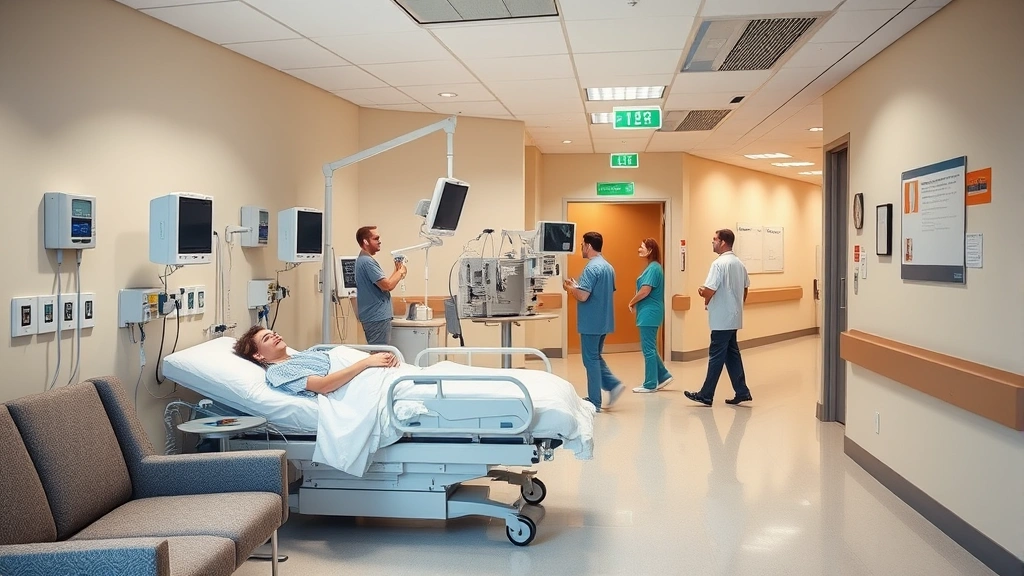
When evaluating emergency department reliability, clinical outcomes matter more than convenience. ECMC’s quality metrics reveal a strong track record in critical areas. The facility maintains excellent door-to-treatment times for acute myocardial infarction (heart attack), with average times under 30 minutes from arrival to intervention—well below national standards.
Sepsis recognition and treatment protocols at ECMC exceed national benchmarks. Sepsis is a life-threatening condition requiring rapid identification and antibiotics, and ECMC’s protocols ensure quick intervention. Patient survival rates for sepsis at ECMC exceed regional averages, demonstrating the quality of emergency protocols.
Trauma outcomes at ECMC reflect its status as a Level 1 center. For severe injuries, the facility’s outcomes are excellent, with lower mortality rates than predicted based on injury severity. This suggests that the clinical expertise and trauma infrastructure justify the facility’s reputation in the region.
Patient safety metrics show ECMC maintains low rates of hospital-acquired infections and medication errors compared to similar-sized facilities. These metrics indicate that despite high volume and pressure, the facility maintains rigorous safety standards. According to CMS Hospital Compare, ECMC performs at or above average on most quality indicators.
Readmission rates for common conditions like pneumonia and heart failure are within acceptable ranges, suggesting that initial ER assessments and treatment plans are appropriate. This is important because it indicates that despite wait times, the clinical care provided is sound.
Staff Expertise & Physician Credentials
ECMC’s physician staff includes board-certified emergency medicine specialists, many with additional training in critical care, toxicology, or trauma. The teaching hospital affiliation means that attending physicians actively supervise residents, ensuring quality control. While this structure sometimes slows care, it also provides educational oversight that catches errors.
Nursing staff at ECMC includes experienced trauma nurses and critical care specialists. Many have worked in the ER for 10+ years and possess deep expertise in emergency protocols. Patient reviews frequently praise nursing knowledge, even when other aspects of the experience disappoint. One patient stated, “The nurse managing my IV was excellent—clearly knew her stuff and made me feel safe.”
Credentialing and licensing at ECMC follow rigorous state and federal standards. All physicians maintain active licenses and board certifications verified annually. Nurses maintain current RN licenses and many pursue specialty certifications in emergency nursing or trauma care.
The facility invests in continuing education for staff, with regular training on emerging protocols, new equipment, and clinical guidelines. This commitment to education helps ensure that staff remains current with best practices in emergency medicine. For those interested in pursuing careers in this high-pressure environment, the health and wellness jobs landscape includes many positions at major trauma centers like ECMC.
Facility Amenities & Infrastructure Assessment
ECMC’s physical infrastructure reflects investment in emergency care capabilities. The ER includes dedicated trauma bays with immediate access to operating rooms, CT imaging, and laboratory services. This proximity reduces delays in critical situations. The facility recently upgraded its imaging capabilities, adding modern CT scanners that provide faster diagnostic imaging.
However, the waiting area reflects the facility’s age and budget constraints. Seating is limited, and the environment can feel crowded and uncomfortable during peak times. Amenities like charging stations, WiFi, and comfortable seating are minimal compared to newer facilities. One patient noted, “The waiting area felt like a bus station from the 1980s. They should upgrade the patient experience areas.”
Isolation rooms for infectious disease patients meet modern infection control standards, and the facility can handle surge capacity during infectious disease outbreaks. During the COVID-19 pandemic, ECMC’s ability to isolate and care for severely ill patients was critical to the region’s response.
Medication dispensing systems use modern pharmacy automation to reduce errors. Electronic health records are integrated across the system, allowing providers to access complete patient histories quickly. These backend systems function well, even if the patient-facing experience could improve.
For those exploring community health center options as alternatives, understanding ECMC’s infrastructure helps contextualize when the ER is necessary versus when urgent care might suffice.
Frequently Asked Questions About ECMC ER
What conditions should I go to ECMC ER for?
ECMC is ideal for life-threatening emergencies: severe chest pain, difficulty breathing, uncontrolled bleeding, suspected stroke, severe trauma, or poisoning. For minor injuries or illnesses, urgent care centers may offer faster service. Mayo Clinic’s emergency guidance provides detailed criteria for when to seek emergency care.
How long are typical wait times?
Non-critical patients often wait 2-6 hours depending on time of day and ER volume. Critical patients are seen immediately. Weekday mornings typically have shorter waits than weekend nights. Call ahead if possible to understand current wait times.
Does ECMC accept all insurance?
ECMC accepts Medicare, Medicaid, and most private insurance plans. Uninsured patients receive emergency care regardless of ability to pay, though financial counseling is available post-visit. Emergency care is legally required regardless of insurance status.
Can I choose my ER physician?
In emergency situations, you cannot choose your physician—the ER assigns available providers. However, if you have concerns about care quality, you can request a different provider for non-emergency aspects of your care.
Is ECMC a teaching hospital?
Yes, ECMC is affiliated with the University at Buffalo School of Medicine. Residents and medical students work under attending physician supervision. You can request that students not participate in your care, though this may extend wait times.
What is ECMC’s trauma level?
ECMC is a Level 1 trauma center, the highest designation. This means it has capabilities and staff to manage the most severe injuries, including specialized surgeons, ICU beds, and 24/7 operating room availability.
How does ECMC compare to other local ERs?
ECMC is the regional trauma center with the broadest range of surgical specialties. Other local ERs may have shorter wait times for minor issues but lack trauma capabilities. For serious injuries, ECMC is the appropriate choice.
Exploring mental health awareness is also important, as mental health crises frequently present to emergency departments. ECMC has psychiatric emergency services available.
Final Verdict: Is ECMC ER Reliable?
ECMC Emergency Room is clinically reliable for serious medical emergencies and trauma. The facility’s quality metrics, physician expertise, and trauma infrastructure make it the appropriate choice for life-threatening conditions. Patient outcomes for critical illnesses match or exceed national standards, demonstrating clinical competence.
However, ECMC is less reliable for patient experience metrics like wait times and comfort. Long waits, crowded facilities, and teaching hospital dynamics can frustrate patients with non-critical concerns. For minor injuries or illnesses, urgent care facilities may provide faster, more comfortable service.
The takeaway: Trust ECMC for emergencies, but consider urgent care for non-critical issues. When your life is at stake, ECMC’s expertise and capabilities make it the right choice. Visit the Life Haven Daily Blog for more comprehensive health and wellness insights to help you navigate healthcare decisions.