

Elite Women’s Health: Expert Strategies for Wellness
Women’s health transcends basic medical care—it encompasses a holistic approach to physical vitality, mental resilience, and emotional balance. Elite women’s health represents a sophisticated understanding of how to optimize every dimension of wellness, from hormonal harmony to preventive medicine, nutrition science, and stress management. This comprehensive guide explores evidence-based strategies that empower women to take control of their health journey and achieve lasting vitality.
Whether you’re navigating your twenties, managing the complexities of midlife, or embracing your most confident years, understanding your unique health needs is essential. The strategies outlined here draw from cutting-edge research, clinical expertise, and real-world applications that have transformed the lives of countless women seeking to elevate their wellness standards.
Hormonal Health Optimization
Hormonal balance represents the cornerstone of elite women’s health. Your endocrine system orchestrates everything from energy levels and mood stability to metabolism and reproductive function. Understanding your hormonal patterns empowers you to make informed decisions about your body and health trajectory.
The menstrual cycle isn’t merely a biological event—it’s a sophisticated communication system reflecting your overall health status. Cycle syncing, an emerging wellness practice, involves aligning your activities, nutrition, and exercise with your hormonal phases. During the follicular phase (days 1-14), estrogen rises, supporting higher-intensity workouts and ambitious projects. The luteal phase (days 15-28) calls for gentler movement, increased caloric intake, and restorative practices as progesterone peaks.
Beyond menstrual health, thyroid function demands attention. An estimated 12% of women will develop thyroid disorders during their lifetime, yet many cases go undiagnosed. Request comprehensive thyroid panels including TSH, Free T3, Free T4, and thyroid antibodies. Symptoms like persistent fatigue, unexplained weight changes, or temperature sensitivity warrant investigation. Visit our El Rio Community Health Center resource for local healthcare partnerships that prioritize thorough hormonal assessment.
Estrogen dominance affects many women, creating symptoms ranging from breast tenderness to mood swings and weight gain. Supporting your liver’s detoxification pathways through cruciferous vegetables, adequate hydration, and limiting xenoestrogens (chemicals mimicking estrogen) can help restore balance. Consider working with a functional medicine practitioner who understands the nuances of hormonal health.
Nutrition as Your Foundation
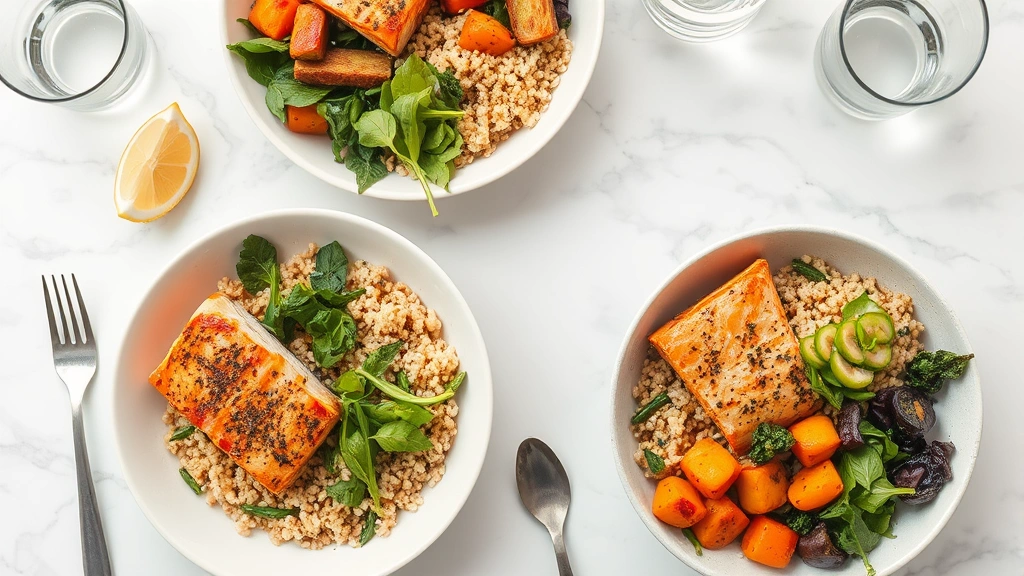
Food is medicine, and elite women’s health demands a nutrition strategy tailored to your unique biochemistry, lifestyle, and goals. Rather than following restrictive trends, focus on nutrient-dense foods that support hormonal balance, stable energy, and cellular regeneration.
Protein deserves special emphasis for women. Current research suggests consuming 0.8-1.0 grams per pound of body weight, particularly if you strength train. Adequate protein stabilizes blood sugar, supports muscle maintenance, and promotes satiety. Incorporate diverse sources: grass-fed beef, wild-caught fish rich in omega-3 fatty acids, pastured eggs, legumes, and plant-based options.
Micronutrient deficiencies plague many women, particularly iron, vitamin D, B12, and magnesium. Iron depletion occurs through menstrual blood loss; B12 deficiency develops without adequate animal products or supplementation; vitamin D insufficiency affects 40% of American women; and magnesium depletion accelerates through stress and caffeine consumption. Strategic supplementation, guided by bloodwork, prevents subtle deficiencies that accumulate into chronic health challenges.
Explore our Community Health Choices resource for information about nutrition education programs in your area. Additionally, the Life Haven Daily Blog regularly features expert nutrition insights specifically for women’s wellness.
Metabolic flexibility—your body’s ability to efficiently burn both fat and carbohydrates—represents an advanced wellness marker. Develop this capacity through periodic intermittent fasting, strategic carbohydrate timing around workouts, and maintaining consistent physical activity. This metabolic adaptability supports stable energy, mental clarity, and sustainable weight management.
Fitness for Longevity
Exercise transcends aesthetics; it’s a powerful health intervention that extends lifespan, enhances cognitive function, and optimizes hormonal balance. The most effective elite women’s health fitness strategy incorporates diverse movement modalities rather than relying on single disciplines.
Strength training emerges as non-negotiable. Women often fear bulking, yet building muscle mass represents one of the most potent anti-aging interventions available. Muscle tissue burns more calories at rest, improves insulin sensitivity, strengthens bones, and enhances metabolic health. Aim for 2-3 strength sessions weekly, progressively overloading weights to stimulate adaptation.
Cardiovascular fitness maintains heart health and endurance capacity. Incorporate both steady-state cardio (walking, cycling, swimming) and high-intensity interval training (HIIT). HIIT sessions, performed 1-2 times weekly, boost metabolic rate, improve cardiovascular function, and require minimal time investment.
Flexibility and mobility work prevents injury and maintains movement quality. Yoga, Pilates, and dedicated stretching routines enhance range of motion, core stability, and body awareness. These practices also calm your nervous system, supporting stress reduction and sleep quality.
Consider exploring Health and Wellness Jobs if you’re interested in fitness careers or professional development in wellness fields. Movement should feel sustainable and joyful—find activities you genuinely enjoy rather than forcing exercise routines that feel punitive.

Mental and Emotional Wellness
Mental health constitutes a foundational pillar of elite women’s health, yet remains shamefully under-prioritized. Women experience depression and anxiety at twice the rates of men, frequently due to hormonal fluctuations, societal pressures, and chronic stress accumulation.
Stress management isn’t luxury—it’s essential medicine. Chronic stress elevates cortisol, disrupting sleep, metabolism, immune function, and hormonal balance. Develop a personalized stress-reduction toolkit: meditation, breathwork, journaling, time in nature, creative expression, or community connection. Even five minutes of daily meditation produces measurable benefits in mood regulation and emotional resilience.
Therapy and counseling deserve investment. Whether processing past trauma, navigating life transitions, or optimizing mental performance, working with a skilled therapist accelerates growth and healing. Cognitive behavioral therapy (CBT), somatic experiencing, and other evidence-based modalities provide powerful tools for rewiring thought patterns and emotional responses.
Social connection profoundly impacts health outcomes. Women with strong social networks live longer, experience lower disease rates, and report greater life satisfaction. Prioritize meaningful relationships, invest in friendships, and cultivate community. For those interested in supporting others’ mental health, explore Mental Health Jobs Near Me opportunities in your region.
Emotional intelligence—understanding and managing your emotions effectively—predicts success across all life domains. Develop this capacity through self-reflection, honest communication, and emotional awareness practices. Your feelings provide valuable information about your needs, boundaries, and values.
Preventive Care Excellence
Preventive medicine represents the ultimate expression of elite women’s health. Rather than waiting for disease manifestation, proactive screening and lifestyle optimization prevent health challenges before they develop.
Annual comprehensive health assessments should include blood pressure, cholesterol panels, glucose metabolism testing, thyroid function, and metabolic markers. Women over 40 benefit from breast cancer screening conversations with their physicians; those with family history warrant earlier screening initiation. Cervical cancer prevention through regular Pap smears and HPV vaccination remains critical across all ages.
Bone health demands attention, particularly as women approach menopause. Declining estrogen accelerates bone loss, increasing osteoporosis risk. Strength training, adequate calcium and vitamin D intake, and periodic bone density screening (DEXA scans) help preserve skeletal integrity and prevent fractures in later life.
Cardiovascular disease represents the leading cause of death among women, yet prevention remains achievable. Maintain healthy blood pressure (below 120/80), manage cholesterol ratios, control blood sugar, exercise regularly, manage stress, and avoid smoking. Regular EKGs and stress testing, particularly for women with multiple risk factors, provide valuable baseline data.
Visit our Health Informatics Jobs resource to learn about careers in healthcare technology that advance preventive medicine innovation.
Sleep and Recovery Mastery
Sleep represents the foundation upon which all other wellness pillars rest. Yet many women struggle with insomnia, disrupted sleep, and inadequate recovery—often due to hormonal fluctuations, stress, or poor sleep hygiene.
Aim for 7-9 hours of quality sleep nightly. During the luteal phase, you may require additional sleep; honor this biological need rather than fighting it. Create an optimal sleep environment: cool temperature (65-68°F), complete darkness, minimal noise, and comfortable bedding.
Establish consistent sleep-wake cycles, even on weekends. Your circadian rhythm thrives on predictability. Avoid screens 60-90 minutes before bed; blue light suppresses melatonin production, delaying sleep onset. Instead, engage in relaxing activities: reading, gentle stretching, meditation, or journaling.
Caffeine metabolism varies significantly among women, influenced by genetics and hormonal phases. Many women benefit from eliminating caffeine after 2 PM, while others can consume it later. Experiment to identify your optimal cutoff time. Alcohol, while initially sedating, disrupts sleep architecture and should be limited, particularly in evening hours.
Recovery extends beyond sleep. Active recovery days featuring gentle movement, stretching, and stress-reduction practices accelerate physical adaptation and prevent overtraining. Listen to your body’s signals; elite wellness requires respecting rest as much as effort.
Frequently Asked Questions
What supplements should every woman take?
Individual needs vary based on bloodwork and lifestyle. Universal recommendations include a high-quality multivitamin, vitamin D3 (2,000-4,000 IU daily), and omega-3 fatty acids. Many women benefit from magnesium glycinate for sleep and stress support. Consult a healthcare provider or functional medicine practitioner for personalized supplementation strategies.
How can I optimize my health during perimenopause?
Perimenopause, the 5-10 years preceding menopause, brings significant hormonal fluctuations. Prioritize strength training to maintain muscle mass, increase phytoestrogen-rich foods (flaxseeds, soy), ensure adequate sleep, and manage stress aggressively. Hormone testing helps clarify what’s occurring physiologically. Some women benefit from bioidentical hormone replacement therapy (BHRT); discuss this option with a knowledgeable provider.
What’s the best exercise routine for women?
The best routine is the one you’ll consistently follow. Ideally, combine 2-3 strength sessions weekly, 150 minutes of moderate cardio or 75 minutes of vigorous cardio, plus flexibility work. Adjust intensity and volume based on your menstrual cycle, energy levels, and recovery capacity. Periodize training with harder and easier weeks to prevent plateaus and overtraining.
How do I address hormonal acne naturally?
Hormonal acne typically worsens during the luteal phase. Support your skin through: eliminating dairy and refined carbohydrates, increasing antioxidant-rich foods, supplementing with zinc and vitamin A, managing stress, and maintaining consistent skincare. Spearmint tea has demonstrated anti-androgenic properties in research. Persistent cases may benefit from dermatology consultation or targeted supplementation.
Can I reverse aging through lifestyle interventions?
Absolutely. While chronological age progresses, biological age responds dramatically to lifestyle choices. Strength training, quality sleep, stress management, nutrient-dense nutrition, and social connection activate longevity pathways at the cellular level. Research on epigenetics demonstrates that genes aren’t destiny—environmental factors profoundly influence gene expression and aging trajectories.
Elevating Your Health Journey
Achieving elite women’s health requires integrated commitment across multiple dimensions: hormonal awareness, strategic nutrition, consistent movement, mental resilience, preventive medicine, and restorative sleep. This isn’t about perfection or restrictive extremes—it’s about making informed choices that honor your body’s wisdom and support your highest potential.
Start where you are. Choose one area to optimize, build consistency, then expand your wellness practice. Consider working with healthcare providers who understand women’s unique physiology; explore community resources through our Life Haven Daily Blog for ongoing education and support. Your health journey deserves expert guidance, personal attention, and compassionate accountability.
For additional authoritative information, explore resources from Harvard Health Publishing Women’s Health, MindBodyGreen’s Women’s Health Section, and Well+Good Wellness Coverage. The path to elite wellness unfolds one intentional choice at a time.