
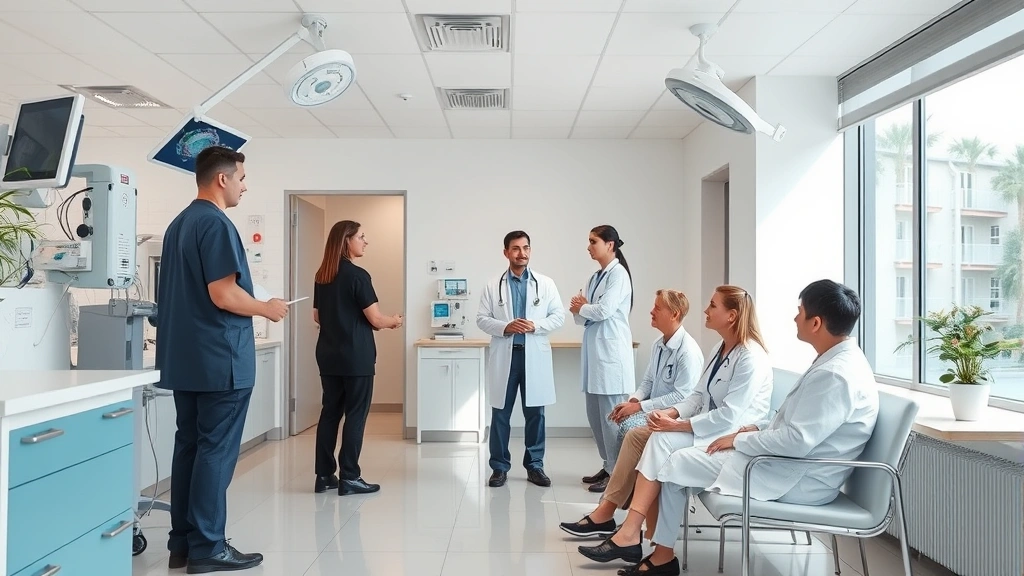
What Is Everside Health? Expert Overview
When you’re navigating the complex landscape of healthcare options, stumbling upon a company that actually prioritizes accessibility and affordability feels like finding a needle in a haystack. Everside Health has positioned itself as a modernized healthcare provider that operates differently from traditional medical establishments. But what exactly sets them apart, and should they be on your radar?
Everside Health represents a shift in how employers and employees approach workplace healthcare. Rather than waiting weeks for appointments or dealing with the bureaucratic maze of conventional medical systems, this company has engineered a model designed to meet people where they work—literally. Their on-site clinics and virtual care solutions have become increasingly relevant in today’s hybrid workforce environment.
Understanding Everside Health requires looking beyond surface-level claims. This comprehensive overview breaks down their operations, services, and real-world impact on healthcare delivery.
What Is Everside Health?
Everside Health operates as a primary care company that partners with employers to deliver healthcare services directly at the workplace. Founded on the premise that traditional healthcare systems create unnecessary friction, they’ve built an infrastructure centered around convenience and preventive care.
Think of them as a bridge between your employer and comprehensive healthcare. Rather than employees juggling insurance paperwork, deductibles, and off-site appointments, Everside brings qualified medical professionals and clinics into corporate environments. This model eliminates commute time for medical visits and reduces the administrative overhead that typically plagues healthcare interactions.
The company operates hundreds of on-site clinics across North America, staffed by nurse practitioners, physicians assistants, and doctors. They’ve also expanded into telehealth services, recognizing that not every health concern requires an in-person visit. This dual approach—combining physical clinics with digital accessibility—represents their core strategy for comprehensive care delivery.
How Everside Health Works
The mechanics behind Everside Health’s model are surprisingly straightforward, though the infrastructure supporting it is quite sophisticated. When an employer partners with Everside, they’re essentially outsourcing their occupational health and primary care services to a specialized provider.
Employees access care through several channels. The most direct route involves visiting an on-site clinic located at their workplace, where they can schedule appointments during business hours. These clinics handle everything from acute illness management to chronic disease monitoring. For non-urgent situations or follow-ups, employees can leverage Everside’s telehealth platform, connecting with clinicians via video or phone.
The financial structure differs significantly from traditional insurance models. Rather than per-visit copays or deductibles, employers typically contract with Everside on a per-employee-per-month basis. This arrangement incentivizes preventive care since Everside’s revenue doesn’t depend on treating emergencies—it benefits from keeping employees healthy and productive.
Integration with existing health plans remains seamless. Everside Health complements rather than replaces comprehensive health insurance. They focus on primary care and occupational health while other aspects of healthcare coverage remain intact through traditional insurance mechanisms.

Services and Care Options
Everside Health’s service portfolio extends beyond basic cold and flu treatment. Their clinics address a comprehensive range of health concerns that directly impact workplace productivity and employee wellbeing.
Preventive care forms the foundation of their offerings. Annual physical examinations, vaccinations, health screenings, and wellness assessments help identify potential health issues before they become serious. This proactive approach aligns with modern healthcare philosophy emphasizing prevention over treatment.
Acute care services handle immediate health concerns—respiratory infections, minor injuries, skin conditions, and gastrointestinal issues. Rather than employees missing work or visiting emergency rooms for non-critical issues, they can often receive same-day or next-day care at their workplace clinic.
Chronic disease management represents another critical service area. Employees dealing with hypertension, diabetes, asthma, or other ongoing conditions receive coordinated care, medication management, and lifestyle counseling. This continuity improves health outcomes while reducing complications that lead to lost productivity.
Mental health support has become increasingly integrated into Everside’s offerings. Recognizing the connection between psychological wellbeing and overall health, many clinics now provide counseling services or referrals to mental health specialists. This aligns with broader recognition that effective stress management at work contributes to comprehensive wellness.
Occupational health services address workplace-specific health concerns. Injury evaluations, ergonomic assessments, and work-related illness management help maintain a safe, healthy work environment. For organizations with significant occupational hazards, this expertise proves invaluable.
Telehealth capabilities expand access beyond on-site clinic hours. Employees can connect with clinicians for advice, prescription refills, or follow-up consultations without requiring workplace visits. This flexibility accommodates remote workers and employees with scheduling constraints.

Benefits for Employers
Employers partnering with Everside Health experience tangible advantages that extend beyond simple employee satisfaction metrics. The value proposition addresses core business concerns: productivity, healthcare costs, and employee retention.
Reduced absenteeism ranks among the most measurable benefits. When employees can access care conveniently at work, they’re more likely to address health concerns promptly rather than suffering through workdays or calling in sick. Quick treatment of acute illnesses prevents minor issues from escalating into extended absences.
Presenteeism—employees working while sick or dealing with health concerns—diminishes significantly with accessible on-site care. This improvement in actual workplace productivity often exceeds the financial investment employers make in Everside partnerships.
Healthcare cost management becomes more predictable with Everside’s model. Employers gain visibility into health trends affecting their workforce and can implement targeted wellness initiatives. Preventive care reduces expensive emergency room visits and hospitalizations, ultimately lowering overall healthcare expenditures.
Employee recruitment and retention improve when companies offer comprehensive workplace health services. In competitive talent markets, benefits like on-site healthcare demonstrate employer commitment to worker wellbeing. This becomes particularly relevant when considering career opportunities across different employers, similar to how healthcare career paths at major health systems attract talented professionals.
Risk management and compliance support help employers navigate occupational health regulations. Everside’s expertise in workplace health standards reduces legal exposure and ensures appropriate documentation of health-related workplace issues.
Data analytics provided through Everside partnerships give employers insights into employee health trends without compromising privacy. This information informs wellness program development and resource allocation.
The Employee Experience
From an employee perspective, Everside Health fundamentally changes how healthcare interactions feel. Rather than dreading medical appointments or avoiding care due to logistical challenges, employees encounter a more streamlined process.
Convenience stands out as the primary advantage. Scheduling appointments during work hours without travel time dramatically reduces friction. An employee can visit their workplace clinic during lunch, receive care, and return to work within an hour—something impossible with traditional healthcare arrangements.
Reduced out-of-pocket costs matter significantly for employees. Many Everside services are provided at no charge or minimal cost to employees, removing financial barriers to preventive care. This accessibility proves especially valuable for employees with lower incomes or high-deductible health plans.
Continuity of care improves when the same clinicians see employees regularly. Building relationships with healthcare providers who understand individual health histories and workplace context leads to better-informed clinical decisions and more personalized care recommendations.
Privacy and workplace dynamics require careful navigation. Some employees feel uncomfortable discussing certain health issues in a workplace setting, even with confidential clinics. Everside addresses this through telehealth options and clear privacy protocols, though individual preferences vary.
Mental health support through workplace clinics helps destigmatize psychological wellbeing discussions. Employees struggling with stress or anxiety can access support more easily, though some may still prefer external providers for privacy reasons. Understanding how to support mental health in professional environments remains an ongoing consideration for workplace health programs.
Context Within Healthcare Industry
Everside Health operates within a broader transformation of occupational medicine and workplace healthcare. Understanding this context clarifies their role and competitive positioning.
The shift toward employer-sponsored primary care reflects dissatisfaction with traditional healthcare accessibility. Long wait times, fragmented care coordination, and geographic barriers have driven innovation. Companies like Everside capitalize on these pain points by offering integrated solutions.
Telehealth expansion accelerated dramatically post-pandemic, and Everside has positioned itself within this evolution. However, they distinguish themselves through hybrid models combining in-person and virtual care rather than relying solely on digital platforms.
Comparison with other healthcare providers reveals important distinctions. While rehabilitation-focused facilities like Encompass Health Rehabilitation Hospital specialize in post-acute care, Everside concentrates on primary care and prevention. Similarly, large health systems like Henry Ford Health operate comprehensive networks, whereas Everside focuses specifically on workplace healthcare integration.
Industry consolidation continues affecting healthcare delivery. Recent changes in major health companies demonstrate how the healthcare landscape constantly evolves. Everside’s specialized focus on employer partnerships provides a distinct niche that remains relevant despite broader industry shifts.
Regulatory environment considerations shape Everside’s operations. They must comply with healthcare licensing requirements, HIPAA privacy regulations, and occupational health standards. This compliance infrastructure adds complexity but also credibility to their operations.
Research on workplace healthcare models shows promising outcomes. Studies demonstrate that on-site primary care reduces healthcare costs, improves employee health metrics, and increases workforce productivity. Everside’s expansion reflects validation of these findings by employers seeking evidence-based healthcare solutions.
Frequently Asked Questions
Is Everside Health an insurance company?
No, Everside Health is not an insurance provider. They operate as a primary care and occupational health service provider. Employees maintain their existing health insurance coverage while Everside supplements primary care services, typically at no additional out-of-pocket cost.
How much does Everside Health cost employers?
Everside Health uses a per-employee-per-month model, with costs varying based on employee population size, clinic services, and geographic location. Employers typically negotiate contracts based on their specific needs and workforce composition. The investment generally proves cost-effective when considering reduced absenteeism and healthcare savings.
Can remote employees access Everside Health services?
Yes, remote employees can access telehealth services provided through Everside’s digital platform. However, on-site clinic services require physical workplace presence. Many employers with hybrid workforces leverage both options to accommodate different work arrangements.
What happens if I need specialist care?
Everside Health clinicians refer patients to appropriate specialists when needed. While Everside focuses on primary care, they coordinate with specialist networks and help facilitate referrals. Your existing health insurance typically covers specialist visits through standard processes.
Is my health information kept private at a workplace clinic?
Yes, workplace clinics operate under strict HIPAA privacy protections identical to traditional healthcare settings. Patient confidentiality is legally mandated and enforced. However, employers may receive aggregate health data (non-identifying trends) to inform wellness programs.
How does Everside Health compare to traditional occupational health services?
Traditional occupational health typically focuses narrowly on workplace injuries and compliance requirements. Everside Health expands this scope to include comprehensive primary care, preventive services, and chronic disease management—providing broader health support beyond occupational concerns.
What if my employer doesn’t offer Everside Health?
Everside Health services are only available through employer partnerships. If your employer doesn’t currently partner with Everside, you might suggest it to your HR department. Alternatively, you can access primary care through traditional healthcare channels or other workplace wellness programs your employer offers.
Does Everside Health replace my regular doctor?
Everside Health can serve as your primary care provider, but you maintain the option to continue with external physicians. Many employees use Everside clinics for convenient, routine care while maintaining relationships with personal doctors for continuity or specific health needs.