

First Health Urgent Care: What to Expect
When health issues strike outside regular business hours or you need immediate attention without the emergency room wait, urgent care facilities like First Health Urgent Care become your lifeline. But if you’ve never visited one before, the experience might feel unfamiliar or even intimidating. Understanding what happens from the moment you walk through those doors can transform your visit from stressful to straightforward.
Urgent care centers occupy a unique space in the healthcare landscape—they’re faster than traditional doctor’s offices but less intensive than emergency rooms. They handle everything from sprained ankles to minor infections, making them the go-to choice for millions of Americans annually. Whether you’re dealing with a sudden illness, minor injury, or need quick medical guidance, knowing what to expect can help you navigate the experience with confidence.
This comprehensive guide walks you through every aspect of visiting a First Health Urgent Care facility, from check-in procedures to aftercare recommendations. We’ll cover the types of conditions they treat, what to bring, how long you’ll typically wait, and practical tips to make your visit as efficient as possible.
What Is Urgent Care and How Does It Work?
Urgent care centers represent a middle ground in the healthcare delivery system. Unlike emergency rooms designed for life-threatening situations, urgent care facilities handle non-emergency medical issues that still require prompt attention. They’re typically staffed with physicians, nurse practitioners, and physician assistants who can diagnose and treat a wide range of conditions quickly and efficiently.
The primary advantage of urgent care is accessibility. Most facilities operate extended hours, including evenings and weekends, making them convenient when your primary care physician isn’t available. Urgent care centers like First Health have streamlined operations designed to minimize wait times while maintaining quality care. The average visit typically lasts 30-60 minutes from check-in to discharge, though this varies depending on the complexity of your condition.
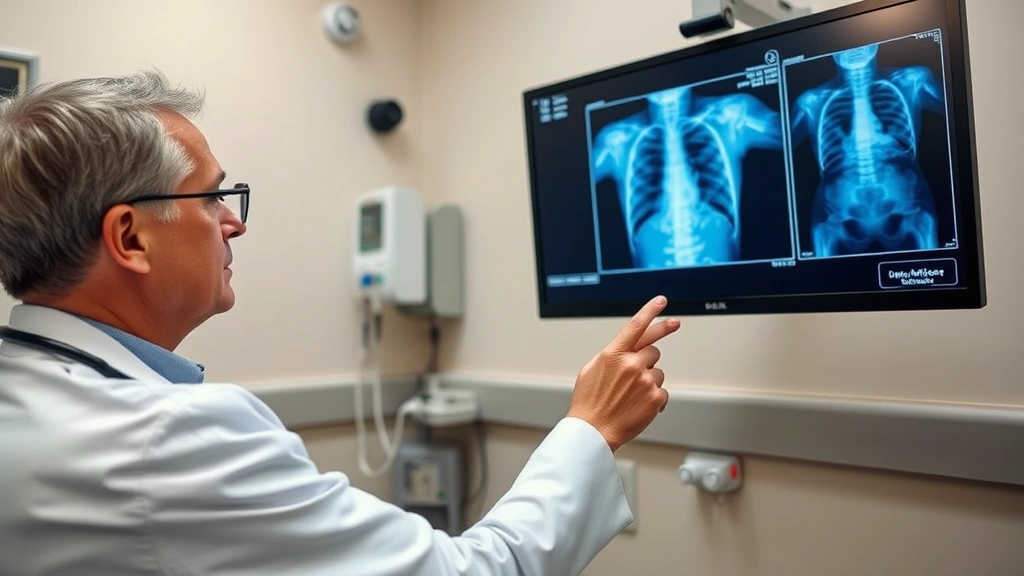
First Health Urgent Care specifically focuses on providing accessible healthcare without the bureaucratic burden of larger hospital systems. Their facilities are equipped with basic diagnostic tools including X-ray machines, EKG equipment, and laboratory capabilities for rapid testing. This means many conditions can be diagnosed and treated on-site without referrals or additional appointments.
The operational model emphasizes efficiency without sacrificing care quality. Staff members are trained to triage patients quickly, ensuring those with more urgent needs are seen first. However, this doesn’t mean you’ll be rushed through your appointment—providers take adequate time to understand your symptoms and provide appropriate treatment recommendations.

Common Conditions Treated at Urgent Care
First Health Urgent Care handles an impressive range of medical issues. Understanding what falls within their scope helps you determine whether urgent care is appropriate for your situation or if you need emergency services.
Acute Injuries and Minor Trauma: Sprains, strains, minor fractures, and contusions are bread-and-butter cases for urgent care. They can typically diagnose these through physical examination and X-rays, provide immediate treatment, and refer you to orthopedic specialists if needed. If you’re struggling with posture issues from an old injury, you might also explore how to improve posture for long-term management.
Respiratory Infections: Colds, flu, bronchitis, and mild pneumonia are frequently treated at urgent care. They can perform rapid flu and COVID-19 tests, prescribe appropriate medications, and provide guidance on recovery. For mild cold symptoms, you might also consider home remedies for cold in conjunction with professional advice.
Skin Conditions: Minor cuts, burns, rashes, and infections can be evaluated and treated quickly. They can assess whether wounds need stitches, provide wound care, and prescribe topical or oral medications as needed.
Gastrointestinal Issues: Nausea, vomiting, diarrhea, and abdominal pain that doesn’t suggest appendicitis or other emergencies can be managed at urgent care. They can provide IV fluids for dehydration and anti-nausea medications. Staying hydrated is crucial during recovery—learning about the benefits of drinking water can support your healing process.
Urinary Tract Infections: UTIs can be diagnosed through urinalysis and treated with appropriate antibiotics, typically with same-day results and relief.
Infections and Fever: Ear infections, sinus infections, and minor bacterial infections can be diagnosed and treated. Providers can prescribe antibiotics when appropriate and recommend symptom management strategies.
Minor Lacerations: Cuts requiring stitches or surgical glue are routinely handled at urgent care with proper wound closure and aftercare instructions.
Allergic Reactions: Non-severe allergic reactions can be managed with medications and observation to ensure symptoms don’t escalate.
What urgent care doesn’t treat includes severe trauma, chest pain, difficulty breathing, loss of consciousness, severe allergic reactions, or any condition suggesting a life-threatening emergency. In those cases, call 911 or go directly to an emergency room.
Before You Arrive: Preparation Tips
Arriving prepared at First Health Urgent Care can significantly streamline your visit and ensure providers have all necessary information to treat you effectively.
Gather Your Documentation: Bring your insurance card, photo ID, and any relevant medical records. If you’re a new patient, arrive 10-15 minutes early to complete paperwork. Established patients can often check in online through their patient portal, reducing wait time.
List Your Medications: Compile a current list of all medications, supplements, and vitamins you’re taking. Include dosages and frequency. This prevents dangerous drug interactions and helps providers understand your medical history.
Note Your Symptoms: Before arriving, jot down when symptoms started, their severity, what makes them better or worse, and any treatments you’ve already tried. This information helps providers diagnose more accurately and efficiently.
Prepare Questions: Think about what you need to know. Do you need a work note? Should you follow up with your primary care physician? Are there specific concerns about your condition? Writing these down ensures you don’t forget important questions during your visit.
Consider Your Payment Method: While insurance typically covers urgent care visits, you may have a copay or deductible. Bring a payment method for any out-of-pocket costs.
Dress Appropriately: Wear comfortable, loose-fitting clothing that allows easy access to affected areas. If you have a joint injury, avoid tight jeans or restrictive clothing that might complicate examination.
If you’re visiting Family Health Center at 26 Queen St Worcester MA or another First Health location, check their website beforehand for specific requirements or current wait times.
The Check-In Process
The check-in experience at First Health Urgent Care is designed to be quick and efficient. Upon arrival, you’ll approach the front desk where staff will verify your identity and insurance information. Many facilities now offer digital check-in options through mobile apps or kiosks, further reducing paperwork.
You’ll be asked about the reason for your visit, current symptoms, and any known allergies. This information is entered into their electronic health record system. If you’ve visited before, your previous medical history is immediately accessible to providers, reducing redundant questioning.
After check-in, you’ll be called to the waiting area. Wait times vary based on patient volume and condition severity. While triage occurs at check-in, more urgent cases are prioritized. Someone with chest pain, for example, would be seen before someone with a minor rash, regardless of arrival order.
Most facilities display estimated wait times, and staff can provide updates if delays occur. Use this time to review your symptom list or relax. Many urgent care centers have comfortable seating, water stations, and entertainment options.
What Happens During Your Visit
Once called back, you’ll be escorted to an examination room. A medical assistant typically takes vital signs—temperature, blood pressure, heart rate, and respiration rate—and records your chief complaint. They may perform initial assessments like throat cultures or blood pressure checks.
The provider then enters for a focused history and physical examination. They’ll ask detailed questions about your symptoms, relevant medical history, and current medications. The physical exam is targeted to your complaint—if you have a sore throat, they’ll examine your throat and lymph nodes; if you have ankle pain, they’ll assess the joint’s range of motion and stability.
Based on these findings, the provider may order diagnostic tests. X-rays are common for suspected fractures or certain respiratory conditions. Blood tests or urinalysis can diagnose infections or other conditions. Many results are available within minutes, allowing providers to make treatment decisions during your visit.
Once a diagnosis is established, the provider discusses treatment options. This might include medications, wound care, physical therapy recommendations, or lifestyle modifications. They’ll explain your condition in understandable terms and answer questions thoroughly.
For medication prescriptions, many urgent care facilities have on-site pharmacies or can send prescriptions directly to your preferred pharmacy. You’ll receive clear instructions on medication use, potential side effects, and when to seek additional care.
Before leaving, you’ll receive aftercare instructions. These typically include activity restrictions, wound care guidelines, medication schedules, and red flag symptoms requiring emergency attention. Don’t hesitate to ask for written instructions—having documentation helps you remember details later.
Understanding Costs and Insurance
Cost is often a concern when seeking urgent care. Understanding the financial aspects helps you make informed decisions and avoid unexpected bills.
Insurance Coverage: Most insurance plans, including Medicare and Medicaid, cover urgent care visits. Your responsibility typically includes a copay (usually $25-$75) and any applicable deductible. If you haven’t met your deductible, you may pay more out-of-pocket. Contact your insurance provider beforehand if you’re concerned about coverage.
Self-Pay Options: Uninsured patients should ask about cash-pay rates, which are often discounted compared to insurance billing. Many urgent care facilities offer transparent pricing and payment plans for larger bills.
What’s Included: Your visit fee typically covers provider evaluation and basic services. Additional charges may apply for X-rays, laboratory tests, injections, or wound closure. Ask about these costs upfront when possible.
Billing and Follow-Up: You’ll receive an itemized bill after your visit. Review it carefully for accuracy. If questions arise, contact the billing department. Some facilities offer patient portals where you can view billing information online.
Facilities like FHE Health often provide transparent pricing information on their websites and during intake, helping you understand potential costs before treatment begins.
Post-Visit Care and Follow-Up
Your urgent care visit is just the beginning of your recovery journey. Proper aftercare significantly impacts your healing and prevents complications.
Follow Provided Instructions: Adhere strictly to medication schedules, activity restrictions, and wound care guidelines. These aren’t suggestions—they’re evidence-based recommendations optimizing your recovery.
Monitor for Red Flags: You’ll receive information about symptoms requiring emergency attention. These might include increased pain, fever, difficulty breathing, or signs of infection. Don’t ignore these warning signs—seek immediate care if they develop.
Primary Care Follow-Up: For many conditions, urgent care providers recommend scheduling an appointment with your primary care physician within a week. This ensures continuity of care and allows for more comprehensive evaluation if needed.
Medication Management: Take all prescribed medications as directed, even if you feel better. Stopping antibiotics early, for example, can lead to resistant infections. If side effects develop, contact your provider rather than stopping medication independently.
Rest and Recovery: Don’t rush back to normal activities. If you’re advised to rest for three days, honor that recommendation. Pushing too hard too soon can worsen conditions or delay healing.
Hydration and Nutrition: Support your immune system through proper hydration and nutrition. Understanding the benefits of drinking water becomes especially relevant during recovery from infections or injuries.
Document Your Visit: Keep records of your urgent care visit, including diagnosis, treatments provided, and provider recommendations. This documentation proves valuable for future medical appointments and insurance claims.
Seek Specialist Care if Needed: If urgent care providers recommend specialist evaluation, schedule that appointment promptly. Delaying specialist care can allow conditions to progress unnecessarily.
Frequently Asked Questions
How long does a typical urgent care visit take?
Most urgent care visits last 30-60 minutes from check-in to discharge. However, this varies based on condition complexity and facility volume. Simple issues like minor cuts or flu tests might take 20 minutes, while conditions requiring multiple tests or procedures could take longer. Checking wait times online before arrival helps manage expectations.
Can I use urgent care instead of my regular doctor?
Urgent care is designed for acute, temporary issues, not ongoing primary care. While you can visit urgent care for immediate concerns, maintaining a relationship with a primary care physician is important for preventive care, chronic disease management, and comprehensive health oversight. Urgent care should complement, not replace, regular medical care.
Will urgent care refer me to specialists?
Yes, urgent care providers regularly refer patients to specialists when conditions warrant further evaluation or treatment. They’ll provide referral information and may send medical records directly to specialists. However, follow-up appointments are your responsibility to schedule.
Can I bring a friend or family member to my appointment?
Most urgent care facilities allow one support person in examination rooms. This is especially helpful for elderly patients, children, or those with language barriers. Ask staff about their specific policies when you arrive.
What if my condition worsens after leaving urgent care?
You should receive clear instructions about when to seek emergency care. If your condition deteriorates—increasing pain, fever, difficulty breathing, or other red flag symptoms—seek immediate emergency care. Call 911 if you believe it’s life-threatening.
Do urgent care facilities keep medical records?
Yes, urgent care facilities maintain electronic health records. These are typically accessible to you and can be shared with other healthcare providers with your permission. Request copies if you need them for personal records or other medical appointments.
Can I get a work or school note from urgent care?
Absolutely. Ask your provider for a work or school note before leaving. They can document your condition, recommended rest period, and activity restrictions. This documentation is important for your employer or school.
What should I do if I disagree with the diagnosis or treatment plan?
Communicate your concerns directly with the provider. They can explain their reasoning and address your questions. If you remain uncomfortable, you can request a second opinion from your primary care physician or another healthcare provider. Never ignore medical advice without seeking alternative professional guidance.
Are there conditions urgent care absolutely won’t treat?
Yes. Life-threatening emergencies including severe chest pain, difficulty breathing, loss of consciousness, severe allergic reactions, severe trauma, or anything suggesting a heart attack or stroke requires emergency room care. When in doubt about severity, call 911.
How do I find the nearest First Health Urgent Care location?
Visit First Health’s website or use their location finder tool. You can also search online for urgent care facilities near you. Many insurance websites list in-network urgent care providers, which can help minimize out-of-pocket costs.