

Global Health Strategies: Expert Analysis and Implementation in 2024
The landscape of global health has fundamentally shifted. What once seemed like distant concerns—pandemics, healthcare accessibility, mental wellness—now directly impact our daily lives across continents. Yet despite increased awareness, many nations still operate in silos when it comes to health policy and disease prevention. The real question isn’t whether we need global health strategies, but how to make them work effectively when geopolitics, economics, and cultural differences constantly threaten coordination.
This comprehensive analysis explores the current state of global health initiatives, the challenges that derail even the best-intentioned programs, and the practical strategies that leading health organizations are implementing today. Whether you’re a healthcare professional, policy maker, or simply someone interested in understanding how the world’s health systems interconnect, this deep dive reveals what’s actually working—and what desperately needs reform.
The Current State of Global Health Infrastructure
Global health infrastructure resembles a patchwork quilt—beautiful in concept, but with significant gaps that leave vulnerable populations exposed. The World Health Organization estimates that nearly 4.5 billion people lack reliable access to essential health services. That’s not a statistic; that’s humanity’s current reality.
The infrastructure crisis stems from multiple sources. Funding disparities remain staggering: high-income countries spend approximately $5,000 per capita on healthcare annually, while low-income nations spend under $200. This isn’t just about numbers on spreadsheets—it translates directly into preventable deaths, untreated diseases, and systems that collapse under minimal pressure.
What’s particularly troubling is how recent developments have complicated coordination efforts. Policy shifts affecting health agencies’ communications demonstrate how quickly institutional momentum can stall, even among wealthy nations with established infrastructure. When communication channels between major health organizations break down, the ripple effects cascade through global initiatives that depend on coordinated action.
Despite these obstacles, some regions show promising progress. The African Union’s commitment to strengthening continental healthcare systems, Southeast Asia’s collaborative disease surveillance networks, and Europe’s integrated health policies offer blueprints for what coordinated effort can achieve. The key insight: infrastructure improvements require sustained political will, not just financial investment.

Understanding Modern Health Challenges Across Borders
Today’s health challenges operate on a global stage whether we like it or not. Infectious diseases don’t recognize borders. Chronic conditions follow economic patterns. Mental health crises intensify in regions experiencing political instability or economic collapse. Understanding these interconnections is prerequisite to developing effective strategies.
The COVID-19 pandemic starkly illustrated how quickly a localized outbreak becomes a planetary emergency. But it also revealed something more nuanced: the countries that managed the crisis most effectively combined strong local infrastructure with international cooperation. New Zealand’s initial response, South Korea’s testing strategies, and Rwanda’s vaccine distribution programs all demonstrated that scale matters less than strategic thinking and execution.
Infectious disease surveillance has evolved dramatically. Real-time data sharing, genetic sequencing of pathogens, and predictive modeling now allow health organizations to anticipate outbreaks rather than merely react to them. The CDC’s global surveillance networks track emerging threats continuously, providing early warning systems that save millions of lives annually.
Yet emerging threats continue multiplying. Antimicrobial resistance—bacteria developing immunity to antibiotics—poses an existential threat that receives inadequate attention. Dengue, malaria, and other vector-borne diseases expand their geographic range as climate patterns shift. Chronic diseases like diabetes and hypertension now kill more people globally than infectious diseases, requiring fundamentally different intervention strategies.
The psychological toll of global health challenges deserves particular attention. Understanding the nuances of essential mental health awareness facts helps contextualize why mental wellness must be integrated into broader health strategies rather than treated as a separate concern. When populations experience chronic stress from healthcare insecurity or disease burden, mental health outcomes deteriorate inevitably.
Evidence-Based Strategies That Drive Results
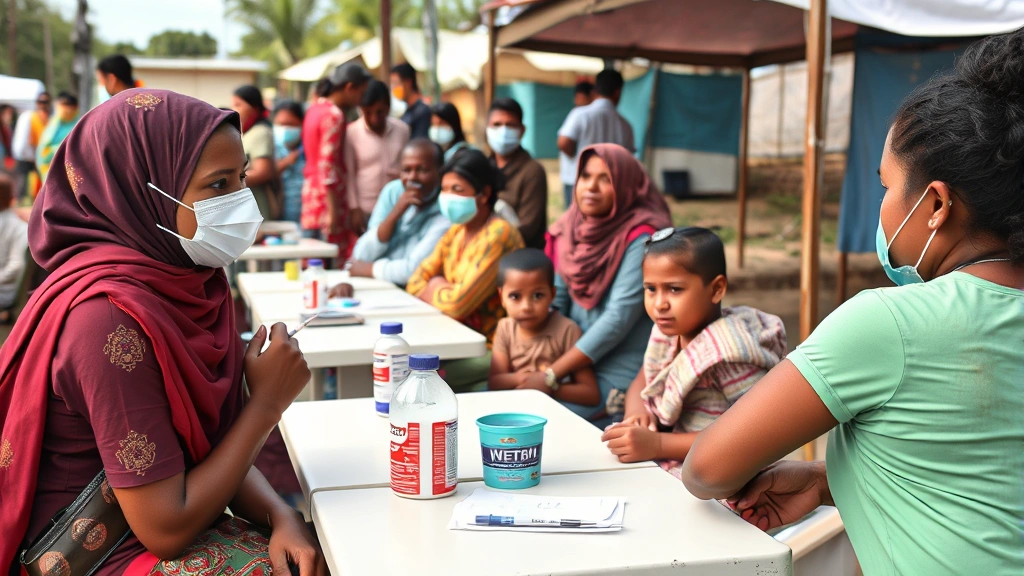
Effective global health strategies share common characteristics regardless of geography or specific focus. They’re grounded in evidence, adaptable to local contexts, and designed with community input rather than imposed from above.
Primary healthcare strengthening remains the foundation upon which everything else builds. The WHO’s primary healthcare framework emphasizes preventive care, health education, and accessible services at the community level. Countries implementing comprehensive primary healthcare—including vaccination programs, prenatal care, and basic nutrition services—consistently achieve better health outcomes at lower cost than systems focused exclusively on treating advanced disease.
Vaccination campaigns exemplify what coordinated global strategy can accomplish. The near-eradication of polio, the elimination of smallpox, and declining rates of measles demonstrate that when resources align with scientific evidence and political commitment, remarkable progress happens. Yet vaccine hesitancy in some regions shows that science alone doesn’t drive behavior; trust, communication, and community engagement matter equally.
Maternal and child health improvements showcase how targeted investment yields measurable results. Trained birth attendants, access to emergency obstetric care, and basic neonatal interventions have reduced maternal mortality by over 40% globally since 2000. That’s not theoretical progress—that’s millions of women alive today because of strategic health interventions.
Nutrition programs reveal the interconnection between health and sustainability. Understanding plant-based diet benefits isn’t merely about individual wellness; it connects to global food security, agricultural sustainability, and disease prevention. Populations consuming plant-forward diets show lower rates of chronic disease while reducing environmental pressure on resources needed for vulnerable populations.
Mental health integration into primary healthcare represents a crucial frontier. Rather than maintaining separate mental health systems accessible only to wealthy populations, integrating psychological support into routine healthcare visits increases access dramatically. Training primary care providers to recognize and manage depression, anxiety, and trauma-related conditions extends mental health services to populations that would otherwise lack access.
Mental Health: The Overlooked Global Priority
Mental health remains the most underfunded component of global health despite affecting over 1 billion people worldwide. The stigma surrounding psychological conditions, combined with resource scarcity, creates a situation where most people experiencing mental illness receive no treatment whatsoever.
This oversight carries enormous consequences. Untreated depression reduces workplace productivity, exacerbates physical health conditions, and increases suicide risk. Anxiety disorders interfere with healthcare-seeking behaviors, meaning people delay treatment for physical ailments. Trauma responses shape entire communities’ health trajectories in conflict zones and disaster-affected regions.
Recognizing when mental health awareness becomes a priority varies globally, but knowing when men’s mental health month occurs provides a cultural touchstone for broader conversations. These awareness periods, while sometimes dismissed as performative, create opportunities for frank discussion about challenges that disproportionately affect specific populations.
Global strategies addressing mental health must account for cultural variations in how psychological distress manifests and how communities prefer to address it. Cognitive behavioral therapy works effectively in some contexts but may feel culturally inappropriate in others. Community-based healing practices, traditional medicine approaches, and peer support systems deserve integration into mental health strategies rather than dismissal as unscientific.
The economic argument for mental health investment proves compelling: every dollar invested in mental health treatment returns approximately four dollars in improved productivity and reduced healthcare costs. Yet global mental health spending remains under 2% of total health budgets, a disparity that reflects historical bias rather than epidemiological necessity.
Sustainable Approaches to Healthcare Equity
Healthcare equity isn’t simply about access; it’s about outcomes. Two people with identical diagnoses might experience vastly different treatment quality, survival rates, and long-term health depending on where they live, their income level, and their demographic characteristics. Addressing this requires strategic intervention at multiple levels.
Environmental factors profoundly influence health outcomes. Reducing your carbon footprint through practical steps isn’t separate from health equity—it’s foundational. Communities in low-income regions suffer disproportionately from air pollution, contaminated water, and environmental toxins while contributing minimally to the problem. Global health strategies must address these environmental injustices directly.
Workplace health and safety considerations extend beyond individual responsibility. Health and safety executive standards in schools represent one crucial domain, but industrial workers, agricultural laborers, and informal economy participants often lack basic protections. Strengthening occupational health standards globally would prevent millions of injuries and illnesses annually.
Healthcare financing represents perhaps the most critical equity lever. Universal health coverage—ensuring all people access essential health services without financial hardship—remains elusive for billions. Countries that have implemented universal systems report better population health outcomes and lower overall costs through preventive care emphasis and elimination of profit-driven inefficiencies.
Training and deploying healthcare workers equitably presents ongoing challenges. Medical professionals concentrate in wealthy nations while underserved regions experience severe shortages. Strategic training programs for community health workers, nurse practitioners, and other mid-level providers can extend services to remote areas more cost-effectively than requiring full physician presence everywhere.
Technology and Data: The New Frontiers
Digital health technologies have democratized access to health information and services in remarkable ways. Telemedicine platforms connect patients in rural areas with specialists. Mobile health applications deliver medication reminders and health education. Electronic health records enable coordinated care across providers.
Yet technology adoption reveals profound equity gaps. In low-income countries, limited internet infrastructure, electricity unreliability, and device cost create barriers that wealthier populations never encounter. Global health strategies must account for these realities rather than assuming universal tech adoption.
The National Center for Biotechnology Information demonstrates how open-access research databases accelerate global health knowledge sharing. When scientists and practitioners worldwide can access peer-reviewed research without subscription fees, innovation accelerates and evidence-based practices spread more rapidly.
Artificial intelligence and machine learning offer genuine promise for diagnostic support, drug discovery, and population health prediction. AI systems trained on diverse datasets can identify disease patterns that human clinicians might miss. Yet AI bias—where algorithms perform poorly for underrepresented populations—threatens to amplify existing inequities if not carefully managed.
Data privacy and security present genuine tensions in global health. Sharing patient data enables better public health surveillance and research, yet individuals deserve protection from exploitation. Building trust in data systems requires transparency, robust security, and community consent processes that respect cultural values around information sharing.
Implementing Change at Institutional Levels
Developing sound global health strategies means little without implementation mechanisms. Moving from policy to practice requires coordinated action across governments, international organizations, civil society, and private sector entities.
Political commitment proves essential but insufficient. Many countries have adopted universal health coverage policies that remain unfunded or poorly implemented. Sustainable change requires sustained investment, trained personnel, and accountability systems that measure outcomes rather than merely counting inputs.
Partnership models that balance power between wealthy and less-wealthy nations remain underdeveloped. Historically, global health initiatives have operated with wealthy nations setting priorities and funding models, then expecting less wealthy nations to implement accordingly. More equitable approaches involve co-design with affected communities and shared decision-making about resource allocation.
Workforce development represents a critical implementation challenge. Healthcare workers require ongoing education to maintain competence as evidence evolves. Yet professional development remains inaccessible in many regions. Investing in healthcare worker training, mentorship programs, and continuing education systems strengthens capacity at the local level where it matters most.
Monitoring and evaluation systems track whether strategies actually improve health outcomes. Too many global health initiatives rely on process metrics—did we conduct the training? were the supplies distributed?—without measuring whether these activities changed health trajectories. Rigorous evaluation, though costly, reveals what works and allows resources to flow toward effective interventions.
Building resilient health systems capable of responding to novel threats requires redundancy, flexibility, and continuous improvement. The COVID-19 pandemic revealed how quickly centralized systems collapse when demand spikes. Distributed networks, trained rapid-response teams, and surge capacity planning create systems that flex under pressure rather than fracture.
Frequently Asked Questions
What defines a global health strategy versus traditional public health?
Global health strategies explicitly address health challenges that cross national borders and require international cooperation. They recognize that health outcomes in one region influence others, particularly regarding infectious diseases, environmental factors, and knowledge sharing. Traditional public health focuses primarily on health within specific geographic or political boundaries.
How do cultural differences affect global health strategy implementation?
Culture profoundly influences health beliefs, treatment preferences, and communication styles. Effective global strategies recognize these differences rather than imposing standardized approaches. A vaccination campaign succeeds when it respects community decision-making processes. Mental health services work better when they incorporate culturally appropriate healing practices. Successful implementation requires genuine partnership with communities, not top-down directives.
What role do non-governmental organizations play in global health?
NGOs often provide services in regions where government capacity is limited, pilot innovative approaches that governments later scale, and advocate for policy changes. They bring flexibility, community trust, and specialized expertise. However, the proliferation of NGOs sometimes creates fragmentation rather than coordination. Effective global strategies integrate NGO work within broader coordination frameworks rather than treating them as separate entities.
How can individual countries balance national health priorities with global responsibilities?
This tension exists genuinely—countries must prioritize their citizens’ health while recognizing that infectious disease control in one nation protects others, and that healthcare innovation anywhere benefits everyone. The answer involves enlightened self-interest: investing in global health capacity strengthens disease surveillance networks, expands markets for health innovations, and builds diplomatic relationships that support other national interests.
What’s the relationship between economic development and health outcomes?
Wealthy nations generally achieve better health outcomes, but the relationship isn’t perfectly linear. Middle-income countries with strong primary healthcare systems sometimes achieve better outcomes than wealthier nations with fragmented systems. Costa Rica and Vietnam exemplify how strategic healthcare investment yields impressive health metrics despite modest GDP. Conversely, some wealthy nations show worse outcomes for specific populations due to inequality and discrimination.
How do global health strategies address emerging infectious diseases?
Modern surveillance systems detect novel pathogens quickly through genetic sequencing and epidemiological investigation. Coordinated international response involves rapid information sharing, development of diagnostic tests, and planning for vaccine or treatment development. However, geopolitical tensions sometimes delay response—countries may conceal outbreak information to avoid economic consequences or restrict access to samples needed for research. Effective strategies build trust and establish clear protocols that protect both public health and national interests.