

Health and Safety Executive in Schools: Expert Guide
Running a school isn’t just about lesson plans and report cards. Behind every successful educational institution stands a crucial figure whose job often goes unnoticed: the health and safety executive in schools. This professional tackles the complex responsibility of protecting students, staff, and visitors from potential hazards while ensuring compliance with ever-evolving regulations. It’s a role that demands vigilance, expertise, and an unwavering commitment to creating secure learning environments.
Whether you’re considering this career path, currently holding this position, or simply curious about what keeps schools safe, understanding the scope of this role is essential. A health and safety executive doesn’t just check boxes on compliance forms—they’re architects of prevention, educators about risk, and advocates for institutional wellness. The stakes are incredibly high, and so is the impact when done right.
This guide explores the multifaceted world of school health and safety leadership, breaking down responsibilities, required skills, career pathways, and practical strategies that make the difference between a school that merely meets standards and one that genuinely protects its community.
What Does a Health and Safety Executive Do?
A health and safety executive in schools operates at the intersection of education, law, and human welfare. These professionals are responsible for developing, implementing, and overseeing comprehensive safety programs that address physical, mental, and environmental health concerns. Their work spans from managing fire evacuation procedures to addressing workplace ergonomics and psychological well-being.
The role extends beyond traditional safety concerns. Modern school health and safety executives must understand cybersecurity threats, mental health crises, pandemic protocols, and inclusive accessibility standards. They’re essentially guardians of holistic institutional health, working to anticipate problems before they become emergencies.
What makes this role particularly challenging is its interdisciplinary nature. A health and safety executive must speak the language of administrators, understand teachers’ concerns, communicate with legal teams, and connect with students and parents. This requires exceptional communication skills that enable them to translate complex safety protocols into actionable guidance everyone understands.
Core Responsibilities and Daily Tasks
The daily reality of a health and safety executive involves a carefully balanced portfolio of strategic planning and immediate problem-solving. Here’s what typically fills their workday:
- Risk Assessment Audits: Regular inspections of facilities, equipment, and procedures to identify potential hazards before incidents occur
- Policy Development: Creating and updating safety protocols that align with current regulations and institutional needs
- Training Programs: Designing and delivering safety education for staff, students, and sometimes parents
- Incident Investigation: Thoroughly examining accidents or safety breaches to determine root causes and prevent recurrence
- Regulatory Compliance: Ensuring the school meets all local, state, and federal safety requirements
- Documentation Management: Maintaining detailed records of inspections, incidents, training, and corrective actions
- Stakeholder Communication: Keeping administrators, staff, and parents informed about safety initiatives and concerns
- Emergency Planning: Developing and regularly testing protocols for fires, natural disasters, medical emergencies, and active threats

Beyond these structured responsibilities, health and safety executives must remain perpetually alert. A concerning observation during a hallway walk, an unusual pattern in incident reports, or emerging information about a new threat requires immediate investigation and potential action. This constant vigilance can be mentally demanding, making stress management an often-overlooked but essential skill for professionals in this field.
Required Qualifications and Certifications
Entry into this profession typically requires a foundation in health, safety, or a related field, but the specific pathways vary. Most positions require at least a bachelor’s degree, often in occupational health and safety, public health, education administration, or environmental science. However, some professionals transition into this role from nursing, facilities management, or human resources backgrounds.
Professional certifications significantly enhance credibility and marketability. The Certified Safety Professional (CSP) credential is widely recognized and demonstrates comprehensive knowledge of safety management principles. Other valuable certifications include:
- Certified Occupational Health and Safety Technologist (COHST)
- Certified Health and Safety Auditor (CHSA)
- First Aid and CPR certifications
- OSHA 30-Hour Construction or General Industry Card
- Certified Emergency Manager (CEM)
- Crisis Prevention Institute (CPI) Training for de-escalation techniques
Beyond formal credentials, successful health and safety executives possess strong analytical abilities, attention to detail, and deep knowledge of relevant regulations. Many pursue continuing education to stay current with evolving threats and best practices. Understanding health administration jobs landscape also helps professionals contextualize their role within broader institutional health initiatives.
Creating a Safety Culture in Educational Settings
The most effective health and safety executives understand that compliance alone doesn’t create truly safe schools. What’s needed is a genuine safety culture—an environment where everyone, from custodial staff to administrators, views safety as a shared responsibility and core value.
Building this culture requires intentional effort:
- Leadership Commitment: The executive must secure visible support from school leadership, demonstrating that safety isn’t an afterthought but a priority equal to academic excellence
- Clear Communication: Regular updates about safety initiatives, incidents (when appropriate), and improvements help keep safety visible in the institutional consciousness
- Inclusive Planning: Involving teachers, staff, students, and parents in safety discussions ensures diverse perspectives and increases buy-in
- Recognition and Rewards: Acknowledging individuals and departments that demonstrate strong safety practices reinforces desired behaviors
- Continuous Improvement: Viewing safety as an evolving process rather than a static checklist encourages ongoing refinement
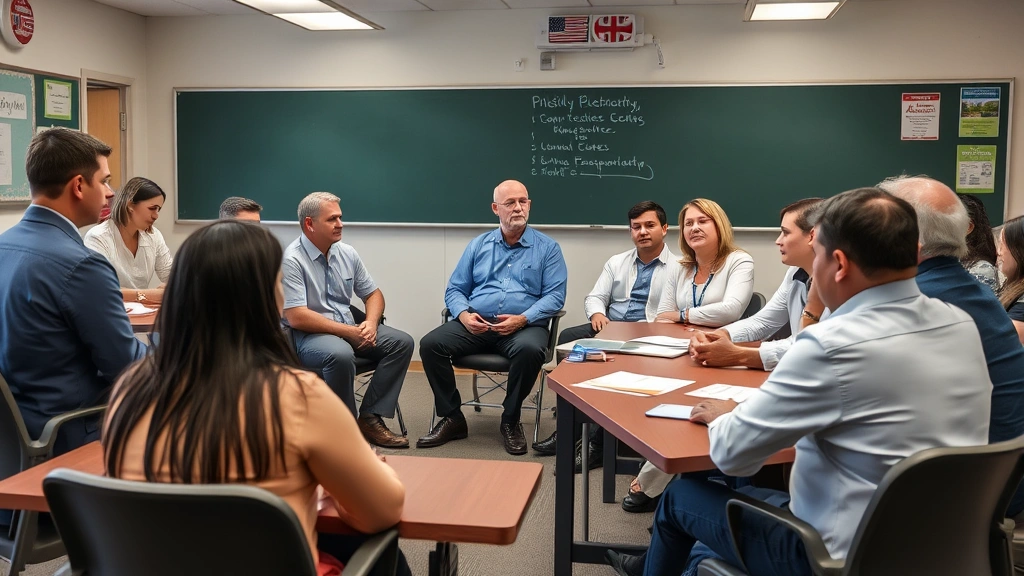
Creating this culture also means addressing the emotional and psychological dimensions of safety. Staff who feel supported and valued are more likely to report concerns. Students who understand why safety matters are more cooperative during drills. Parents who see genuine commitment to protection are more likely to partner with the school on safety initiatives. This human-centered approach, combined with rigorous systems thinking, distinguishes exceptional health and safety executives from merely adequate ones.
Risk Assessment and Management Strategies
Risk assessment forms the backbone of effective school safety management. This process involves systematically identifying potential hazards, evaluating the likelihood and severity of harm, and implementing controls to reduce risk to acceptable levels.
Effective risk assessment considers multiple categories:
- Physical Hazards: Slippery floors, broken equipment, inadequate lighting, poor ergonomics
- Chemical Hazards: Improper storage of cleaning supplies, laboratory chemicals, or maintenance materials
- Biological Hazards: Foodborne illness risks, communicable disease transmission, bloodborne pathogens
- Environmental Hazards: Air quality issues, mold, asbestos, lead paint, radon
- Psychological Hazards: Workplace stress, bullying, violence, harassment
- Organizational Hazards: Inadequate staffing, poor communication, unclear procedures
Once hazards are identified, the executive applies a hierarchy of controls: eliminate the hazard entirely if possible, substitute it with something safer, implement engineering controls, establish administrative procedures, and finally, provide personal protective equipment. This structured approach ensures resources target the most impactful interventions.
Risk management also requires staying informed about emerging threats. A health and safety executive might consult CDC guidance on school health to understand disease transmission patterns or review OSHA regulations for updated workplace standards. This commitment to continuous learning distinguishes professionals who merely maintain the status quo from those who genuinely protect their communities.
Emergency Preparedness and Response
Perhaps no responsibility weighs heavier on a health and safety executive than emergency preparedness. Schools must be ready for fires, severe weather, medical emergencies, active threats, and countless other scenarios. The executive develops comprehensive emergency plans, ensures staff understand their roles, and regularly tests procedures through drills and tabletop exercises.
Effective emergency preparedness involves:
- Multi-Scenario Planning: Developing detailed response procedures for various emergencies, recognizing that different situations require different approaches
- Clear Chain of Command: Ensuring everyone understands who makes decisions during emergencies and how information flows
- Communication Protocols: Establishing systems for quickly reaching students, staff, parents, and emergency responders
- Resource Allocation: Identifying equipment, supplies, and personnel needed for various emergencies and ensuring they’re accessible
- Regular Drills: Conducting fire, lockdown, and evacuation exercises to maintain readiness and identify procedural gaps
- After-Action Reviews: Analyzing drills and actual incidents to identify improvements
The emotional toll of emergency preparedness shouldn’t be underestimated. Health and safety executives must mentally rehearse traumatic scenarios to prepare for them. This requires building resilience and often seeking professional support to process the weight of these responsibilities. Learning how to manage stress at work becomes not just a professional development topic but a personal necessity.
Compliance and Regulatory Navigation
Schools operate within a complex web of regulations from federal, state, and local authorities. OSHA standards, state education codes, ADA requirements, fire codes, health department regulations, and countless other mandates shape what health and safety executives must implement and document.
Navigating this regulatory landscape requires systematic approaches:
- Regulatory Audit: Identifying all applicable regulations for your specific school context
- Gap Analysis: Determining which requirements the school currently meets and which need attention
- Implementation Planning: Developing timelines and resource allocation for achieving compliance
- Documentation: Creating records demonstrating compliance efforts and outcomes
- Regular Updates: Monitoring regulatory changes and adjusting policies accordingly
Compliance isn’t merely about avoiding penalties—though that matters. It’s about recognizing that regulations exist because past incidents identified genuine risks. When a fire code requires specific exit routes, it’s because people died in fires with inadequate egress. Understanding the human stories behind regulations reinforces their importance.
For specific regulatory guidance, health and safety executives frequently consult EPA resources for school environmental health and state-specific health and safety boards. This continuous engagement with authoritative sources ensures schools remain current with evolving standards.
Career Development and Growth
Health and safety roles in schools offer genuine career progression opportunities. Professionals might advance from entry-level safety coordinator positions to lead health and safety executive roles overseeing entire districts. Some transition into consulting, helping multiple schools improve their safety programs. Others move into higher education, training the next generation of safety professionals.
Career growth in this field depends on several factors. Technical expertise matters—staying current with certifications and emerging best practices. But equally important are leadership skills and the ability to influence organizational culture. Professionals interested in advancement should actively pursue interview preparation strategies to effectively communicate their value during promotional opportunities.
Building a professional network within the occupational health and safety field opens doors to mentorship, knowledge sharing, and career opportunities. Many professionals join organizations like the American Society of Safety Professionals (ASSP) to connect with peers and access ongoing education.
The role also develops transferable skills that open unexpected career paths. The project management capabilities required to implement comprehensive safety programs, the communication skills needed to train diverse audiences, and the analytical abilities used in risk assessment all have value across industries and sectors.
Building Effective Partnerships
A health and safety executive doesn’t work in isolation. Success requires building strong relationships with multiple stakeholders. Administrative leadership must understand and support safety initiatives. Teachers need practical guidance on implementing safety procedures without disrupting learning. Facilities staff execute many safety-critical tasks. Parents want assurance their children are protected. Students respond better to safety education when they understand the reasoning behind it.
Creating these partnerships involves organizational strategies that keep communication clear and aligned. Regular meetings with department heads, inclusive planning processes, and transparent reporting of safety metrics all strengthen institutional commitment to the mission.
External partnerships matter too. Relationships with local fire departments, police, emergency medical services, and health departments can significantly enhance school safety. These agencies often provide training, participate in drills, and offer valuable expertise. Cultivating these relationships during calm periods pays dividends during emergencies.
Frequently Asked Questions
What’s the difference between a health and safety officer and a health and safety executive?
While terminology varies by organization, health and safety executives typically hold more strategic, leadership-focused roles with broader institutional responsibility. Officers might focus more on specific compliance areas or operational implementation. Executives are usually involved in policy development, strategic planning, and senior-level decision-making.
How often should safety drills occur in schools?
Most states require at least one fire drill per month during the school year. Lockdown drills typically occur 1-2 times annually, though frequency varies by state. The CDC and FEMA recommend regular practice for all emergency scenarios. However, frequency should balance preparedness with student anxiety—excessive drills can become counterproductive.
What qualifications do I need to become a health and safety executive in schools?
Most positions require a bachelor’s degree in occupational health and safety, public health, or related field, plus several years of safety experience. Professional certifications like CSP significantly enhance prospects. Some professionals enter through nursing, facilities management, or education administration backgrounds, supplemented with safety-specific training and certification.
How do health and safety executives handle budget constraints?
Budget limitations are nearly universal. Effective executives prioritize based on risk level—addressing the highest-risk hazards first. They also identify cost-effective solutions, leverage grants and partnerships, make evidence-based cases for necessary expenditures, and sometimes implement low-cost procedural improvements before expensive infrastructure changes.
What emerging threats should health and safety executives monitor?
Current concerns include pandemic preparedness, cybersecurity threats affecting school operations, mental health crises, active threat response, climate-related emergencies, and social-emotional learning integration into safety culture. The field constantly evolves as new risks emerge and our understanding of existing risks deepens.
How can schools balance safety with maintaining a welcoming environment?
This is genuinely challenging. The key is avoiding security theater—measures that feel restrictive but provide minimal actual protection. Instead, focus on evidence-based interventions implemented thoughtfully. Locked doors with controlled access are more effective than metal detectors at making students feel safe. Clear, consistent communication about why measures exist helps people understand they’re protective, not punitive.
What role does technology play in school safety?
Technology offers valuable tools—emergency notification systems, access control, surveillance where appropriate, threat assessment software, and communication platforms. However, technology alone doesn’t create safety. It should support and enhance human-centered approaches, not replace judgment, relationships, and community engagement.
How do health and safety executives support mental health alongside physical safety?
Recognizing that psychological well-being is inseparable from physical safety, modern executives integrate mental health into comprehensive safety approaches. This includes threat assessment processes that identify struggling students, training staff to recognize warning signs, creating referral pathways to counseling services, and fostering a culture where help-seeking is normalized and supported.