

What Is Health Clipart? Expert Guide to Visual Wellness Communication
Health clipart has quietly become the backbone of modern wellness communication. Whether you’re scrolling through a patient education brochure, attending a corporate wellness seminar, or designing content for a health app, you’ve likely encountered these visual assets without giving them much thought. But there’s actually a fascinating world behind these seemingly simple illustrations that deserves exploration.
The term “health clipart” refers to pre-made digital illustrations, icons, and graphics specifically designed to represent medical, wellness, and health-related concepts. These aren’t just pretty pictures—they’re strategic visual tools that bridge the gap between complex health information and public understanding. From simple heart icons to detailed anatomical drawings, health clipart serves as a universal language in healthcare communication.
Understanding what health clipart is and how it functions in our healthcare ecosystem reveals something important about modern wellness culture: visual communication has become just as critical as written content in helping people make informed health decisions.
Understanding Health Clipart: Definition and Scope
Health clipart encompasses any digitally created or licensed illustration used to represent health, medical, or wellness concepts. The scope is broader than many people realize. It includes everything from anatomical diagrams showing organ systems to lifestyle illustrations depicting exercise routines, nutrition guidance, and mental wellbeing scenarios.
The term “clipart” itself dates back to the early days of desktop publishing, when users could literally “clip” pre-made art from collections and paste it into documents. Modern health clipart operates on similar principles—it’s ready-to-use visual content that eliminates the need for custom illustration or photography in many instances.
What distinguishes health clipart from general illustration is its specificity and accuracy. Medical illustrations must balance aesthetic appeal with scientific precision. A heart icon needs to be recognizable at thumbnail size, yet anatomically informed enough to be trustworthy in clinical settings. This dual requirement shapes how health clipart is conceived and executed.
The scope extends across multiple formats: raster images (JPG, PNG), vector graphics (SVG, AI), and increasingly, animated graphics for digital platforms. Each format serves different purposes, from static printed materials to interactive health apps and websites.
Types of Health Clipart Available
The variety of health clipart available today is staggering. Understanding the different categories helps you identify what you actually need for your specific communication goals.
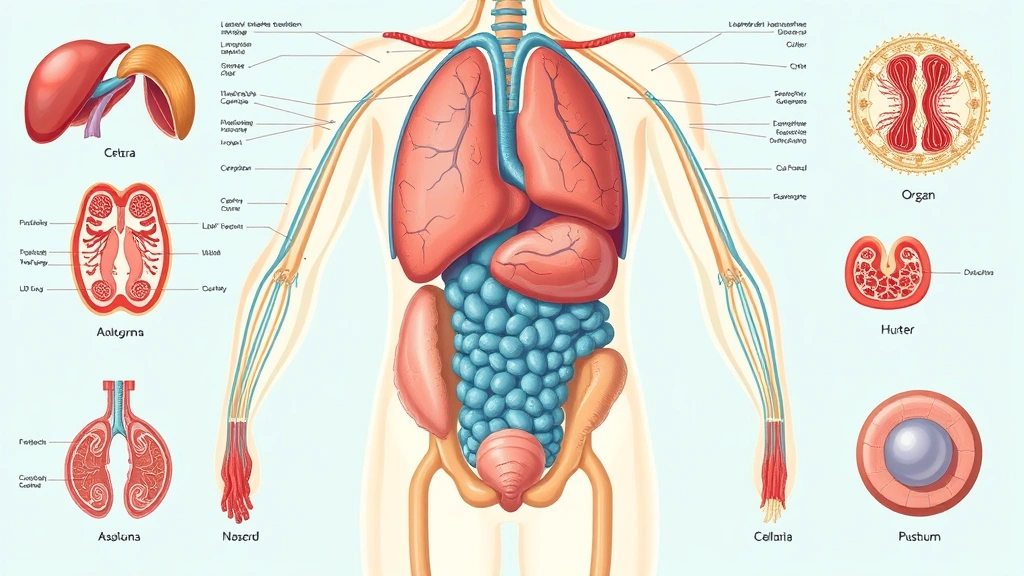
Anatomical Illustrations represent the most technically demanding category. These include organ systems, skeletal structures, cellular components, and detailed cross-sections of body parts. Quality anatomical clipart requires medical accuracy because it’s often used in patient education materials where misinformation could be problematic.
Lifestyle and Wellness Graphics depict people engaged in healthy behaviors: exercising, meditating, eating nutritious foods, sleeping well, and managing stress. These illustrations tend toward idealized representations, showing diverse body types and ages engaged in positive health practices. This category has expanded significantly as behavioral health tech has grown, requiring visual representations of mental and emotional wellness.
Medical Icons and Symbols are the workhorses of health communication. Think stethoscopes, medical crosses, pill bottles, syringes, and health-related emoji. These simple, recognizable symbols function as visual shorthand and can be instantly understood across language barriers. The universal nature of medical iconography makes it invaluable in global health communications.
Disease and Condition Graphics illustrate specific health conditions, symptoms, or disease processes. You’ll find clipart representing everything from diabetes complications to respiratory infections to skin conditions. These require careful design to be informative without being unnecessarily alarming.
Prevention and Safety Graphics show people practicing preventive health measures: vaccination, handwashing, safe driving, sun protection, and ergonomic practices. These illustrations are crucial in public health campaigns and workplace safety programs.
Mental Health and Emotional Wellness Graphics have become increasingly important. This category includes illustrations of people experiencing various emotional states, therapy sessions, meditation, stress management, and emotional support. The mental health clipart category specifically addresses the growing recognition that psychological wellbeing deserves equal visual representation with physical health.

Real-World Applications in Healthcare
Health clipart isn’t decorative—it serves essential functions across healthcare and wellness sectors. Understanding these applications reveals why quality visual assets matter so much.
Patient Education Materials rely heavily on health clipart. When a doctor needs to explain a surgical procedure, a medication’s side effects, or disease management strategies, illustrations make complex information accessible. Research consistently shows that visual aids improve patient comprehension and retention.
Healthcare Marketing and Branding uses health clipart to communicate organizational values and services. A wellness clinic’s website might use illustrations of people meditating, exercising, or consulting with practitioners. These visuals signal the clinic’s approach before a single word is read.
Corporate Wellness Programs incorporate health clipart in promotional materials, fitness challenges, and wellness app interfaces. The health and wellness jobs sector increasingly requires professionals who can select or commission appropriate visual assets for employee wellness initiatives.
Mental Health Resources benefit from thoughtful health clipart that destigmatizes psychological conditions and promotes help-seeking behavior. Understanding mental health symbols helps communicators choose graphics that resonate authentically with audiences rather than reinforcing stereotypes.
Digital Health Applications depend on health clipart for user interface design, onboarding screens, and health tracking visualizations. A fitness app needs recognizable icons for different activity types; a medication reminder app needs pill imagery; a meditation app needs calming wellness illustrations.
Public Health Campaigns use health clipart to communicate preventive messages at scale. Vaccination campaigns, disease awareness initiatives, and health promotion efforts all rely on consistent, recognizable visual language that health clipart provides.
Why Health Clipart Matters for Communication
The importance of quality health clipart extends beyond aesthetics. Several critical factors explain why healthcare communicators invest in these visual assets.
Accessibility and Inclusion improve dramatically with well-designed health clipart. Visual representations can communicate across language barriers, literacy levels, and learning preferences. Illustrations of diverse people in various health scenarios signal inclusivity and help different populations see themselves represented in healthcare communications.
Complexity Reduction is perhaps the most valuable function. Medical concepts that require paragraphs of explanation become instantly graspable through appropriate illustration. A diagram showing how the heart pumps blood accomplishes in seconds what verbal explanation might take minutes.
Engagement and Retention increase when health information includes relevant visuals. People process images faster than text, and the combination of visual and textual information creates stronger memory formation. This matters tremendously in patient education where behavior change depends on understanding and remembering health information.
Professional Credibility rises with polished, appropriate visual assets. Poorly chosen or outdated clipart can undermine otherwise solid health information. Conversely, thoughtfully selected, high-quality illustrations signal that an organization takes health communication seriously.
Emotional Connection develops through relatable illustrations. When someone sees an illustration of a person who looks like them engaging in a wellness behavior, it becomes more psychologically real and achievable. This is particularly important in essential mental health awareness communications where reducing stigma and building hope are primary goals.
Consistency and Standardization benefit healthcare systems using coordinated health clipart across multiple materials. A consistent visual language reinforces messages and creates professional coherence across patient education materials, signage, digital platforms, and marketing.
How to Choose Quality Health Clipart
Not all health clipart is created equal. Selecting appropriate visual assets requires understanding several quality criteria.
Medical Accuracy must be your first filter. Check whether illustrations accurately represent anatomical structures, disease processes, or health concepts. Consult with medical professionals when necessary. Inaccurate clipart can spread misinformation, particularly in patient education contexts.
Visual Clarity matters across different sizes and contexts. Will the clipart work at thumbnail size on a mobile app? Will it remain clear in print? Test your selections across the various mediums where they’ll appear.
Diversity and Representation have become essential considerations. Quality health clipart should represent people of different ages, ethnicities, body types, abilities, and family structures. Healthcare is universal, and visual materials should reflect that reality.
Style Consistency is important when selecting multiple pieces. Mixing wildly different illustration styles creates a disjointed, unprofessional appearance. Choose clipart from cohesive collections or ensure pieces work together aesthetically.
Cultural Sensitivity requires careful consideration. Symbols, colors, and representations that feel neutral in one cultural context might carry different meanings elsewhere. When creating global health materials, invest time in cultural review of visual assets.
Licensing and Usage Rights prevent legal complications. Understand whether clipart is for personal use only, commercial use, or specific industry applications. Some sources require attribution; others prohibit modification. Clarify these details before implementation.
Source Reputation matters significantly. Reputable sources like the National Library of Medicine, medical illustration companies, and established design platforms typically provide higher quality and more reliable licensing information than random online repositories.
Integration with Digital Health Platforms
Modern health clipart increasingly serves digital-first purposes. Understanding integration requirements helps select appropriate assets.
Responsive Design Considerations mean health clipart must scale gracefully across devices. Vector-based graphics (SVG format) work better than raster images for this purpose because they maintain quality at any size. Mobile-first design requires particular attention to ensuring illustrations remain clear on small screens.
Animation Possibilities expand the functionality of health clipart in digital contexts. Animated illustrations can demonstrate movement (exercise form, breathing techniques), progression (disease stages), or interaction (interactive anatomy tools). As behavioral health tech advances, animated health clipart becomes increasingly valuable for engagement.
Accessibility Features require proper implementation. Health clipart should include alt text for screen readers, sufficient color contrast, and clear labeling. Accessibility isn’t an afterthought—it’s essential for truly inclusive health communication.
Performance Optimization ensures that health clipart doesn’t slow down digital platforms. Properly compressed images, appropriate file formats, and lazy loading techniques keep applications running smoothly while maintaining visual quality.
Integration with Data Visualization represents an emerging frontier. Health clipart increasingly combines with data visualization techniques to create infographics that communicate health statistics, research findings, and wellness trends in engaging formats.
Frequently Asked Questions
Where can I find quality health clipart?
Several reliable sources offer quality health clipart. Reputable platforms include Getty Images, Shutterstock, Adobe Stock, and specialized medical illustration companies. The National Library of Medicine offers free, public domain medical illustrations. Many healthcare organizations create their own clipart libraries for consistency across materials. When selecting sources, verify licensing terms and ensure medical accuracy.
Is it better to use photographs or illustrations for health communication?
Both have advantages. Illustrations offer flexibility, consistency, and the ability to simplify complex information. Photographs feel more realistic and relatable but can be more expensive and harder to standardize. Often, the best approach combines both—using photographs for lifestyle contexts and illustrations for medical/anatomical information. Consider your audience, context, and budget when deciding.
How do I ensure health clipart is culturally appropriate?
Involve diverse reviewers in the selection process. Consider how symbols, colors, family structures, and body representations might be interpreted across different cultures. When possible, work with cultural consultants for materials intended for global audiences. Test materials with representative audiences before full implementation.
Can I modify licensed health clipart?
It depends on the license. Some licenses permit modification; others prohibit it. Always check the specific license terms before editing clipart. If modification is prohibited but necessary, contact the copyright holder for permission or commission custom work instead.
Why is health clipart important for mental health awareness?
Visual representation significantly impacts how people perceive mental health. Quality health clipart showing diverse people receiving therapy, practicing meditation, or managing mental health conditions helps destigmatize psychological wellbeing. Thoughtful illustrations communicate that mental health is as legitimate and important as physical health. This is why mental health clipart has become increasingly sophisticated and intentional in recent years.
What file formats should health clipart use?
Different contexts require different formats. SVG (vector) works best for digital applications that need to scale. PNG works well for web use with transparency. JPG suits photographs and complex illustrations where file size matters. For print, high-resolution TIFF or PDF formats are preferable. Always maintain master files in multiple formats for flexibility.
How does health clipart differ from medical stock photography?
Health clipart is illustrated or designed, while medical stock photography uses actual photographs. Clipart offers more control over content, consistency across materials, and the ability to simplify or emphasize specific elements. Photography feels more realistic and relatable but is less flexible for standardization. Many professional health communications use both strategically.