
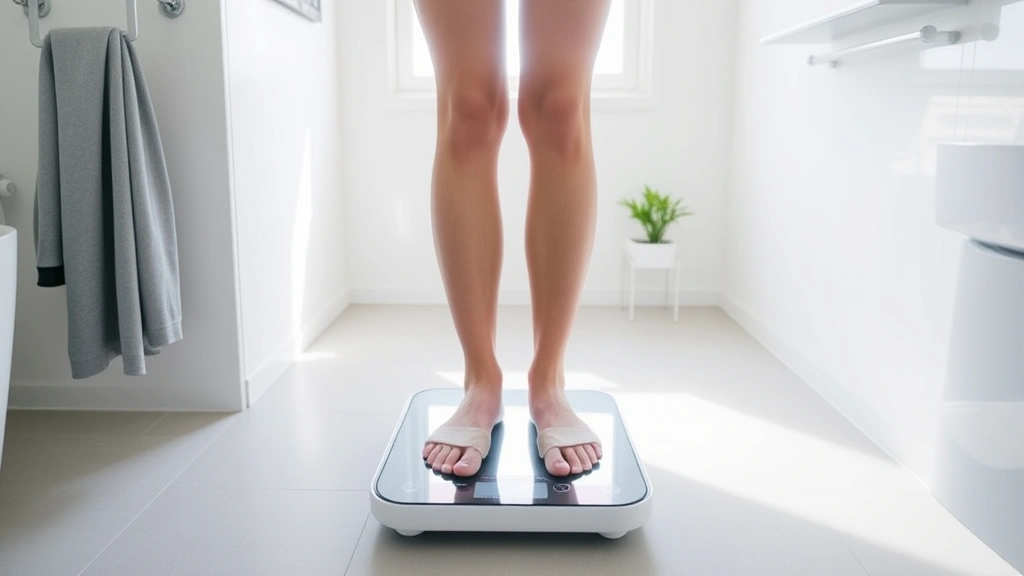
Health O Meter Scale: Your Comprehensive Guide to Accurate Weight Tracking
Let’s be honest—stepping on a scale can feel like confronting a truth you’ve been avoiding. But here’s the thing: a quality scale isn’t your enemy. It’s actually a tool that, when used correctly, can provide valuable insights into your health journey. If you’re considering investing in a Health O Meter scale or already own one, understanding how to use it properly can make all the difference between getting accurate readings and frustrating fluctuations that don’t reflect reality.
Weight tracking has evolved significantly over the past decade. Gone are the days when a basic bathroom scale was your only option. Today’s scales—particularly those from reputable brands like Health O Meter—offer advanced features that go beyond simple weight measurement. They can track body composition, sync with health apps, and provide data that helps you understand what’s actually happening with your body. The key is knowing how to leverage these tools effectively and interpreting the data without letting numbers dictate your self-worth.
This guide will walk you through everything you need to know about Health O Meter scales, from selecting the right model for your needs to mastering the techniques that ensure accurate, consistent readings. Whether you’re tracking progress toward a fitness goal or monitoring health metrics for medical reasons, we’ve got you covered.
Choosing the Right Health O Meter Scale
Health O Meter offers several scale models, each designed with different features and price points. Before purchasing, consider what metrics matter most to you. Are you simply interested in weight, or do you want body composition data like body fat percentage, muscle mass, and water weight? Understanding your priorities will help you select a model that actually serves your needs rather than collecting dust in your bathroom.
The brand’s digital scales range from basic weight-only models to advanced bioelectrical impedance analysis (BIA) scales that measure multiple body composition metrics. Basic models are excellent if you want straightforward weight tracking without complexity. They’re typically more affordable and require minimal setup. However, if you’re serious about understanding your body composition changes, investing in a model with BIA technology provides considerably more insight into whether weight changes come from fat loss, muscle gain, or water retention.
Consider also the scale’s capacity, display clarity, and connectivity features. Some Health O Meter scales connect to smartphone apps via Bluetooth, allowing automatic data logging and trend analysis. If you’re tech-savvy and enjoy tracking metrics digitally, this feature can be incredibly motivating. If you prefer simplicity, a scale with a clear LCD display and manual tracking works just fine.
Why Accuracy Matters in Weight Tracking
An inaccurate scale is worse than no scale at all. When your measurements are off, you’re essentially making decisions based on false information. This can be demoralizing when you’ve worked hard but the scale doesn’t reflect your efforts, or falsely reassuring when you’re not actually making progress. Health O Meter scales are generally known for reliability, but accuracy depends heavily on proper usage and maintenance.
Weight fluctuations are completely normal and expected. Your weight can vary by 3-5 pounds throughout the day depending on hydration, food intake, hormones, and even the time of day. This is precisely why consistency in measurement matters more than any single reading. If you always weigh yourself under identical conditions—same time, same clothing, same bathroom—you’ll get comparable data that reveals actual trends rather than daily noise.
One often-overlooked factor is that body composition changes don’t always correlate directly with weight changes. You might lose 2 pounds of fat while gaining 2 pounds of muscle, resulting in no weight change despite significant body transformation. This is where advanced Health O Meter models with composition analysis become valuable. They help you understand that the scale number tells only part of the story.
Proper Setup and Placement
Where and how you place your Health O Meter scale significantly impacts measurement accuracy. The surface matters tremendously. Always use your scale on a hard, level floor—tile, wood, or concrete work best. Avoid carpet, rugs, or uneven surfaces that can cause unstable readings. If your bathroom has tile, that’s actually ideal. The scale needs a solid foundation to calibrate properly and provide consistent measurements.
Placement consistency is equally important. Choose a permanent spot in your bathroom and keep the scale there. Moving it around can affect calibration and introduce variables that compromise accuracy. If you must move the scale, recalibrate it according to the manufacturer’s instructions before taking measurements.
Temperature also plays a subtle but real role. Allow your scale to acclimate to room temperature before use, especially if you’ve just brought it from a cold environment. Extreme temperature fluctuations can temporarily affect readings. This is another reason why consistent bathroom use is beneficial—the environment remains relatively stable.
For scales with BIA technology, make sure the metal contacts on the scale’s surface are clean. Dirt, dust, or residue can interfere with the electrical signal used to measure body composition. Wipe the contact areas with a dry cloth regularly.
Best Practices for Consistent Measurements
Timing is everything when it comes to weight measurement. Most health professionals recommend weighing yourself first thing in the morning, after using the bathroom but before eating or drinking anything substantial. This is when your weight is most stable and unaffected by food and fluid intake. Morning measurements provide the most accurate baseline for tracking trends.
However, consistency matters more than timing. If you can only weigh yourself in the evening, that’s fine—just do it at the same time every evening. Your body will show weight changes relative to that baseline, even if the absolute number is higher than morning measurements. The key is creating a routine you’ll actually maintain.
Clothing affects your readings, so wear the same amount of clothing each time or, ideally, weigh yourself without clothes. Even a t-shirt adds a couple of ounces. This might seem trivial, but when you’re tracking small changes, every bit of consistency counts. Some people weigh themselves in the same lightweight garment each time as a compromise between accuracy and modesty.
Step on the scale gently and stand still for a few seconds. Don’t shift your weight around or move too much while the scale is calculating. For BIA scales, ensure your feet are positioned where indicated, usually with bare feet making contact with the metal pads. Poor foot contact compromises body composition readings.
Hydration status affects weight readings, particularly on BIA scales. Don’t weigh yourself when significantly dehydrated or over-hydrated. Drink water normally throughout the day, and measure at consistent hydration levels. If you’ve just finished an intense workout and are severely dehydrated, wait until the next day for measurement.
Understanding Your Scale Readings
A Health O Meter scale displaying your weight is straightforward, but understanding what that number means requires context. Weight is influenced by multiple factors: fat mass, muscle mass, bone density, organ weight, and water retention. When you lose weight, ideally you’re losing fat while maintaining or building muscle. A scale that measures only weight can’t distinguish between these.
If your Health O Meter scale includes body composition analysis, you’ll see metrics like body fat percentage, lean muscle mass, and water percentage. Body fat percentage is more meaningful than weight alone. You could weigh the same but have significantly different body compositions depending on how much of that weight is muscle versus fat. A person with 20% body fat looks and feels completely different from someone at 35% body fat, even if they weigh the same.
Lean muscle mass is the metabolically active tissue that burns calories at rest. Building muscle through resistance training is why strength training complements weight loss efforts. Your scale might show minimal weight loss while muscle increases and fat decreases—a scenario where the scale is actually showing excellent progress, not stagnation.
Water percentage fluctuates daily based on hydration, hormones, sodium intake, and exercise. Women often retain water during certain phases of their menstrual cycle, which can mask fat loss on the scale. Understanding this prevents discouragement when you’ve done everything right but water retention temporarily hides your progress.
Interpreting trends matters far more than individual readings. Don’t obsess over day-to-day changes. Instead, look at weekly or monthly averages. If you’re trending downward over weeks and months, you’re making progress regardless of daily fluctuations. This is why tracking multiple measurements and maintaining consistency is so valuable—you can see the forest instead of fixating on individual trees.
Maintenance and Care Tips
Your Health O Meter scale is a precision instrument that deserves proper care. Keep it clean and dry. Moisture is the enemy of electronic scales, so avoid placing it in steamy bathrooms directly after hot showers. If water splashes on it, dry it immediately. Never submerge your scale in water or use harsh chemicals for cleaning.
Battery maintenance is crucial for digital scales. Check battery levels regularly and replace them before they die completely. Dead batteries can cause inaccurate readings or prevent the scale from functioning altogether. Use quality batteries—cheap ones often have inconsistent power output that affects measurements.
Calibration should be checked periodically. Most Health O Meter scales have a calibration feature outlined in the manual. Perform calibration when you first set up the scale and annually thereafter, or if you notice readings seem inconsistent. Some scales automatically calibrate; others require manual calibration using known weights.
Storage matters if you travel with your scale or need to store it temporarily. Keep it in a cool, dry place away from extreme temperatures. Don’t store it in humid environments or where it might get jostled around. Proper storage preserves accuracy and extends the scale’s lifespan.
If your scale begins giving wildly inconsistent readings, the first troubleshooting steps are checking battery levels, ensuring proper placement on a level surface, and recalibrating. If problems persist, contact Health O Meter customer service or consult the manual for model-specific troubleshooting.
Using Your Scale Data for Real Progress
A scale is a data collection tool, nothing more. It shouldn’t dictate your mood, self-worth, or determination. Some people benefit from regular weighing because it keeps them accountable and motivated. Others find daily weighing psychologically harmful, triggering unhealthy obsession or shame. Know yourself and use your Health O Meter scale in a way that serves your wellbeing.
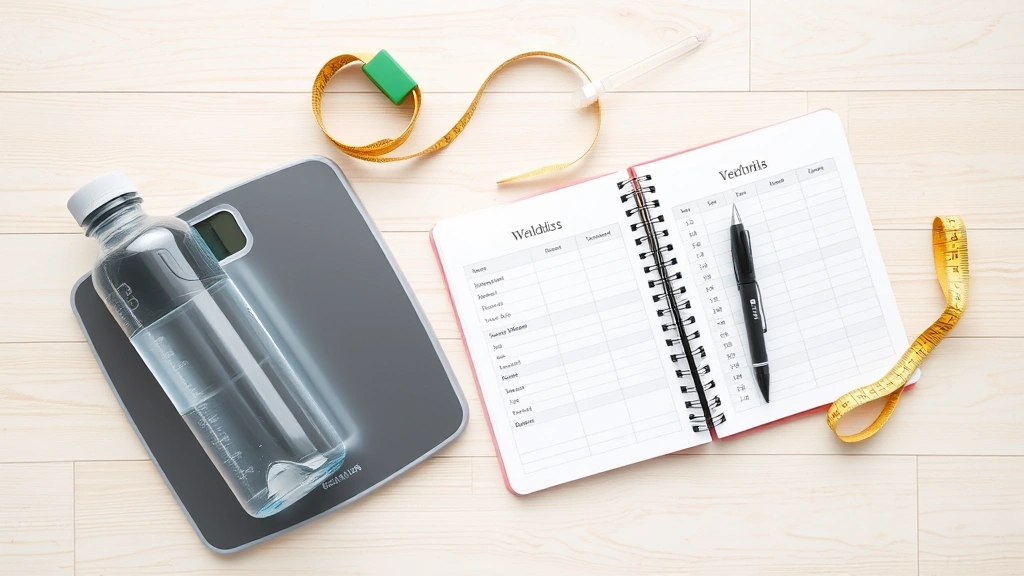
Combine scale data with other progress metrics for a complete picture. Take progress photos, measure body parts with a tape measure, notice how clothes fit, and pay attention to how you feel. You might experience increased energy, better sleep, improved mood, and enhanced strength—all indicators of progress that the scale won’t capture. When you improve your sleep quality, your body composition often changes favorably even if weight stays steady.
Your fitness level and body composition are influenced by numerous factors beyond weight. Staying hydrated supports metabolism and overall health, but it also temporarily increases weight. Better posture doesn’t change the scale number but dramatically improves how you look and feel. Nutrition quality matters profoundly—choosing nutrient-dense foods like quality yogurt for gut health supports sustainable progress.
If you’re serious about health and fitness, consider that understanding weight tracking is just one component of a comprehensive approach. Those interested in deepening their health knowledge might explore careers in health science, which offer opportunities to help others optimize their wellness journeys.
Use your Health O Meter scale data to identify patterns. Do you consistently gain weight on weekends? That’s valuable information suggesting weekend habits need adjustment. Do you see steady downward trends when you exercise regularly? That confirms the behavior works for you. Let data guide your decisions rather than dictate your emotions.
According to research from the National Institutes of Health, regular self-weighing is associated with better weight management outcomes when combined with other healthy behaviors. However, the same research emphasizes that the relationship between weighing frequency and outcomes is complex and varies by individual.
Set realistic expectations. Healthy weight loss is typically 1-2 pounds per week. Faster weight loss often involves water loss and muscle loss, which isn’t ideal. If you’re not seeing scale movement after several weeks despite consistent healthy habits, that doesn’t mean failure—it might mean your body is recomposing (gaining muscle while losing fat) or that your calorie intake and expenditure are balanced at your current weight.
Frequently Asked Questions
How often should I weigh myself with a Health O Meter scale?
This depends on your personality and goals. Daily weighing works for people who find data motivating and can handle normal fluctuations without discouragement. Others do better with weekly or bi-weekly measurements that smooth out daily noise. The Mayo Clinic recommends choosing a frequency you can maintain consistently, as regular monitoring is more important than frequency.
Why do my readings vary so much day to day?
Weight naturally fluctuates 3-5 pounds daily due to food intake, water retention, hormones, exercise, and digestion. These variations are completely normal and don’t reflect fat loss or gain. This is why looking at weekly or monthly averages provides more accurate information about actual progress.
Do I need a scale that measures body composition?
Basic weight-only scales work fine if you simply want to track weight trends. However, scales with body composition analysis provide more meaningful health information, particularly if you’re exercising and potentially gaining muscle while losing fat. The additional cost is worthwhile if you value this deeper insight.
Can I use my Health O Meter scale on carpet?
No. Carpet provides an unstable surface that compromises accuracy. Always use your scale on hard, level flooring. This is one of the most common reasons for inaccurate readings.
How accurate are Health O Meter scales?
Health O Meter scales are generally accurate within 0.5 pounds when used properly. However, accuracy depends on proper placement, calibration, and usage. Consistent usage under identical conditions is more important than absolute accuracy—you want comparable readings that reveal trends.
Does time of day affect my weight?
Absolutely. Weight is typically lowest in the morning after using the bathroom and highest in the evening after eating and drinking throughout the day. This is why consistent timing matters—morning measurements provide the most stable baseline.
Should I weigh myself if I’m sick or menstruating?
You can, but be aware that illness and hormonal changes affect water retention and weight. If you’re tracking for trends, these temporary fluctuations might make data interpretation confusing. Many people skip weighing during these times to avoid misinterpreting temporary changes as progress or regression.
What should I do if my scale gives inconsistent readings?
First, ensure it’s on a level, hard surface. Check that the battery isn’t low. Recalibrate according to the manual. If problems persist after these steps, contact Health O Meter customer service. Scales can occasionally malfunction and may need replacement if troubleshooting doesn’t resolve issues.
Can I use my scale in a humid bathroom?
Moisture damages electronic scales. Avoid using your scale immediately after hot showers when humidity is high. Keep your scale in a dry location and wipe away any moisture promptly if splashing occurs.
How do I interpret body fat percentage readings?
Body fat percentage categories vary slightly by age and gender, but generally: women below 21% body fat is considered athletic, 21-32% is healthy, 32-41% is acceptable, and above 41% is considered high. Men below 14% is athletic, 14-24% is healthy, 24-37% is acceptable, and above 37% is high. These are guidelines—focus on your personal trends rather than absolute numbers.