

Are Pork Deli Sticks Healthy? Nutrition Facts Inside
Pork deli sticks have become a convenient snack option for busy professionals and health-conscious individuals alike. Whether you’re grabbing a quick protein boost between meetings or packing a lunch for your kids, these portable meat sticks seem like the perfect solution. But beneath that convenient wrapper lies a complex nutritional story that deserves closer examination. Understanding what’s really in your pork deli sticks can help you make informed decisions about whether they fit into your wellness journey.
The popularity of pork deli sticks has surged in recent years, particularly among followers of low-carb and keto diet trends. These protein-packed snacks offer immediate satiety and require no preparation, making them an attractive option for on-the-go nutrition. However, the convenience factor doesn’t automatically translate to nutritional virtue. Many commercial pork deli sticks contain added sodium, preservatives, and saturated fats that warrant careful consideration before making them a dietary staple.
This comprehensive guide explores the nutritional profile of pork deli sticks, examining both their benefits and potential drawbacks. We’ll break down the ingredients, compare different brands, and help you determine whether these snacks align with your personal health goals.
Table of Contents
- Nutrition Breakdown of Pork Deli Sticks
- Sodium Content and Heart Health
- Protein Benefits and Muscle Support
- Additives and Preservatives Explained
- Healthier Alternatives to Consider
- Portion Control Strategies
- Frequently Asked Questions
Nutrition Breakdown of Pork Deli Sticks
A typical serving of pork deli sticks—usually one stick weighing around 28 grams—contains approximately 110-120 calories. This modest caloric load makes them attractive for snacking, but the composition of those calories tells a more nuanced story. Most pork deli sticks derive roughly 70-80% of their calories from fat, with the remaining calories split between protein and minimal carbohydrates.
Let’s examine the macronutrient profile more closely. A standard serving provides:
- Protein: 6-10 grams, supporting muscle maintenance and satiety
- Fat: 9-10 grams, predominantly saturated fat
- Carbohydrates: Less than 1 gram, making them suitable for low-carb diets
- Fiber: None, as meat contains no dietary fiber
The micronutrient profile includes notable amounts of B vitamins, particularly B12 and niacin, which support energy metabolism and nervous system function. Pork deli sticks also contain iron, zinc, and selenium—minerals essential for immune function and thyroid health. However, these benefits must be weighed against the sodium and saturated fat content that dominates the nutritional landscape.
When comparing pork deli sticks to other protein snacks, the differences become apparent. A serving of Greek yogurt provides similar protein but with beneficial probiotics and calcium. Almonds offer protein alongside heart-healthy monounsaturated fats and fiber. Understanding these alternatives helps contextualize whether pork deli sticks deserve a regular place in your balanced lifestyle.
Sodium Content and Heart Health
Perhaps the most significant nutritional concern with pork deli sticks is their sodium content. A single serving typically contains 400-600 milligrams of sodium, representing 17-26% of the daily recommended limit of 2,300 milligrams. For individuals managing hypertension or following sodium-restricted diets, this concentration becomes problematic when multiplied across several servings or combined with other processed foods.
The American Heart Association emphasizes that excessive sodium consumption correlates with elevated blood pressure, increased cardiovascular disease risk, and higher stroke incidence. Regular consumption of high-sodium processed meats like deli sticks contributes to these health risks over time. Studies published in major medical journals have consistently linked processed meat consumption with cardiovascular complications, making moderation essential.
The sodium in pork deli sticks serves multiple functions: preservation, flavor enhancement, and texture maintenance. While these purposes are commercially valuable, they don’t align with contemporary nutritional science. The curing process, which gives deli sticks their characteristic flavor and shelf stability, inherently requires substantial salt content. This creates a fundamental tension between convenience and health.
For those concerned about sodium intake, several strategies help mitigate this issue. Choosing brands labeled “lower sodium” can reduce intake by 25-30%. Pairing deli sticks with sodium-free foods like fresh vegetables or unsalted nuts balances overall meal sodium. Limiting consumption to occasional snacks rather than daily staples prevents cumulative sodium overload. These approaches allow occasional enjoyment while maintaining cardiovascular health priorities.
Protein Benefits and Muscle Support
Despite the nutritional concerns, pork deli sticks do offer legitimate protein benefits worth acknowledging. The 6-10 grams of protein per serving provides meaningful amino acid content, particularly the branched-chain amino acids crucial for muscle protein synthesis. For individuals engaged in resistance training or seeking to maintain muscle mass during aging, this protein contribution matters.
Protein’s satiety effect represents another advantage. The amino acids in pork deli sticks trigger satiety hormones, promoting feelings of fullness that can reduce overall caloric intake. This mechanism makes deli sticks valuable for individuals managing weight or following intermittent fasting protocols. The combination of protein and fat creates a particularly satiating snack that sustains energy between meals.
The complete amino acid profile in pork deli sticks—containing all nine essential amino acids—distinguishes them from many plant-based protein snacks. This completeness makes them particularly valuable for individuals who struggle to meet protein requirements through conventional meals. Athletes, older adults, and those recovering from illness often benefit from convenient, complete protein sources.
However, obtaining protein from pork deli sticks comes with nutritional baggage that cleaner protein sources avoid. A comprehensive nutrition analysis reveals that the same protein amount can be obtained from less processed options with fewer health compromises. The protein quality remains high, but the delivery mechanism matters for long-term health outcomes.
Additives and Preservatives Explained
Beyond sodium, pork deli sticks contain various additives that merit examination. Sodium nitrite and sodium nitrate serve as curing agents and preservatives, preventing bacterial growth and maintaining color. While these compounds have been used safely for decades, research suggests potential health implications with regular consumption. Some studies link nitrate consumption to increased cancer risk, though evidence remains contested and often correlates with overall processed meat consumption patterns.
Many commercial pork deli sticks include corn syrup or sugar to balance salt flavors and enhance taste appeal. These added sugars contribute empty calories and can spike blood glucose levels, particularly concerning for individuals managing diabetes or prediabetes. Reading ingredient labels reveals that sugar content varies significantly between brands, with some containing up to 1-2 grams per serving.
Phosphates appear in many formulations as binders and moisture retainers, improving texture and shelf stability. While generally recognized as safe by regulatory agencies, excessive phosphate consumption may interfere with calcium absorption and bone health, particularly in individuals with kidney disease. Monosodium glutamate (MSG) occasionally appears as a flavor enhancer, which some individuals report triggering sensitivity reactions.
Artificial casings made from collagen or cellulose wrap most commercial deli sticks, while some premium varieties use natural casings. The casing type doesn’t significantly impact nutrition but does affect texture and eating experience. Understanding these additives empowers consumers to choose brands aligned with their personal wellness priorities.

Healthier Alternatives to Consider
If pork deli sticks’ nutritional profile concerns you, several alternatives provide comparable convenience with improved nutritional credentials. Beef jerky offers similar portability and protein content while often containing lower sodium than deli sticks, though quality varies significantly between brands. Look for jerky made from grass-fed beef with minimal additives for optimal nutritional value.
Turkey or chicken breast strips provide leaner protein options with less saturated fat than pork deli sticks. Homemade versions allow complete control over sodium and additives, though they require more preparation time. Many specialty food stores now stock minimally processed poultry snacks that bridge the convenience-health gap effectively.
Plant-based protein options have expanded dramatically, with tempeh strips, tofu jerky, and legume-based snacks offering complete or complementary amino acid profiles. While these don’t perfectly replicate deli stick convenience, they eliminate concerns about processed meat consumption and often provide fiber and phytonutrients absent in animal products.
Nuts and seeds represent excellent alternatives when combined with modest cheese portions. This combination provides complete protein, healthy fats, and fiber—a nutritional profile superior to deli sticks. While slightly less convenient than grab-and-go sticks, pre-portioned containers make this option nearly as accessible.
Hard-boiled eggs offer complete protein with minimal additives and impressive micronutrient density. Though requiring more preparation than deli sticks, they can be batch-prepared for weekly snacking. The choline content in eggs supports brain health, an additional benefit beyond basic nutrition.
Portion Control Strategies
If you decide that pork deli sticks fit within your holistic health approach, implementing portion control strategies prevents excessive consumption. One or two sticks as an occasional snack poses minimal health risk for most individuals, but daily consumption or multiple servings significantly increases sodium and saturated fat intake.
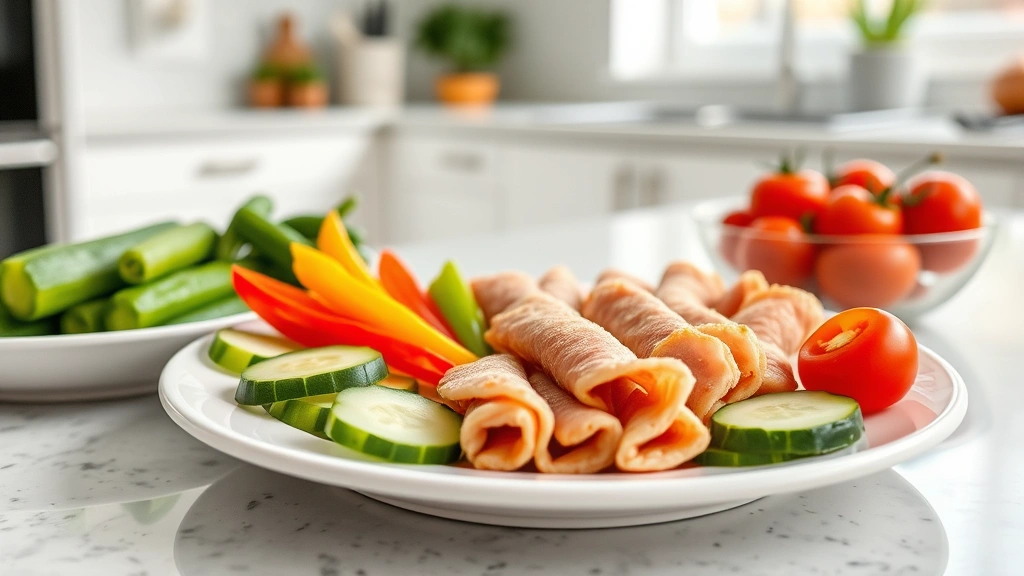
Pairing deli sticks with nutrient-dense foods enhances overall snack quality. Fresh vegetables like bell peppers, cucumber, or cherry tomatoes provide fiber, vitamins, and minerals while maintaining low caloric density. This combination creates a more balanced nutritional profile than consuming deli sticks alone.
Setting specific consumption guidelines—such as limiting deli sticks to twice weekly—helps maintain moderation without requiring complete elimination. This approach acknowledges that occasional consumption of less-optimal foods doesn’t derail overall health when balanced by generally sound nutritional practices. The key lies in preventing deli sticks from becoming a dietary default.
Storing deli sticks in pre-portioned packages prevents mindless overconsumption. When individual sticks come in single-serving wrappers, consuming multiple requires conscious decision-making rather than habitual snacking. This friction point provides opportunity for reflection about whether additional consumption aligns with your goals.
Timing consumption strategically maximizes benefits while minimizing drawbacks. Consuming deli sticks pre-workout provides convenient protein and fat for sustained energy without digestive heaviness. Pairing them with complex carbohydrates like whole grain crackers creates a more balanced snack than consuming sticks alone.
Frequently Asked Questions
Are pork deli sticks keto-friendly?
Yes, pork deli sticks are highly compatible with ketogenic diets due to their negligible carbohydrate content and high fat percentage. However, the sodium and saturated fat content requires consideration even within keto frameworks. Many keto practitioners successfully incorporate deli sticks while maintaining ketone production and metabolic benefits.
Can children safely eat pork deli sticks?
While pork deli sticks contain protein beneficial for growing children, their high sodium content warrants caution. Children have lower sodium requirements than adults, making regular deli stick consumption potentially problematic. Occasional consumption poses no significant risk, but limiting frequency and choosing lower-sodium options better supports pediatric health.
Do pork deli sticks require refrigeration?
Most commercial pork deli sticks are shelf-stable due to their curing and preservation methods, remaining safe at room temperature before opening. Once opened, refrigeration extends shelf life and prevents bacterial growth. Always check packaging for specific storage instructions, as preservation methods vary between brands.
How do pork deli sticks compare nutritionally to beef sticks?
Beef and pork deli sticks offer similar nutritional profiles, with beef typically containing slightly more iron and zinc. Pork often contains marginally less saturated fat, though differences prove minimal. Brand selection matters more than meat type when optimizing nutritional value.
Are organic pork deli sticks healthier?
Organic certification indicates the pork came from animals raised without synthetic pesticides or antibiotics, which some consumers prefer for environmental and health reasons. However, organic pork deli sticks still contain similar sodium levels and additives as conventional varieties. Organic designation doesn’t automatically improve the nutritional profile significantly.
What’s the best time to eat pork deli sticks?
Consuming deli sticks post-workout provides convenient protein for muscle recovery. Pre-workout consumption offers sustained energy from fat content. Pairing with meals rather than consuming alone reduces blood sugar impact. Avoid consuming immediately before bed, as the fat and sodium content may disrupt sleep quality for sensitive individuals.
How do I choose healthier pork deli stick brands?
Check nutrition labels for sodium content below 400mg per serving. Look for minimal ingredient lists without artificial additives. Brands emphasizing grass-fed or pastured pork often provide superior nutritional profiles. Third-party certifications from reputable organizations provide additional confidence in product quality claims.
The Verdict: Should You Eat Pork Deli Sticks?
Pork deli sticks occupy a complicated space in nutritional science. They’re neither villainous ultra-processed foods worthy of complete elimination nor nutritional heroes deserving regular consumption. Rather, they represent a convenient protein source with significant sodium and saturated fat drawbacks that require mindful integration into balanced diets.
For individuals seeking convenient protein without dietary restrictions, occasional pork deli stick consumption poses minimal health risk. One or two sticks twice weekly, paired with whole foods and balanced nutrition, fits comfortably within most health frameworks. However, daily consumption or multiple servings elevates sodium and saturated fat intake to problematic levels.
The most honest assessment recognizes pork deli sticks as a compromise food. They sacrifice optimal nutrition for unmatched convenience, making them valuable in specific contexts—traveling, emergency snacking, or situations where superior alternatives prove unavailable. But relying on them as primary protein sources or daily staples compromises long-term health outcomes.
Your individual health status, dietary goals, and food preferences ultimately determine whether pork deli sticks deserve a place in your eating patterns. Consulting with a healthcare provider or registered dietitian provides personalized guidance aligned with your specific health needs. By understanding the nutritional facts, you can make conscious, informed decisions that support your wellness journey rather than defaulting to convenient assumptions about processed foods.