
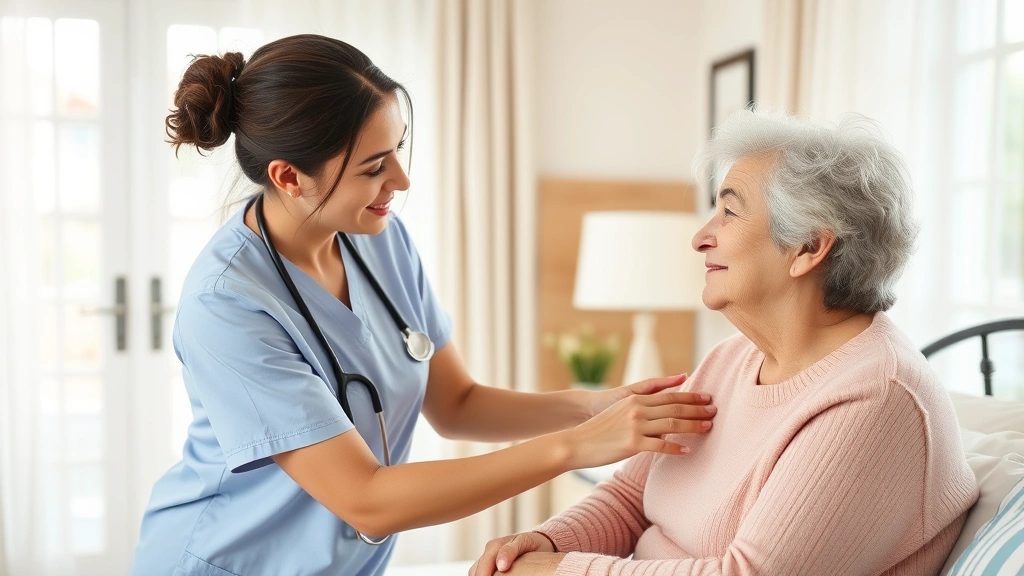
Home Health Aide Job Description: Key Responsibilities and Career Insights
If you’re considering a career in healthcare or simply curious about what home health aides actually do day-to-day, you’ve landed in the right place. The role of a home health aide is far more nuanced than most people realize—it’s a blend of medical knowledge, emotional intelligence, and genuine compassion wrapped into one demanding yet deeply rewarding position.
Home health aides are the backbone of the healthcare system’s ability to serve people in their most comfortable environment: their own homes. Unlike hospital settings where patients are surrounded by medical equipment and staff, home health aides work one-on-one with clients, often becoming trusted figures in their lives. This intimacy comes with tremendous responsibility, but it also offers unique opportunities for meaningful human connection that few other professions can match.
The healthcare industry is experiencing unprecedented growth, and the demand for qualified home health aides continues to skyrocket. Whether you’re exploring home health care jobs near me or seeking to understand the career path better, understanding the complete scope of this role is essential. Let’s dive deep into what makes this profession tick and why it matters so much in modern healthcare.
Core Responsibilities of a Home Health Aide
The foundation of any home health aide job description centers on providing direct care to clients in their residential settings. This isn’t a one-size-fits-all role—responsibilities vary significantly depending on the client’s age, health condition, and specific needs. What unites all home health aides, however, is their commitment to maintaining client dignity while improving quality of life.
A home health aide’s day typically begins with reviewing the client’s care plan, a detailed document outlining specific tasks, medical conditions, and any special instructions. This plan serves as the roadmap for the entire shift. From there, aides move through their responsibilities with a careful balance of efficiency and compassion, understanding that they’re not just completing tasks—they’re providing essential support to vulnerable individuals.
The role demands excellent time management since aides often care for multiple clients throughout the week. They might spend two hours with an elderly client recovering from surgery in the morning, then move to an afternoon appointment with a younger individual managing a chronic illness. Each transition requires mental agility and the ability to quickly adjust to different environments and care needs.
One often-overlooked aspect of the job is documentation. Home health aides must maintain detailed records of their observations, client responses to care, and any changes in condition. This information becomes crucial for the broader healthcare team, including nurses, physicians, and physical therapists who rely on these frontline reports to adjust treatment plans. If you’re interested in other healthcare pathways, exploring public health degree jobs might provide additional context on how home health fits into the larger healthcare ecosystem.
Personal Care and Hygiene Assistance
Perhaps the most intimate responsibility of a home health aide involves assisting with personal hygiene and grooming. This includes helping clients with bathing, showering, toileting, and dressing—tasks that many people take for granted until illness or age makes them challenging. The sensitivity required here cannot be overstated; clients often feel vulnerable during these moments, and professional, respectful aides make all the difference in preserving dignity.
Bathing assistance requires more than just helping someone into a tub. Aides must assess bathroom safety, prevent falls, manage water temperature appropriately, and help clients with mobility limitations. For elderly individuals or those with arthritis, something as simple as washing hair becomes a collaborative effort requiring patience and problem-solving skills. Many aides develop creative solutions to make these activities more comfortable and efficient.
Grooming tasks extend beyond basic hygiene. Some clients need help with nail care, hair care, or managing incontinence with appropriate supplies and techniques that maintain comfort and hygiene. Aides working with clients experiencing cognitive decline, such as those with dementia or Alzheimer’s disease, must employ specialized communication techniques to make these activities less distressing.
Dressing assistance varies greatly depending on client mobility and dexterity. Some clients can select their own clothing but need help with buttons or zippers, while others require complete assistance. Aides must be knowledgeable about adaptive clothing options and techniques that make dressing easier for clients with limited mobility or arthritis. This seemingly simple task connects to broader wellness goals—helping clients maintain their appearance and personal style contributes significantly to psychological well-being and self-esteem.
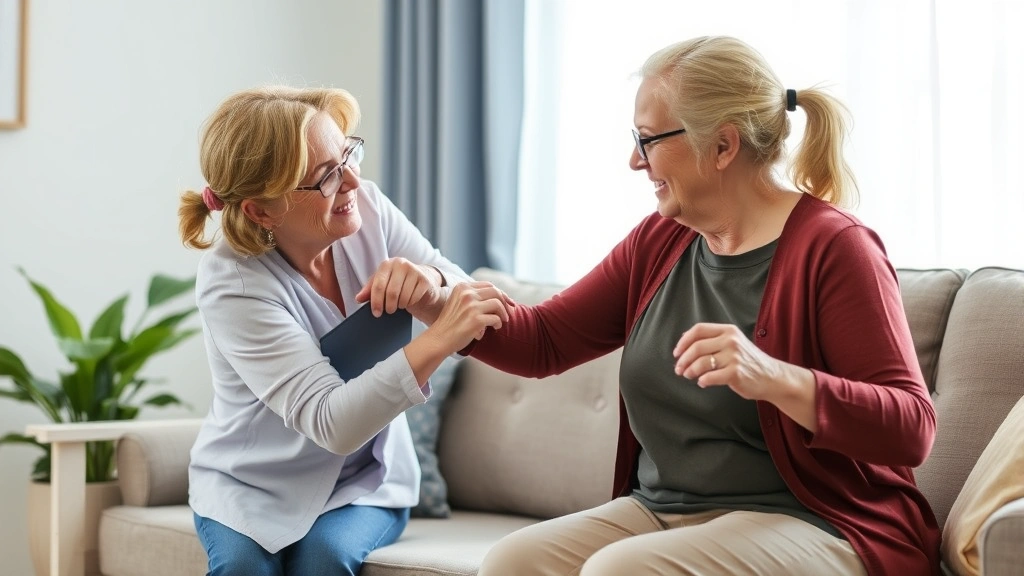
Medical Support and Monitoring
While home health aides are not nurses and cannot perform medical procedures requiring licensure, they play a vital role in basic health monitoring and support. This responsibility requires understanding fundamental vital signs, recognizing warning signs of complications, and communicating effectively with the healthcare team when changes occur.
Many clients require assistance with medications, though aides typically remind clients to take medications rather than administering them directly—that’s a nurse’s responsibility. However, aides must understand medication purposes, potential side effects, and how to encourage compliance. They might help organize medications into pill organizers or remind forgetful clients about dosing schedules.
Monitoring for changes in client condition is a critical responsibility. Home health aides should recognize signs of infection, unusual bleeding, changes in mental status, or physical decline. They observe appetite changes, sleep patterns, pain levels, and bathroom habits—information that seems mundane but proves invaluable to healthcare providers. This observational skill develops through experience and training, and it’s why many agencies emphasize ongoing education.
For clients with specific conditions, aides receive specialized training. Those caring for diabetic clients learn about blood sugar monitoring and hypoglycemia recognition. Aides working with cardiac patients understand the importance of monitoring for chest pain or shortness of breath. Those supporting clients with respiratory conditions become familiar with oxygen equipment and breathing difficulties. This medical literacy, while not requiring nursing credentials, demands serious commitment to learning.
Understanding health care privacy regulations is essential, as aides handle sensitive medical information daily. HIPAA compliance isn’t optional—it’s a fundamental ethical and legal requirement that protects client confidentiality.
Household Tasks and Mobility Assistance
The scope of household assistance varies by client needs and agency policies. Some aides focus primarily on personal care, while others handle light housekeeping, meal preparation, and laundry. This flexibility reflects the reality that clients’ needs are holistic—someone recovering from surgery needs both personal care and a clean, safe living environment.
Light housekeeping typically includes tidying living areas, changing bed linens, vacuuming, and basic cleaning. The goal isn’t perfection but maintaining a safe, sanitary environment that supports the client’s recovery and well-being. Aides must understand that an elderly client with limited mobility might struggle to manage stairs or navigate around clutter, making environmental safety a health concern rather than merely aesthetic.
Meal preparation is another common responsibility. Aides might prepare simple meals, ensure clients eat adequate nutrition, and accommodate dietary restrictions or preferences. For clients with swallowing difficulties or specific medical diets, this becomes more complex. Many aides develop skills in preparing appealing, nutritious meals that meet medical requirements while respecting cultural preferences and personal tastes.
Mobility assistance represents one of the most physically demanding aspects of the job. Helping clients transfer from bed to wheelchair, walk safely around the home, or navigate stairs requires proper body mechanics to prevent injury to both client and aide. Many agencies provide training in safe lifting techniques and the use of assistive devices like transfer belts or mechanical lifts. This aspect of the job explains why physical fitness and body awareness matter significantly for long-term career sustainability.
For clients seeking home health jobs near me, understanding that these physical demands vary helps in finding positions that match individual capabilities and preferences.

Emotional Support and Companionship
One of the most underappreciated aspects of the home health aide job description involves emotional support and companionship. Clients often experience isolation, fear, or depression related to their health conditions. A compassionate aide who listens, encourages, and provides genuine human connection offers therapeutic value that extends far beyond physical care tasks.
Many clients, particularly elderly individuals living alone, look forward to their aide’s visits as the primary social interaction of their day. This reality brings both opportunity and responsibility. Aides must maintain professional boundaries while offering authentic kindness. They might listen to stories about a client’s life, help them connect with family members via technology, or simply sit and talk during meal times.
Recognizing signs of depression, anxiety, or cognitive decline falls within an aide’s responsibility. While they cannot diagnose or treat mental health conditions, they can observe and report concerning changes to the healthcare team. For clients experiencing dementia or cognitive decline, aides employ specialized communication techniques and activities that maintain engagement and dignity despite memory loss or confusion.
The emotional labor of this work shouldn’t be minimized. Aides witness suffering, loss, and mortality regularly. They celebrate small victories—a client taking a few steps after surgery, improved appetite, or genuine smiles during conversation. This emotional investment makes the work meaningful but also requires aides to develop healthy coping strategies and access adequate support systems.
Required Qualifications and Certifications
Becoming a home health aide typically requires completing a certified nursing assistant (CNA) program or home health aide certification, depending on state requirements and employer preferences. These programs usually involve classroom instruction covering anatomy, physiology, infection control, and patient care fundamentals, combined with practical training and supervised clinical experience.
Medicare certification requirements establish baseline standards that many states adopt or exceed. Most programs require 40-75 hours of instruction, followed by competency evaluation. The specific requirements vary by state, so aspiring aides should verify their local regulations.
Beyond formal certification, successful home health aides possess certain personal qualities and skills. Strong communication abilities enable them to understand client needs, follow instructions accurately, and report observations clearly to the healthcare team. Empathy and patience prove essential when working with vulnerable, sometimes difficult clients. Reliability and punctuality demonstrate respect for clients who depend on consistent care schedules.
Physical stamina matters significantly. The job involves standing, walking, lifting, and bending throughout shifts. While not everyone needs elite athleticism, aides must maintain adequate physical fitness to perform their duties safely and sustainably. Back injuries plague the profession, making proper body mechanics and self-care critical for long-term career viability.
Many aides pursue additional certifications in specialized areas. CPR and First Aid certification is often required or strongly encouraged. Some aides obtain medication aide certification, phlebotomy training, or specialized certifications for working with dementia patients. These additional credentials expand employment opportunities and earning potential while demonstrating professional commitment.
Working in community home health care settings often requires aides to work independently, making self-motivation and problem-solving abilities particularly valuable. Unlike hospital environments with immediate supervisor access, home health aides must make judgment calls and handle challenges autonomously.
Understanding the Work Environment
The work environment for home health aides differs dramatically from traditional healthcare settings. Instead of fluorescent-lit hospital corridors and standardized patient rooms, aides work in diverse residential environments—apartments, houses, senior living facilities, and everything in between. This variety keeps the job interesting but also requires adaptability and flexibility.
No two client homes are identical. Some clients live in immaculate, well-organized spaces with excellent accessibility features. Others might live in cluttered, poorly maintained environments that present safety challenges. Aides must maintain professionalism and focus on client care regardless of environmental conditions, though they should report serious safety concerns to supervisors or appropriate authorities.
Scheduling in home health care often involves part-time or variable hours. Many aides work multiple clients throughout the week, creating a patchwork schedule that requires careful coordination. Some agencies offer full-time positions, while others provide primarily part-time opportunities. This flexibility appeals to many people but requires strong organizational skills and comfort with variability.
Safety concerns extend beyond client care. Aides working in unfamiliar neighborhoods or visiting clients alone must take precautions. Agencies typically provide safety training and protocols for situations involving unsafe environments or challenging client behaviors. Aides should never hesitate to report concerns or remove themselves from genuinely dangerous situations.
The pandemic significantly impacted home health work, highlighting both vulnerabilities and resilience in the profession. Aides adapted to new safety protocols, managed increased client anxiety, and often worked during isolation when other workers could remain remote. This experience demonstrated the essential nature of home health care and the dedication required from practitioners.
For those exploring career pathways in healthcare support roles, consider how behavioral health specialist positions might complement or compare to home health aide work, as both involve direct client interaction and emotional support.
Frequently Asked Questions
What’s the difference between a home health aide and a home care aide?
These terms are often used interchangeably, though some distinctions exist depending on state regulations and employer definitions. Generally, home health aides work under medical supervision, often for agencies affiliated with hospitals or healthcare systems, providing care based on physician-ordered plans. Home care aides might work for private families or non-medical home care agencies, focusing more on companionship, household assistance, and activities of daily living. Both roles require compassion and reliability, though medical training requirements may vary. Understanding these distinctions helps when exploring home health care jobs near me versus other caregiving positions.
How much training do home health aides need?
Training requirements vary by state and employer, but most positions require completion of a home health aide or certified nursing assistant certification program. These typically involve 40-75 hours of classroom instruction combined with clinical practice. OSHA standards for healthcare workers outline safety requirements that inform training content. Beyond minimum requirements, many agencies provide additional on-the-job training specific to their protocols and client populations. Ongoing education helps aides stay current with best practices and advance their careers.
Can home health aides administer medications?
In most states, home health aides cannot administer medications—that responsibility belongs to licensed nurses or, in some cases, medication aides with specific certification. However, aides can remind clients about medications, help organize pills, and report medication-related concerns to supervisors. State regulations vary, so aides should understand their specific scope of practice. Some agencies offer medication aide certification that expands these responsibilities, but it requires additional training and typically higher qualifications.
What’s the salary outlook for home health aides?
According to the Bureau of Labor Statistics, home health aide positions show strong job growth, with demand expected to increase significantly in coming years. Salary varies by location, experience, employer, and specialization, typically ranging from minimum wage to $15-18 per hour depending on these factors. Full-time positions with benefits offer better compensation than part-time work. Pursuing additional certifications and specializations can improve earning potential and career advancement opportunities.
Is home health aide work emotionally challenging?
Absolutely. Working closely with clients experiencing illness, disability, or decline can be emotionally taxing. Aides witness suffering, sometimes develop strong attachments to clients, and may experience grief when clients pass away or move to different care settings. However, many aides find this emotional engagement deeply meaningful—they’re making genuine differences in people’s lives during vulnerable times. Successful aides develop healthy coping strategies, seek support from colleagues and supervisors, and find meaning in their compassionate work. Agencies should provide resources supporting aide mental health and preventing burnout.
What advancement opportunities exist for home health aides?
Many home health aides use the position as a stepping stone to nursing or other healthcare careers. With experience and additional education, aides can pursue licensed practical nurse (LPN) or registered nurse (RN) credentials. Others advance into supervisory or management roles within home health agencies. Some specialize in specific areas like dementia care, pediatric care, or end-of-life care, commanding higher compensation. Pursuing public health degree jobs represents another pathway for ambitious aides interested in broader healthcare systems and policy work. The foundation built as a home health aide opens numerous doors in healthcare careers.
How do home health aides handle difficult or abusive clients?
Patient abuse—whether verbal, physical, or emotional—is unacceptable and aides should never tolerate it. Professional agencies establish clear protocols for addressing abusive situations, including documentation, reporting to supervisors, and reassignment when necessary. Aides have the right to work in safe, respectful environments. Employment protection laws provide legal safeguards against harassment and abuse. Open communication with supervisors and agency support proves essential when facing difficult client interactions.